Does Your Bed Have These Common Mattress Problems?
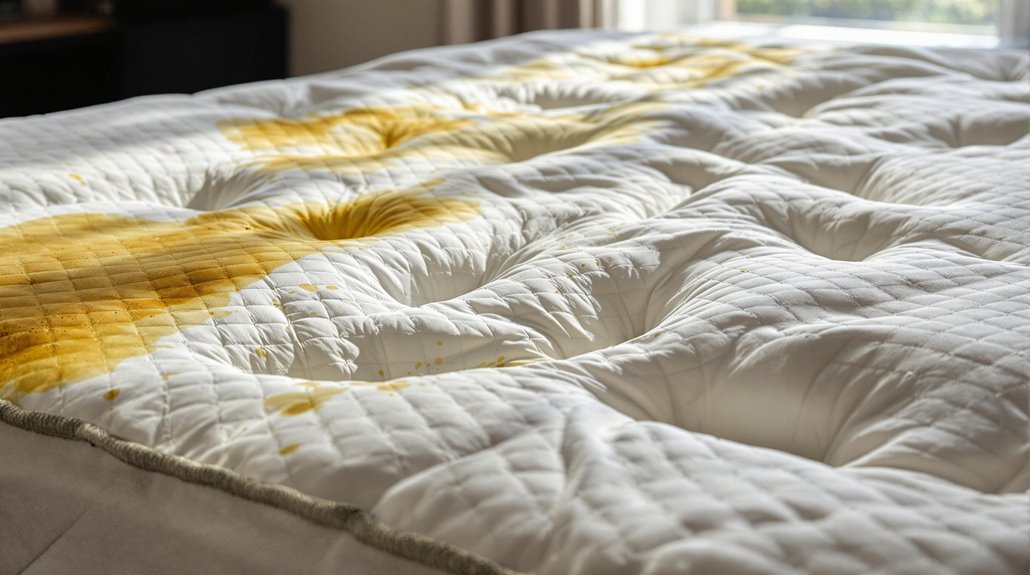
Your mattress might be telling you it's ready for retirement through several common warning signs. Watch out for uncomfortable lumps, noticeable sagging, and distinctive creaking sounds that indicate broken springs. If you're experiencing uneven sleeping surfaces, visible indentations, or hard spots, your foam could be deteriorating. Pay attention to unexplained itchy welts, as these might signal bed bugs. Most mattresses last 7-10 years before age-related issues like bacterial buildup and diminished support become problems. Don't ignore morning aches and pains – they're your body's way of saying something's wrong. Let's investigate these issues and their solutions in detail.
The Truth About Broken Springs
Three telltale signs indicate you're dealing with broken springs in your mattress: uncomfortable lumps, noticeable sagging, and distinctive creaking sounds. When your mattress starts exhibiting these symptoms, it's imperative to understand that broken springs aren't just a minor inconvenience - they're a sign your bed can no longer provide the support your body needs for quality sleep.
Unlike other mattress issues that might have simple fixes, broken springs typically spell the end of your old mattress. You might be tempted to try DIY repairs, but the truth is that once springs break, they'll continue to deteriorate and compromise the entire support system. Even if you manage to temporarily fix one area, surrounding springs will likely fail soon after due to increased pressure.
Don't waste time and money attempting to salvage a mattress with broken springs. Instead, consider this an opportunity to invest in a new mattress that'll properly support your body. Whether you choose another spring mattress or switch to a foam alternative, making this investment sooner rather than later will help prevent poor sleep quality and potential discomfort from an inadequate sleeping surface.
When Foam Loses Its Shape
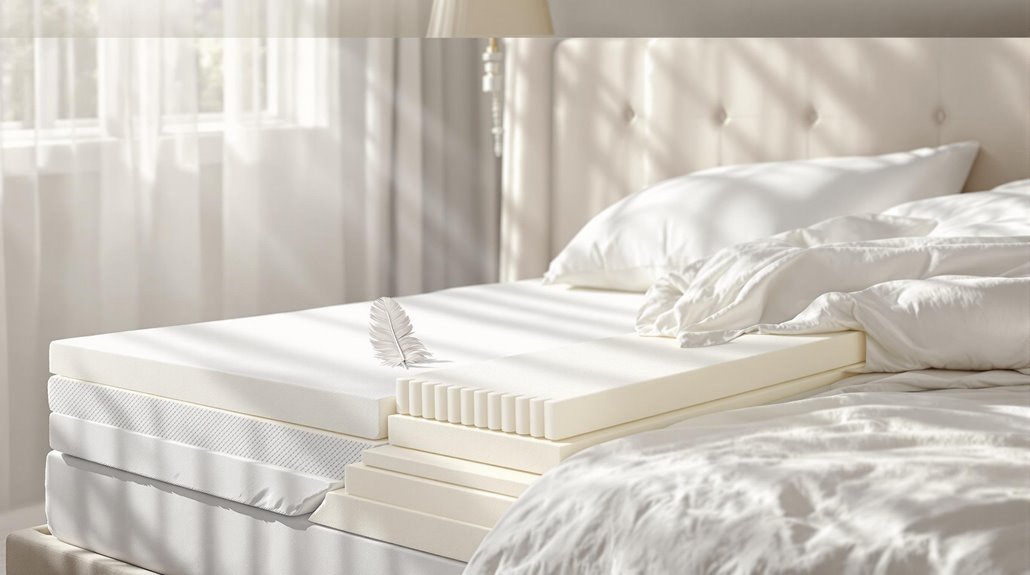
While broken springs signal obvious structural failure, foam deterioration can be equally problematic for your mattress's comfort and support. Over time, you'll notice your bed doesn't feel as comfortable as it once did, even if you can't immediately identify why. This happens because the foam layers in your mattress become compressed from nightly use, creating an uneven sleeping surface that no longer contours to your body properly.
You'll start to see visible indentations where you regularly sleep, forming valleys and peaks across your mattress's surface. These compressed areas won't bounce back to their original shape, leaving you with hard spots that disrupt your sleep. What's worse, when the foam layer between your body and the inner coils becomes compressed, you'll lose the vital buffering that provides proper support throughout the night.
If you're experiencing these issues with your mattress's foam layers, it's likely time to consider replacement. When foam loses its ability to provide consistent support and comfort, no amount of rotating or flipping will restore its original properties. Your mattresses need intact foam to maintain proper body support and assure restful sleep.
Addressing Hidden Bed Bug Infestations

Sleep disturbances can signal a hidden enemy lurking in your mattress - bed bugs. These unwanted guests are small, apple seed-sized insects that feast on your blood while you rest, compromising both your sleep quality and health and wellbeing. Unlike dust mites, bed bugs leave visible signs of their presence, including itchy red welts in linear patterns on your skin.
To protect yourself from these persistent pests, start by regularly inspect and clean your sleeping area. Look for telltale signs like shed skins and small dark spots in mattress seams and nearby furniture. While all mattress types can harbor bed bugs, you can take preventive measures by using a quality mattress protector designed specifically to repel these insects. This barrier not only helps in identifying issues early but also makes it harder for bed bugs to establish themselves in your bad mattress.
If you uncover an infestation, don't attempt to solve it alone. These resilient creatures require professional pest control intervention. The expert will treat your mattress, bed frame, and surrounding areas thoroughly, ensuring these unwanted visitors don't return to disturb your peaceful nights.
Age-Related Mattress Deterioration
Beyond pest concerns, your mattress faces another inevitable challenge: the passage of time. Even if you've invested in a quality mattress and maintained it well, age-related deterioration is unavoidable. Your mattress endures nightly compression from your body weight and body heat, gradually breaking down its internal structure over the years.
One of the most Common Mattress Problems is determining How Long Does a Mattress actually persist. While adding a mattress topper might temporarily mask issues, most mattresses need replacement after 7-10 years. During this time, your once-supportive bed accumulates millions of shed skin cells, creating an environment where bacteria thrive – up to 16 million per square inch after seven years. This isn't just about keeping your sleeping space clean; it's about your health.
Maintenance: Regularly inspect your mattress for signs of wear, including sagging spots and diminished support. If you're waking up with aches and pains, or your mattress shows visible dips, it's time to ponder replacement. To help your current mattress last longer, rotate it regularly and use a good mattress protector to minimize contamination from skin cells and moisture.
Identifying Poor Sleep Support

Signs of poor mattress support often reveal themselves through your body's daily signals. If you're waking up with aches and pains or struggling to find a comfortable position, your mattress might not be providing adequate pressure points relief for your body type and sleep needs. Pay attention to physical changes in your mattress, such as visible sagging or permanent body indentations, as these indicate compromised support.
Different Mattress Materials respond differently to wear and tear. Foam mattresses and Innerspring and Memory Foam options each have unique lifespans and support characteristics. If you're tossing and turning throughout the night, your mattress might be retaining too much heat, even with cooling gel technology or temperature control devices. Modern mattresses often incorporate these features to prevent overheating, but they can become less effective over time.
Finding the right mattress means addressing these support issues before they affect your good nights sleep. Watch for uneven surfaces, compressed areas, or worn-out spots, especially if your mattress is approaching the 7-10 year mark. These signs suggest it's time to evaluate whether your current mattress still meets your support needs.
Health Impacts of Bad Mattresses
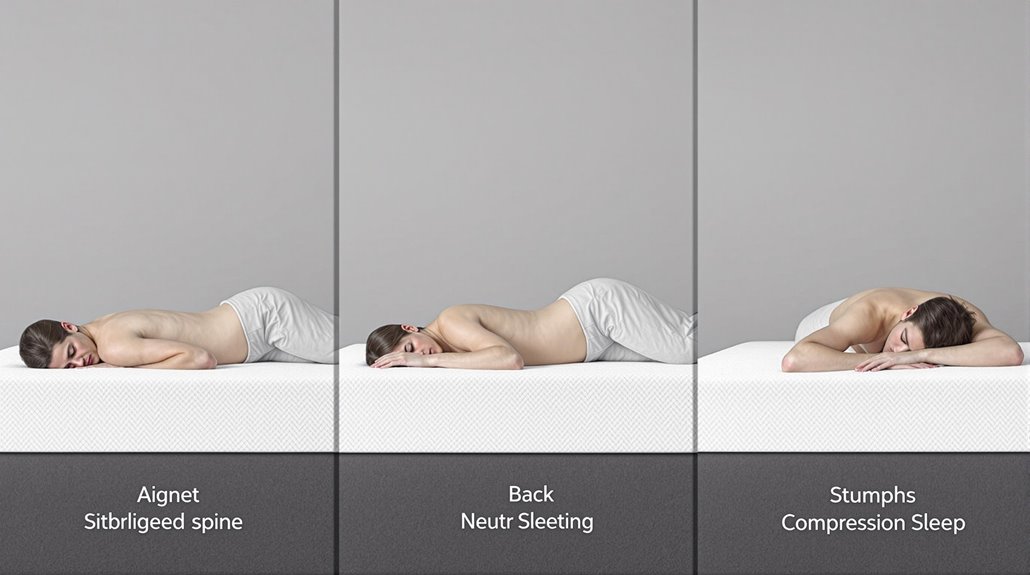
Poor mattress support doesn't just disrupt your comfort - it can trigger a cascade of health issues that affect your daily life. When you sleep on an inadequate mattress that doesn't provide proper support, your body can't maintain proper alignment, leading to both immediate and long-term health impacts.
Your sleep preferences and physical needs require a high-quality mattress that promotes healthy sleep patterns. Without adequate support and comfort, you'll likely experience these serious health consequences:
- Chronic back and neck pain from misalignment, which can worsen over time and affect your mobility
- Increased muscle tension and stiffness because your body can't fully relax, preventing you from getting quality sleep
- Heightened stress levels and mood changes due to poor sleep quality, making it harder to handle daily challenges
- Weakened immune system response when you don't wake up feeling refreshed, making you more susceptible to illness
If your mattress continues to cause discomfort and prevents restful sleep, consider replacing it. Remember that investing in a supportive mattress isn't just about comfort - it's essential for maintaining your overall physical and mental well-being.
Understanding Mattress Lifespan Factors
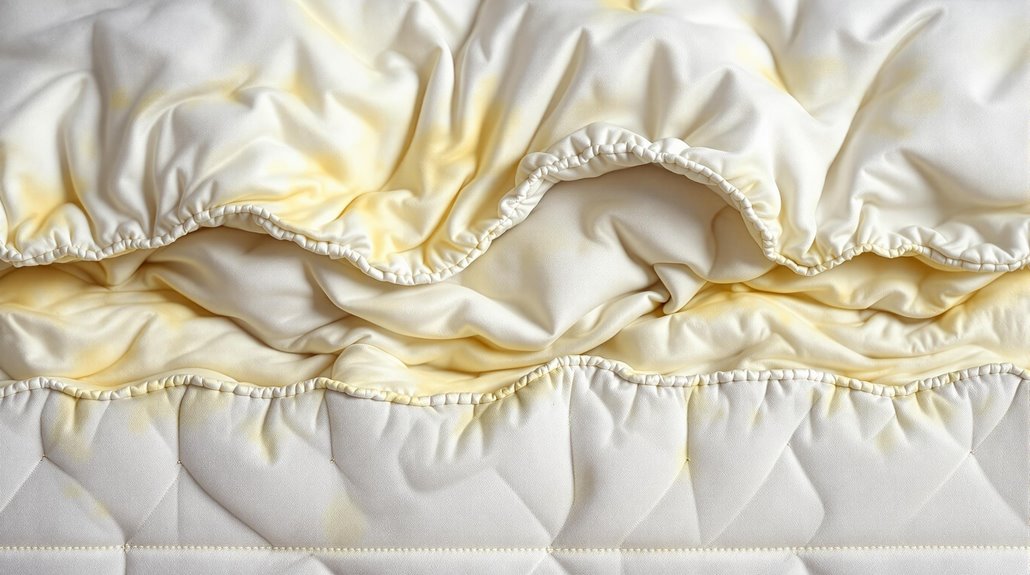
Many factors determine how long your mattress will serve you well, making it indispensable to understand what affects its lifespan. While the average mattress lifespan ranges from 7-10 years, your bed's durability largely depends on its construction materials and quality. Natural latex mattresses typically last the longest, but if you've chosen lower-quality foams or innersprings, you might need a replacement sooner.
Your mattress usage frequency and sleeper weight play pivotal roles in how quickly your bed deteriorates. If you're using your mattress daily or if multiple people sleep on it regularly, you'll likely notice wear and tear developing faster. However, proper mattress maintenance can help extend its life substantially. Regular mattress rotation and using a mattress protector aren't just suggestions - they're essential practices for preserving your bed's integrity.
Watch for structural issues that signal it's time for a replacement, regardless of your mattress's age. If you notice persistent sagging or permanent body indentations, these problems won't improve with time. Understanding these lifespan factors helps you make informed decisions about mattress care and replacement timing.
Quick Fixes for Mattress Issues
Everyone encounters mattress problems at some point, but you don't always need to rush out and buy a new bed right away. Before visiting Mattress Stores or worrying about how Much Does a Mattress cost, try these temporary solutions to extend your bed's life and improve your good nights rest.
Since you spend about a third of your life in bed, it is crucial to address common mattress issues promptly. Here are practical solutions for typical problems:
- If you're noticing indentations in the mattress or sagging, try adding a quality mattress topper to restore comfort while you plan for eventual replacement. Experiment with the Right Firmness Level using different toppers.
- When your bed retains too much heat, consider investing in Mattress Pads with cooling technology or a cooling mattress layer with gel-infused materials.
- For squeaky beds that disrupt sleep, install a noise-reducing mat or carpet under your bed frame to minimize disturbances.
- Deep indentations, visible lumps, or a mattress approaching 6-10 years old indicate it is time for replacement - temporary fixes won't provide long-term solutions in these cases.
Shopping for Your Next Mattress

When temporary fixes no longer solve your mattress problems, it's time to focus on finding your next bed. The key to a successful mattress purchase lies in thorough research of mattress brands, models, and materials that align with your specific sleep needs. Don't rely solely on online reviews; visit local stores to personally test different options.
While shopping, pay close attention to mattress comfort and support levels by spending adequate time lying on each potential choice. You'll want to consider essential factors like mattress size to guarantee it fits your space and mattress firmness that matches your sleep position and body type. Set a realistic mattress budget, but don't compromise quality for price – look for sales and promotional deals to get the best value.
Before making your final decision, carefully review the mattress warranty terms and return policies. These protect your investment and provide peace of mind. Remember to test your preferred mattress in-store for at least 10-15 minutes, trying different sleep positions to ensure it meets your comfort requirements. This hands-on approach helps prevent buyer's remorse and guarantees you'll find a mattress that serves you well for years to come.