Casper vs. Tulo: Which Mattress Is the Better Choice?
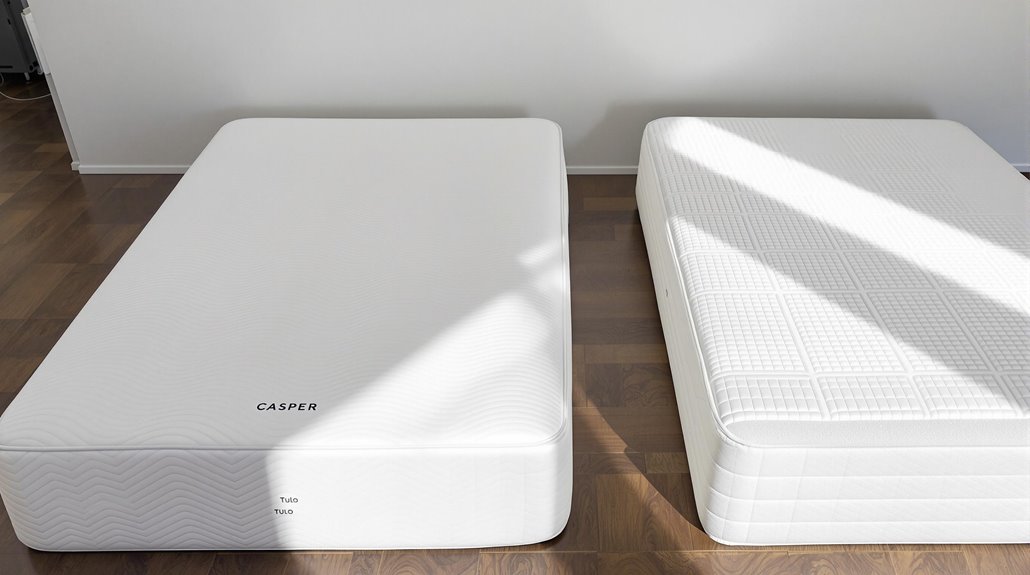
When choosing between Casper and Tulo, your decision should factor in your specific sleep needs and budget. Casper offers a trusted brand name and superior cooling technology but comes with a higher $1,095 price tag for a Queen. Tulo provides better value at $750 and uses higher-quality materials, plus you'll get three firmness options instead of Casper's one-size-fits-all approach. While Casper works well for average-weight sleepers who run hot, Tulo better serves heavier individuals and those who want firmness choices. Your ideal match depends on several key features that set these mattresses apart.
Brand History and Reputation
Since their emergence in the direct-to-consumer mattress market, Casper and Tulo have taken different paths to establish their brand identities. Founded in 2014, Casper quickly became a pioneer in the bed-in-a-box industry, revolutionizing how people shop for mattresses through its innovative foam design and direct shipping model. You'll find that Casper's reputation has grown steadily over the years, backed by their commitment to quality materials and exceptional customer service. Their expansion into physical retail stores and partnerships with major retailers has further solidified their position as a trusted mattress brand.
Tulo, launched in 2017 as part of the Mattress Firm family, has carved out its own niche in the market. While newer than Casper, Tulo's association with an established retailer has helped build credibility quickly. You'll appreciate that Tulo's focus on affordability and customization options has struck a chord with value-conscious shoppers. Their presence in Mattress Firm locations provides you with the advantage of trying their products in person before purchasing. Both brands have earned positive reviews from customers and industry experts, though Casper's longer history and broader market presence give it an edge in terms of brand recognition and established reputation.
Price and Value Comparison
Price tags reveal notable differences between these two mattress competitors. When you're comparing Casper and Tulo, you'll notice that the Casper Queen mattress comes in at $1,095, while Tulo offers its Queen size at a more affordable $750. This $345 difference is substantial, especially considering that Tulo actually uses higher quality materials in its construction.
If you're looking for value, Tulo emerges as the clear winner in this matchup. Not only does it provide comparable features to Casper, but it also matches the trial period and warranty coverage at a noticeably lower price point. To put this in perspective, even the Serta Perfect Sleeper Glenmoor Super Pillow Top Queen, priced at $975, costs less than the Casper model.
For budget-friendly shoppers who don't want to compromise on quality, Tulo's offering makes more financial sense. You're getting superior materials and similar benefits while keeping more money in your pocket. The combination of lower price and higher-grade components makes Tulo the more enticing choice when considering the overall value proposition between these two mattress options.
Firmness Options and Feel
When it comes to firmness options, Casper and Tulo take distinctly different approaches to meeting sleepers' needs. Casper offers a single, universal medium-firm feel that's designed to accommodate most sleep preferences. This balanced approach provides you with both pressure relief and support, adapting well to various sleeping positions.
Tulo, on the other hand, gives you more choices with three distinct firmness levels. If you're a stomach or back sleeper, particularly if you're on the heavier side, you'll find Tulo's firm option (rated 7.5-8 on the firmness scale) provides the sturdy support you need. The soft and medium options feature more conforming foam layers that work particularly well if you're a side sleeper or prefer more cushioning.
Choosing between these mattresses largely depends on your specific needs. If you're looking for a versatile, middle-ground solution, Casper's medium-firm feel might be your best bet. However, if you have more specific firmness preferences or sleep requirements, Tulo's range of options allows you to select a mattress that precisely matches your desired level of support and pressure relief.
Construction and Materials
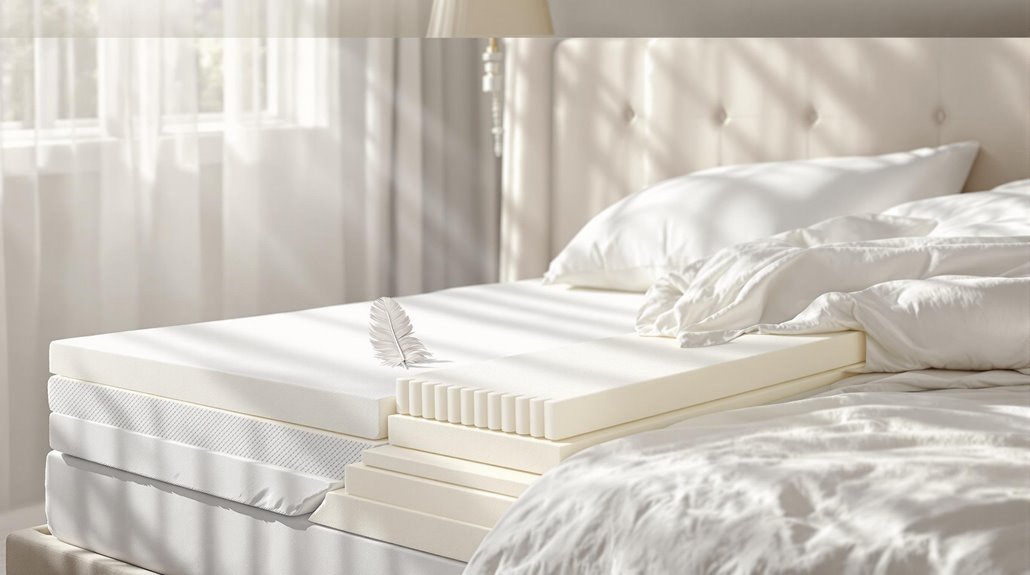
Both Casper and Tulo mattresses achieve their comfort levels through sophisticated 4-layer foam designs. When you look at their construction, you'll find that both brands have positioned themselves among the best memory foam mattresses on the market by using high-quality, durable materials.
Casper's supportive design features a responsive top layer followed by memory foam that excels at pressure relief. The mattress blends three foam layers beneath its breathable cover, with the standout feature being its innovative Zoned Support system that helps maintain proper spinal alignment while you sleep.
Tulo's construction starts with cooling memory foam on top, which helps regulate temperature throughout the night. Like Casper, it incorporates multiple foam layers to create a balanced feel, though Tulo's manufacturing takes place in the United States. What sets Tulo apart is how its construction adapts to deliver three distinct comfort levels - firm, medium, and soft - while maintaining consistent quality across all options. Both mattresses effectively minimize motion transfer through their foam construction, though you might find Tulo slightly more effective in this aspect.
Temperature Control Performance

Managing temperature throughout the night plays a crucial role in sleep quality, and these two mattresses take different approaches to keeping you cool. Casper's design incorporates multiple cooling features that work together effectively. You'll find an open-cell foam layer that actively draws heat away from your body while you sleep, complemented by a breathable woven cover that enhances airflow throughout the mattress. The firm construction further promotes better temperature regulation by preventing excessive sinking.
While Tulo also offers cooling capabilities through its memory foam layer that helps with heat dissipation, it doesn't quite match Casper's extensive approach to temperature control. You might notice that Tulo's cooling performance, though adequate for many sleepers, falls slightly short when compared to Casper's more advanced features. If you're particularly sensitive to heat or tend to sleep hot, this difference could impact your comfort level throughout the night.
Both mattresses will help you maintain a comfortable sleeping temperature, but Casper's superior cooling technology and better airflow make it the stronger choice for temperature regulation, especially if you're concerned about overheating during sleep.
Motion Transfer Analysis
Light sleepers and couples sharing a bed will appreciate how effectively both Casper and Tulo handle motion transfer. These mattresses excel at minimizing movement disturbance, thanks to their advanced foam construction that absorbs motion at its source. You'll find that when your partner moves or gets up during the night, you're less likely to feel the disruption.
Casper's memory foam layers deliver excellent motion isolation while maintaining a supportive feel. The mattress's design guarantees that movement doesn't ripple across the surface, making it an ideal choice for couples who have different sleep schedules or tend to toss and turn.
Tulo takes motion isolation a step further with its targeted pressure relief system and adaptive foam layers. Independent testing reveals that Tulo somewhat edges out Casper in motion transfer performance, meaning you'll experience even less partner disturbance throughout the night. Both mattresses vastly outperform traditional innerspring designs, but if motion isolation is your top priority, you'll want to lean toward Tulo. The difference isn't dramatic, but it could make a noticeable impact on your sleep quality if you're particularly sensitive to movement.
Edge Support Assessment
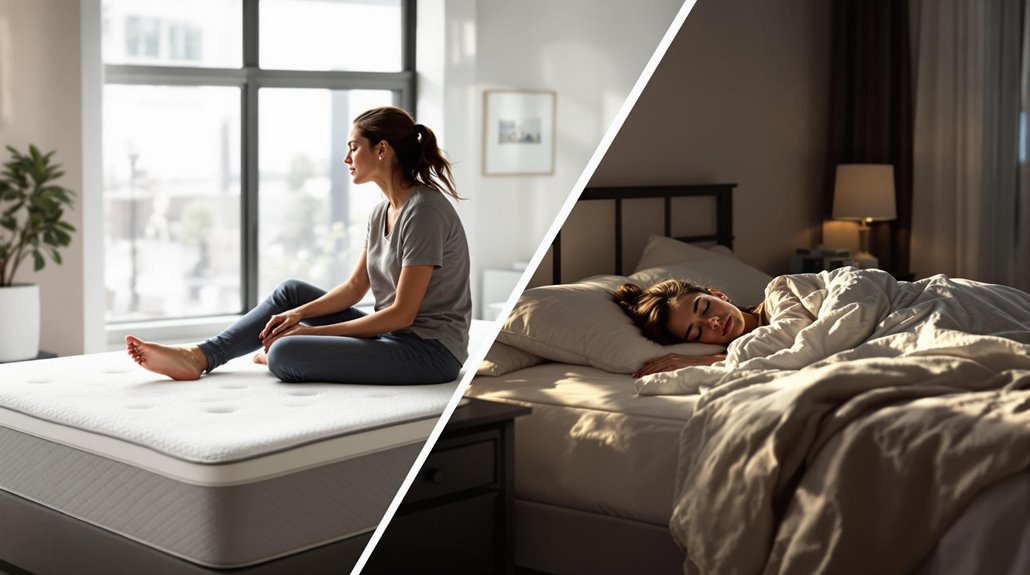
Examining edge support reveals notable differences between Casper and Tulo, especially when it comes to sitting or sleeping near the mattress perimeter. While Casper offers adequate edge support typical of all-foam mattresses, it doesn't quite match the stability you'd find in traditional innerspring models. You'll find it's sufficient for sleeping but may feel less secure when you're sitting on the edge.
Tulo takes the lead in this category, particularly with its firm option. You won't notice any difference in feel between the middle and edges of a Tulo mattress, making it a more consistent surface across the entire bed. This enhanced edge support makes Tulo a better choice if you're a heavier individual or if you frequently sit or sleep near the mattress perimeter.
While both mattresses provide enough edge support for most sleeping situations, your specific needs should guide your choice. If you're a lighter sleeper, Casper's edge support will likely meet your needs. However, if you prioritize maximum edge stability or you're looking for firmness that matches innerspring mattresses, Tulo's firm option would be your better choice.
Sleep Position Compatibility
Beyond edge support considerations, your preferred sleep position plays a major role in determining which mattress will serve you best. When comparing Casper and Tulo, you'll find significant differences in how they accommodate various sleeping positions.
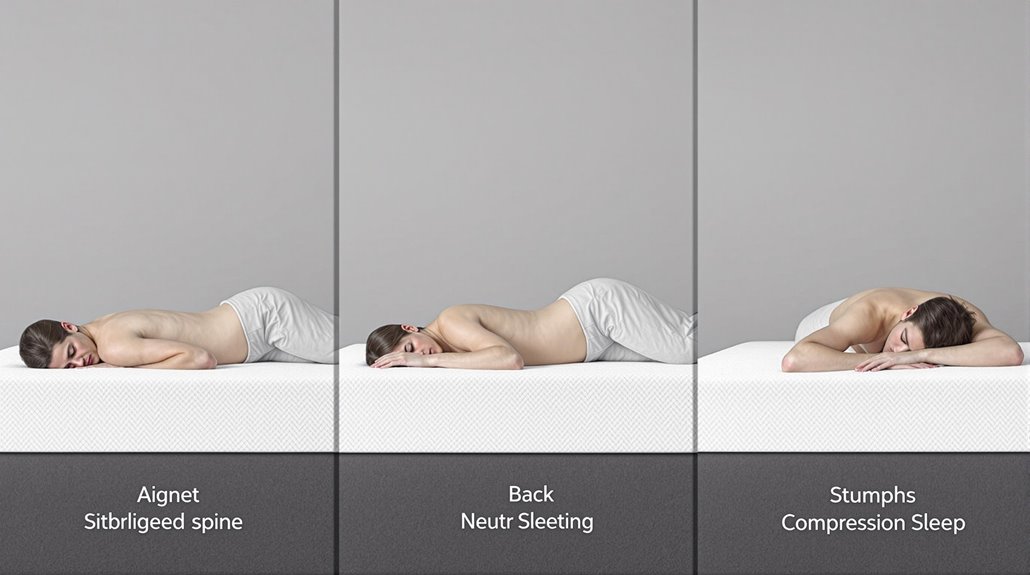
Casper's Zoned Support system works particularly well if you're a side sleeper or back sleeper. However, if you're a stomach sleeper or weigh over 200 pounds, you might find Casper's medium firmness inadequate for your needs. The mattress may not provide enough support to maintain proper spinal alignment in these cases.
Tulo offers more versatility through its range of firmness options. If you're a side sleeper who prefers a softer feel, you can opt for Tulo's soft version. Back sleepers might find the medium option ideal, while stomach sleepers and heavier individuals will benefit from the firm model, which prevents excessive sinkage. This variety makes Tulo more adaptable to different sleeping positions and body types.
When it comes to sleep position compatibility, Tulo's customizable approach gives it an edge over Casper, especially if you're unsure about your exact firmness preferences or share the bed with someone who has different sleeping habits.
Weight Capacity Differences
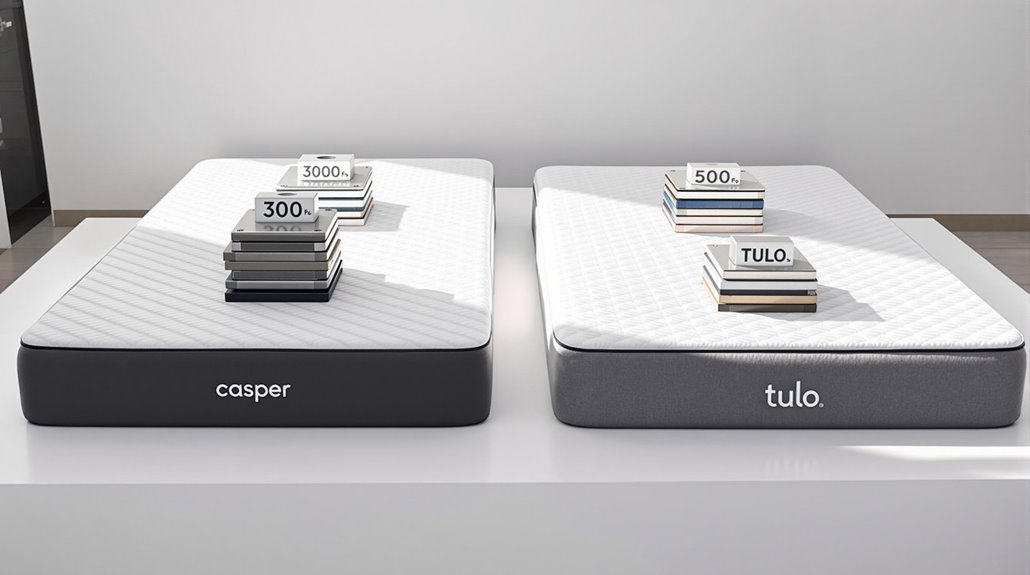
Understanding weight capacity differences between Casper and Tulo reveals essential factors for making an informed choice. If you're a lightweight or average-weight sleeper under 230 pounds, you'll find the Casper mattress provides adequate support with its medium-firm feel. However, if you exceed 200 pounds, you'll want to consider the Tulo mattress instead.
The Tulo mattress stands out with its higher weight capacity and versatile firmness options. You'll particularly appreciate its firm model if you're a heavier sleeper, as it delivers the enhanced support needed to maintain proper spinal alignment. The mattress's construction specifically caters to those exceeding 200 pounds, preventing the sagging issues you might experience with the Casper.
While both mattresses serve their purpose well, your weight should profoundly influence your decision. If you're over 200 pounds, Tulo's three firmness levels, especially its firm option, will provide the substantial support your body needs. The Casper's weight capacity limitations make it less suitable for heavier individuals, potentially compromising your sleep quality and comfort over time.
Trial Period and Returns
Testing out a mattress thoroughly before committing is essential for long-term satisfaction, and both Casper and Tulo offer generous trial periods to help you make the right choice. While both companies provide hassle-free return policies, there are some notable differences you'll want to ponder.
Tulo edges out Casper with their extended 120-night trial period compared to Casper's 100 nights. However, you'll need to weigh these key differences:
- Casper requires you to test the mattress for at least 30 nights before initiating a return, ensuring you give your body adequate time to adjust
- Tulo has no minimum trial requirement, allowing you to return the mattress at any point during the 120-night period
- Casper offers completely free returns with a full refund, while Tulo deducts a $100 shipping fee from your refund
If you're someone who needs extra time to decide, Tulo's longer trial period might be more appealing. However, if you want the security of a completely free return with no deductions, Casper's return policy could be the better choice. Both companies make the return process straightforward, so you can shop with confidence knowing you're not locked into your decision.
Warranty Coverage Details
After deciding on your trial period preferences, you'll want to examine the long-term protection each mattress offers. Both Casper and Tulo provide 10-year warranties, but there are notable differences in their coverage terms.
Casper's limited warranty is non-prorated, which means you won't have to pay anything if your mattress has a qualifying defect during the warranty period. Their coverage focuses specifically on defects in materials and workmanship. If you identify a covered defect, Casper will replace your entire mattress at no additional cost.
Tulo's warranty structure is different. While they offer full replacement coverage for issues like sagging greater than 1 inch, their warranty is prorated after the first year. This means you'll need to pay a percentage of the original purchase price if you need a replacement after year one.
Both companies require you to use their mattresses with proper foundations, and neither warranty covers damage from misuse or abuse. When comparing the two, Casper's non-prorated warranty provides more straightforward coverage since you won't face additional costs for replacements throughout the entire 10-year period.
Pressure Point Relief
When it comes to pressure point relief, both Casper and Tulo have engineered their mattresses with specialized foam layers to prevent discomfort in key areas like shoulders, hips, and lower back. Casper's innovative Zoned Support system strategically varies firmness levels, providing softer support for your shoulders while maintaining firmer support for your hips and lumbar region.
- Casper's medium firmness level works well for most sleeping positions, with adaptive foam that responds to your body's unique pressure points
- Tulo's customizable approach offers three firmness options, allowing you to choose the perfect level of support for your specific needs
- Both mattresses feature comfort layers that effectively contour to your body's curves, promoting proper spinal alignment
User experiences confirm that both brands excel at pressure relief across all sleeping positions. Tulo's comfort layers actively work to distribute your weight evenly, while Casper's targeted support zones help maintain suitable body positioning throughout the night. The adaptive foam technology in both mattresses guarantees you won't experience uncomfortable pressure build-up, making either choice effective for addressing common pressure point concerns. Whether you prefer Casper's unified approach or Tulo's customizable options, you'll find reliable pressure relief with either mattress.
Durability and Longevity
While Tulo offers a decent mattress option, it can't match the long-term durability that Casper provides. If you're looking for a mattress that will maintain its shape and support for years to come, Casper's combination of high-density foams and superior construction makes it the more reliable choice for lasting comfort and support.
Shipping and Delivery Options
Both Casper and Tulo understand the importance of convenient delivery, offering similar bed-in-a-box solutions for their customers. You'll recognize your Casper by its distinctive blue and white box, while Tulo arrives in an orange and white design. Like other popular choices such as Leesa, both mattresses weigh around 85 pounds, so you'll want to have an extra set of hands ready for setup.
The unboxing process is straightforward for both cooling mattress options, involving three main steps:
- Remove the compressed mattress from its shipping box
- Carefully cut away the plastic wrapping
- Allow 12-24 hours for full expansion before sleeping on your new bed
When it comes to off-gassing, you'll notice a slight smell with the Casper mattress, which you can minimize by opening a window during the expansion period. Tulo has a slight advantage here, with minimal off-gassing due to its US manufacturing process. Both brands recommend giving your mattress adequate time to expand and air out, particularly if you're sensitive to new material smells.
Off-Gassing and Setup Time
A mattress's initial off-gassing period can impact your first night's sleep experience. When comparing Casper and Tulo, you'll find differences in their off-gassing intensity and recommended setup time. Casper produces a noticeable odor that takes 12-24 hours to dissipate, while Tulo has minimal off-gassing and becomes usable after just 12 hours of breathing time.
The setup process is similar for both mattresses. You'll need to unbox them and remove the plastic wrapping to begin the expansion process. Since both Casper and Tulo weigh approximately 85 pounds, you'll want to have someone help you with the unboxing process to make it easier and safer.
If you're setting up a Casper mattress, you can accelerate the off-gassing process by opening a window in your bedroom. For Tulo users who are particularly sensitive to odors, it's recommended to let the mattress breathe for the full 12-hour period before sleeping on it. This waiting period guarantees you'll have the most comfortable first-night experience, free from any unwanted smells.