Why Your Mattress Might Be Causing Back Pain

Your mattress might be causing back pain if it's not providing proper spinal support during sleep. When your mattress sags, is too soft, or too firm, it fails to maintain your spine's natural alignment, leading to muscle strain and discomfort. You'll notice this especially if you wake up stiff and sore but feel better as the day progresses. Your sleeping position plays a pivotal role too - side sleepers need different support than back or stomach sleepers. If your mattress is over 7-10 years old or shows visible sagging, it's likely contributing to your pain. Understanding the connection between your mattress and back health can help you find lasting relief.
Understanding Mattress Support and Pain
Sleep quality and spinal alignment go hand in hand. When your mattress doesn't provide proper support, you'll likely experience discomfort and potential lower back pain. Your spine needs to maintain its natural curve during sleep, and the right mattress support plays an essential role in achieving this balance.
Different firmness levels affect your lumbar spine differently. If you're waking up with stiffness or pain, your mattress might not be supporting your body correctly. A mattress that's too soft can cause your spine to sink, while one that's too firm may create pressure points and force your spine out of alignment.
Your sleeping position also influences how your mattress supports your body. Side sleepers need adequate cushioning for their shoulders and hips, while back sleepers require even support to maintain proper spinal alignment. When your mattress fails to accommodate your preferred sleeping position, it can lead to chronic discomfort and poor sleep quality.
To determine if your mattress is the culprit, pay attention to when your pain occurs. If you wake up with pain that improves as the day progresses, your mattress might be the source of your problems.
Morning Stiffness and Your Mattress
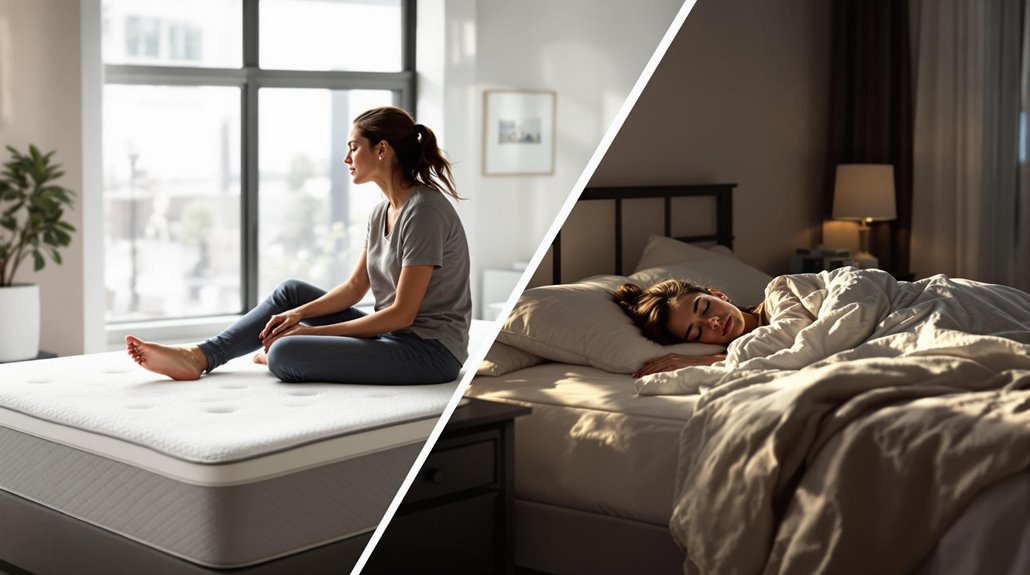
Morning stiffness serves as a clear indicator that your mattress isn't meeting your body's needs. When you wake up feeling sore and stiff, it's often a direct result of your mattress failing to provide proper support during sleep. Your body needs balanced support to maintain healthy spinal alignment throughout the night.
If you're experiencing back pain and stiffness when you get out of bed, your mattress might be either too soft or too firm. A mattress that's too soft will allow your body to sink excessively, throwing your spine out of alignment and straining your back muscles. Conversely, an overly firm mattress won't let your body relax naturally, creating pressure points and muscle tension that lead to morning discomfort.
The key to avoiding mattress-causing back pain is finding a supportive mattress that maintains proper spinal alignment while you sleep. If you consistently wake up with stiffness that takes time to work out, it's a strong sign that you need a new mattress. A quality mattress should allow your body to rest in a neutral position, helping you wake up feeling refreshed rather than stiff and sore.
Signs of Mattress-Related Back Issues
Throughout the day, your back pain patterns can reveal whether your mattress is the culprit behind your discomfort. If you're experiencing pain when you wake that gradually improves as the day progresses, your mattress likely isn't providing adequate support for your spine. A mattress causing back pain often manifests in specific ways that you shouldn't ignore.
Watch for these telltale signs that your mattress is behind your aching back:
- You wake up with a sore back that takes more than 30 minutes to loosen up
- You find yourself tossing and turning, trying to find a comfortable position that doesn't cause discomfort
- You notice visible sagging or dips in your mattress where you typically sleep
- Your back feels better when you sleep on other beds, like in hotels or at friends' homes
Spine misalignment from a poor mattress can lead to chronic issues if left unaddressed. If you're experiencing these symptoms, pay attention to how your body feels throughout the day. When your morning back pain gradually subsides after getting up and moving around, it's a strong indication that your mattress isn't providing the support your spine needs.
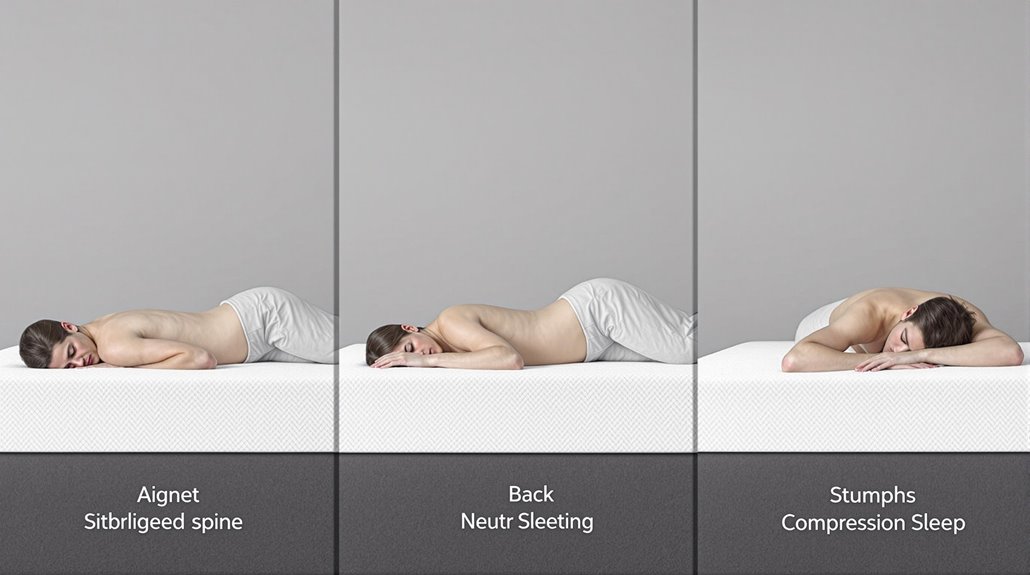
Sleep Position and Spinal Alignment
For ideal back health, your sleep position plays a pivotal role in maintaining proper spinal alignment. The way you position yourself during sleep directly impacts how well your spine maintains its natural curve, and choosing the wrong mattress for your sleeping position can lead to chronic back pain over time.
If you're a side sleeper, you'll need a mattress that adapts to your body contours while supporting the natural curves of your spine. Your mattress should allow your shoulders and hips to sink slightly while keeping your spine aligned. This balance prevents unnecessary strain on your back muscles.
For back and stomach sleepers, mattress firmness becomes particularly essential. You'll need a firmer surface that maintains a neutral spine position throughout the night. Without proper mattress support, your midsection might sink too deeply, creating an unnatural curve in your spine that can result in morning back pain.
Remember that your sleeping position and mattress work together as a system. If you're experiencing persistent back discomfort, evaluate both your preferred sleep position and whether your mattress provides the appropriate support for that position. Making adjustments to either factor could markedly improve your spinal alignment and reduce back pain.
When to Replace Your Mattress
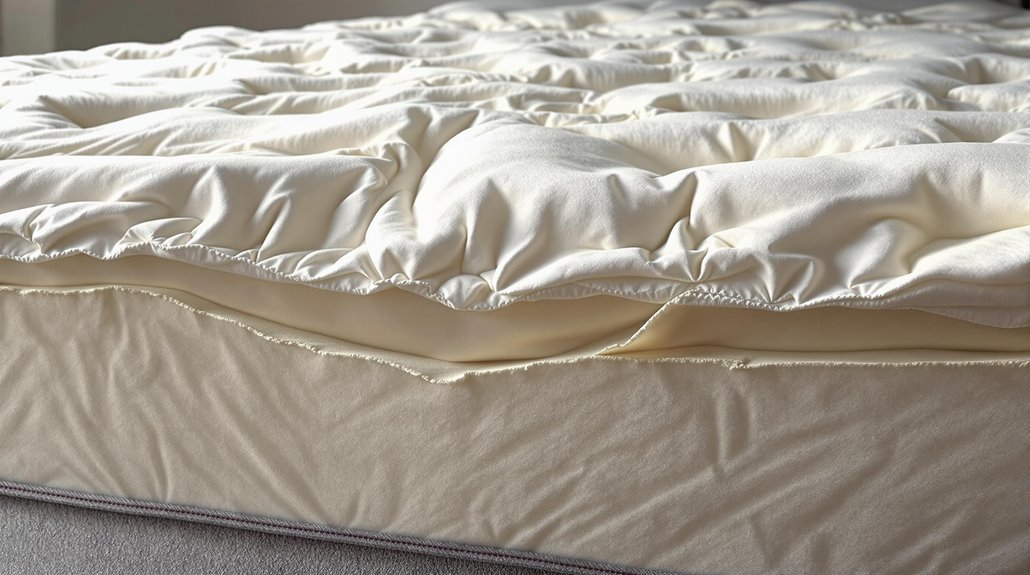
Regular mattress replacement stands as a pivotal yet often overlooked factor in preventing back pain. If you're experiencing new or worsening back pain without any apparent cause, your mattress is too old might be the culprit. Most sleep experts agree that you should replace your mattress every 7-10 years, as an aging mattress can cause significant discomfort and interfere with proper spinal alignment.
When evaluating if it's time to replace your mattress, watch for these telling signs:
- You wake up with pain every morning, feeling stiff and unrested
- Your mattress shows visible sagging or indentations where you typically sleep
- You notice squeaking sounds or feel springs poking through the surface
- You sleep better at hotels or on other beds than your own
If you're noticing these signs that your mattress is past its prime, don't delay replacement. A worn-out mattress doesn't just affect your sleep quality; it can lead to chronic back issues that may persist even during your waking hours. Investing in a new, supportive mattress might seem costly initially, but it's a strategic investment in your spinal health and overall well-being.
Common Mattress Problems to Watch
Being alert to specific mattress issues can help you identify problems before they severely impact your back health. When your mattress starts to sag in the middle, it fails to maintain proper spinal alignment, which can lead to persistent back pain. You'll notice this problem when you feel like you're sleeping in a crater or rolling toward the center of the bed.
Pay attention to how your mattress provides support throughout the night. If you're tossing and turning to find a comfortable position, your mattress might be either too firm or too soft for your needs. Both extremes can strain your back and interrupt your sleep quality. Watch for signs that you're waking up frequently during the night or feeling unrested in the morning, as these often indicate your mattress isn't providing adequate support.
Older mattresses are particularly prone to developing problems. Once your mattress passes the seven-year mark, it typically begins losing its ability to support your body properly. If you notice visible dips, lumps, or worn areas, these physical changes signal that your mattress can no longer maintain the consistent support needed for healthy sleep and pain-free mornings.
Proper Mattress Selection for Relief
When it comes to finding relief from back pain, selecting the right mattress involves understanding both your body's needs and the available mattress technologies. A good mattress should provide targeted support while maintaining comfort throughout your sleep cycle.
To find your ideal mattress match, consider taking an online mattress quiz that evaluates:
- Your primary sleep position and how it affects spinal alignment
- Your body type and specific pressure points that need relief
- Any existing back pain or joint discomfort you experience
- Your preference for mattress feel and temperature regulation
The new generation of hybrid latex and memory foam mattresses offers excellent support for back pain relief. For instance, the Saatva Classic's active wire technology provides targeted lumbar support, while their Loom & Leaf and Zenhaven options cater to specific comfort preferences. When you're shopping for a new mattress, focus on medium-firm options that combine resilient core materials with pressure-relieving surface layers. Remember, proper support doesn't mean sacrificing comfort – today's mattress technologies can deliver both. Look for quality materials that are both eco-friendly and durable, ensuring your investment in better sleep and back pain relief lasts for years to come.
Testing Your Mattress Quality
A simple at-home test can reveal if your mattress is contributing to your back pain. Lie flat on your back for several minutes and pay attention to how your mattress feels against your body. Notice if there are gaps between your low back and the mattress surface, or if certain areas sink too deeply. Your spine should maintain its natural curve while lying down.
Next, stay in one position for about 15 minutes. If you find yourself needing to toss and turn frequently to find comfort and support, your mattress may not be providing adequate support where you need it. Quality sleep requires proper spinal alignment throughout the night, and constant repositioning is one of the tell-tale signs of a failing mattress.
Check for visible sagging by running your hands across the surface. If you notice dips deeper than 1-2 inches, particularly in areas where you regularly sleep, it's time to evaluate the need for a replacement. Also, if you wake up feeling more stiff and sore than when you went to bed, your mattress may have lost its ability to provide balanced support. Remember, most mattresses need replacement every 7-10 years, depending on use and quality.
Firmness Levels and Back Health
The right mattress firmness plays a central role in preventing and alleviating back pain. When you sleep on a mattress that's too soft, your body sinks excessively, throwing your spine out of alignment and potentially leading to chronic pain. Conversely, an overly firm mattress can create uncomfortable pressure points and prevent proper body contouring, which also disrupts spinal alignment.
The ideal mattress for most people is medium-firm, offering the perfect balance of support and comfort. This firmness level helps maintain proper spinal alignment while accommodating different sleeping positions. Consider these signs that your mattress firmness might be causing back pain:
- Waking up with stiffness or soreness in your lower back
- Feeling like you're sinking too deeply into the mattress
- Experiencing pressure points on your shoulders or hips
- Tossing and turning frequently to find a comfortable position
Your body type and preferred sleeping position considerably influence the ideal firmness level for your mattress. If you're experiencing persistent back pain, evaluating your mattress's firmness could be the first step toward better sleep and reduced discomfort.
Partner Movement and Sleep Quality
Partner disturbances can substantially impact your sleep quality and potentially worsen back pain. When your partner keeps Turning All Night, their movements can transfer through your current mattress, disrupting your essential rest and potentially aggravating sensitive ball and socket joints in your spine and hips.
If you're searching for a mattress for back pain, you'll need to pay close attention to how it handles partner movement and sleep quality. Memory foam mattresses often excel at minimizing motion transfer, allowing you to remain undisturbed even when your partner changes their sleep position. However, if you and your partner have different comfort preferences, you might want to examine a split king or adjustable bed that can accommodate both your needs.
Your mattress should support individual sleeping styles while preventing movement-related disruptions. Many modern mattresses offer customizable firmness levels on each side, ensuring both partners can maintain proper spinal alignment. This dual-comfort approach helps reduce tossing and turning, leading to better sleep quality and decreased likelihood of developing or worsening back pain from poor sleep posture or constant disturbance.
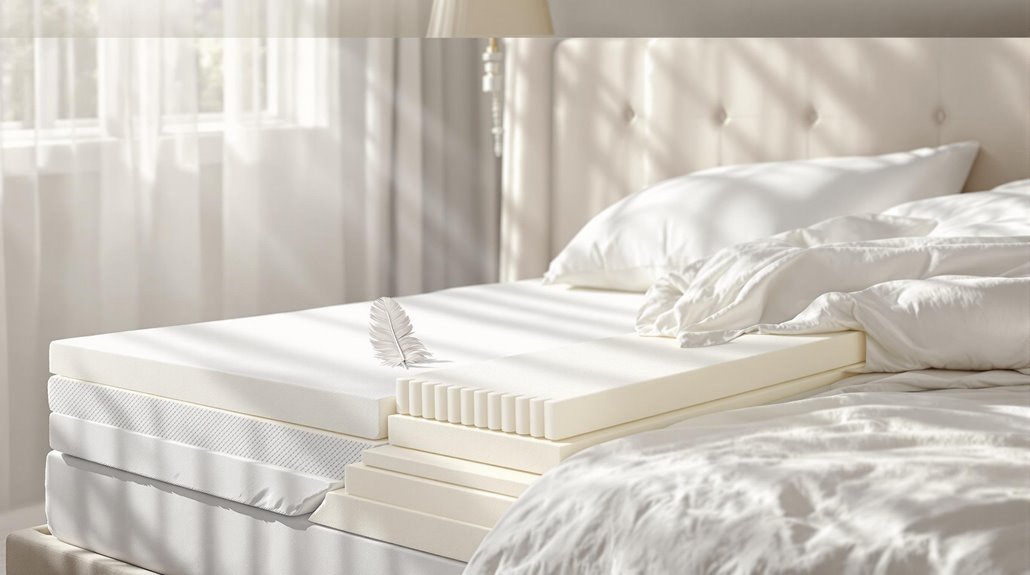
Mattress Materials Matter
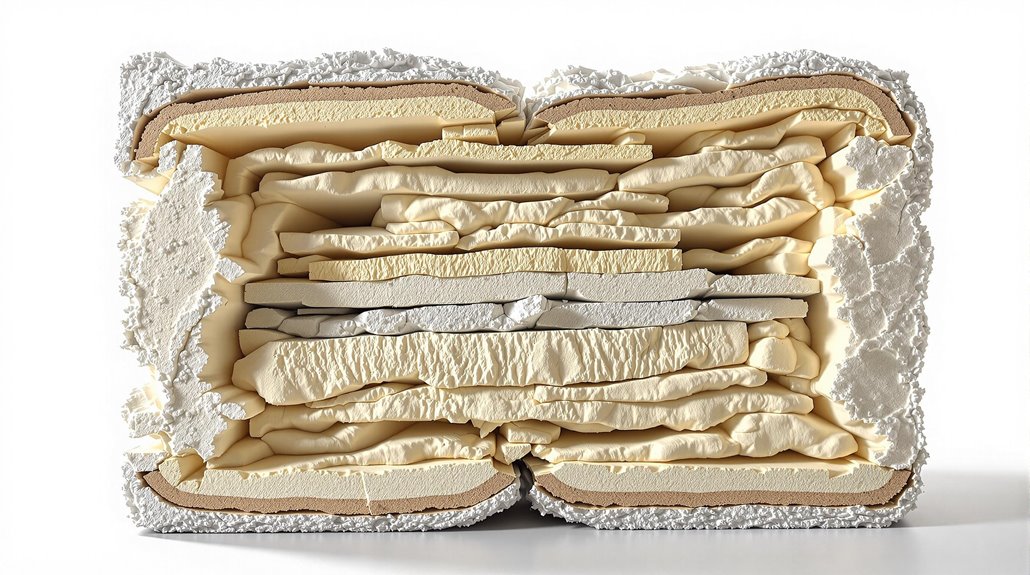
Material selection forms the foundation of how your mattress supports your back and manages pain. If you're experiencing back pain, your mattress materials could be the culprit. Different materials offer varying levels of mattress support and pain relief, making your choice vital for optimal sleep quality.
Consider these key mattress materials and their impact on your spine:
- Innerspring coils provide essential support through individually wrapped springs that respond to your body's movements and help maintain proper spinal alignment
- Memory foam contours closely to your body's curves, though it may retain heat and slow down position changes during sleep
- Natural latex delivers a responsive, cooling surface that combines pressure relief with excellent support for your back
- Hybrid mattresses blend the best qualities of coils and foam layers for comprehensive support
When you're shopping for a new mattress, pay close attention to these material combinations. A mattress causing back pain often lacks the right balance of support and comfort. If you're waking up with stiffness or discomfort, it's time to evaluate your mattress materials. The right combination can greatly improve your sleep quality and reduce back pain.
Pressure Points While Sleeping
Pressure points can turn a good night's sleep into hours of tossing and turning. When your mattress doesn't provide the support you need, it creates uncomfortable pressure on sensitive areas of your body, particularly your shoulders, hips, and lower back. This uneven distribution of weight can lead to chronic back pain and prevent you from maintaining a neutral position while sleeping.
To find the right mattress that meets your body needs, you'll need to examine the delicate balance between softness and firmness. If your mattress is too soft, you'll sink too deeply, creating pressure on your shoulders and hips. On the other hand, an overly firm mattress can put excessive stress on your spine, especially in the lumbar region.
The key to good sleep lies in choosing a mattress that properly aligns your spine while relieving pressure points. Your ideal mattress should contour to your body's natural curves without causing any single area to bear too much weight. When you find this sweet spot between comfort and support, you'll notice a significant reduction in pressure-related discomfort and wake up feeling more refreshed.
Edge Support and Spine Health
Edge support plays an essential role in maintaining your spine's natural alignment throughout the night. When your mattress lacks proper edge reinforcement, you'll likely experience discomfort and potential back pain due to poor spinal positioning while you sleep.
Your mattress's edge structure directly impacts your rest quality in several ways:
- You might feel like you're rolling off the bed when sitting or lying near the edges
- Your spine may twist unnaturally as you move toward the mattress perimeter
- The lack of support forces your body to compensate, creating muscle tension
- Your sleep position becomes compromised as you subconsciously avoid the edges
If you're noticing these signs, your mattress's edge support may be deteriorating, signaling it's time for a replacement. A mattress with strong edge support provides stability across the entire surface, allowing you to leverage the full sleeping area without compromising your spinal alignment. This enhanced support system guarantees you maintain proper posture throughout the night, reducing the risk of developing or aggravating back pain. When shopping for a new mattress, prioritize models with reinforced edges to promote better sleep quality and protect your spine's natural curve.
Sleep Temperature and Back Comfort
Temperature plays a far bigger role in back comfort than many people realize. When you're sweaty and uncomfortable during sleep, your muscles tend to tense up, which can affect your spinal alignment and lead to back pain. Since sleep is an essential part of your body's recovery process, maintaining the right temperature is indispensable to keep your spine properly supported throughout the night.
If your mattress is likely retaining too much heat, you'll find yourself tossing and turning, preventing your muscles from fully relaxing. This tension can carry throughout the day, resulting in back pain that affects your daily activities. The ideal sleeping temperature ranges between 65-70°F, and your mattress should help maintain this comfortable range rather than work against it.
A good mattress with temperature-regulating properties and breathable materials will promote better airflow and help disperse body heat. Without proper cooling features, your mattress may trap heat and create an environment that's too warm for restorative sleep. By choosing a mattress with effective cooling technology, you'll create perfect conditions for your back muscles to recover and maintain proper alignment while you rest.
Evaluating Your Sleep Surface

On your path to identifying mattress-related back pain, evaluating your sleep surface requires attention to specific warning signs. If you're experiencing mid or lower back pain, or find yourself tossing and turning throughout the night, your mattress needs assessment. One clear indicator that your mattress is the culprit is when you notice less discomfort while sleeping away from home.
Your current mattress might be causing issues if you notice:
- Deep body impressions that don't bounce back when you move
- Visible sagging in the center or edges of the mattress
- Squeaking or creaking sounds when you shift positions
- Shoulder or hip pain that's worse in the morning
Pay attention to how you feel upon waking. If you need to stretch extensively to relieve lower back stiffness or find yourself constantly changing positions to get comfortable, these are red flags. Even a New Mattress Causing discomfort could indicate an improper match for your sleeping style or body type. Remember that a supportive mattress should maintain proper spinal alignment while providing adequate comfort for your preferred sleeping position.