Understanding Sleep Disorders in Children: Signs and Treatments
Sleep disorders affect up to half of all children, with symptoms ranging from difficulty falling asleep to unusual nighttime behaviors. You'll notice signs like excessive daytime sleepiness, irritability, or breathing difficulties during sleep. Common disorders include obstructive sleep apnea, parasomnias (like sleepwalking), and behavioral insomnia. These issues can impact your child's academic performance, behavior, and physical health. Treatment options vary from establishing bedtime routines to medical interventions like CPAP therapy or surgery, depending on the specific disorder. If you spot concerning sleep patterns, consult a pediatrician who can guide you through proper diagnosis and create an effective treatment plan. Let's investigate how you can help your child get the restful sleep they need.
Common Types of Sleep Disorders
Parents and healthcare providers frequently encounter several distinct sleep disorders in children, each presenting unique challenges and treatment approaches. One of the most concerning conditions is obstructive sleep apnea, affecting 1-5% of children, primarily due to enlarged tonsils and adenoids. If you notice your child experiencing breathing difficulties during sleep, it's vital to seek medical attention, as untreated sleep apnea can lead to behavioral and attention problems.
Parasomnias, including sleepwalking and night terrors, are another common category of sleep disorders in children. While these episodes can be alarming, they typically resolve by adolescence. You'll need to focus on ensuring your child's safety during these events. Behavioral insomnia presents challenges in falling or staying asleep, which you can address through consistent sleep hygiene practices and extinction techniques. For adolescents, delayed sleep phase disorder often disrupts normal sleep patterns, requiring structured schedules and possibly melatonin supplementation. Restless legs syndrome, though less common, may indicate underlying iron deficiency and requires specific management strategies. If you notice persistent sleep issues in your child, consult a healthcare provider for proper diagnosis and treatment planning.
Signs Your Child Needs Help
Five key warning signs can alert you to potential sleep disorders in your child. If you notice your child having difficulty falling asleep, experiencing excessive daytime sleepiness, or displaying unusual sleep behaviors, these could indicate an underlying sleep disorder. Pay attention to signs of sleep-disordered breathing, such as snoring or breathing difficulties, which may suggest obstructive sleep apnea.
Watch for behavioral changes like irritability or hyperactivity during the day, as these can stem from poor sleep quality. Bedwetting and sleep talking, while common in young children, may signal sleep disorders when persistent. If your child frequently wakes during the night or adopts unusual sleep positions to breathe better, don't ignore these signs.
You should also monitor for symptoms of restless leg syndrome, including frequent leg movements and restlessness at bedtime. Even with an appropriate sleep environment, these issues may persist. If your child shows any of these warning signs, especially if they affect daily functioning, learning, or development, it's essential to seek professional help. Early intervention can prevent long-term consequences of chronic sleep deprivation and provide proper treatment for specific sleep disorders.
The Impact on Daily Life
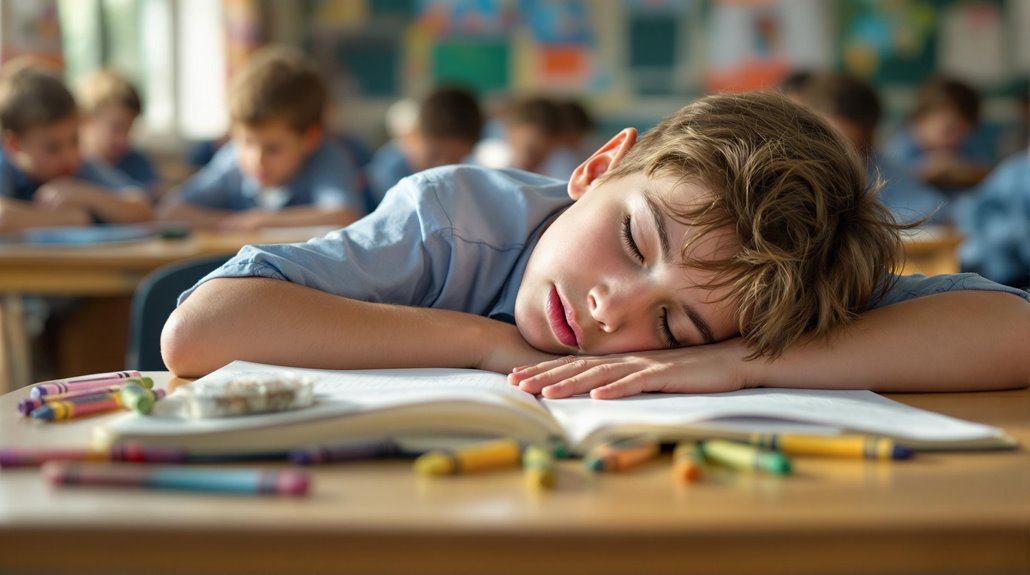
Sleep disorders can reach far into every aspect of a child's daily life, affecting everything from academic achievement to emotional well-being. When your child struggles with conditions like sleep apnea or insomnia, you'll notice the impact extends beyond just feeling tired. Excessive sleepiness during the day makes it difficult for them to concentrate in class, complete homework, or engage with friends effectively.
The effects of poor sleep quality ripple through various aspects of your child's development and daily functioning:
- Academic Performance: Children with sleep disorders often struggle with attention, memory retention, and learning new concepts, leading to decreased grades and academic challenges
- Behavioral Issues: Lack of quality sleep can manifest in irritability, mood swings, and difficulty controlling emotions, affecting relationships with peers and family members
- Physical Health Concerns: Untreated sleep disorders may contribute to serious health problems, including weight gain, heightened blood pressure, and compromised immune function
Understanding these impacts is indispensable because they directly affect your child's quality of life. By addressing sleep disorders early, you're investing in their academic success, emotional stability, and long-term health outcomes.
Diagnosing Sleep Problems in Children
Identifying the root cause of your child's sleep problems requires a thorough diagnostic process involving multiple steps and medical professionals. Your child's primary care provider will typically start with a comprehensive medical history and physical examination to understand their overall health and sleep habits.
Keeping a sleep diary is a pivotal part of the diagnostic process. You'll need to track your child's sleep patterns, including when they go to bed, how long it takes them to fall asleep, and any nighttime disturbances. This information, combined with questionnaires about sleep behaviors, helps doctors identify specific patterns and concerns.
For a more detailed analysis, your child may need an overnight sleep study, also called polysomnography. During this test, medical professionals monitor various body functions including brain waves, breathing patterns, oxygen levels, heart rate, and limb movements while your child sleeps. This extensive data helps identify specific sleep disorders and their underlying causes.
A sleep medicine specialist will review all these findings to make an accurate diagnosis and develop an appropriate treatment plan customized to your child's specific sleep problems.
Treatment Options and Approaches
Treatment for childhood sleep disorders ranges from simple behavioral changes up through medical interventions, depending on the specific condition and its severity. If your child has insomnia, you'll want to start with behavioral therapy, which includes establishing consistent bedtime routines and reducing screen time before sleep. For conditions like obstructive sleep apnea, your doctor might recommend continuous positive airway pressure (CPAP) therapy or surgical removal of enlarged tonsils and adenoids if other treatments aren't effective.
Key treatment approaches for specific sleep disorders include:
- Delayed sleep phase disorder: Combination of melatonin supplements and light therapy to reset your child's internal clock
- Restless legs syndrome: Iron supplementation when the condition is linked to iron deficiency
- Obstructive sleep apnea: CPAP therapy as a primary treatment, with surgery as a secondary option
It's important to work closely with your child's healthcare provider to determine the most appropriate treatment plan. They'll consider factors such as your child's age, the severity of symptoms, and any underlying medical conditions before recommending specific interventions.
Creating Healthy Sleep Habits
While medical treatments can address specific sleep disorders, developing strong sleep habits forms the foundation of good sleep hygiene for children. Establishing consistent sleeping habits helps regulate your child's natural sleep-wake cycle and prevents many common sleep problems.
Start by creating a regular bedtime routine that signals it's time to wind down. This might include a warm bath, reading a book, or practicing relaxation techniques like deep breathing. It's vital to maintain the same sleep schedule every day, even on weekends, to help children and adolescents develop healthy sleep patterns.
Set up an environment that promotes good sleep by keeping the bedroom cool, dark, and quiet. You'll want to limit screen time before bed, as blue light can interfere with your child's natural sleep cycle. Encourage physical activity during the day, but schedule it well before bedtime to avoid overstimulation.
Teaching your child sleep hygiene early on can prevent future sleep problems. Incorporate relaxation techniques that help them unwind naturally, such as progressive muscle relaxation or gentle stretching. Remember that consistent sleep habits take time to develop, but they're essential for your child's overall well-being.
When to Seek Medical Care
Parents should recognize several key warning signs that indicate the need for professional medical evaluation of their child's sleep issues. If your child shows symptoms of sleep disorders like excessive daytime sleepiness, loud snoring, or breathing difficulties, it's essential to consult your child's doctor promptly. Pediatric sleep specialists at Children's Hospitals are specifically trained to diagnose and treat conditions like obstructive sleep apnea (OSA) and other sleep-related disorders.
According to the Sleep Foundation, you should seek medical care when you notice:
- Persistent sleep disturbances that affect your child's daily functioning, academic performance, or behavior
- Signs of obstructive sleep problems, including gasping, choking, or pauses in breathing during sleep
- Recurring episodes of parasomnias, such as sleepwalking or night terrors
Early intervention is essential, as untreated sleep disorders can lead to serious health complications. Your healthcare provider may recommend an inclusive sleep studies to determine the exact cause and appropriate treatment plan, which might include behavioral modifications, CPAP machines, or other interventions specific to your child's condition.
Supporting Your Child's Recovery
Once a medical evaluation has identified your child's sleep disorder, successful recovery depends on creating a supportive home environment that reinforces healthy sleep habits. The first line of treatment often involves establishing consistent sleep habits and routines that help your child return to normal sleep patterns.
You'll need to maintain a sleep diary to track your child's progress and identify factors that contribute to good nights sleep or poor sleep. This information helps healthcare providers adjust the treatment for children as needed. If your doctor recommends cognitive behavioral therapy, you can support its effectiveness by practicing the techniques at home and maintaining open communication with your child about their progress.
Remember that the best treatment approach often combines multiple strategies. Create a calming bedtime routine, limit screen time before bed, and guarantee your child's bedroom is quiet, dark, and comfortable. You'll want to be patient, as effective treatment takes time. Celebrate small improvements and stay consistent with the recommended interventions. Your positive attitude and commitment to supporting your child's recovery will considerably impact their success in overcoming sleep challenges.