
Tips to Prevent Fatigue on a Long Trip
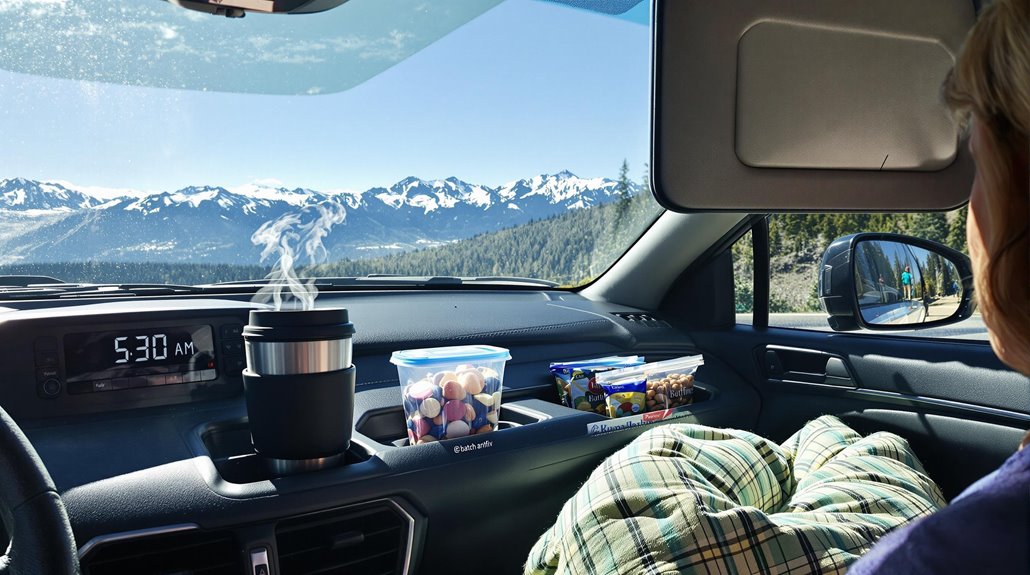
To prevent fatigue on a long expedition, you'll need to start preparing before you even hit the road. Get 7-8 hours of sleep the night before and plan regular 15-20 minute breaks every 2-3 hours of driving. Stay hydrated and pack nutritious snacks while avoiding heavy meals that can make you drowsy. Set up your vehicle for comfort by adjusting your seat, maintaining good airflow, and controlling cabin temperature. If possible, travel with a passenger who can help keep you alert and share driving responsibilities. These fundamental strategies are just the beginning of ensuring a safe, energized voyage.
Pre-Trip Sleep and Rest Planning
A well-rested body is your best defense against fatigue during an extended excursion. To prepare effectively, you'll want to secure at least 7-8 hours of sleep per night in the days leading up to your expedition. Don't make the mistake of disrupting your regular sleep schedule or staying up late before traveling, as this can leave you feeling drained when you need your energy most.
Creating a consistent pre-bed routine will help you get enough sleep and prepare your body for the upcoming trek. Focus on relaxing activities that help you wind down naturally, and be sure to limit your alcohol intake, as it can drastically impact your sleep quality. Even if you've followed these steps, you might find it beneficial to take a short nap or rest period shortly before your departure time.
Remember that quality sleep is just as important as quantity. Make your bedroom conducive to rest by keeping it dark, quiet, and at a comfortable temperature. By prioritizing your rest before the trip, you'll be better equipped to handle the demands of long-distance travel and arrive at your destination feeling refreshed.
Nutrition and Hydration Strategies
Proper nutrition and hydration work hand-in-hand with good rest to keep you energized during long trips. To maintain alertness, you'll need to focus on consuming healthy foods that provide sustained energy throughout your expedition. Build your meals around a balanced mix of protein, carbohydrates, and healthy fats while avoiding heavy, greasy foods that can make you drowsy.
Stay hydrated by consistently drinking water during your long trip, aiming to consume at least 8 cups daily. You'll want to limit or avoid sugary drinks, caffeine, and alcohol, as these can lead to energy crashes and dehydration, making you feel more tired behind the wheel. Instead, keep a water bottle within easy reach and sip regularly, even if you don't feel particularly thirsty.
Pack smart by bringing along nutritious snacks like fresh fruits, cut vegetables, and nuts. These portable options provide quick energy surges when you need them and help you resist the temptation of less healthy convenience store options. By planning your nutrition and hydration strategy before you start driving, you'll be better equipped to maintain focus and fight fatigue throughout your expedition.
Vehicle Comfort and Safety
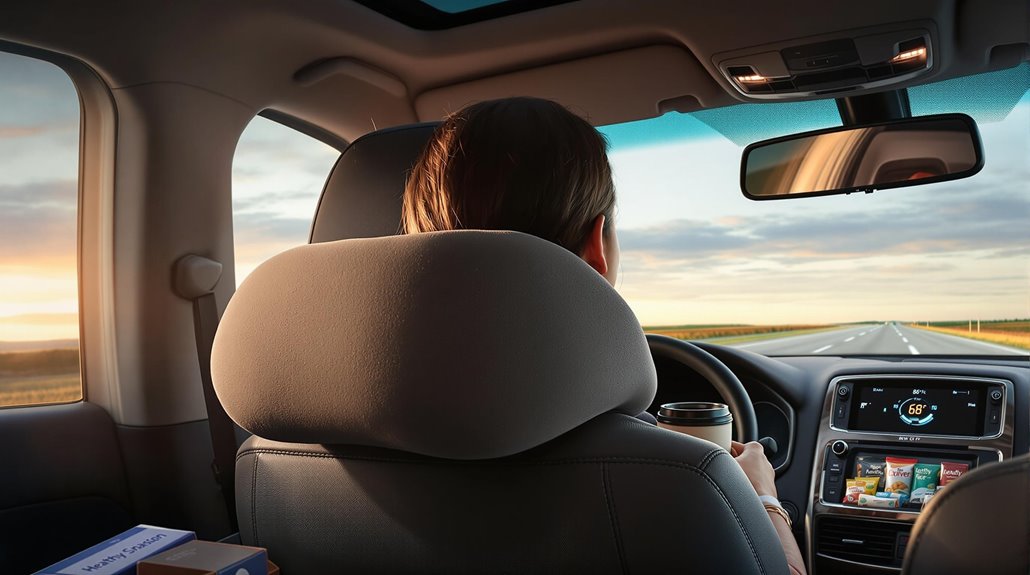
From the moment you start your expedition, vehicle comfort plays an essential role in preventing fatigue during long treks. Before driving, take time to adjust your seat position, steering wheel, and mirrors to create an ergonomic setup that reduces physical strain and maintains proper posture. This optimal positioning helps you stay alert and prevents the muscle tension that can contribute to drowsiness.
Your vehicle's environment significantly impacts your ability to stay awake and focused. Keep the cabin temperature moderate, as excessive heat or cold can make you more likely to fall asleep. Install window tinting or use sunshades to reduce glare, which can cause eye fatigue during long periods of driving. Don't forget to maintain proper ventilation by regularly circulating fresh air through the cabin, as stuffy conditions can decrease alertness and increase sleepiness.
Create a stimulating yet relaxing atmosphere by playing music or podcasts at a moderate volume. This background entertainment helps maintain mental engagement without becoming a distraction. Remember that vehicle comfort isn't just about luxury—it's an indispensable safety factor that helps you stay alert and focused throughout your undertaking.
Strategic Driving Break Schedule
Throughout your trek, implementing a strategic break schedule serves as your primary defense against driver fatigue. You'll need to take regular 15-20 minute breaks every 2-3 hours of driving, using designated rest areas or service plazas to safely recharge. To combat travel fatigue during longer excursions, plan extended breaks of 30-60 minutes every 4-5 hours, giving yourself time to eat, stretch, and fully rejuvenate.
- Stop completely and exit your vehicle during breaks to increase blood circulation
- Walk around for at least 10 minutes to combat muscle stiffness
- Stretch your neck, shoulders, and back to relieve tension
- Use rest stops to hydrate and have light, energizing snacks
When possible, share driving responsibilities with a passenger to prevent extended periods behind the wheel. This rotation system helps maintain alertness and reduces individual driver fatigue. Additionally, you'll want to avoid driving during the early morning hours between 2-4 AM, when your body naturally experiences increased fatigue. By following these strategic break intervals and sharing driving duties, you'll maintain better focus and energy throughout your trek, substantially reducing the risks associated with drowsy driving.
Partner and Passenger Support
Having an alert passenger by your side can make a significant difference in maintaining safety during long-distance drives. When you sometimes travel with a companion, you're adding an extra layer of protection against driving while fatigued. Your passenger can engage you in conversation, helping you stay focused and alert behind the wheel. They can also monitor your behavior for signs of drowsiness and suggest when it's time to take a respite.
The most effective passenger support comes from teamwork and open communication. Your companion should actively participate in the expedition by staying awake and maintaining dialogue that keeps you mentally engaged. If you start showing signs of fatigue, they can take over driving responsibilities, allowing you to rest and recover. This rotation of duties is particularly insightful during extended trips when fatigue becomes more likely.
Your passenger can also provide an objective viewpoint on your alertness level, as it's often difficult to recognize your own fatigue symptoms. By working together and maintaining clear communication, you and your passenger can create a safer driving environment and reduce the risks associated with driver fatigue.
Managing Energy While Driving
While passengers can help keep you alert, managing your own energy levels remains a fundamental aspect of safe long-distance driving. To prevent drowsy driving, you'll need to recognize early warning signs like frequent yawning or heavy eyelids. When these symptoms appear, don't push through - your reaction time is considerably decreased when you're fatigued, making driving dangerous.
- Take strategic 10-20 minute power naps at rest stops
- Consume moderate amounts of caffeine for temporary surges
- Perform light exercises to increase blood circulation
- Monitor your alertness levels consistently
Don't drive for multiple nights in a row, as this disrupts your natural sleep patterns and compounds fatigue. Instead, incorporate regular breaks where you can stretch, walk around, or do light exercises to get your blood flowing. When you feel tired, pull into a safe rest area and take a short power nap - these brief rest periods can substantially improve your alertness. While caffeine can provide a temporary energy surge, don't rely on it as your primary method to stay awake. Remember, alternating driving responsibilities with a companion is one of the most effective ways to manage energy levels during long trips.