
The Best Over-the-Counter Sleep Aids: What Works and Why
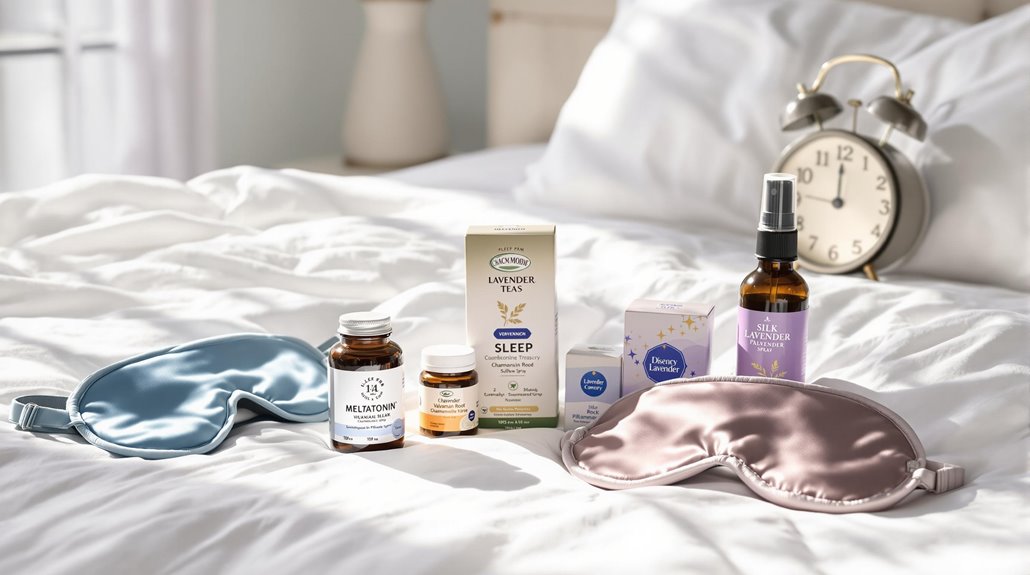
Over-the-counter sleep aids can help you tackle occasional sleeplessness through different mechanisms. Natural options like melatonin work with your body's sleep-wake cycle, while valerian root offers gentle sedative effects. If you need faster relief, antihistamines like diphenhydramine can quickly induce drowsiness. Natural supplements typically carry fewer risks and aren't habit-forming, making them safer for regular use. You'll want to follow dosage guidelines carefully and avoid mixing with alcohol. Whether you choose natural or synthetic solutions, it's important to understand how each option affects your body. The right choice depends on your specific sleep challenges and overall health goals.
Understanding Common Sleep Aid Options
Sleep-deprived individuals often turn to over-the-counter aids when counting sheep just isn't cutting it. When you're exploring over-the-counter sleep aids, you'll find several common options that work through different mechanisms to help combat occasional sleeplessness.
Melatonin supplements work by supporting your natural sleep-wake cycle. Your body produces this hormone naturally, but supplementing with products like Amazon Basics Melatonin gummies can help reset your internal clock. While these gummies provide an effective 5mg dose, you'll want to ponder their added sugar content.
Valerian root, available in supplements and teas like Buddha Teas Organic Valerian Root Tea, offers a natural approach to improving sleep quality. Though it's generally well-tolerated, you might experience morning grogginess as a side effect.
For temporary insomnia relief, sedating antihistamines like diphenhydramine and doxylamine can be effective options. However, you shouldn't rely on these medications long-term, as they can cause side effects and may lose effectiveness over time. When choosing between herbal supplements and pharmaceutical options, mull over both the benefits and potential drawbacks to find what works best for your specific sleep needs.
Natural Vs Synthetic Solutions
Nature's gentle touch differs markedly from synthetic solutions when it comes to addressing sleep troubles. When you're choosing between natural sleep supplements and over-the-counter sleep aids, you'll find distinct differences in how they work and their potential effects on your body. Natural options like melatonin and valerian root work with your body's sleep-wake cycle, promoting relaxation without forcefully inducing sleep.
Melatonin, your body's natural sleep hormone, can effectively help you adjust your sleep schedule and combat jet lag. Meanwhile, valerian root offers sedative properties that may enhance sleep quality, though its effects aren't as thoroughly documented as synthetic alternatives. On the synthetic side, antihistamines like diphenhydramine and doxylamine work by creating drowsiness, providing quick relief for occasional sleepless nights.
However, you'll want to ponder the long-term implications. Natural sleep aids typically carry fewer risks and aren't habit-forming, making them a safer choice for regular use. Synthetic options, while potentially more predictable in their effects, aren't recommended for extended use due to side effects and the possibility of rebound insomnia. Your individual response to either type may vary, so it's worth discussing options with your healthcare provider.
Selecting the Right Sleep Aid

With an array of sleep aids available, finding your ideal solution requires careful consideration of several key factors. When evaluating over-the-counter sleep aids, you'll need to identify the root cause of your sleep problems and assess potential interactions with existing medications or health conditions.
If you're dealing with temporary sleep schedule disruptions, melatonin supplements might be your best starting point. They're particularly effective for regulating your body's natural sleep-wake cycle, though you'll need to experiment with dosage under healthcare guidance. For occasional sleeplessness, natural sleep aids like valerian root or herbal sleep remedies can promote relaxation, but remember their potency isn't standardized.
Before turning to sleeping pills or antihistamines for persistent sleep disorders, you should consult your healthcare provider. They can evaluate whether your sleep habits require lifestyle changes or if an underlying condition needs addressing. While over-the-counter sleep aids offer temporary relief, they're not all created equal, and what works for others may not work for you. Focus on finding a solution that aligns with your specific sleep problems while considering both effectiveness and safety.
Safety and Usage Guidelines
Taking over-the-counter sleep aids safely requires strict adherence to usage guidelines and dosage instructions. When you're having trouble sleeping, it's essential to follow the recommended amounts to avoid unwanted side effects, particularly morning drowsiness that could impact your daily activities. While OTC sleep aids can provide temporary relief, they're best suited for short-term use rather than as a long-term solution.
Before starting any sleep aid regimen, you'll want to consult with your health care provider, especially if you're considering supplements like melatonin or valerian root. Your doctor can evaluate your specific situation and guarantee the sleep aid won't interact with other medications you're taking. It's particularly important to avoid combining sleep aids with alcohol, as this can lead to dangerous interactions.
Remember that medication isn't always necessary for better sleep. You can improve your sleep quality by establishing consistent bedtime routines and avoiding stimulants in the evening. If you do opt for over-the-counter sleep aids, use them only occasionally and as directed, while remaining alert to any adverse reactions your body may experience.
Alternative Sleep Support Methods

Several natural and behavioral approaches can effectively improve your sleep without relying on medications. Cognitive behavioral therapy stands out as a proven long-term solution, addressing the root psychological causes of your sleep problems through structured behavior therapy sessions.
You'll find noteworthy benefits in practicing relaxation techniques before bedtime. Deep breathing, progressive muscle relaxation, and meditation can help calm your mind and prepare your body for sleep. Establishing a consistent sleep routine is equally important - set regular bedtimes, avoid screens, and create a sleep-friendly environment.
Light therapy can play a pivotal role in regulating your circadian rhythm. Exposure to bright light during daytime hours helps maintain your natural sleep-wake cycle, leading to better sleep quality at night. Additionally, incorporating regular exercise into your daily routine can considerably improve your sleep patterns. Just remember to schedule your workouts in the morning or afternoon, as evening exercise might interfere with your ability to fall asleep.
These alternative methods often work together synergistically - you might find that combining several approaches yields the best results for your specific sleep challenges.