
Sleep Talking and Sleepwalking in Children: What Parents Should Know

Sleep talking and sleepwalking are common childhood behaviors affecting up to 15% of kids aged 5-16. Your child might mumble words, carry on conversations, or wander around with a glazed expression during these episodes. Don't worry - these behaviors typically occur within the first few hours of sleep and usually resolve naturally as your child grows older. You'll want to create a safe environment by removing hazards, securing windows, and maintaining consistent bedtime routines. While most cases aren't cause for concern, factors like stress, illness, or irregular sleep patterns can trigger more frequent episodes. Understanding the triggers and warning signs will help you better manage these nighttime behaviors.
Understanding Sleep Behaviors in Children
Maneuvering your child's sleep behaviors can feel challenging, especially when they involve sleepwalking or sleep talking. While these behaviors might seem concerning, they're actually quite common among children. Up to 15% of kids between ages 5-16 experience sleepwalking, and most children aged 2-12 will talk in their sleep at some point.
Your child's sleepwalking episodes typically occur within the first few hours after they've gone to bed and can last anywhere from a few seconds to half an hour. During these episodes, they might perform simple actions like sitting up or getting out of bed, but they won't remember these activities the next morning. Sleep talking, on the other hand, can happen throughout the night.
Several factors can trigger these sleep behaviors in your child, including insufficient sleep, illness, stress, or even genetics. While neither behavior is harmful on its own, sleepwalking requires attention to home safety measures due to your child's reduced awareness during episodes. The good news is that both behaviors usually resolve naturally as your child enters their teenage years.
Signs of Sleepwalking
Common signs of sleepwalking in children often manifest as a range of peculiar behaviors during the night. If your child is sleepwalking, you'll usually notice them getting out of bed and moving around without full awareness. These episodes typically happen during the shift from deep sleep to light sleep and can last anywhere from a few seconds to 30 minutes. Your child won't remember these activities when falling back to sleep or waking up at bedtime.
Walking around the house or trying to go outside while appearing confused or disoriented
Performing simple tasks like changing clothes or moving furniture
Moving toward light sources or seeking out parents' rooms
Very young children may stand up or move around in their cot
Engaging in activities with blank facial expressions and glazed eyes
If you notice these signs, don't let them cause undue worry, as sleepwalking is common in children and often runs in families. While treatment isn't always necessary, establishing consistent sleep routines can help reduce episodes.
Common Sleep Talking Patterns
While sleep talking can occur at any stage of sleep, most children exhibit predictable patterns during these nocturnal conversations. These episodes typically last anywhere from a few seconds to several minutes, and you'll notice that your child's sleep talking often happens during the same periods each night. Unlike sleepwalking, which requires immediate attention for safety reasons, sleep talking doesn't pose any risks to your child.
When your child has a sleep talking episode, they might mumble single words, speak in complete sentences, or even carry on what seems like a full conversation. You'll find that these episodes are especially common in children between ages 3 and 10, affecting up to half of all kids in this age range. While it may be concerning when your child is talking in their sleep, remember that they won't recall these episodes when they wake up.
Though experts haven't pinpointed exact causes, you should know that factors like sleep deprivation, fever, or illness can trigger more frequent episodes. The good news is that sleep talking typically becomes less frequent as your child gets older, and maintaining consistent bedtime routines can help reduce its occurrence.
Risk Factors and Triggers
Understanding what triggers sleep talking and sleepwalking can help you better manage these behaviors in your child. If your child has nighttime episodes of either condition, it's important to identify potential risk factors and create a consistent sleep schedule. Both sleep talking and sleepwalking can run in families, so knowing your family history can help you take better care of your child's sleep habits.
Several factors can trigger these behaviors, and being aware of them helps you prevent situations where your child does something dangerous during an episode. Watch for these common triggers and take appropriate action when they occur:
- Lack of adequate sleep or irregular sleep patterns that disrupt your child's natural rhythm
- Illness, particularly when accompanied by fever or medications that affect sleep
- High levels of stress or anxiety that make it difficult to relax before bed
- Underlying conditions or disorders that impact sleep quality
- Genetic predisposition, especially if there's a family history of sleep talking, sleepwalking, or night terrors
Creating a Safe Environment
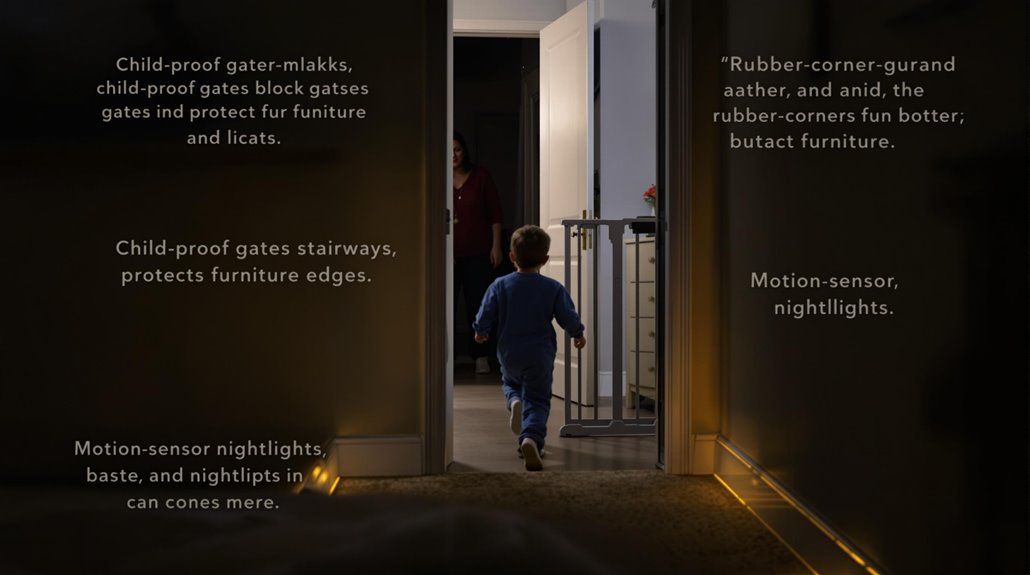
Your child's safety during sleepwalking episodes requires careful attention to their bedroom environment and your home's security features. Start by closing and locking doors and windows to prevent wandering outside during nighttime episodes. Removing trip hazards from your child's bedroom floor and keeping dangerous objects away will considerably diminish the risk of injury during sleepwalking incidents.
Consider putting a gate at your child's bedroom doorway, especially if there are stairs nearby. If your child sleeps in a bunk bed, switching to a mattress on the floor can help prevent dangerous falls. Clear the bedroom of any items that could pose safety risks, including toys, furniture with sharp edges, or loose electrical cords.
Make the sleep environment quiet and comfortable by maintaining appropriate room temperature, using blackout curtains, and minimizing noise. Establishing a consistent bedtime routine and creating a distraction-free sleep space can help reduce the frequency of sleepwalking episodes. By implementing these safety measures, you'll be reducing safety concerns while ensuring your child can rest peacefully, even if sleepwalking occurs.
Managing Sleep Episodes
Dealing with sleep episodes requires a balanced approach between intervention and restraint. When your child is sleepwalking, don't try to wake them, as this can cause confusion or distress. Instead, gently guide your child back to bed while keeping them safe. Sleep talking episodes usually decrease with time, and most children usually never remember these occurrences.
Since both sleepwalking and sleep talking can run in families, it is crucial to manage these episodes effectively. Before your child goes asleep, put away all electronic devices and establish a consistent bedtime routine. While sleep talking usually goes away on its own with minimal intervention, you'll want to make certain you're keeping dangerous objects secured during potential sleepwalking episodes.
- Guide your sleepwalking child calmly back to bed without waking them
- Maintain a consistent bedtime schedule every night
- Remove potential hazards from your child's path
- Monitor episodes to identify potential triggers
- Document frequency and severity to share with healthcare providers if needed
Prevention Strategies
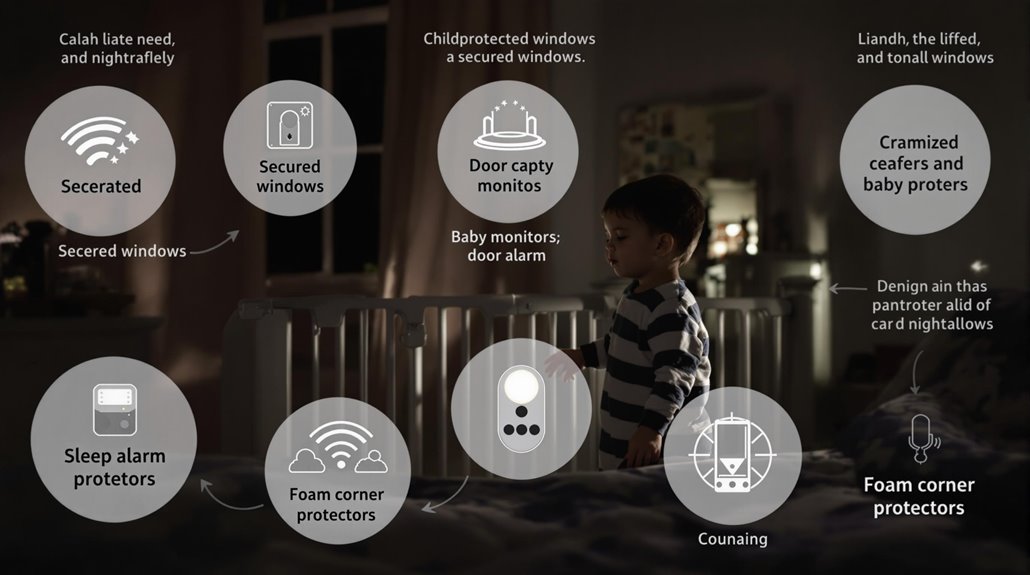
Prevention of sleep disorders begins with establishing positive sleep habits and a secure environment. To minimize sleepwalking and sleep talking episodes, you'll want to guarantee your child is getting enough sleep by maintaining a consistent bedtime routine. Make sure they're physically active throughout the day, but avoid stimulating activities close to bedtime.
It's vital to reduce screen time, particularly in the hours leading up to sleep, as exposure to blue light can disrupt natural sleep patterns. Create a safe sleep environment by removing potential hazards, installing safety gates, and securing windows and doors. According to Nationwide Children's Hospital, these safety measures are essential for preventing injuries during sleepwalking episodes.
Work with your Primary Care provider to address any underlying medical conditions that might trigger sleep disturbances. If your child shows signs of stress or anxiety, implement relaxation techniques before bedtime. You can help reduce stress and anxiety through calming activities like reading, gentle stretching, or listening to soft music. Remember that maintaining these prevention strategies consistently is key to managing sleep disorders effectively and guaranteeing your child gets quality rest.
Treatment Options
While most children naturally outgrow sleepwalking and sleep talking, several treatment options exist for those who need additional support. In most cases, sleepwalking needs no treatment beyond establishing good sleep habits and ensuring safety. When your child experiences episodes, gently guide them back to bed without waking them. Sleep talking episodes usually resolve on their own as well.
If sleepwalking or sleep talking becomes atypical or violent, or if Night Terrors are involved, consult your doctor or health care provider. They can determine if underlying conditions like anxiety, trauma may be causing these behaviors, and treating those conditions may resolve the sleep issues. To reduce any safety concerns, consider these essential steps:
- Create and maintain a consistent bedtime routine
- Secure windows and lock doors to prevent wandering
- Remove obstacles from your child's path
- Address any underlying medical conditions like sleep apnea
- Consider professional help if episodes are severe or persistent
In rare cases where behavioral approaches aren't enough, your healthcare provider might recommend specialized treatments like cognitive-behavioral therapy or medication to guide your child back to healthy sleep patterns.
Family Impact and Support
Sleep disturbances in children can affect the entire household, creating ripple effects throughout family life. When your child talks or walks in their sleep, you might find yourself frequently waking up to monitor their safety, which can disrupt your own regular sleep patterns. However, most families can adapt to these challenges without making drastic lifestyle changes.
To minimize the impact of sleepwalking and sleep talking episodes, establish consistent bedtime routines that give your children some time to relax before sleep. If your child's sleep issues persist, consider whether stress, illness, or other factors might be the cause of sleep talking and walking. Working with your child to address these underlying concerns can help improve sleep quality for everyone.
It's essential to communicate with other caregivers about your child's sleep problems and any safety concerns they should be aware of. While these sleep disturbances can be unsettling, remember that they're usually manageable with proper support and routine adjustments. If sleep issues considerably impact your family's daily functioning, don't hesitate to consult a healthcare provider for additional guidance and support.
Medical Concerns and Solutions
Medical evaluation becomes essential when sleep disturbances interfere with your child's daily functioning or pose safety risks. While sleep talking and sleepwalking are common childhood phenomena, they can sometimes signal underlying medical conditions that require attention. If your child experiences frequent episodes or shows signs of distress, don't hesitate to consult a pediatrician.
Several medical conditions can contribute to these sleep behaviors:
- Sleep apnea, which disrupts normal breathing patterns during sleep
- Bedwetting episodes that may coincide with sleepwalking
- Night terrors that can intensify sleep disturbances
- Untreated anxiety causing disrupted sleep patterns
- Stress-related factors affecting sleep quality
To address these concerns, your pediatrician may recommend specific treatments for underlying medical conditions. You'll also want to implement practical solutions, such as maintaining a consistent sleep schedule and ensuring your child gets adequate rest. If sleepwalking episodes become frequent or dangerous, medical intervention becomes pivotal for your child's safety. While sleep talking usually doesn't require specific treatment, persistent disruptions to family sleep patterns warrant professional attention. Remember that early intervention can prevent these sleep disturbances from becoming long-term issues.
Long-term Health Considerations
Understanding the lasting impact of childhood sleep disorders helps parents make informed decisions about their children's well-being. When your child experiences sleepwalking or sleep talking episodes, you'll want to examine both immediate and future health implications.
While sleep talking episodes don't happen often in most children, and many kids naturally outgrow these behaviors, it's crucial to monitor any patterns that emerge. If the episodes usually happen within specific timeframes or seem linked to other underlying issues, you should consult your health care provider. They can determine whether treatment or intervention is necessary.
Some children's sleep disturbances may be connected to emotional or psychological factors that could persist into adolescence or adulthood if left unaddressed. However, you shouldn't panic - most cases resolve naturally. Your focus should be on maintaining consistent sleep habits and creating a safe environment while your child can outgrow these behaviors. If the sleepwalking episodes become frequent or dangerous, working with a sleep specialist can help identify potential triggers and develop long-term management strategies. Regular check-ups and open communication with healthcare providers will guarantee your child's sleep issues are properly monitored and addressed.