
Overcoming Lethargy: Small Steps to Big Changes

You can overcome lethargy by taking small, strategic steps that build lasting energy. Start by identifying your natural energy patterns and scheduling demanding tasks during your peak alertness hours. Get a health check to rule out medical causes, then focus on establishing consistent sleep habits and proper hydration. Make gradual changes to your diet by replacing refined carbs with whole grains and adding energy-boosting snacks throughout your day. Include gentle movement like yoga or walking, and practice stress-management techniques that work for you. These foundational changes will help you access your natural vitality and uncover even more powerful ways to thrive.
Understanding Your Energy Patterns
Investigate your unique energy patterns and you'll uncover a key to personal productivity. Your daily energy levels aren't random - they're deeply rooted in your brain structure and genetic makeup. Understanding whether you're a "morning lark" or a "night owl" can alter how you approach your daily tasks and manage your energy reserves.
Pay attention to when you naturally feel most alert and focused throughout the day. If you're buzzing with energy at dawn, you're likely a morning person who should tackle challenging tasks early. Conversely, if your mind comes alive after sunset, you're probably a night owl who performs better in the evening hours.
While it's tempting to fight against your natural rhythms, research shows it's more effective to work with them. You can't easily change your inherent patterns, but you can strategically plan your schedule around them. Track when your energy levels peak and schedule demanding activities during these windows. This approach helps prevent fatigue and maximizes your productive hours. By aligning your important tasks with your body's natural high-energy periods, you'll accomplish more while feeling less drained.
Health Check First
Before diving into any energy management strategies, make sure you've ruled out potential medical causes for your fatigue. Schedule a health check first with your doctor to discuss your symptoms and investigate possible underlying conditions that might be draining your energy. Your fatigue could be linked to various medical issues that require professional attention and specific treatment.
During your appointment, be prepared to discuss any medications you're currently taking, as some drugs, including blood pressure medications and antihistamines, can make you feel tired. Tell your doctor about when your fatigue started and any patterns you've noticed, especially if your energy levels changed after starting new medications. This information will help them identify potential connections between your symptoms and current treatments.
Your doctor may recommend blood tests to check for conditions like anemia, thyroid disorders, or other medical issues that commonly cause fatigue. By addressing any underlying health problems first, you'll be better positioned to implement lifestyle changes and energy management strategies that actually work for your situation. Remember, treating the root cause is essential for long-term improvement in your energy levels.
Building Better Sleep Habits

Establishing healthy sleep habits forms the cornerstone of sustainable energy management. By making small, consistent changes to your sleep routine, you'll create lasting improvements in your energy levels and overall well-being. If you suspect you have sleep apnea or other sleep disorders, consult your healthcare provider before implementing these changes.
Start by maintaining a regular sleep schedule, even on weekends. Your body's internal clock thrives on consistency, making it easier to fall asleep and wake up naturally. Create a calming pre-bed ritual that helps you unwind - try reading a book, practicing gentle stretches, or taking a warm bath about an hour before bedtime. Keep your naps brief, limiting them to 20-30 minutes during the day to avoid disrupting your nighttime rest.
Transform your bedroom into a sleep sanctuary by keeping it cool, dark, and quiet. Install blackout curtains if needed, and consider using a white noise machine to mask disruptive sounds. Most importantly, put away your electronic devices well before bedtime - the blue light from screens can interfere with your body's natural sleep signals and make it harder to fall asleep naturally.
Smart Hydration Strategies
The foundation of sustained energy lies in proper hydration - a factor many people overlook in their daily routines. If you're feeling sluggish, your body might be telling you it's time to drink more water. Women should aim for 11.5 cups daily, while men need about 15.5 cups of fluids to maintain vital energy levels.
You don't have to rely solely on drinking water to meet your hydration goals. Start your day with a glass of water, but also incorporate water-rich foods like cucumbers, watermelon, and broth-based soups into your meals. When drinking alcohol, alternate each beverage with water to maintain hydration balance. Pay attention to your body's signals, particularly your urine color - if it's dark yellow, you need more fluids.
To maximize your hydration strategy, combine regular water intake with electrolyte-rich foods like bananas or nuts. Keep a reusable water bottle within reach and set regular drinking intervals throughout your day. Remember, even mild dehydration can impact your physical performance and mental clarity, so maintaining proper hydration is essential for sustained energy and productivity.
Nutrition for Sustained Energy

While proper hydration fuels your body, smart food choices empower your daily performance. To maintain consistent energy throughout the day, you'll want to shift from three large meals to smaller, more frequent portions that keep your blood sugar stable and prevent mid-day crashes.
Start by replacing refined carbohydrates with whole grains in your diet. These complex carbohydrates not only provide sustained energy but also help reduce your risk of heart disease. When planning your meals, think of your plate as a foundation for lasting robustness. Include lean proteins to support muscle function, healthy fats for brain power, and plenty of fruits and vegetables for essential nutrients.
You'll notice the biggest difference when you reduce your intake of processed foods and added sugars. These quick-energy foods might give you an initial surge, but they'll leave you feeling depleted soon after. Instead of reaching for that afternoon coffee or energy drink, try energizing snacks like nuts, Greek yogurt, or whole grain crackers with hummus. By making these strategic nutrition choices, you're not just avoiding energy crashes – you're building a sustainable structure for all-day robustness.
Movement as Medicine
Once you understand that movement is truly a form of medicine, you'll see why physical activity becomes essential for lasting energy. Research consistently shows that regular exercise improves your body's efficiency, allowing you to accomplish more with less fatigue throughout your day.
You don't need to become a marathon runner to amplify energy levels - just 15 minutes of moderate activity daily can transform how you feel. Start with activities you enjoy, whether it's walking, swimming, or dancing. This makes it easier to stick to your routine and build lasting habits.
To maximize your results, combine different types of movement. Mix aerobic exercises like brisk walking with strength training and stretching. This extensive approach tackles fatigue from multiple angles, improving both your physical and mental stamina.
Remember to progress gradually. If you're currently inactive, begin with short sessions and slowly increase your activity level. This patient approach helps prevent burnout and injury while building sustainable energy reserves. By viewing physical activity as your daily medicine, you'll create a foundation for lasting vitality and improved quality of life.
Yoga and Mindful Practice

Along with traditional exercise, yoga stands out as a powerful tool for enhancing your daily energy levels. Research consistently shows that regular yoga practice can augment your mental clarity and overall sense of well-being, making it an effective solution for combating lethargy. You'll find that incorporating yoga into your routine doesn't require a massive time commitment - even once-weekly sessions can lead to noticeable improvements in your Energy and confidence within just six weeks.
What makes yoga particularly effective is its extensive approach to well-being through:
- Restorative poses that help manage and replenish your energy reserves
- Deep breathing exercises that increase oxygen flow and mental alertness
- Mindful meditation that strengthens your mind-body connection
This mind-body connection becomes especially advantageous as you age, with studies showing significant benefits for practitioners between 65 and 85 years old. By becoming more attuned to your body's energy patterns through yoga, you'll develop better awareness of when you're running low and need to recharge. The practice teaches you to recognize these signals and respond effectively, helping you maintain consistent energy levels throughout your day.
Managing Daily Stress Levels
Building on the calming benefits of yoga, effective stress management serves as another cornerstone of maintaining steady energy levels throughout your day. When you're constantly under pressure, you'll likely feel tired and depleted, creating a cycle that's hard to break. Small changes in your daily routine can make a significant difference in how you handle stress.
Start by identifying what's draining your energy. Is it an overwhelming workload, challenging relationships, or poor time management? Once you've pinpointed these stressors, you can develop targeted solutions. Schedule regular exercise sessions, even if it's just a 15-minute walk during lunch. Practice mindfulness techniques like deep breathing or meditation when you feel tension building.
Prioritize self-care activities that enhance your resilience. Ensure you're getting adequate sleep, eating nutritious meals, and maintaining social connections. If you're struggling to manage stress on your own, don't hesitate to seek professional support. A counselor or coach can help you develop personalized strategies that work for your specific situation. Remember, managing stress isn't about making dramatic changes overnight; it's about implementing sustainable practices that you can maintain long-term.
Weight and Energy Connection

The weight-energy balance plays an essential role in how you feel throughout the day. When you're carrying excess body weight, your heart has to work harder to pump blood throughout your body, which can leave you feeling drained and sluggish. It's a cycle that can be challenging to break, but the good news is that even small changes can lead to significant improvements in your energy levels.
If you're looking to enhance your vitality, losing weight through sustainable methods can make a substantial difference. You don't need to aim for dramatic transformations – even modest weight loss can elevate your mood and daily vigor. Consider these practical steps to get started:
- Focus on portion control and nutrient-dense foods rather than restrictive dieting
- Incorporate regular physical activity that you genuinely enjoy
- Track your energy levels as you make changes to stay motivated
Remember that reducing body fat percentage is just as important as the number on the scale. As you build healthier habits and shed excess pounds, you'll likely notice improvements in your stamina and overall quality of life, making daily tasks feel less demanding.
Timing Your Activities Wisely
Making the most of your natural energy cycles can dramatically improve your productivity and well-being. You'll need to identify whether you're a "morning lark" or a "night owl" to effectively schedule your most demanding tasks. Start by tracking your energy patterns for three days a week to understand when you're naturally most alert and focused.
Once you've recognized your peak periods, align your important activities with these times. If you're most productive in the morning, tackle challenging work tasks then, saving routine activities for later in the day. Night owls should do the opposite, scheduling complex projects for evening hours when they're most energized.
Strategic napping can also amplify your daily performance. A 10-30 minute power nap can refresh you without leaving you groggy for the next day. For maximum benefit, try the "coffee nap" technique: drink a cup of coffee right before taking a short nap. The caffeine kicks in just as you wake up, creating a powerful energy surge. Remember, longer naps might disrupt your nighttime sleep, so keep them brief and time them well before bedtime to maintain healthy sleep patterns.
Essential Dietary Supplements

Despite a balanced diet's importance, strategic supplementation can fill essential nutritional gaps and amplify your daily performance. When you're feeling constantly tired, certain supplements can provide the surge you need to reclaim your energy and vitality.
Start with these proven energy-boosting supplements that work effectively with your body's natural processes:
- B-complex vitamins enhance your metabolism and cellular energy production, helping you maintain steady energy levels throughout the day
- Iron supplements can drastically improve your stamina and reduce fatigue, especially if you're among the many people with iron deficiency anemia
- Omega-3 fatty acids support brain function and energy levels while promoting overall wellness
You'll want to add magnesium and Coenzyme Q10 to your supplement regimen as well. Magnesium helps prevent muscle cramps and supports your body's energy production, while CoQ10 can enhance your exercise capacity and combat fatigue. Remember to consult your healthcare provider before starting any supplement routine, as they'll help determine the right combinations and dosages for your specific needs.
Creating New Energy Rituals
While supplements can enhance your energy levels, lasting vigor comes from building strong daily habits. When you're battling lack of motivation, establishing consistent energy rituals can transform your mental health and overall wellbeing. Start by creating a morning routine that includes hydration, gentle movement, and mindful practices like meditation to set a positive tone for your day.
You don't need to overhaul your entire lifestyle at once. Instead, introduce new energy-boosting habits gradually. Try incorporating nutrient-dense snacks between meals or taking brief walks during work breaks. Pay attention to your body's natural rhythms and adjust your activities accordingly – some people thrive with early morning exercise, while others perform better later in the day.
Track and celebrate your progress, no matter how small. Did you wake up 15 minutes earlier today? That's worth acknowledging. Have you increased your daily step count? That's a victory worth noting. Remember that building sustainable energy rituals takes time and persistence. Be patient with yourself as you experiment with different approaches, and focus on finding what genuinely works for your lifestyle and schedule.
Environmental Impact on Vitality

Your surroundings play a crucial role in shaping your daily energy levels and mental clarity. Making big changes to your environment can create lasting improvements in your vitality. Start by maximizing natural light exposure in your home and workspace - it's one of the simplest ways to get an instant energy boost and regulate your body's natural rhythms.
Consider these environment-enhancing strategies:
- Declutter your space regularly to reduce mental fatigue and create a sense of calm
- Add indoor plants to improve air quality and increase mental focus
- Choose energizing colors and proper lighting to enhance mood and alertness
Poor indoor air quality can secretly drain your energy, so address any potential issues with mold or pollutants. Open windows regularly to let fresh air circulate, and consider using an air purifier in frequently used spaces. Creating an environment that nurtures your vitality doesn't have to be complicated - even small adjustments can lead to noticeable improvements in your energy levels. By mindfully designing your space with these elements in mind, you're setting yourself up for sustained physical and mental vigor throughout the day.
Social Support Systems
Beyond optimizing your physical environment, building a strong social support network can dramatically amplify your quest toward positive change. When you're feeling sluggish and unmotivated, the last thing you might want is social interaction, but that's exactly what can help you break free from lethargy.
Start by identifying friends or family members who'll champion your goals and hold you accountable. Having a workout buddy or wellness partner can make a significant difference in maintaining new habits - you'll feel less likely to skip that morning walk when someone's counting on you. Consider joining support groups, either locally or online, where you'll connect with others on similar voyages. These communities often become powerful sources of inspiration and practical advice.
Make it a habit to check in regularly with your support network. Share your progress, setbacks, and victories. You'll find that these interactions naturally energize your levels and help you stay committed to your goals. When obstacles arise, your support system can offer fresh viewpoints and encouragement, making the path to positive change feel less formidable and more achievable.
Tracking Progress and Adjustments
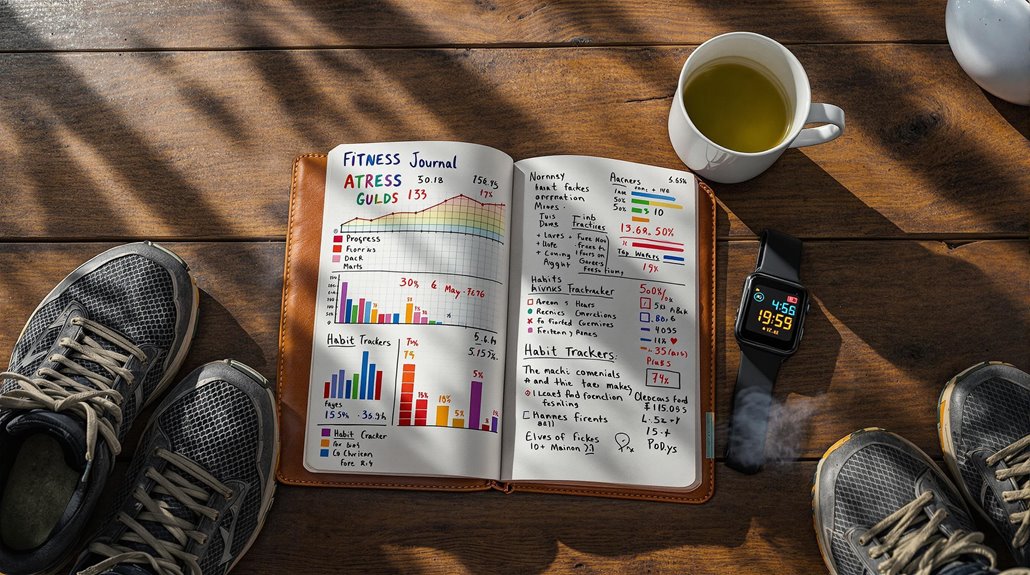
Travelers on an expedition need clear markers to stay on course, and the path to positive change is no different. Men and women who track their progress are more likely to achieve their wellness goals by understanding what works and what doesn't. Keep a daily log of key metrics, including the effects of caffeine on your energy levels, sleep patterns, and overall vitality.
Your odyssey to better health requires regular check-ins with yourself and healthcare professionals. Consider monitoring these essential aspects:
- Physical indicators: Exercise frequency, energy patterns throughout the day, and sleep quality
- Mental wellness: Mood fluctuations, stress management, and emotional resilience
- Lifestyle factors: Dietary choices, work-life balance, and social connections
Be prepared to make adjustments based on your tracking results. If you notice that afternoon caffeine disrupts your sleep or certain exercise routines drain rather than energize you, modify your approach. Remember to celebrate your progress, whether it's improved sleep quality or consistent workout attendance. These small victories fuel motivation and help you maintain momentum through challenges. Regular monitoring authorizes you to make informed decisions about your health odyssey and sustain positive changes long-term.