How to Pick a Mattress Based on Your Sleep Position
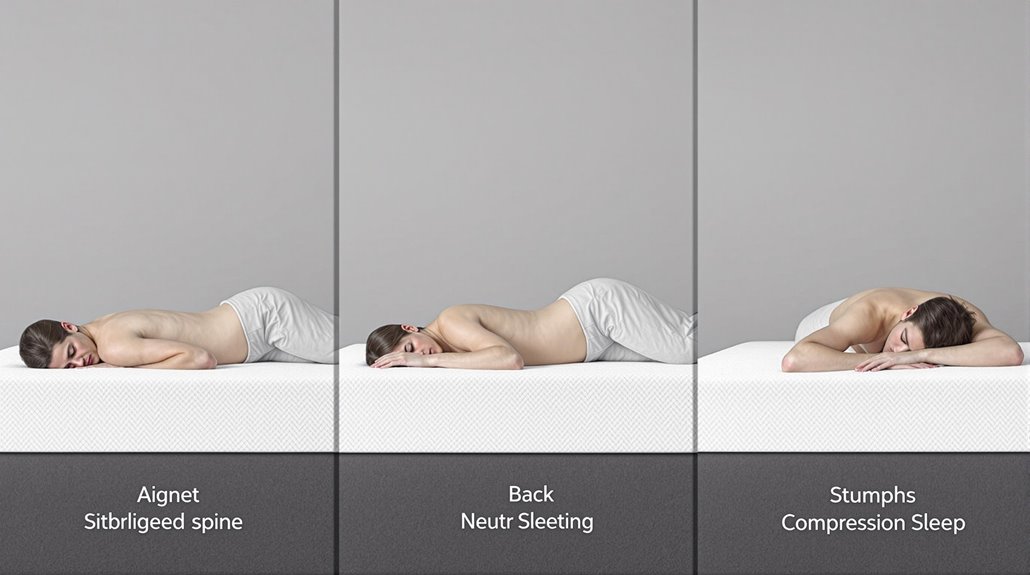
Your sleep position is the key to choosing the perfect mattress. If you're a back sleeper, you'll need a medium-firm to firm mattress that maintains your spine's natural curve. Side sleepers should opt for medium-soft to medium mattresses with excellent pressure relief for shoulders and hips. Stomach sleepers require the firmest options to prevent midsection sinking, while combination sleepers benefit from responsive hybrid mattresses that adapt to movement. A mattress that matches your preferred position can mean the difference between restless nights and invigorating sleep. Let's investigate how to find your ideal match based on your unique sleeping style.
Understanding Sleep Positions
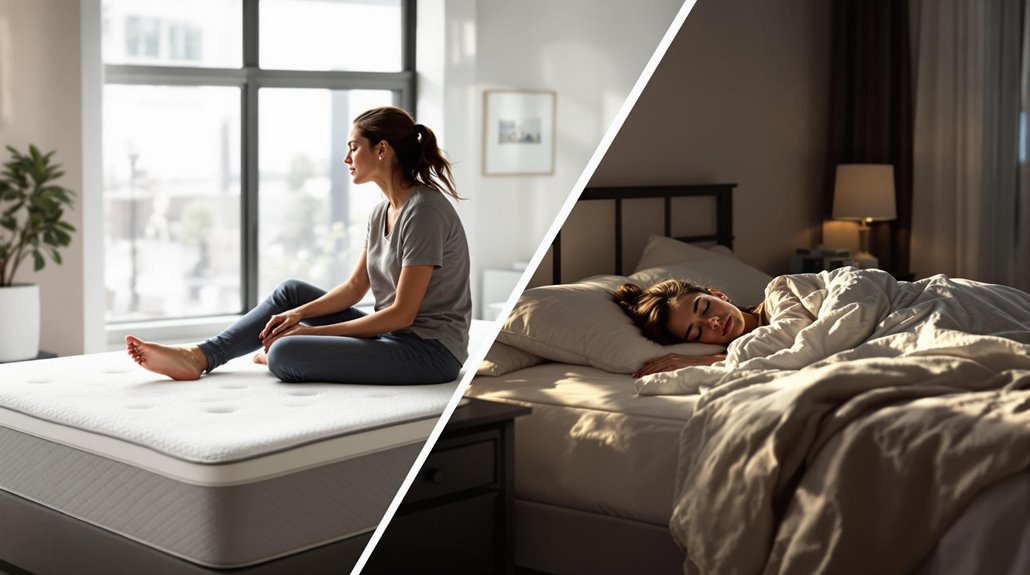
Nearly everyone has a preferred sleeping position that feels most natural and comfortable to them. Understanding your sleeping position is vital because it directly impacts the type of mattress support and pressure relief you need for quality rest.
Side sleeping is the most common position, with three-quarters of people preferring to rest this way. If you're a side sleeper, you'll need a mattress that offers excellent pressure relief for your shoulders and hips. Back sleepers require different support - you'll want a medium-firm to firm mattress that maintains proper spine alignment while supporting your entire body evenly.
If you sleep on your stomach, you'll need the firmest mattress option to prevent your midsection from sinking too deeply, which can strain your spine. For combination sleepers who switch positions throughout the night, a responsive medium-firm mattress offers the versatility you need to move comfortably.
Your sleeping position isn't just about comfort - it's about maintaining proper body alignment and support throughout the night. Whether you prefer one position or mix it up, choosing the right mattress firmness for your sleeping style can greatly improve your rest quality.
Back Sleepers Need Support
For back sleepers, three key mattress features are essential: proper spinal alignment, targeted lumbar support, and balanced weight distribution.
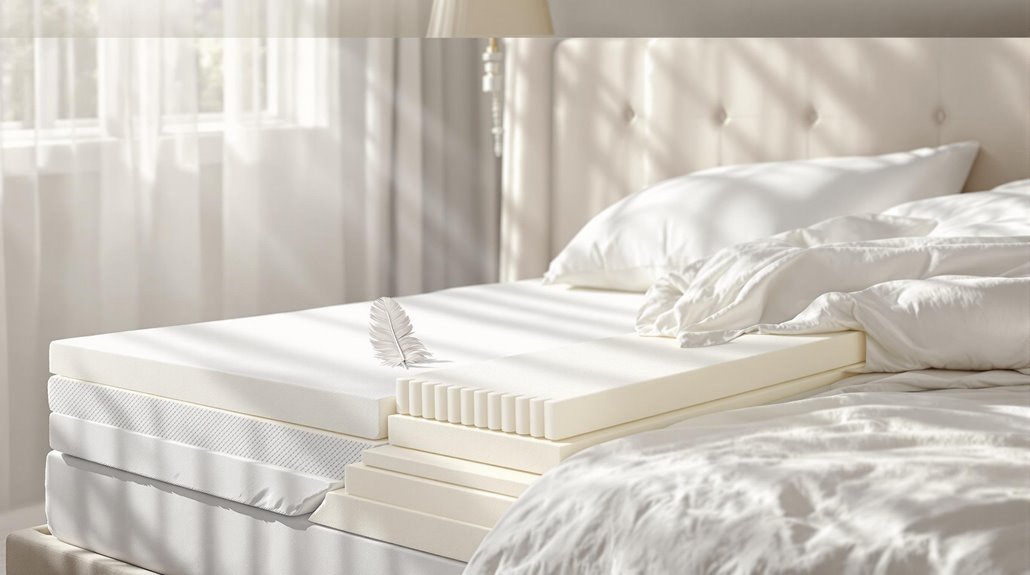
You'll want to focus on medium-firm to firm mattresses that prevent your hips and shoulders from sinking too deeply into the surface. Hybrid and innerspring mattresses are excellent choices because their coil systems provide the sturdy support your back needs while maintaining proper spinal alignment. To enhance comfort, look for models that combine supportive coils with pressure-relieving memory foam or latex comfort layers on top.
When shopping, pay special attention to mattresses with zoned support systems. These designs offer targeted firmness in your lower back area, which helps maintain your spine's natural curve and prevents morning stiffness. You'll also benefit from enhanced edge support, particularly if you tend to move around during sleep or sit on the bed's edge when getting up.
Don't compromise on support quality - a mattress that's too soft can create uncomfortable pressure points and lead to back pain. The ideal mattress for back sleepers should keep your body on an even plane while providing enough cushioning to relieve pressure along your spine.
Side Sleepers Require Pressure Relief
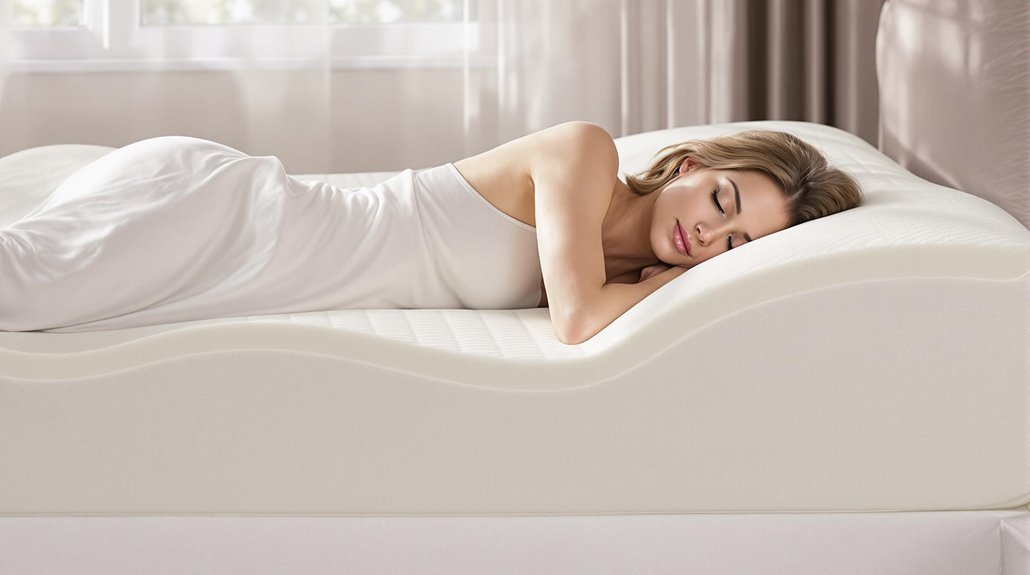
When sleeping on your side, you'll need a mattress that cradles your shoulders and hips while maintaining proper spinal alignment. The best mattresses for this sleep position are those that offer excellent pressure relief while still providing adequate support. Memory foam mattresses are particularly well-suited for side sleepers, as they conform to your body's curves and help distribute weight evenly.
For a comfortable experience, you'll want to focus on mattresses with a medium-soft to medium firmness level. This range guarantees you don't sink too deeply while still getting enough cushioning for your pressure points. Plush hybrid mattresses can also work well, combining the pressure relief of foam with the support of springs.
If you're finding your current mattress too firm for side sleeping, you can improve your comfort by adding a mattress topper. Don't forget to ponder edge support when making your choice - it's essential for preventing that uncomfortable feeling of rolling off the bed. Additionally, placing a pillow between your knees can help maintain proper hip alignment while you sleep, complementing your mattress's pressure-relieving properties.
Stomach Sleepers Demand Firmness
Stomach sleeping puts unique demands on your mattress choice, as this position requires exceptional support to maintain healthy spinal alignment. When you're lying face down, your midsection naturally wants to sink into the mattress, which can strain your lower back and neck if your bed is too soft. That's why you'll need a firm mattress that keeps your spine properly aligned throughout the night.
If you're a stomach sleeper, here's what you need to know about choosing the right mattress:
- Select a medium-firm to firm mattress that rates between 7-10 on the firmness scale to guarantee proper spinal alignment
- Consider an innerspring mattress or high-density foam option, as both provide the steady support your body needs
- Avoid plush mattresses or soft surfaces that allow your midsection to sink too deeply
- Look for mattresses specifically designed for stomach sleepers to prevent neck strain and back pain
Your best options will typically be innerspring or high-density foam mattresses that offer consistent support across the entire surface. These materials maintain their shape and firmness level, preventing the uncomfortable sinking that can lead to morning aches and pains.
Multi Position Sleep Solutions
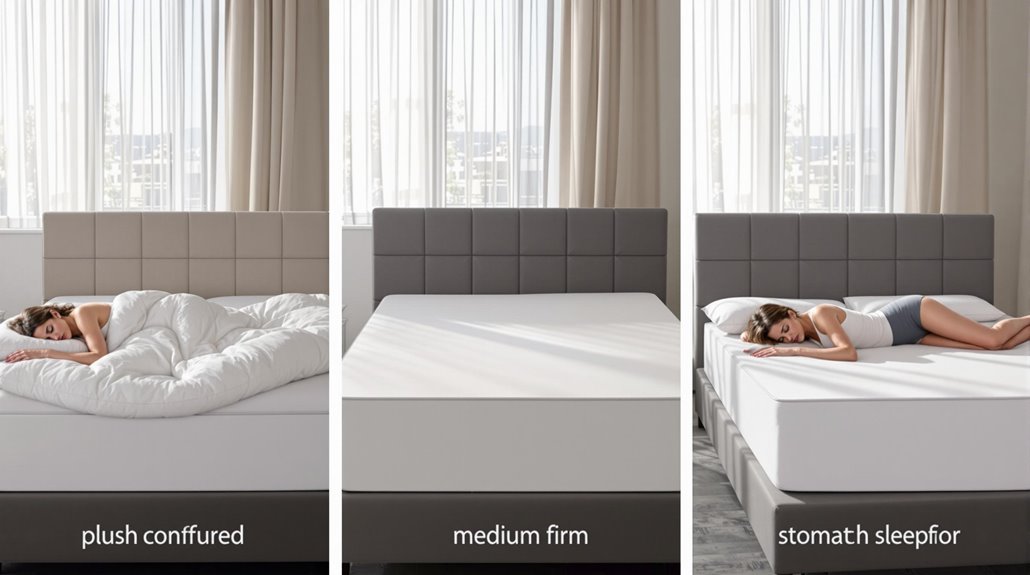
Throughout the night, many people shift between different sleep positions, making their mattress needs more complex than those who maintain a single position. If you're among these combination sleepers, you'll need a mattress that can quickly adapt to your varying sleep positions while maintaining proper support.
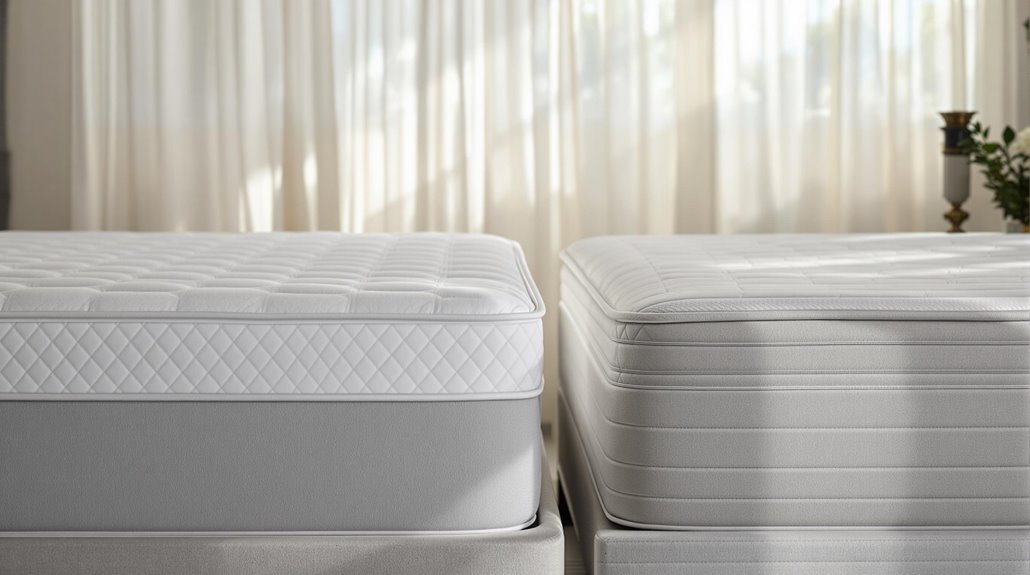
Hybrid mattresses are particularly well-suited for your needs, combining the responsiveness of coil springs with comfort layers that help manage pressure points. Look for medium-firm mattresses that provide the right balance of comfort and support without being too soft or too rigid. Motion isolation features are essential if you share your bed, as they'll prevent your position changes from disturbing your partner's sleep.
Consider investing in adjustable beds that let you customize firmness levels for different sleep positions. You'll also benefit from mattresses with zoned support systems that target specific areas of your body, ensuring proper spinal alignment regardless of how you're sleeping. The key is finding responsive mattresses that can accommodate your movement while still maintaining consistent support throughout the night. This combination of features will help you achieve restful sleep despite your changing sleeping habits.
Related posts