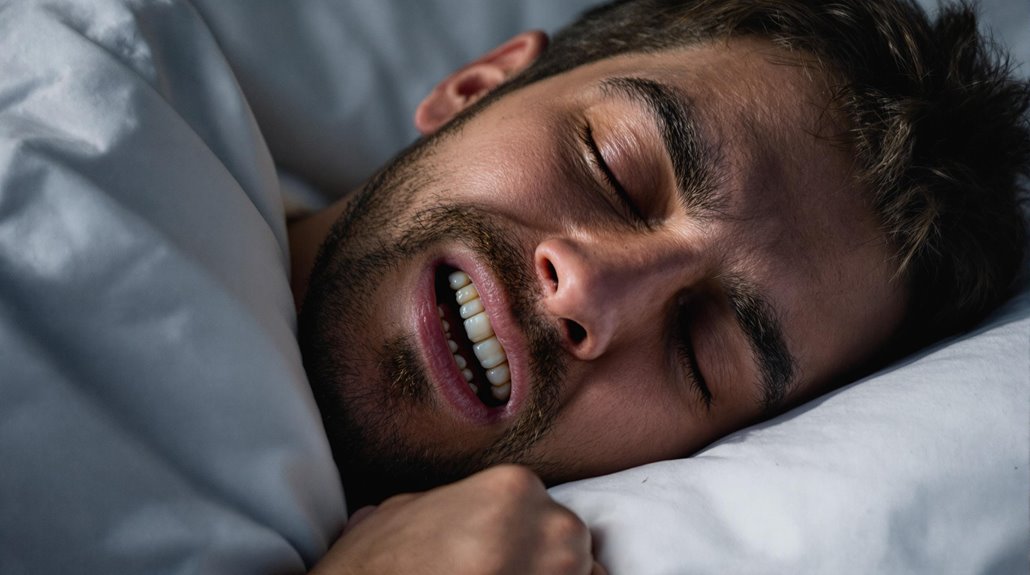
Does Lack of Sleep Lead to Headaches? The Connection Explained

When you don't get enough sleep, you're more likely to develop headaches through several biological mechanisms. Your circadian rhythms become disrupted, leading to hormone imbalances and increased stress responses in your body. Sleep deprivation lowers your natural pain threshold while causing muscle tension, dehydration, and electrolyte imbalances - all of which can trigger various types of headaches, from dull tension headaches to severe migraines. You'll notice these effects within 24 hours of poor sleep, as nearly 50% of sleep-deprived people experience headaches during this time. Understanding the complex relationship between sleep and headaches can help you prevent this painful cycle.
Understanding Sleep Deprivation
Nearly everyone experiences sleep deprivation at some point, but many don't realize its significant impact on their health. When you're not getting the recommended 7-9 hours of sleep each night, you're putting your body through a complex series of physiological changes that can lead to various health issues.
Sleep deprivation disrupts your body's natural circadian rhythms, which regulate essential biological processes and hormone production. This disruption can throw your entire system off balance, affecting everything from your mood to your physical well-being. Your brain's neuroplasticity, or its ability to form and reorganize neural connections, becomes compromised when you don't get enough rest.
You'll likely notice immediate effects when you're sleep-deprived. Your body becomes more susceptible to dehydration and electrolyte imbalances, which can trigger various physical symptoms. The stress on your system intensifies as sleep debt accumulates, creating a cycle that's difficult to break. Your body responds to this chronic stress by increasing tension in your muscles and nervous system, making you more vulnerable to physical discomfort and other health complications. Understanding these mechanisms is indispensable for recognizing why adequate sleep is essential for your overall well-being.
Types of Sleep-Related Headaches
When you're struggling with sleep deprivation, you might experience several distinct types of headaches, each with its own unique characteristics and triggers. The most common type you'll encounter is tension headaches, which create a dull, aching sensation on both sides of your head, feeling like a tight band is squeezing your skull.
Sleep deprivation can also trigger migraine headaches, which are more severe and typically affect one side of your head. You'll notice heightened sensitivity to light and sound, and you might experience nausea or vomiting alongside the pain. If you're waking up at the same time each night with head pain, you could be experiencing hypnic headaches, which are specifically linked to sleep disruption.
Cluster headaches, while less common, are particularly intense and focus around your eye area. These can strike during sleep and may last anywhere from 5 minutes to 2 hours. Your sleep-related headaches might be amplified by other factors such as dehydration or hormonal changes, which often accompany disrupted sleep patterns. Understanding these distinctions can help you better identify and address your specific type of headache.
The Science Behind Sleep Loss
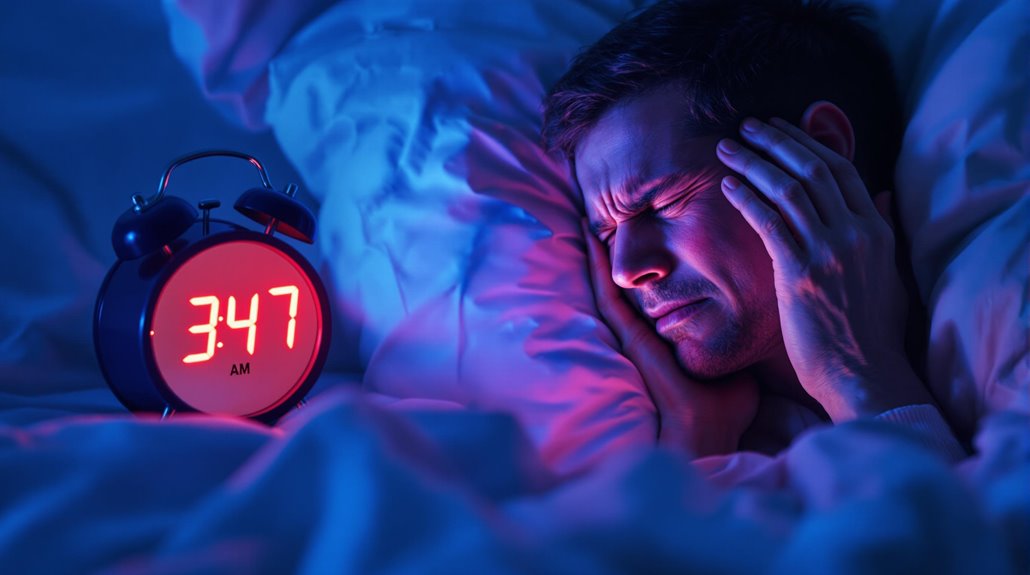
Understanding how sleep loss triggers headaches requires looking at the intricate processes happening in your brain. When you don't get enough sleep, your brain's neural plasticity decreases, making you more sensitive to pain signals. This heightened sensitivity can quickly alter into persistent headaches that you might find difficult to shake off.
Sleep deprivation creates a cascade of physiological changes in your body. It puts stress on your nervous system, leading to muscle tension that can trigger tension headaches. What's more, when you're not sleeping properly, your body's natural sleep-wake rhythm gets disrupted, causing hormonal imbalances that may spark migraines.
Your body's hydration and electrolyte balance also suffer when you're not getting adequate rest. These imbalances can intensify headache symptoms or trigger new ones. The longer you go without proper sleep, the more vulnerable your brain becomes to headache-inducing factors. It's a vicious cycle: chronic sleep loss makes your brain more susceptible to pain, which in turn can make it harder to sleep, potentially leading to more severe and frequent headaches. Understanding this connection helps explain why maintaining healthy sleep habits is essential for headache prevention.
Pain Sensitivity and Sleep
Through consistent research, scientists have established a clear link between sleep deprivation and increased pain sensitivity**. When you're not getting enough sleep, your body becomes more vulnerable to pain, making you more susceptible to headaches and other discomforts. Studies comparing individuals with sleep problems to those who get adequate rest consistently show that lack of sleep lowers your pain threshold** considerably.
The relationship between sleep disturbances and pain sensitivity is particularly concerning because it can create a vicious cycle. Here's what happens when you don't get enough rest:
- Your body's natural pain tolerance decreases, making you more sensitive to mild discomfort
- Chronic sleep problems can intensify your pain response, leading to more frequent and severe headaches
- The combination of insomnia and existing pain conditions can further reduce your pain threshold
If you're getting less than the recommended 7 hours of sleep per night, you're at risk for increased pain sensitivity. This is especially important because chronic sleep disturbances don't just affect how you experience pain temporarily - they can lead to long-term changes in your body's pain processing system.
Sleep Quality Versus Duration

Sleep quality and duration represent two distinct but interconnected factors in headache development. While you might think that simply getting more hours of sleep is the key to preventing headaches, research shows that sleep quality actually plays a more vital role than duration alone. Poor sleep quality, characterized by disruptions in sleep architecture, can increase your likelihood of developing headaches even if you're spending enough time in bed.
When your sleep architecture is compromised, particularly during essential stages like slow-wave and REM sleep, you're more susceptible to headaches. While sleep duration matters - getting less than 7-9 hours can lower your pain threshold - it's the quality of your sleep that often determines whether you'll wake up with a headache. You'll need both adequate sleep duration and quality to maintain ideal headache prevention.
If you're struggling with headaches, you should focus on maintaining consistent sleep patterns and addressing any underlying sleep disorders. Sleep apnea, for instance, can substantially impact both your sleep quality and headache frequency. By improving both aspects of your sleep, you're more likely to experience fewer and less severe headaches.
REM Sleep's Role
Delving into the specifics of REM sleep reveals its indispensable role in headache prevention. Research indicates that REM sleep deprivation may increase your likelihood of experiencing more severe headaches. During your sleep cycle, you'll typically enter rapid eye movement (REM) sleep about 90 minutes after falling asleep, marking a pivotal phase for your brain's activity.
During REM sleep, your body undergoes distinct physiological changes:
- Your brain activity intensifies to levels similar to when you're awake
- Your breathing becomes faster and more regular
- Your heart rate and blood pressure increase, accompanied by rapid eye movements
Your brain's heightened activity during REM sleep serves essential functions that may help prevent headaches. When you don't get enough REM sleep, you're potentially disrupting these protective mechanisms. While REM sleep isn't the only sleep stage that matters - other sleep phases also contribute to headache prevention - it's particularly significant. Understanding this connection can help you prioritize getting adequate sleep and maintaining a consistent sleep schedule to reduce your risk of headache occurrence.
Breaking the Sleep-Headache Cycle
While REM sleep plays a key role in headache prevention, understanding how to break the harmful cycle between poor sleep and headaches requires a broader approach. When you're caught in this cycle, addressing both sleep issues and headache triggers simultaneously becomes essential for finding relief.
Your body's pain threshold drops extensively when you don't get enough quality sleep, making you more susceptible to headaches. This increased sensitivity can turn minor triggers into major pain events, especially if you're dealing with underlying sleep disorders or poor sleep hygiene habits. What's more, chronic stress and depression can further lower your pain threshold, creating a perfect storm for both sleep disruptions and persistent headaches.
To break free from this cycle, you'll need to tackle the root causes of your sleep deprivation. This means identifying and treating any existing sleep disorders, improving your sleep hygiene practices, and managing stress levels effectively. By taking steps to regulate your sleep-wake patterns, you're not just improving your sleep quality - you're also reducing your vulnerability to headaches and creating a foundation for better overall health.
Managing Sleep Disorders
For those struggling with persistent headaches, managing underlying sleep disorders is often the crucial first step toward relief. If you're dealing with sleep apnea, using a continuous positive airway pressure (CPAP) device can significantly reduce both your breathing difficulties and associated headaches. For chronic insomnia sufferers, cognitive-behavioral therapy has proven to be a highly effective non-medication approach that helps retrain your brain for better sleep patterns.
Your healthcare provider might recommend several key treatment approaches:
- Medical interventions - Including short-term prescription medications like benzodiazepines or hypnotics to help regulate your sleep cycle
- Therapeutic solutions - Working with a specialist on cognitive-behavioral therapy techniques to address sleep-disrupting thoughts and behaviors
- Lifestyle modifications - Establishing consistent bedtime routines and creating a favorable sleep environment
You'll want to focus on developing healthy sleep habits while treating any underlying disorders. This dual approach typically yields the best results. If you're using a CPAP machine, be sure you're using it consistently and properly. Remember, proper sleep disorder management isn't just about treating symptoms - it's about addressing the root cause of your sleep-related headaches.
Sleep Hygiene Best Practices

Good sleep hygiene forms the foundation of restful, headache-free nights. To maintain proper sleep hygiene, you'll need to establish consistent bedtime and wake-up times, even during weekends. This regularity helps regulate your body's natural sleep-wake cycle, making it easier to fall asleep and wake up refreshed.
Your sleep environment plays a pivotal role in quality rest. Keep your bedroom cool, dark, and quiet to create ideal sleeping conditions. You can use blackout curtains, earplugs, or white noise machines if needed. Before bed, establish a calming routine that helps you unwind, such as reading a book or taking a warm bath.
Digital devices can extensively disrupt your sleep patterns, so put them away at least 30 minutes before bedtime. The blue light from screens interferes with your sleep-wake cycle by suppressing melatonin production. Additionally, incorporate regular physical activity into your daily routine, but schedule workouts earlier in the day. Exercise promotes better sleep quality, but intense physical activity too close to bedtime can make it harder to fall asleep.
Natural Remedies and Solutions
Natural remedies offer effective relief for sleep deprivation headaches without relying on medication. You'll find several comprehensive approaches that can help manage and prevent these uncomfortable symptoms. Aromatherapy using peppermint oil or lavender oil provides quick relief when applied to your temples or forehead. These essential oils work to reduce tension and promote relaxation.
For long-term prevention and treatment, consider these proven solutions:
- Take natural supplements like feverfew, ginger, or magnesium, which have demonstrated effectiveness in combating headache symptoms
- Schedule regular massage sessions to release muscle tension and reduce stress in your neck and shoulders
- Stay consistently hydrated throughout the day by drinking water regularly
Incorporating relaxation techniques into your daily routine can extensively reduce your chances of developing sleep deprivation headaches. Practice deep breathing exercises or meditation, especially before bedtime, to help calm your mind and body. These methods not only prevent headaches but also improve your overall sleep quality. Remember to maintain consistency with these natural approaches, as they work best when used regularly as part of your wellness routine.
Medical Treatment Options
Medical professionals offer a range of treatments when natural remedies alone aren't enough to combat sleep-related headaches. Your doctor may prescribe specific medications like triptans or ergots to prevent and treat migraines triggered by poor sleep patterns. For less severe tension headaches, you'll find relief with over-the-counter pain relievers that target sleep deprivation symptoms.
If you're experiencing chronic migraines related to sleep issues, your healthcare provider might recommend preventive medications such as beta-blockers or Botox injections. These treatments can substantially reduce the frequency and intensity of your headaches. When sleep disorders are suspected as the underlying cause, you may need to undergo a sleep study to identify and address these issues properly.
Your medical treatment plan might also include complementary therapies alongside prescribed medications. Options like nerve blocks can provide targeted relief, while supplements may help regulate your sleep-wake cycle. It's important to work closely with your healthcare provider to determine the most effective combination of treatments, as they'll consider your specific symptoms, medical history, and sleep patterns when developing your personalized treatment strategy.
Prevention Strategies
Practicing consistent sleep habits remains the cornerstone of preventing sleep-related headaches. By implementing good sleep hygiene practices, you'll reduce your risk of developing these painful episodes. Creating a relaxing bedtime routine and sticking to regular sleep-wake times helps your body maintain a healthy sleep cycle.
To optimize your sleep environment and prevent headaches, focus on these essential strategies:
- Set your bedroom temperature between 60-67°F (15-19°C), dim the lights an hour before bed, and use blackout curtains to create an ideal sleeping atmosphere
- Remove electronic devices from your bedroom, as blue light can interfere with falling asleep naturally, and keep your phone at least six feet away from your bed
- Avoid caffeine, alcohol, and heavy meals within 4-6 hours of bedtime, as these can disrupt your sleep patterns
Remember to address any underlying stress or anxiety that might affect your sleep quality. Consider practicing relaxation techniques like deep breathing, meditation, or gentle stretching before bed. If you're consistently struggling to maintain a healthy sleep schedule despite these measures, consult a healthcare provider for additional guidance.
Risk Factors to Consider

While prevention strategies can help minimize sleep-related headaches, understanding your personal risk factors will strengthen your defense against them. If you're experiencing recurring headaches due to sleep deprivation, you'll want to assess several key factors that might be increasing your susceptibility.
Your body's hormonal imbalances can play a significant role in developing these headaches, particularly when your sleep-wake cycle becomes disrupted. Additionally, if you're not staying properly hydrated or maintaining healthy electrolyte levels, you're more likely to experience headache symptoms when you're short on sleep. Pay special attention if you have underlying sleep disorders, such as sleep apnea, as these conditions can dramatically increase your risk of developing sleep-related headaches.
Your lifestyle choices matter too. If you regularly consume caffeine or other stimulants before bedtime, you're creating conditions that can interfere with your neural plasticity and sleep quality. Similarly, if your sleeping environment isn't conducive to rest, you're more likely to experience increased bodily tension and stress, which can trigger headaches. Understanding these risk factors enables you to make informed decisions about your sleep habits and overall health management.
Long-Term Health Implications
The consequences of chronic sleep deprivation stretch far beyond occasional headaches, potentially reshaping your long-term health outlook. When you consistently don't get enough sleep, you're setting yourself up for serious chronic health problems that can enormously impact your quality of life.
Your body's response to ongoing sleep deficiency can manifest in several critical ways:
- You'll face an increased risk of cardiovascular issues, including high blood pressure and heart disease, while also becoming more vulnerable to type 2 diabetes and obesity
- Your immune system weakens tremendously, making you more susceptible to infections and prolonging recovery times from illness
- You're more likely to develop mood disorders like depression and anxiety, which can create a vicious cycle of worsening sleep problems
What's particularly concerning is how sleep deprivation triggers increased inflammation throughout your body, potentially aggravating existing health conditions. Your cognitive abilities also take a hit - you'll likely experience impaired memory, decreased focus, and reduced problem-solving skills. These effects don't just impact your daily performance; they can lead to lasting changes in your brain function and overall health if left unaddressed.