Common Sleeping Problems in Children and How to Address Them
Your child's sleep problems aren't uncommon - they affect 20-30% of kids. Watch for signs like trouble falling asleep, excessive daytime sleepiness, snoring, or night terrors. Common issues include behavioral insomnia, sleep apnea, and parasomnias like sleepwalking. You can address many sleep problems by establishing consistent bedtime routines and practicing good sleep hygiene. For medical conditions like sleep apnea or restless legs syndrome, you'll need to consult a sleep specialist. While some issues resolve with age, others may require specific treatments. Understanding the root cause of your child's sleep troubles will help you find the most effective solution.
Understanding Childhood Sleep Disorders
While most children occasionally experience sleep difficulties, persistent sleep disorders affect a substantial portion of young people, with 20-30% of children facing various sleep-related challenges. Understanding these sleep disorders in children is vital for identifying and addressing sleep problems early on.
Behavioral and conditioned insomnia are among the most prevalent issues, often linked to poor sleep habits and inconsistent bedtime routines. You'll find that proper sleep hygiene can markedly improve these conditions. Obstructive sleep apnea, affecting 1-5% of children, requires medical attention, particularly when enlarged tonsils or adenoids are involved.
Parasomnias, including sleepwalking and night terrors, are common but typically resolve by adolescence. If your child experiences restless legs syndrome, characterized by uncomfortable leg sensations, be aware that it often has genetic components and needs medical management. Sleep bruxism, or teeth grinding, may indicate underlying stress or other sleep disorders.
Signs of Poor Sleep Quality
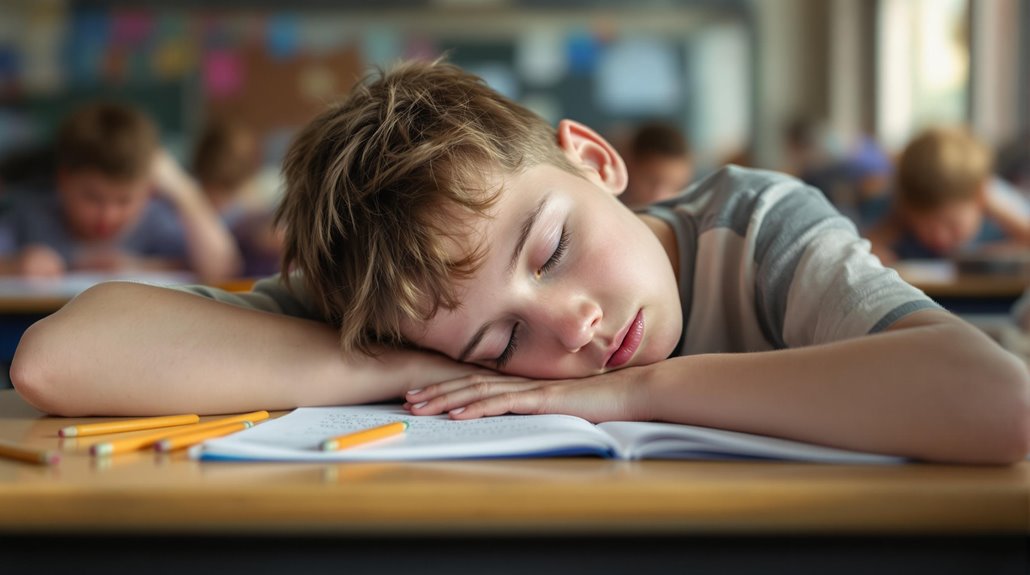
Recognizing signs of poor sleep quality in children requires careful observation of both nighttime and daytime behaviors. If your child has trouble falling asleep or staying asleep throughout the night, these could be pivotal indicators that they're experiencing sleep issues. Pay attention to signs of excessive daytime sleepiness, which often signals underlying sleep problems.
Watch for specific symptoms that might indicate sleep disorders. If you notice your child snoring or having breathing pauses during sleep, they could be experiencing sleep apnea, which requires medical attention. Parasomnias like bedwetting, sleepwalking, or night terrors can profoundly impact your child's sleep quality and should be discussed with their healthcare provider.
Your child's sleep schedule is another central indicator. If they're struggling to maintain a consistent bedtime or having difficulty waking up in the morning, they might be dealing with a circadian rhythm disorder. Additionally, keep an eye out for restless behaviors during sleep, such as frequent leg movements or complaints about uncomfortable sensations in their legs. These symptoms could point to conditions like restless leg syndrome that affect sleep quality and require proper treatment.
Common Types of Sleep Disturbances
These signs of poor sleep quality often point to specific sleep disorders that children commonly experience. Insomnia, affecting 20-30% of children, is the most prevalent child sleep disorder and can develop from behavioral patterns or conditioned responses to their sleep environment.
Your child might be experiencing obstructive sleep apnea if they snore loudly, pause while breathing during sleep, or show daytime sleepiness. This condition affects 1-5% of children and typically stems from enlarged tonsils or adenoids. Parasomnias, including sleepwalking and night terrors, are also common sleep disorders that usually resolve as your child grows older.
You'll want to pay attention if your child complains about uncomfortable leg sensations at bedtime, as this could indicate restless legs syndrome. Additionally, if your teenager consistently can't fall asleep at a regular bedtime despite good sleep habits, they might have delayed sleep phase disorder. Both conditions require medical attention to obtain proper treatment and management. Understanding these common sleep disturbances can help you identify when it's time to consult a healthcare provider about your child's sleep issues.
Behavioral Sleep Issues
Beyond physical sleep disorders, behavioral sleep issues pose significant challenges for many families, affecting up to 30% of children. If your child's sleep is disrupted by difficulty falling asleep or staying asleep, bedtime resistance, or irregular sleep patterns, you're dealing with common behavioral sleep concerns that can impact your family's quality of life.
Children and teens who struggle with behavioral sleep issues often experience daytime fatigue, mood swings, and decreased academic performance. To help your child get a good night's sleep, you'll need to implement consistent strategies. Start by establishing a calming bedtime routine that signals it's important to wind down. This might include limiting screen time before bed, creating a sleep-friendly environment, and maintaining regular sleep schedules.
When seeking sleep advice for behavioral issues, consider evidence-based approaches like graduated extinction and positive reinforcement. These techniques have proven effective in addressing behavioral sleep issues. Remember, untreated sleep problems can have lasting effects on your child's cognitive development and overall well-being, so addressing these concerns promptly and consistently is crucial.
Medical Sleep Conditions
Medical sleep conditions can disrupt your child's rest in ways that require professional intervention. While some issues like parasomnias and night terrors typically resolve on their own with age, others need medical attention. Obstructive sleep apnea, affecting 1-5% of children, often stems from enlarged tonsils/adenoids and requires evaluation by a sleep specialist.
Several medical sleep conditions require specific approaches:
- Behavioral insomnia of childhood needs consistent bedtime routines and extinction techniques rather than medication
- Delayed sleep phase disorder, common in teenagers, responds well to a combination of good sleep hygiene, melatonin supplements, and light therapy
- Restless legs syndrome may be linked to iron deficiency and requires careful management of triggers
- Obstructive sleep apnea often requires surgical intervention to address enlarged tonsils/adenoids
If you notice persistent sleep issues in your child, don't hesitate to seek professional help. While some conditions like parasomnias typically need only parental reassurance, others may require medical intervention. Your pediatrician can help determine whether a referral to a sleep specialist is necessary for proper diagnosis and treatment.
Creating Healthy Sleep Routines
While treating medical sleep conditions is important, establishing healthy sleep routines can prevent many common sleep problems from developing in the first place. Creating consistent sleeping habits helps regulate your child's sleep-wake cycle and promotes good sleep quality throughout the night.
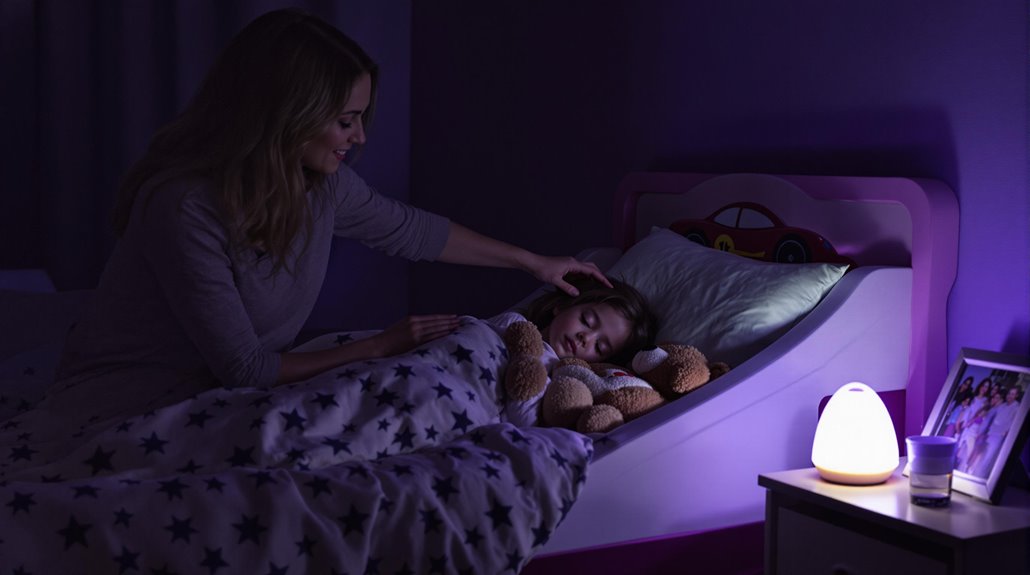
Start by implementing a structured bedtime routine that includes quiet time activities like reading or gentle stretching. You'll want to avoid screens and stimulating activities at least an hour before bed, as these can interfere with your child's ability to fall asleep. Creating a calm, dimly lit environment with minimal noise will help signal to your young children that it's time to wind down.
Keep in mind that lifestyle changes take time to show results. You might find it helpful to maintain a sleep diary to track your Children's Sleep patterns as you establish new routines. When facing schedule disruptions like time changes or travel, try to adjust bedtimes gradually over several days. Remember that it can take up to four weeks for new sleep routines to become habits, so stay consistent with your approach. If you maintain these practices, you'll help your child develop healthy sleep patterns that can last a lifetime.
Environmental Sleep Factors
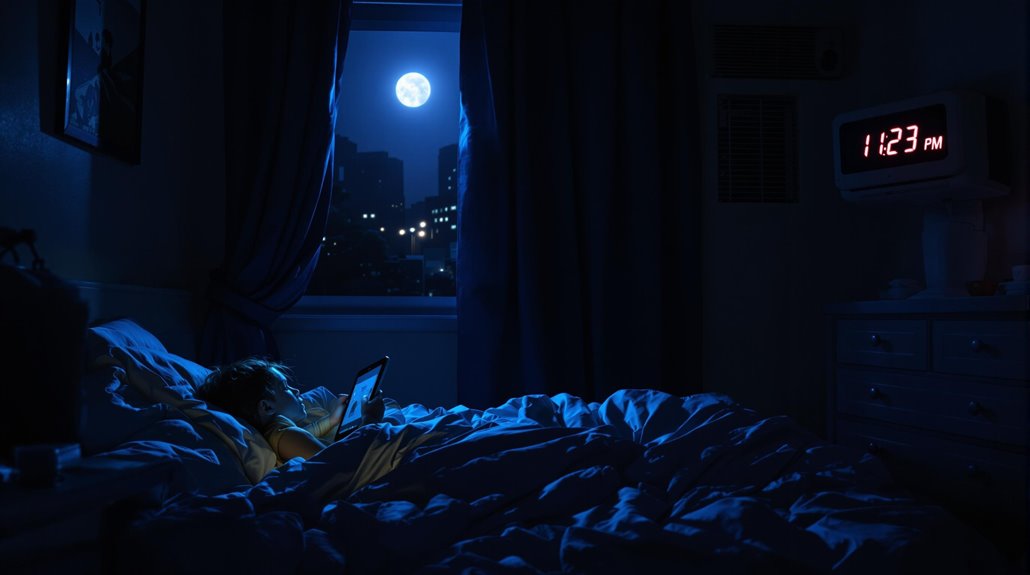
In your child's bedroom, several environmental factors play an essential role in promoting quality sleep. If your child's having trouble falling asleep or experiencing sleeping disorders, you'll want to evaluate and adjust their sleep environment first. Creating favorable conditions can noticeably improve your child's sleep quality and help prevent common sleep issues.
Key environmental factors to ponder for your child's bedroom:
- Temperature: Maintain a moderate, comfortable temperature - not too hot or cold, as extreme temperatures can disrupt sleep patterns
- Lighting: Keep the room dimly lit or dark, using blackout curtains if needed to block out external light sources
- Noise levels: Minimize disruptive sounds, considering white noise machines if complete silence isn't possible
- Comfort items: Guarantee the bed, pillows, and bedding are comfortable and appropriate for your child's needs
If environmental adjustments don't resolve your child's sleep problems, particularly for children with obstructive sleep issues, consult a healthcare provider. They might recommend further evaluation, such as a sleep study or continuous positive airway pressure therapy. Remember that finding the right environmental balance may require some trial and error, but it's worth the effort for good sleep quality.
Treatment Options and Solutions
Treatment options for children's sleep problems typically start with non-medical approaches before considering medication. You'll want to establish consistent bedtime routines and modify your child's sleep environment, as these changes can dramatically improve pediatric sleep issues, including sleep talking and periodic limb movement disorder.
To address excessive daytime sleepiness, guarantee your child gets enough physical activity during daylight hours, particularly outdoors. If your child experiences sleep apnea (OSA), which often relates to enlarged tonsils and adenoids, medical intervention might be necessary. In some cases, a CPAP machine may be recommended to maintain proper breathing during sleep stages, including rapid eye movement periods.
You can implement dietary modifications by limiting caffeine intake and ensuring proper iron levels, which can affect sleep quality. Create an ideal sleep environment by maintaining moderate room temperature, reducing noise, and controlling light exposure. Remember that while medication might be prescribed in severe cases, most childhood sleep disorders respond well to behavioral and environmental adjustments. Always consult healthcare providers to develop a complete treatment plan customized to your child's specific sleep issues.
Prevention Strategies
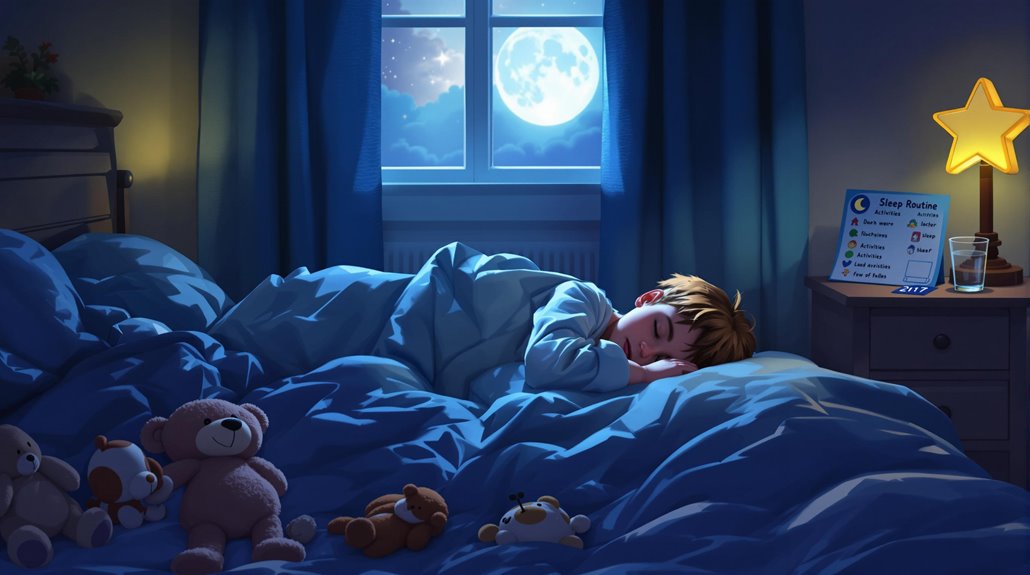
Preventing sleep problems in children requires a proactive approach that starts well before bedtime. To help your child fall asleep and stay asleep through the night, you'll need to create an environment and routine that promotes healthy sleep habits. Make sure your child gets enough physical activity during the day, as this can substantially affect how well they sleep at night.
Consider implementing these essential prevention strategies:
- Establish a consistent bedtime routine with calming activities like reading, gentle music, or quiet play to help your child wind down naturally
- Create an ideal sleep environment by keeping the room dark, quiet, and at a comfortable temperature
- Limit screen time and caffeine intake, especially in the hours leading up to bedtime
- Monitor for signs of sleep disorders, such as sleep apnea (OSA), and seek medical attention if needed
Remember that effective treatment of sleep issues often begins with prevention. If your child develops sleep problems despite these measures, don't hesitate to consult their healthcare provider. They can help identify any underlying medical conditions and recommend additional strategies personalized to your child's specific needs.
Working With Healthcare Providers
Healthcare providers play a pivotal role when your child's sleep problems persist beyond basic interventions. If your child continues to experience sleep difficulties that affect their daily functioning, it's essential to seek professional medical assessment. Common sleep disorders like sleep apnea and insomnia require specialized diagnosis and treatment approaches that only healthcare providers can offer.
Your child's pediatrician may refer you to sleep medicine specialists or a Children's Hospital for a comprehensive evaluation. These experts can order specific tests, including sleep studies, to examine your child's upper airway function and other sleep-related parameters. If diagnosed with sleep apnea, for instance, your doctor might recommend treatments like a CPAP machine to help your Child With Sleep difficulties breathe better during rest.
To help your child Sleep Better, you'll need to work closely with healthcare providers and share detailed information about sleep patterns, behaviors, and concerns. This collaboration often extends to teachers and other caregivers who can provide valuable insights about your child's daytime functioning. Remember that managing sleep disorders often requires a team approach, and your healthcare providers will guide you through the most appropriate treatment options for your child's specific situation.