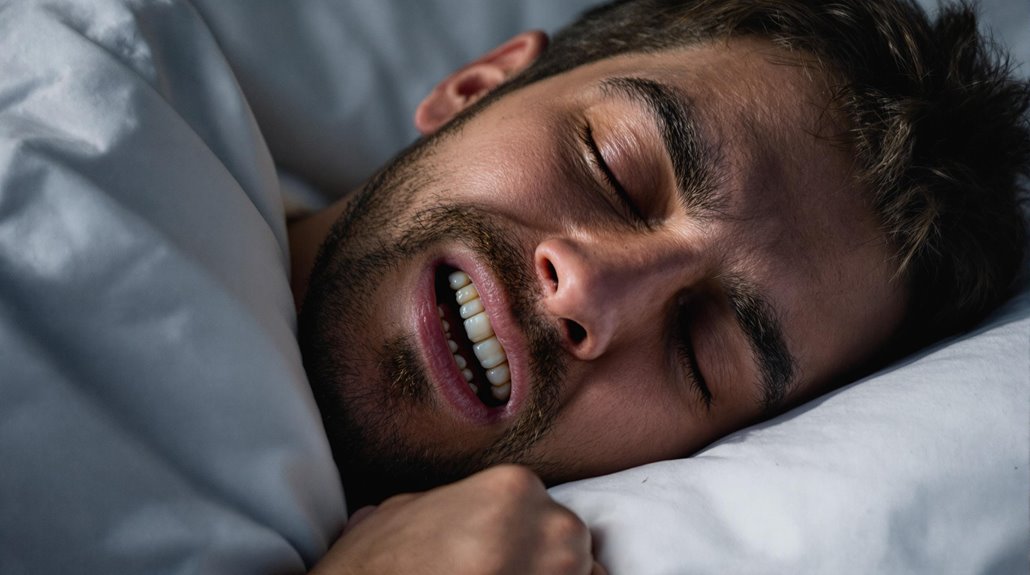
Bizarre and Unusual Sleep Disorder Cases That Defy Logic

You'll find sleep disorders that go far beyond typical insomnia and into truly bizarre territory. Imagine physically fighting invisible opponents while dreaming, eating entire meals while unconscious, or being trapped in your body while fully aware. Some conditions, like Kleine-Levin Syndrome, can force people to sleep for 20 hours daily, while others like Fatal Familial Insomnia prevent sleep entirely - leading to death within months. Even stranger are cases where perfectly healthy individuals suddenly develop mysterious sleeping patterns that puzzle medical experts. The deeper you venture into these sleep phenomena, the stranger and more unsettling they become.
When Dreams Become Reality
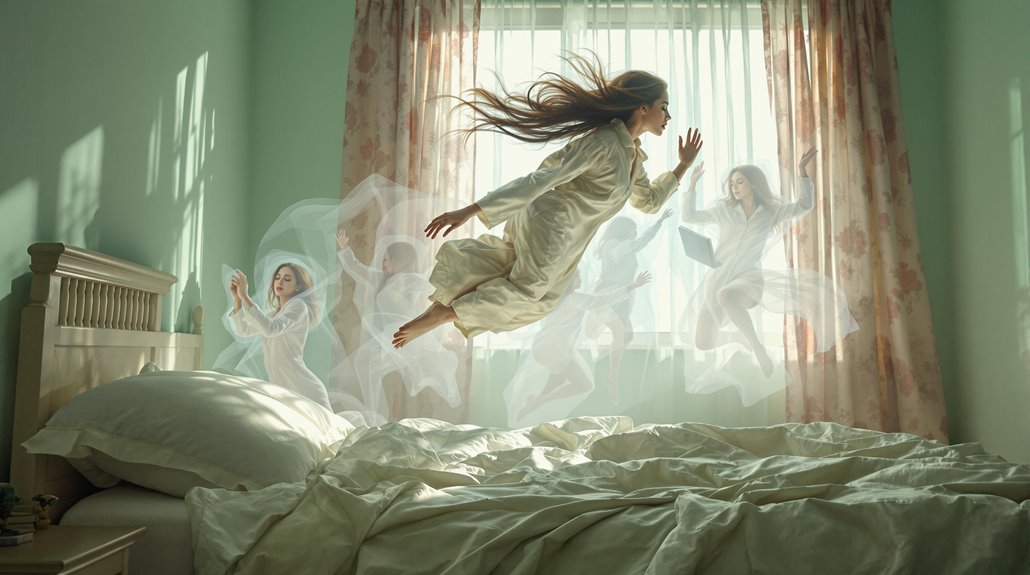
Dreams are meant to stay in our minds, but for some people, the boundary between sleep and wakefulness becomes dangerously blurred. When you suffer from REM-sleep behavior disorder, you'll find yourself physically acting out your dreams, throwing punches and kicks that could harm both you and your bed partner. It's a stark reminder that sleep disorders can alter peaceful nights into potentially hazardous situations.
You might also experience the terrifying grip of sleep paralysis, where you're conscious but unable to move or speak. What makes it worse are the vivid hallucinations that often accompany this state, leaving you feeling trapped in your own body while experiencing frightening visions. If that's not unsettling enough, imagine being jolted awake by what sounds like an explosion in your head. That's exactly what happens with exploding head syndrome, a startling phenomenon that occurs just as you're drifting off to sleep.
These disorders highlight how the line between dreams and reality can become distorted, turning what should be restful sleep into a nightly challenge that requires medical attention and proper management techniques.
The Sleeping Beauty Phenomenon
Imagine sleeping for weeks on end, trapped in a cycle of seemingly endless slumber. This isn't a fairy tale - it's the reality for those affected by Kleine-Levin syndrome, also known as "sleeping beauty syndrome," a rare sleep disorder that primarily impacts teenage males.
You'd be surprised to learn that sufferers can sleep up to 20 hours daily during episodes, which may persist for days or weeks. When they're awake, they're often disoriented, experiencing intense food cravings and heightened sexual urges. It's like their brain has entered an alternate state of consciousness, disconnected from normal daily rhythms.
What makes this condition particularly challenging is its unpredictable nature. You might function normally for weeks or months, then suddenly find yourself plunged into another episode of excessive sleep. While doctors haven't pinpointed the exact cause, they believe it stems from dysfunction in the brain's sleep and appetite control centers.
There's hope, though. If you're affected by this condition, you'll likely see improvement as you age. Most people experience fewer and shorter episodes as they move into adulthood, gradually regaining control over their sleep patterns.
Midnight Food Raids

During the quiet hours of night, some people find themselves caught in an unsettling cycle of unconscious eating episodes. If you've ever encountered someone rummaging through the kitchen at 2 AM with a glazed look in their eyes, you might have witnessed sleep-related eating disorder in action. This peculiar condition disrupts the natural sleep-wake cycle, as sufferers unconsciously wake up to eat, often with no memory of their midnight explorations.
- You'll raid the kitchen while partially asleep, gravitating toward sugary and high-calorie foods
- You'll experience difficulty controlling eating during these episodes, even more than when you're fully awake
- You'll likely gain weight over time due to these unconscious feeding sessions
What makes this disorder particularly challenging is that you're operating in a twilight state between sleeping and wakefulness. Your brain isn't fully conscious, yet your body acts out complex behaviors like preparing and consuming food. Unlike typical nighttime snacking, where you're making conscious decisions, sleep-related eating disorder removes your ability to regulate food choices or portion sizes, leading to concerning health implications and disrupted sleep patterns.
Fighting Through The Night
Desperation grips those fighting mysterious sleep disorders, as illustrated by the case of a 19-year-old college freshman who suddenly began sleeping up to 20 hours daily. You'll find that his battle through each night became increasingly challenging as doctors struggled to pinpoint the cause of his condition. Unlike typical sleep disorders or sleep paralysis, his symptoms included intense headaches and periods of unresponsiveness that couldn't be explained by normal REM sleep patterns.
When you look at the extensive testing performed at Children's Minnesota hospital, you'll see how complex his case became. Despite blood work, scans, and multiple specialist consultations, the medical team couldn't determine why this previously healthy student suddenly became withdrawn and disconnected from his surroundings. His pediatrician's coordination with the hospital team demonstrates the collaborative effort often required when fighting unusual sleep disorders.
You might be surprised to learn that even with modern medical advancements, some sleep disorders remain medical mysteries. The 190 comments from readers suggest you're not alone if you've encountered similar diagnostic challenges in the medical system.
Trapped Between Sleep and Wakefulness
Living between sleep and wakefulness creates a haunting reality for those with rare sleep disorders like Kleine-Levin syndrome and fatal familial insomnia. You might find yourself trapped in a terrifying state where your mind's awake, but your body won't respond during sleep paralysis. As you're falling asleep or waking up, you're unable to move, speak, or escape the frightening hallucinations of menacing presences looming over you.
- During these episodes, you might experience intense feelings of suffocation or pressure on your chest, making the paralysis even more distressing
- Your brain can play cruel tricks by creating explosive sounds that seem to originate from within your head
- Some individuals even act out their dreams violently during REM sleep, putting themselves and their bed partners at risk
The boundary between sleep and consciousness becomes dangerously blurred for those with these disorders. While some people, like those with Kleine-Levin syndrome, might sleep for days or weeks, others with fatal familial insomnia face a grimmer reality - the inability to sleep at all, leading to a devastating decline in health and eventual death.
Explosions Inside The Mind
Deep within the mysteries of sleep lies a startling phenomenon known as Exploding Head Syndrome, where you might suddenly hear deafening crashes, gunshots, or thunderous booms that seem to originate inside your skull. Unlike other sleep disorders such as sleep paralysis or sleep apnea, this rare condition doesn't cause physical harm, though it can be incredibly distressing when you experience it.
While researchers haven't pinpointed the exact cause, they believe it's linked to sudden shifts in your brain's electrical activity during sleep shifts. You're most likely to experience these phantom explosions when you're either falling asleep or waking up. Unlike many other Neurological Disorders, Exploding Head Syndrome doesn't come with pain or physical symptoms, but the psychological impact can be significant. The fear and anxiety triggered by these episodes can create a cycle of sleep disruption and stress.
If you're among the estimated 10% of people who experience this bizarre phenomenon, you'll find comfort in knowing that episodes typically become less frequent as you age. Despite its alarming name and symptoms, this condition remains a benign, though mysterious, aspect of sleep disorders.
The Fatal Sleep Mystery

Medical experts found themselves confronting a baffling case when a 19-year-old college freshman began sleeping for up to 20 hours each day. This mysterious sleep disorder altered the young man's life into what doctors described as a "waking dream," where he remained largely unaware of his surroundings even during brief periods of consciousness.
The case presented three particularly puzzling aspects:
- Standard medical tests, including extensive blood work and imaging, revealed no clear cause
- Multiple specialists couldn't determine the underlying trigger for the extreme daytime sleepiness
- The symptoms didn't match known conditions like familial insomnia or other documented sleep disorders
As medical professionals continued their investigation, the case attracted significant attention from the medical community and public alike, generating extensive discussion about rare sleep conditions. You might wonder how someone's life could change so dramatically without warning or explanation. Despite exhaustive testing and consultation with numerous specialists, the young man's condition remained a perplexing mystery, highlighting the limitations of modern medicine in understanding complex neurological disorders.
Living Without Rest
Anyone who's witnessed the devastating effects of sleep disorders knows they can completely alter a person's life. Among the most severe cases, fatal familial insomnia stands out as a terrifying condition where your brain simply loses its ability to achieve rest. This rare genetic sleep disorder leads to complete sleeplessness, causing rapid physical and mental deterioration until death occurs, typically within 18 months.
You might think excessive sleeping would be preferable, but Kleine-Levin syndrome proves otherwise. This condition forces you into episodes of extreme sleeping that can last for weeks, accompanied by disturbing behavioral changes. Meanwhile, narcolepsy disrupts your daily life with unexpected sleep attacks and frightening symptoms like sleep paralysis and hallucinations.
The lack of sleep can manifest in strange ways, like in exploding head syndrome, where you'll hear phantom crashes and bangs in your head while trying to rest. Perhaps most mysterious is SUDS, which silently claims the lives of young Southeast Asian men during sleep, leaving medical experts puzzled. These conditions remind us that sleep isn't just a luxury - it's a complex biological process that, when disrupted, can have devastating consequences.
Sleep's Most Dangerous Manifestations
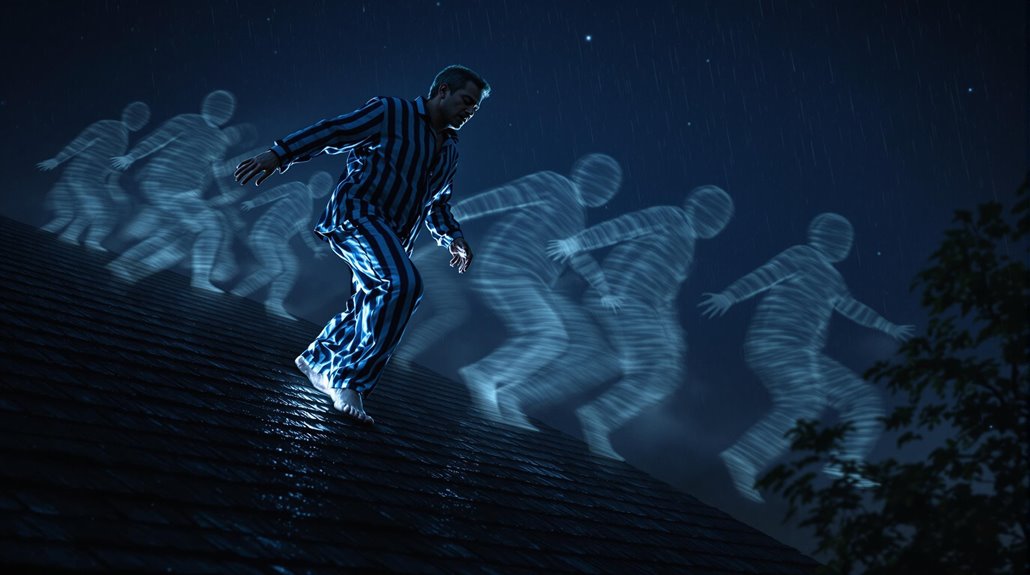
Five deadly sleep disorders stand out as particularly devastating manifestations of disturbed sleep patterns. You'll find some of these conditions so rare and peculiar that they challenge our understanding of sleep medicine. Among these disorders, SUDS specifically targets Southeast Asian males, striking silently during sleep, while Fatal Familial Insomnia stems from a genetic mutation that leads to death within 18 months.
- The most lethal sleep disorders can cause death within hours or months
- Some conditions affect specific ethnic groups or families exclusively
- Many of these disorders involve complex neurological dysfunctions
You might be surprised to learn that Klein-Levin Syndrome can force people to sleep for up to 20 hours daily, disrupting their lives with hypersexuality and confusion. While Exploding Head Syndrome isn't fatal, it creates terrifying auditory hallucinations that can severely impact mental well-being. Narcolepsy, affecting 1 in 2,000 people, combines excessive daytime sleepiness with sleep paralysis and hallucinations. These conditions remind us that sleep disorders aren't just inconveniences - they can be life-threatening conditions that require immediate medical attention and ongoing research to understand their complex mechanisms.