Alteril Warnings: Is This Internet Sleep Aid a Scam?
You'll want to be cautious about Alteril's claims as an "all-natural" sleep aid. While it contains some legitimate sleep-supporting ingredients like melatonin and valerian, the company faces legal challenges over its use of synthetic ingredients while marketing the product as natural. Common side effects include drowsiness, headaches, and digestive issues, and there's no clinical research proving this specific formula's effectiveness. You're also paying premium prices for potentially misleading claims, as highlighted by current class action lawsuits. Before trying Alteril, you should understand there are several important factors that could impact your health and wallet.
Understanding Alteril's Active Ingredients
Several active ingredients in Alteril work together to potentially promote sleep, though their effectiveness isn't fully proven. The primary components include melatonin, a naturally occurring sleep hormone that's been extensively researched but doesn't work equally well for everyone. L-tryptophan, another active ingredient, is an amino acid that might induce mild sedative effects, though its interaction with melatonin in this formula remains unclear.
You'll also find valerian and chamomile in Alteril's blend. While both these herbal supplements have shown some promise in improving overall sleep quality, the specific amounts used in Alteril's formula aren't disclosed. This lack of transparency makes it difficult to determine whether you're getting effective doses of each ingredient.
What's particularly concerning is that while each component has been studied individually, there's no clinical research evaluating how these ingredients work together in Alteril's specific formulation. You should be aware that without this essential scientific validation, it's challenging to assess whether this combination will effectively improve your sleep or potentially cause unexpected interactions.
Common Side Effects to Watch
While understanding Alteril's ingredients is important, you'll want to be aware of potential side effects before starting this sleep aid. Despite being marketed as a natural solution, Alteril can cause several uncomfortable reactions that you should monitor closely.
The most common side effects you might experience are drowsiness and grogginess, which can persist into the following day. You may also encounter headaches, dizziness, dry mouth, and increased thirst after taking Alteril. If you notice any digestive issues like nausea, stomach discomfort, or changes in your bowel movements, these are known side effects of the supplement.
More serious concerns include allergic reactions, which can manifest as skin rashes, itching, or swelling. If you experience difficulty breathing, stop taking Alteril immediately and seek medical attention. You should also watch for less common side effects that could impact your daily life, such as changes in appetite, vivid dreams or nightmares, and unexplained mood changes. While Alteril's natural ingredients may seem harmless, these side effects indicate that the supplement can notably affect your body's systems.
Marketing Claims Versus Reality
Examining Alteril's marketing claims reveals concerning discrepancies between advertising and reality. While this new sleep aid is promoted as an "all-natural" solution for insomnia, recent legal action exposes potentially misleading marketing practices. A class action lawsuit highlights that Alteril contains several synthetic ingredients, including sorbitol, calcium carbonate, dicalcium phosphate, and maltodextrin, despite its natural positioning.
You'll find that manufacturers charge premium prices for Alteril based on its supposed all-natural formulation. However, the presence of artificial ingredients contradicts these claims and may leave you questioning the product's authenticity. When you're seeking natural sleep solutions, you expect products labeled as "all-natural" to be free from synthetic components. Instead of relying solely on marketing claims, you should consult a healthcare professional rather than making decisions based on potentially deceptive advertising.
The disconnect between Alteril's marketing and its actual composition raises important questions about transparency in the sleep aid industry. Before investing in this product, consider that what you're paying for may not align with what you're actually getting, as revealed by the ongoing legal challenges.
Legal Issues and Class Actions
Legal troubles mount as Alteril's manufacturers face a significant class action lawsuit over their "all-natural" marketing claims. The lawsuit alleges that despite charging premium prices for supposedly natural sleep aids, the company deceptively included synthetic ingredients in their products.
You'll want to know that this legal action specifically targets multiple Alteril products, including their All Natural Sleep Aid Tablets, Natural Sleep Aid Tablets, Fast Acting Softgels, and PM With Tumeric Natural Sleep Aid. While the company markets these as natural alternatives with potentially fewer side effects than conventional sleep medications, the lawsuit claims this marketing strategy deliberately misleads consumers seeking natural solutions.
The class action lawsuit, filed in New York, addresses violations of consumer protection laws and breach of express warranty. If you've purchased Alteril products believing them to be all-natural, you might be affected by these legal proceedings. The plaintiffs argue that the manufacturers knowingly exploited consumer preferences for natural products, charging higher prices while including synthetic ingredients. This case highlights the growing scrutiny of "natural" product claims in the dietary supplement industry and could impact how these products are marketed in the future.
Scientific Research Behind Alteril

Beyond the courtroom battles over natural claims, the scientific evidence supporting Alteril's effectiveness raises significant questions. While the product contains well-known sleep-promoting ingredients like melatonin and valerian, there's a concerning lack of clinical research specifically on Alteril's formula. You won't find any published studies validating the manufacturer's claims about this particular combination of ingredients.
Before starting any new sleep aid, you'll want to consult with your healthcare provider, as even natural ingredients can have potential side effects or interactions. The absence of rigorous third-party testing makes it difficult to evaluate Alteril's true effectiveness compared to other sleep solutions.
- You're fundamentally flying blind when trying this product, as there's no solid scientific proof it works
- Your health is too important to rely on unproven combinations of ingredients
- You deserve transparency about what you're putting in your body
- You might be wasting money on a formula that hasn't been properly tested
While individual ingredients like chamomile and L-tryptophan have some evidence supporting their sleep-promoting properties, you can't assume the specific blend in Alteril will deliver the same benefits.
Natural Versus Synthetic Components
Despite claims of being an "all natural" sleep aid, Alteril contains several synthetic ingredients that have sparked controversy and legal challenges. You'll find components like sorbitol, calcium carbonate, dicalcium phosphate, and maltodextrin in various Alteril products - substances that aren't considered natural even by industry standards.
If you're seeking sleep aids marketed as completely natural, you should know that Alteril's advertising has come under scrutiny through a class action lawsuit. The legal challenge points out that reasonable consumers expect "all natural" products to be free from synthetic ingredients. Yet, Alteril's product line, including their All Natural Sleep Aid Tablets, Natural Sleep Aid Tablets, Fast Acting Softgels, and PM With Turmeric formula, all contain manufactured components.
What's particularly concerning is that the company allegedly charged premium prices for these products while marketing them as natural alternatives to conventional sleep aids. The lawsuit claims the company knowingly used this "all natural" positioning to appeal to health-conscious consumers who specifically seek products without synthetic ingredients, leading to allegations of deceptive marketing practices under New York General Business Law.
Safety Concerns and Warnings

With synthetic ingredients masquerading as natural components, Alteril raises several red flags about its safety profile. The presence of synthetic substances like sorbitol, calcium carbonate, dicalcium phosphate, and maltodextrin contradicts the company's "all-natural" marketing claims. Before considering this sleep aid, you should be aware that these misleading practices could indicate other potential safety concerns that haven't been fully disclosed.
If you're experiencing sleep problems, it's essential to consult with your healthcare provider before trying Alteril or any sleep aid that isn't transparent about its ingredients. The deceptive marketing practices revealed in the class action lawsuit suggest a concerning pattern of consumer manipulation.
- Your health could be at risk from undisclosed interactions between synthetic ingredients
- You're paying a premium price for falsely advertised "natural" ingredients
- You can't make informed decisions about your health when product claims are misleading
- Your trust is being violated by a company that prioritizes profits over transparency
The violation of New York General Business Law and breach of express warranty allegations further emphasize the need for caution when considering Alteril as a solution for your sleep issues.
Drug Interactions and Precautions
Several dangerous drug interactions make Alteril a risky choice without proper medical guidance. If you're taking prescription medications, particularly antidepressants, blood thinners, or diabetes medications, you'll need to be especially cautious as these combinations can lead to serious side effects.
You shouldn't take Alteril if you're pregnant or breastfeeding, as researchers haven't established the safety of its ingredients for these conditions. If you have liver or kidney disease, you'll need to consult your healthcare provider before using this sleep aid, as these conditions can affect how your body processes the supplement.
If you're dealing with autoimmune disorders or have known allergies, you're at an increased risk of adverse reactions to Alteril's ingredients. Drug interactions can be particularly severe in these cases, potentially triggering immune responses or allergic reactions.
For older adults, extra caution is necessary. Your body may react more strongly to Alteril's effects, making you more susceptible to its sedative properties. To guarantee your safety, always discuss potential drug interactions with your healthcare provider before adding Alteril to your nighttime routine.
Consumer Reviews and Experiences
Real-world feedback from Alteril users creates a complicated representation of this sleep supplement's effectiveness. While some consumers report successful experiences with improved sleep, others have encountered concerning side effects, including next-day drowsiness and vivid dreams. The large, yellow softgels have been a notable point of discussion in consumer reviews, with many finding them difficult to swallow.
Perhaps most troubling is the growing controversy surrounding Alteril's marketing claims. Many loyal customers who chose this product specifically for its "all-natural" designation were dismayed to uncover the presence of synthetic ingredients. This revelation has sparked enough concern that some users are now pursuing legal action through a potential class action lawsuit.
- You might feel betrayed after learning your "natural" sleep aid isn't what it purports to be
- You could experience unsettling vivid dreams that disturb your sleep quality
- You may struggle unnecessarily with oversized pills that are difficult to swallow
- You risk dealing with unexpected side effects that weren't clearly disclosed
These mixed reviews and marketing concerns raise serious questions about whether Alteril deserves your trust as a sleep solution.
Cost and Value Analysis
At $18.99 per bottle from Target, Alteril's price point initially seems reasonable for an over-the-counter sleep supplement. When you compare it to other sleep aid products named in the market, such as Unisom or ZzzQuil, the price falls within a similar range. However, the value proposition becomes less clear when you consider several factors.
The large, yellow softgels suggest a higher concentration of active ingredients, which might justify the cost. Yet, without clinical trials specifically testing Alteril's effectiveness, you can't be certain you're getting your money's worth. The Mayo Clinic recommends evidence-based sleep solutions, and Alteril's limited regulatory oversight as a dietary supplement raises questions about its true value.
While the natural ingredient combination of melatonin, L-tryptophan, valerian, and chamomile sounds promising, the unclear ideal dosages make it difficult to assess if you're paying for an effective formula. You'll need to weigh the $18.99 investment against the uncertain benefits, especially considering that individual ingredients could be purchased separately, potentially at a lower cost.
Alternative Sleep Aid Options
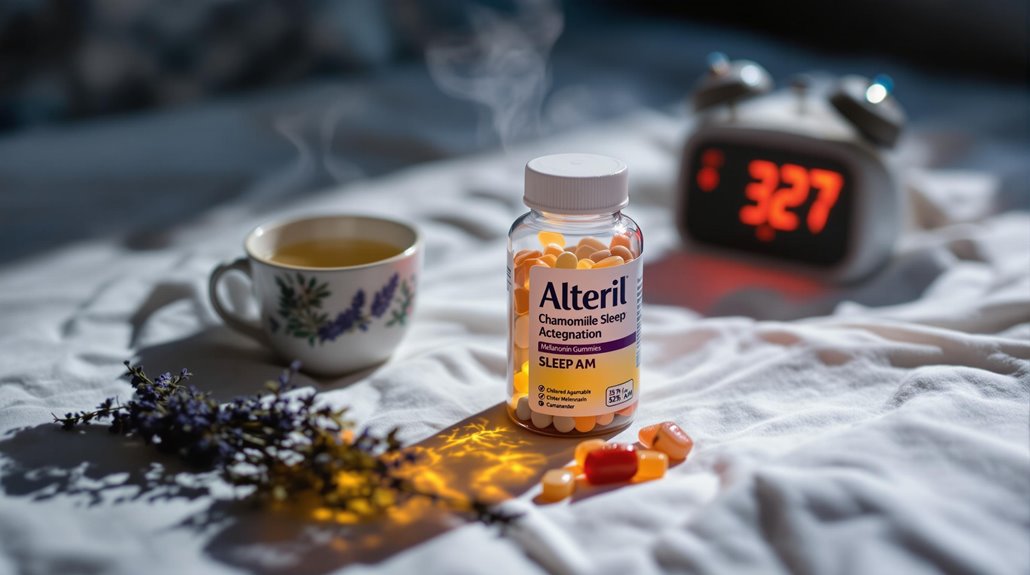
Sleep-seeking consumers have multiple evidence-backed alternatives to Alteril that don't require a prescription. If you're exploring complementary and integrative health approaches, consider starting with melatonin, a hormone that naturally regulates your circadian rhythm. Research shows it's particularly impactful for people whose sleep-wake cycles have been disrupted.
For those preferring herbal remedies, valerian root offers a time-tested option, though its effects may vary from person to person. Magnesium supplementation presents another natural approach, especially beneficial if you're older or have a deficiency. However, the most powerful long-term solution might be cognitive-behavioral therapy for insomnia (CBT-I), which addresses the root causes of sleep problems.
- You're not alone - millions struggle with sleep issues and want natural solutions
- You deserve better than untested internet sleep aids
- Your health is too important to gamble on unproven products
- You can take control of your sleep naturally with evidence-based options
Before trying any sleep aid, start by implementing basic sleep hygiene practices. Maintaining consistent bedtimes, creating a relaxing bedroom environment, and limiting screen time before bed can greatly improve your sleep quality without any supplements.
Long-Term Usage Considerations
Alteril's long-term safety profile raises significant concerns for regular users. Before you agree to receive this sleep aid as part of your nightly routine, you should understand the potential risks of extended use. While Alteril helps your body achieve sleep initially, prolonged use can lead to dependence and challenging withdrawal symptoms when you stop taking it.
The product's key ingredients present several long-term risks. Melatonin can interact with various medications and may complicate existing medical conditions over time. The L-tryptophan component could trigger serotonin syndrome, particularly if you're taking other medications that affect serotonin levels. You'll also need to watch for signs of liver damage, which has been linked to extended valerian root consumption.
Regular use of Alteril at high doses may diminish its effectiveness over time, forcing you to increase dosage for the same sleep-inducing effects. This tolerance buildup can create a dangerous cycle of dependency. If you're considering Alteril for more than a few weeks, you should consult your healthcare provider to discuss these risks and investigate safer alternatives for managing chronic sleep issues.