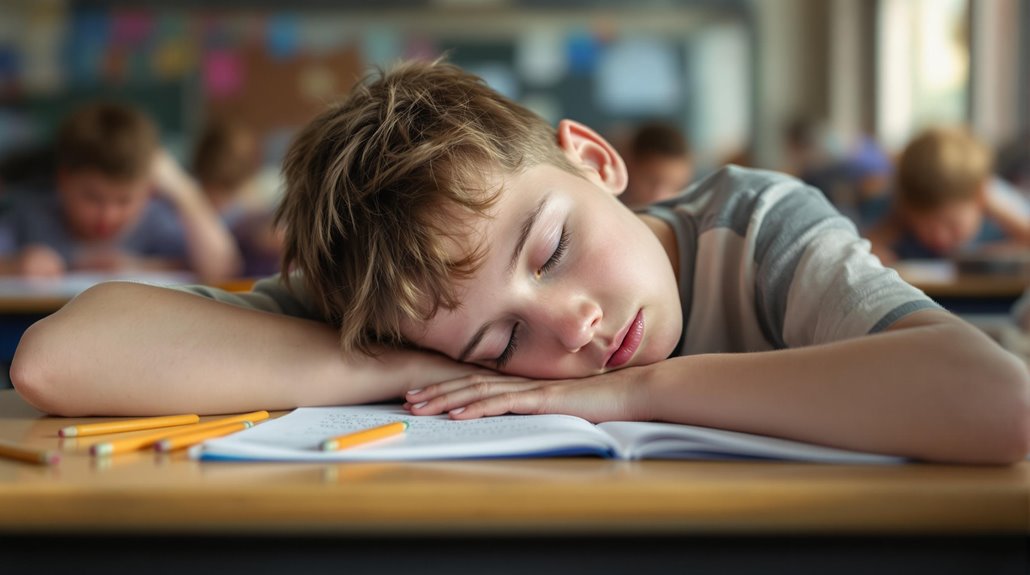
3 Signs Your Child Isn’t Getting Enough Sleep
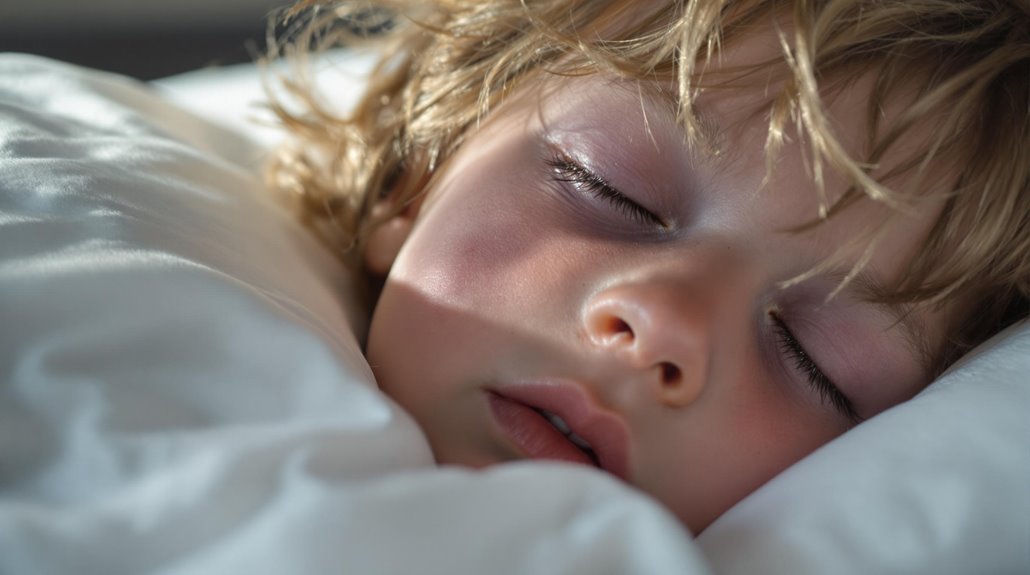
Your child's sleep deprivation often reveals itself through three key signs. First, you'll notice irregular sleep patterns, including inconsistent bedtimes and difficulty falling or staying asleep. Second, watch for daytime mood changes - unexpected emotional outbursts, unusual crankiness, and trouble regulating feelings throughout the day. Third, physical warning signs like morning headaches, falling asleep during activities, and struggling to maintain focus in class can indicate sleep deficit. Understanding these signs is your first step toward helping your child achieve healthier sleep habits and better overall well-being. Learn how to address these issues and create lasting solutions.
Irregular Sleep Patterns
Five key signs of irregular sleep patterns can alert you to potential sleep issues in your child. If you notice inconsistent bedtimes and wake times throughout the week, this could indicate poor sleep habits that need addressing. Pay attention if your child struggles with falling asleep or staying asleep, as these difficulties often signal an underlying sleep disorder or inadequate sleep hygiene.
Watch for frequent daytime sleepiness and napping, even when your child appears to get enough nighttime rest. This behavior might suggest disrupted sleep cycles or possibly sleep apnea, which requires medical evaluation. Another red flag is when your child's sleep schedule varies dramatically between school nights and weekends. While some variation is normal, significant differences can disrupt their natural sleep-wake rhythm.
To improve your child's bedtime routine, maintain consistent sleep and wake times seven days a week. This consistency helps regulate their internal body clock and promotes better quality rest. If you observe these irregular sleep patterns persisting despite establishing good sleep hygiene practices, consult your pediatrician to rule out potential sleep disorders affecting your child's rest.
Daytime Mood Changes
Mood swings and emotional outbursts can signal your child's need for more sleep. If you've noticed your little one becoming increasingly irritable or having difficulty concentrating in school, sleep deprivation might be the culprit. Children who don't get enough rest often struggle to regulate their emotions throughout the day, leading to unexpected behavioral changes and mental health issues.
Watch for signs your child is experiencing poor sleep, such as unusual crankiness, heightened impulsiveness, or sudden bursts of hyperactivity. While it might seem counterintuitive, an overtired child may appear more energetic rather than sluggish. This excessive energy often masks their underlying exhaustion and can make it harder to recognize lack of sleep as the root cause.
Pay attention to how well your child handles everyday situations. If they're becoming unusually emotional over minor setbacks or showing persistent moodiness, inadequate sleep could be affecting their emotional stability. These behavioral changes often improve dramatically once you address their sleep needs. Remember that consistent, quality sleep isn't just about physical rest – it's essential for your child's emotional well-being and daily functioning.
Physical Warning Signs
Parents should familiarize themselves with their child's physical symptoms, as these often provide clear indicators of sleep deprivation. If your child is showing signs of frequent headaches, particularly in the early morning hours, this could mean they're not getting sufficient rest throughout the night. The American Academy of Sleep Medicine warns that Insufficient Sleep can lead to various medical problems, including high blood pressure and cognitive issues.
Watch for instances when your child tries to fall asleep during daytime activities or struggles to maintain focus in class. These behaviors suggest that quality sleep occurs less frequently than needed. You might notice your child displaying unusual hyperactivity or having difficulty controlling impulses - both are common physical manifestations of sleep deprivation.
Pay attention to your child's morning routine. If they're consistently difficult to wake up, even after what appears to be good nights of rest, it's time to evaluate their sleep patterns. Children are getting inadequate sleep when they exhibit poor academic performance or can't concentrate during lessons. These physical warning signs, combined with behavioral changes, create a clear representation of whether your child is receiving the rest they need.