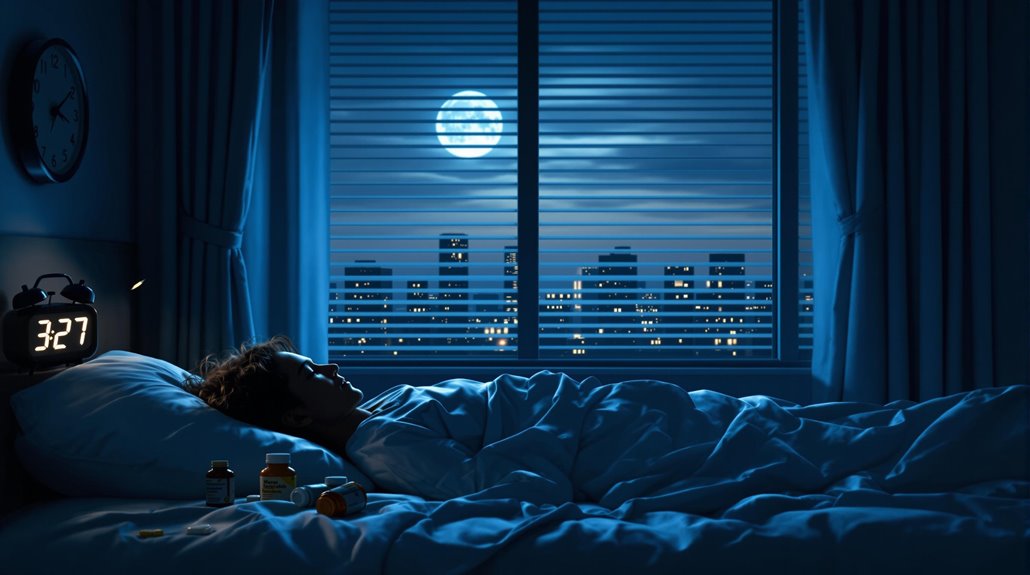
Why Sleeping Late Is Bad for Your Health: Risks and Remedies

Going to bed late disrupts your body's natural sleep chronotype and triggers serious health risks. You'll face higher chances of developing mood disorders, type 2 diabetes, and heart disease, with each hour of delayed sleep increasing your hypertension risk by 2%. Late-night habits throw off your metabolism, making weight control more difficult while disrupting blood sugar regulation. Poor sleep patterns also impact your emotional well-being and can lead to depression. By understanding how late sleeping affects your body's natural rhythms, you'll uncover powerful ways to protect your physical and mental health.
Understanding Your Sleep Chronotype
Your sleep chronotype acts as your body's internal clock, determining when you naturally feel most alert or drowsy throughout the day. Understanding your chronotype can help you better manage your daily schedule and optimize your productivity. People typically fall into one of three categories: early, intermediate, or late chronotypes, each with distinct sleep-wake preferences.
If you're an early chronotype, you'll find yourself naturally waking up at dawn and feeling most energetic during the morning hours. In contrast, late chronotypes experience peak alertness and productivity during the evening or nighttime. This isn't just a matter of preference - your genes play a significant role in determining your sleep patterns.
Late chronotypes face particular challenges that can impact their health. You might struggle with emotional regulation and have a higher risk of developing mood disorders like depression. Additionally, if you're a teenager with a late chronotype, you'll likely find it difficult to fall asleep before 11 PM, which can interfere with school schedules. Understanding these patterns is fundamental because they affect not just your sleep quality but your overall physical and mental well-being.
Mental Health and Sleep Patterns
The connection between sleep patterns and mental health runs deeper than most people realize. If you're a night owl, you'll want to pay extra attention to your sleep habits, as late chronotypes face a higher risk of developing mood disorders, particularly depression. Your tendency to stay up late can profoundly impact your emotional regulation abilities and overall mental well-being.
When you regularly push your bedtime later into the night, you're not just missing out on sleep quality - you're disrupting your body's natural rhythms. This disruption can make you more likely to suppress your emotions rather than process them healthily through cognitive reappraisal. The combination of irregular sleep patterns and insufficient rest can trigger anxiety, impulsivity, and other mental health challenges.
The good news is that you can take control of your sleep schedule to protect your mental health. By establishing consistent bedtime routines and practicing good sleep hygiene, you'll help regulate your emotions more effectively. Even if you're naturally inclined to stay up late, making adjustments to align better with natural light-dark cycles can markedly improve your mood and overall psychological well-being.
Diabetes Risk and Management
Sleep habits play a critical role in your diabetes risk and management strategy. If you're consistently staying up late, you're [SUBSTANTIALLY] increasing your risk of developing type 2 diabetes and making it harder to manage if you already have the condition. Your body's insulin sensitivity suffers when you don't get enough rest, which directly impacts how well you process glucose.
Your eating patterns are also affected by sleep deprivation, potentially leading to poor food choices that complicate diabetes management. Research shows that eating earlier in the day helps improve your insulin response and glucose control, but late-night habits often disrupt this beneficial pattern. If you're among the evening chronotypes who naturally prefer later sleep times, you'll need to be especially vigilant, as this tendency is linked to unhealthy cholesterol levels that can further [GREATLY] complicate diabetes.
To protect yourself, establish regular sleep patterns and avoid irregular schedules. When you maintain consistent sleep habits, you're supporting your body's natural rhythms and improving your chances of better diabetes control. This approach helps prevent the cascade of health complications that can arise from poor sleep habits.
Impact on Weight Control
Maintaining a healthy weight becomes markedly more challenging when you're burning the midnight oil. Poor sleep quality disrupts your body's intricate hormonal balance, leading to increased cravings for high-calorie foods and a slower metabolism. Your sleep habits directly influence your metabolic health, and staying up late can sabotage your weight management efforts.
When you don't get enough sleep, your body experiences several changes that promote weight gain:
- Your appetite-regulating hormones become imbalanced, making you more likely to overeat and choose unhealthy foods
- Your metabolism slows down, resulting in reduced calorie burning throughout the day
- Your energy levels drop, making you less likely to exercise or maintain physical activity
- Your body's insulin sensitivity decreases, potentially leading to type 2 diabetes and further weight management complications
To protect your weight and overall health, it's pivotal to establish consistent sleep patterns. If you're frequently staying up late, you're putting yourself at risk for a higher BMI and increased odds of developing obesity. By prioritizing quality sleep, you'll better position yourself for successful weight management and improved metabolic function.
Heart Disease and Blood Pressure

Racing against your body's natural clock by staying up late can wreak havoc on your cardiovascular system. Research shows that each hour you delay your bedtime increases your risk of hypertension by 2%, putting you at greater risk for heart disease. When you consistently shortchange your sleep, you're creating a perfect storm for cardiovascular problems.
Even a single night of poor sleep can disrupt your blood pressure regulation. If you're making late nights a habit, you're exposing yourself to dangerous long-term effects. Sleep deprivation triggers inflammation in your blood vessels and impairs their function, while also disrupting your metabolism in ways that promote cardiovascular disease.
You can protect your heart by maintaining a consistent sleep schedule and getting 7-9 hours of quality rest each night. Think of it this way: every time you choose to stay up late, you're not just feeling tired the next day - you're actively increasing your risk of hypertension and heart problems. Your cardiovascular health depends heavily on your sleep patterns, so it's essential to align your bedtime with your body's natural rhythm rather than fighting against it.
Effects on Brain Function
Beyond threatening your heart health, late-night habits can inflict serious damage on your brain's structure and function. Research shows that lack of sleep can permanently destroy 25% of your locus coeruleus neurons, the cells responsible for keeping you alert and mentally sharp. When you're not getting enough sleep, your brain's neural pathways become disrupted, greatly impacting your cognitive abilities.
The Effects of Sleep deprivation on your brain are extensive and concerning:
- Your memory and learning capabilities diminish considerably, making it harder to retain new information
- Your decision-making becomes impaired, leading to poor judgment and increased risk-taking behavior
- Your reaction time slows dramatically, similar to being intoxicated
- Your creative thinking and problem-solving abilities suffer, reducing your overall productivity
If you're developing a sleep disorder due to irregular sleep patterns, you're putting your psychiatric well-being at risk. Quality sleep isn't just about feeling refreshed; it's essential for your brain's development and proper functioning. When you consistently skimp on sleep, you're compromising your cognitive performance, coordination, and mental clarity in both short and long-term ways.
Sleep Disorders and Complications

Sleep-related health problems can spiral into a devastating cycle of chronic disorders and serious medical complications. When you consistently stay up late, you're putting yourself at risk for developing various sleep disorders that can greatly impact your well-being. These conditions don't just affect your sleep quality; they can trigger a cascade of serious health issues.
One of the most dangerous conditions you might develop is obstructive sleep apnea, which repeatedly interrupts your breathing during sleep. This disorder significantly increases your risk of heart disease, irregular heartbeat, and high blood pressure. If you're struggling with insomnia, you're not just facing sleepless nights - you're also more likely to experience anxiety, depression, and substance abuse problems.
Your immune system takes a major hit when you have sleep disorders, making you more vulnerable to infections and slowing down your recovery from illnesses. What's more concerning is that disrupted sleep patterns, especially from staying up late, can throw off your body's natural circadian rhythms. This disruption has been linked to increased risks of certain cancers and metabolic disorders like diabetes, making it vital to maintain regular sleep schedules.
Cancer and Late Sleep
Late-night habits pose a startling cancer risk that many people don't realize. Your body's natural circadian rhythms play a pivotal role in preventing cancer, but when you consistently stay up late, you're disrupting these essential biological processes. When you're exposed to artificial light during nighttime hours, your body suppresses melatonin production, a hormone that helps fight cancer development.
If you're a night owl or involved in shift work, you're particularly vulnerable to increased cancer risks, including:
- Breast cancer, especially in women who regularly work night shifts
- Prostate cancer, linked to disrupted sleep patterns
- Colorectal cancer, associated with irregular sleep schedules
- Various cancers due to weakened immune system function
Your immune system needs regular, quality sleep to effectively fight potential cancer cells. When you don't maintain consistent sleep patterns, you're compromising your body's natural defense mechanisms. Research shows that chronic sleep disruption can trigger inflammation and hormonal imbalances that may contribute to cancer development. While scientists are still investigating the exact mechanisms, the connection between late sleeping habits and cancer risk is becoming increasingly clear, highlighting the importance of maintaining regular sleep schedules.
Immune System Disruption
In addition to cancer risks, sleeping late delivers a significant blow to your immune system's defenses. When you're not getting enough sleep, your body struggles to produce the vital antibodies and cells needed to fight off infections. This weakened state leaves you more vulnerable to various illnesses, including the common cold.
Your immune system relies heavily on consistent, quality sleep to function properly. When you're sleeping late and cutting your rest short, you're disrupting your body's ability to release protective cytokines - pivotal proteins that help combat inflammation and infection. If you're regularly getting less than the recommended 7-8 hours of sleep, you're fundamentally leaving your body's defense system undermanned and overwhelmed.
The consequences of this disruption aren't just short-term. Chronic sleep deprivation can lead to persistent immune system issues, making you more susceptible to viral infections and extending your recovery time when you do get sick. You can strengthen your immune defenses by establishing better sleep habits, maintaining consistent bedtimes, and ensuring you're getting adequate rest each night.
Stress and Hormonal Imbalances
Your body's delicate hormonal balance takes a serious hit when you're burning the midnight oil. When you consistently stay up late, your cortisol levels surge, triggering a cascade of stress-related responses throughout your system. This disruption doesn't just affect your sleep quality - it creates a vicious cycle that can seriously impact your overall health.
Sleep deprivation wreaks havoc on your body's natural rhythms, and you might notice these effects manifesting as:
- Increased anxiety and feeling overwhelmed
- Difficulty concentrating and reduced productivity
- Persistent fatigue that coffee can't fix
- Unexplained weight fluctuations and metabolic changes
While you might think reaching for caffeine will help counter these effects, it actually compounds the problem. Your morning coffee may provide temporary relief, but it further destabilizes your hormonal balance and can heighten your stress levels. What's particularly concerning is that chronic exposure to amplified cortisol from late-night habits can lead to serious health complications, including a weakened immune system and heart problems. If you're staying up late to be more productive, you're likely achieving the opposite effect, as your body struggles to maintain its natural hormonal equilibrium under these conditions.
Performance and Productivity Issues
Pushing through late-night hours might feel productive, but science tells a different story. When you're a night owl who consistently gets less sleep, you're actually setting yourself up for significant performance decline. Research shows that staying up late is bad for your cognitive function, creating impairments similar to those experienced when you're intoxicated.
If you make a habit of irregular sleep patterns, you'll likely develop trouble sleeping, leading to both insomnia and excessive daytime sleepiness. This vicious cycle can severely impact your work quality and efficiency. While you might think caffeine is the answer to combat these late nights, it often backfires by increasing stress levels and making you feel more overwhelmed than before.
Rather than burning the midnight oil to complete tasks, you'll achieve superior results by maintaining a consistent sleep schedule. When you frequently vary your bedtime and wake-up hours, you're compromising your body's natural rhythm and ability to perform ideally. The reality is that staying up late to finish work usually results in lower-quality output and decreased productivity the following day.
Breaking Bad Sleep Habits
Breaking harmful sleep habits requires a strategic approach and consistent dedication. You'll need to establish a regular sleep-wake schedule by going to bed and waking up at the same times every day, including weekends. This consistency helps regulate your body's internal clock and makes it easier to fall asleep naturally.
Creating effective pre-bedtime routines is essential for quality sleep. You should focus on:
- Avoiding screens and blue light at least an hour before bed
- Engaging in relaxing activities like reading or taking a warm bath
- Limiting caffeine and alcohol consumption in the evening
- Creating a sleep-conducive environment in your bedroom
Your bedroom environment plays a central role in breaking bad sleep habits. Keep your room cool, dark, and quiet to promote better sleep quality. If you're struggling with external noise, consider using earplugs or a white noise machine to maintain a peaceful atmosphere.
Remember that changing sleep habits takes time and patience. You'll see the best results by implementing these changes gradually and staying committed to your new routine, even when it feels challenging at first.