
Why Do We Sometimes Wake Up Right Before the Alarm Goes Off?

Your body's internal clock, located in the suprachiasmatic nucleus of your brain, gets synchronized to your daily routines, including your wake time. When you maintain a consistent sleep schedule, your brain anticipates when you'll need to wake up and begins preparing your body about an hour before. A natural surge of cortisol, known as the stress hormone, helps energize you for the day ahead. Your brain also monitors environmental factors like light and temperature, while tracking sleep cycles to optimize your wake time. Understanding these biological rhythms can help you work with your body's natural tendencies for better mornings.
The Science Behind Early Waking
The fascinating mechanism behind waking up before your alarm isn't just a coincidence - it's rooted in your body's intricate biological clock. At the center of this process is your suprachiasmatic nucleus, which acts as your body's paramount timekeeper, orchestrating your sleep-wake cycles with exceptional precision.
When you maintain a consistent sleep schedule, your body becomes finely tuned to your daily routine. A protein called PER plays an indispensable role in this process, as its levels fluctuate throughout your circadian rhythm. Just before your usual waking time, PER reaches peak levels, triggering changes in your blood pressure and alertness that can cause you to wake up naturally, even before your alarm sounds.
Your body's ability to anticipate waking time is influenced by various factors throughout the night. Environmental conditions like light exposure, temperature changes, and ambient noise can affect how accurately your internal clock predicts your alarm time. If you're experiencing consistent early waking that disrupts your sleep pattern, it's worth noting that sleep disorders could be the underlying cause, and consulting a healthcare provider might be beneficial.
Your Body's Internal Clock
Building on our understanding of early waking patterns, your body's internal clock operates as a sophisticated timekeeper that runs continuously in the background. Located in your brain, the suprachiasmatic nucleus serves as your body clock, orchestrating your sleep-wake cycle with exceptional precision.
A key player in this process is PER, a protein that fluctuates throughout your 24-hour circadian rhythms. When you maintain a consistent routine, PER levels naturally peak just before your usual waking time. This clever mechanism helps you transition from sleep to wakefulness gradually, often before your alarm clock sounds.
Your body's ability to wake up early isn't just coincidence - it's a calculated response to your daily patterns. When you stick to regular sleep and wake times, your internal clock becomes synchronized with your external schedule. The suprachiasmatic nucleus learns to anticipate when you'll need to be alert, triggering a cascade of biological processes that prepare you for waking. This natural rhythm explains why you might find yourself awake moments before your alarm rings, particularly when you've maintained a consistent sleep routine.
Understanding Cortisol's Morning Spike

While you're sleeping peacefully, your body's production of cortisol - often called the stress hormone - begins ramping up in the early morning hours. This natural surge usually happens around dawn, acting as your body's internal alarm clock. As your body begins to release more cortisol, it prepares you for the challenges of the upcoming day.
This biological process explains why you might find yourself awake just minutes before your alarm goes off. Your body anticipates the wake-up time, and the increased cortisol levels help facilitate your transition from sleep to wakefulness. When you're under stress or particularly excited about the day ahead, cortisol production may kick in even earlier, which is why you might wake up well before your usual time.
The relationship between cortisol and your sleep-wake cycle is a key reason why this pre-alarm awakening occurs. Unlike melatonin, which makes us feel sleepy, cortisol energizes your body and mind. Your brain, tuned to your daily routine, coordinates this hormonal release to ready you for when it's time to start your day, even before your alarm signals the official start.
Sleep Cycles and Natural Rhythms
Inside your body's intricate timekeeping system, a tiny cluster of brain cells called the suprachiasmatic nucleus orchestrates your natural sleep-wake cycle. When you maintain a consistent schedule and go to bed at the same time each night, your brain adapts to this pattern, which explains the scientific reason behind waking up minutes before your alarm.
Your body's internal clock becomes so well-tuned that it starts to produce PER, a vital protein that regulates wakefulness, earlier than usual to help you move smoothly from sleep to consciousness. This natural process helps you avoid feelings of shock from an abrupt alarm. You'll often find yourself waking up naturally just before your scheduled alarm time, thanks to your brain becoming accustomed to your daily routine.
Environmental factors, like dawn's early light, can also trigger this pre-alarm awakening. However, if you're experiencing irregular sleep patterns or jet lag, you might notice disruptions to this natural rhythm. That's why maintaining one consistent sleep schedule is essential - it allows your body's internal clock to function ideally, helping you wake up naturally and feel more refreshed.
Stress and Anticipatory Wake-Ups

The relationship between stress and early wake-ups extends beyond your body's natural rhythms. When you're facing impending changes in your daily activities or anticipating an unusual event, your brain's alertness levels naturally increase. This heightened state of awareness can cause you to wake up before your scheduled alarm.
Your body's stress hormone, cortisol, plays a pivotal role in this phenomenon. When you're experiencing stress or excitement about upcoming events, your cortisol levels may rise earlier than usual. This hormone fundamentally acts as an internal alarm clock, triggering your body to wake up ahead of schedule. If you're preparing for something that deviates from your normal routine, such as an important meeting or early morning flight, your brain remains on high alert even during sleep.
This anticipatory response is your body's way of preparation, ensuring you're ready for what lies ahead. While it might seem inconvenient to wake up before your alarm, it's actually your brain's sophisticated mechanism working to help you adapt to changes in your schedule and maintain peak performance during times of increased demands.
Environmental Triggers
Many environmental factors can nudge you awake before your alarm sounds, acting as natural wake-up triggers for your body. Your natural circadian rhythm responds strongly to changes in light, sound, and temperature in your sleep environment. When morning sunlight peeks through your windows, it signals your body to begin the wake-up process, even if your alarm hasn't gone off yet.
To maintain better control over your wake time, you'll want to focus on proper sleep hygiene and environmental management. Using blackout shades or an eye mask can prevent unwanted light from disrupting your sleep pattern. Similarly, managing room temperature and reducing noise disturbances helps your body stay in sync with your intended wake time. If you're regularly waking up before your alarm, consider whether your sleep environment might be triggering these early wake-ups.
Following a consistent sleep schedule is essential for regulating these environmental influences. When you go to bed and wake up at the same times each day, your body becomes better at anticipating your alarm time and responding appropriately to environmental factors. This helps prevent premature wake-ups and safeguards more restful sleep.
Age and Sleep Patterns

Natural sleep patterns undergo significant changes as you age, affecting your tendency to wake up before the alarm. As you get older, your circadian rhythm shifts toward earlier hours, making you more prone to early-awakening patterns. You might find yourself waking naturally before your planned alarm time due to these age-related changes in your sleep-wake cycle.
These shifts occur partly because of hormonal changes, particularly the decline in melatonin production that comes with aging. Your sleep becomes lighter and more fragmented, making it harder to maintain a consistent schedule through the night. While you may still need sufficient sleep, your total sleep requirements typically decrease with age, and you'll spend more time in lighter sleep stages.
Various age-related health conditions can further impact your sleep patterns. Conditions like obstructive sleep apnea become more common as you age, potentially disrupting your natural wake patterns. Additionally, changes in body temperature regulation and sleep efficiency can affect when you wake up. Disturbed sleep and depression are especially closely linked in older adults, creating a cycle that can lead to more frequent early morning awakenings.
When Early Waking Becomes Problematic
While occasional early wake-ups might seem harmless, consistently waking before your alarm becomes problematic when it interferes with your daily functioning and well-being. If you're experiencing early morning awakening insomnia, you'll likely face daytime sleepiness, reduced cognitive performance, and compromised immune function. These disruptions can significantly impact your mood and overall quality of life.
It's essential to recognize when your early wake-ups have crossed into problematic territory. If you're struggling with persistent early rising that causes distress, you'll need to consult a healthcare provider. They can help determine if underlying conditions like sleep apnea, depression, or anxiety are contributing to your sleep disruption. Your doctor might recommend a combination of treatments, including medication and lifestyle modifications.
To address these sleep issues effectively, you'll need to examine various factors that might be affecting your sleep patterns. This includes managing stress levels, monitoring your caffeine intake, and maintaining consistent sleep schedules. Understanding your individual sleep needs and adjusting your sleep expectations accordingly can help you develop a more sustainable approach to managing early morning awakenings.
Sleep Quality Versus Duration
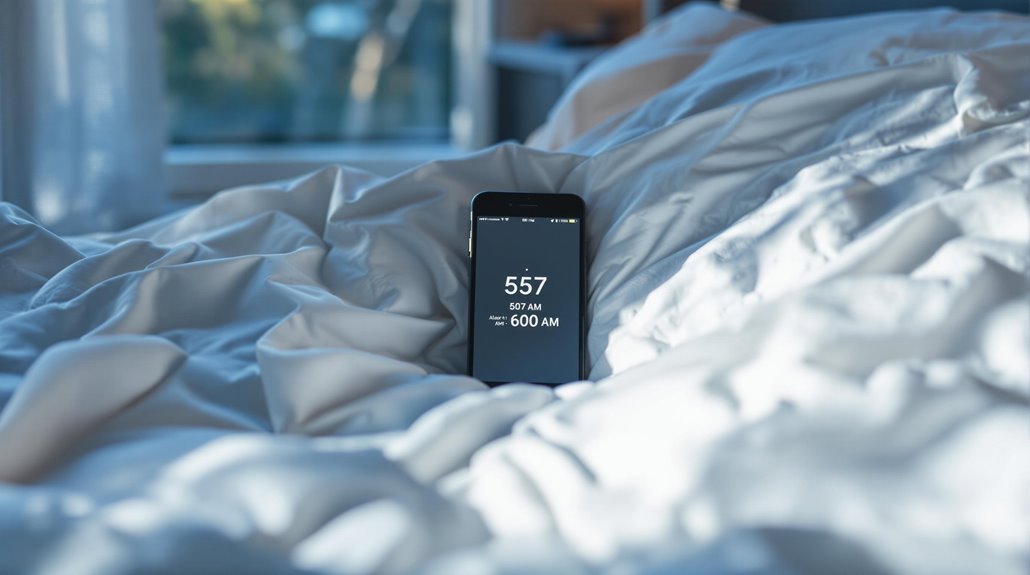
Understanding sleep quality often matters more than focusing solely on duration when it comes to your body's natural wake-up patterns. Your body learns to adapt to regular sleep schedules, and experts say this adaptation involves a process called PER, where your bodies can sense time through natural biological rhythms. As you maintain consistent sleep patterns, you'll increase levels of PER, which helps regulate your wake-up timing.
When you stick to a consistent sleep schedule, your sympathetic nervous system activates gradually before your intended wake time. The peak in PER usually occurs just before your typical wake-up time, which explains why you might find yourself waking up earlier than your alarm. This natural process shows that your body's getting the rest it needs, rather than trying to force longer sleep duration that isn't necessary. If you're consistently waking up before your alarm and feeling refreshed, it's likely that your sleep quality is ideal. However, if you're waking up earlier than desired and feeling tired, you may need to adjust your bedtime or address factors affecting your sleep quality rather than extending your time in bed.
Lifestyle Impact on Morning Awakening
Your daily habits play an indispensable role in determining when you wake up, even before your alarm sounds. Researchers say your body can keep track of time with exceptional precision when you maintain consistent sleep patterns. However, when you disrupt this crucial part of your daily rhythm, you might experience irregular sleep-wake cycles that affect whether you're feeling sleepy or wide awake at specific times.
Your lifestyle choices greatly influence your ability to sense time even while sleeping. Late-day caffeine consumption can interfere with your natural breathing pauses that come with deep sleep, while exposure to artificial light can confuse your body's internal clock. When you don't follow a consistent routine when we go to bed, your body struggles to maintain its natural circadian rhythm, leading to unpredictable wake times.
Stress and anxiety can cause your body to experience periods of low blood pressure followed by sudden increases, creating a shock or stress response that wakes you prematurely. To optimize your sleep-wake cycle, you'll need to establish regular bedtimes, create a comfortable sleep environment, and minimize exposure to stimulants and bright lights before night and wake times.
Solutions for Better Sleep Timing

Building on the impact of lifestyle choices, there are several practical steps you can take to improve your sleep timing and achieve more predictable wake-ups. The foundation of better sleep timing lies in maintaining a consistent sleep-wake schedule, which helps regulate your body's internal clock. When you go to bed and wake up at the same time daily, you're training your body to naturally anticipate wake times.
To enhance your sleep quality, avoid using the snooze button, as it disrupts your natural sleep-wake cycle and can leave you feeling groggier throughout the day. If you're struggling with sleep timing, consider incorporating sleep supplements like Dreem Night Drops to promote deeper rest and improved wake-up experiences. Additionally, managing stress through relaxation techniques can extensively impact your sleep quality and help prevent early morning disruptions.
If you continue experiencing difficulties with sleep timing despite these interventions, don't hesitate to consult a sleep specialist. They can evaluate whether you have an underlying sleep disorder affecting your wake patterns and provide targeted solutions to address your specific sleep challenges.
Breaking the Early Wake Pattern
Breaking free from early wake patterns requires a systematic approach backed by sleep science. To reset your biological clock and establish healthier circadian rhythms, you'll need to gradually adjust your alarm time and maintain a consistent sleep schedule, even during weekends. Creating an ideal sleep environment plays a fundamental role in improving your sleep quality and preventing those frustrating pre-alarm wake-ups.
- Implement a gradual alarm adjustment by shifting your wake time in 15-minute increments over several days, allowing your body's internal clock to adapt naturally.
- Establish calming pre-bedtime routines that signal to your body it's time to wind down, such as gentle stretching or meditation, while strictly limiting blue light exposure from electronic devices.
- Optimize your bedroom conditions by maintaining a cool temperature, minimizing noise, and ensuring complete darkness during sleep hours.
If you continue experiencing persistent early wake patterns despite these modifications, don't hesitate to consult a healthcare professional. They can help identify and address any underlying sleep disorders that might be disrupting your natural sleep cycle.