
Why Do People Grind Their Teeth at Night? Causes and Solutions
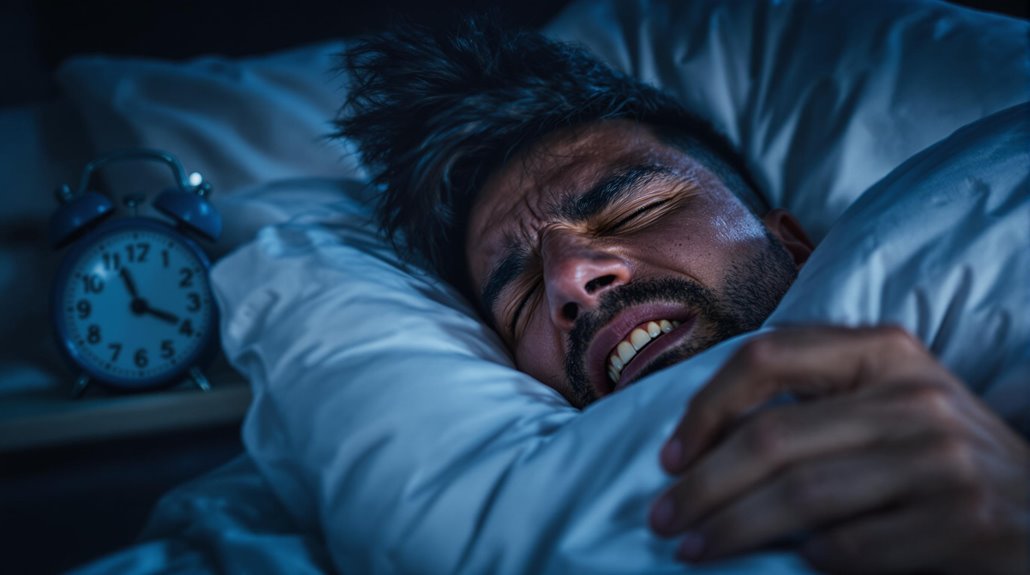
Your nightly teeth grinding, known as sleep bruxism, stems from a complex interplay of physical, psychological, and medical factors that affect up to 13% of adults during sleep. You might grind your teeth due to stress, anxiety, misaligned teeth, sleep disorders like sleep apnea, or certain medications - especially antidepressants. Physical conditions like GERD and lifestyle habits including alcohol and caffeine can also trigger this behavior. While custom mouth guards can protect your teeth, addressing the underlying causes through stress management and proper medical evaluation will give you the best chance at stopping this harmful habit. Let's investigate your specific triggers and the most effective solutions for your situation.
Understanding Nocturnal Teeth Grinding
Throughout the night, many people unknowingly grind their teeth, a condition known as sleep bruxism. This common sleep-related movement disorder affects approximately 13% of adults, making it a significant health concern that can lead to various complications if left untreated.
While the exact causes of sleep bruxism aren't fully understood, several risk factors contribute to its development. You might be more likely to experience teeth grinding if you have underlying sleep disorders, particularly sleep apnea. The condition can also stem from a complex interaction of physical, psychological, and genetic factors that influence your sleep patterns and jaw movements.
If you suspect you're grinding your teeth at night, it is crucial to seek professional evaluation. Your dentist or healthcare provider can perform a physical examination to assess signs of wear on your teeth and jaw muscles. In some cases, they may recommend a sleep study to confirm the diagnosis and rule out other sleep disorders. Treatment options range from wearing custom-made occlusal splints to managing stress levels, taking prescribed medications, or receiving Botox injections in severe cases. Early intervention can help prevent serious complications like tooth damage, chronic headaches, and TMJ disorders.
Physical Triggers Behind Bruxism
Several physical factors can trigger or worsen teeth grinding, ranging from structural issues in your mouth to underlying medical conditions. If you have a misaligned jaw or teeth that don't fit together properly, your body may try to compensate through unconscious grinding as it searches for a comfortable bite position.
Sleep disorders play a significant role in sleep bruxism, particularly sleep apnea. When your breathing is disrupted during sleep, you're more likely to clench and grind your teeth. Similarly, certain medications, especially antidepressants, can increase your risk of developing this habit as an unexpected side effect.
Medical conditions can also contribute to nighttime grinding. If you have GERD (gastroesophageal reflux disease), the acid reflux can trigger protective grinding responses. Neurological conditions like Parkinson's disease are known to affect muscle control and movement, potentially leading to increased teeth grinding during sleep. Even routine dental work or injury that changes your bite can prompt your body to adjust through grinding, as it attempts to find a new comfortable position for your jaw and teeth.
Psychological Factors and Teeth Grinding
While physical factors markedly impact teeth grinding, your mental state often plays an equally powerful role. Stress and anxiety are primary psychological triggers that can intensify your teeth grinding, particularly during sleep. If you're experiencing persistent tension or emotional strain, you're more likely to develop this habit as your body's natural coping mechanism.
Your personality type may also influence your likelihood of grinding teeth. If you identify as competitive, aggressive, or hyperactive, you're at a higher risk of developing nighttime bruxism. During the day, strong emotions like anger or frustration can trigger episodes of teeth clenching, even if you're not consciously aware of it. You might also find yourself grinding your teeth during periods of deep concentration or intense focus on tasks.
The good news is that addressing these psychological factors can greatly reduce teeth grinding behaviors. Working with mental health professionals can help you develop effective stress management techniques and coping strategies. Through psychological counseling, you can identify your specific triggers and learn methods to control your response to stress and anxiety, ultimately minimizing the impact on your dental health.
Common Medical Risk Factors
Medical conditions often lurk behind persistent teeth grinding, with sleep disorders leading the pack of risk factors. If you're struggling with sleep apnea, you're more likely to experience bruxism during the night, as your body responds to interrupted breathing patterns. Your doctor might need to address these sleep issues first to effectively manage your teeth grinding.
Certain medications can also trigger or worsen bruxism, particularly some antidepressants. If you've noticed increased grinding after starting new medications, it's worth discussing alternative options with your healthcare provider. Additionally, GERD sufferers often experience more frequent teeth grinding, as the body may clench the jaw to protect against stomach acid.
Neurological conditions, particularly Parkinson's disease, can profoundly impact your likelihood of developing bruxism. Your lifestyle choices matter too - if you're consuming alcohol, tobacco, or caffeine, especially close to bedtime, you're potentially making your grinding worse. To protect your teeth, you'll need to address these underlying medical factors. Consider reducing substance use and working with your healthcare provider to manage any existing conditions that might be contributing to your nighttime grinding.
Warning Signs and Symptoms
Picking up on the early warning signs of teeth grinding can save you from serious complications down the road. If you grind your teeth at night, you might experience persistent headaches, facial pain, or earaches when you wake up. Your jaw muscles may feel tender or sore, making it challenging to open and close your mouth comfortably.
Sleep bruxism often accompanies sleep disorders and can profoundly impact your quality of rest. You might notice increased anxiety or stress during the day, which can worsen your grinding habits. Pay attention if you experience ringing in your ears (tinnitus) or if your partner mentions hearing grinding sounds while you sleep.
Your dentist can diagnose teeth grinding through a physical examination of your mouth and jaw. They'll look for signs of worn-down teeth, damaged dental work, or inflammation in your jaw muscles. If your symptoms are primarily nocturnal, your healthcare provider might recommend a sleep study to confirm the diagnosis of sleep bruxism. Early detection and treatment are vital to prevent more serious conditions like TMJ disorder and chronic facial pain from developing.
Dental Complications Over Time
Left untreated, teeth grinding can progress from mild discomfort to severe dental problems that affect your overall oral health. While grinding is common, the long-term consequences can be devastating to your dental well-being if you don't take steps to protect your teeth.
When you grind your teeth regularly, you'll likely experience significant dental complications over time. The constant friction can wear down your tooth enamel, leading to cracked, chipped, or loosened teeth. Your existing dental work isn't safe either - fillings, crowns, and bridges can become damaged or dislodged due to persistent grinding.
Beyond direct tooth damage, you might develop temporomandibular joint (TMJ) disorders, which can cause intense pain and make it difficult to open your mouth normally. The impact extends beyond your teeth, potentially triggering chronic headaches, earaches, and facial muscle soreness. To prevent damage and protect your oral health, it's essential to address teeth grinding early. Your dentist can fit you with a custom mouth guard to minimize the effects of nighttime grinding and help preserve your dental health for years to come.
Treatment Options for Nighttime Grinding

Several effective treatment options are available for dealing with nighttime teeth grinding, ranging from custom dental devices to lifestyle modifications. If you regularly grind your teeth, your dentist can create a custom night guard or mouth splint to protect your teeth and reduce the strain on your jaw muscles while you sleep.
Managing underlying stress or anxiety through meditation, yoga, and relaxation exercises can drastically reduce nighttime grinding episodes. In severe cases, your doctor might prescribe certain antidepressants or recommend Botox injections to help relax the muscles responsible for clenching your jaw. If sleep-related disorders like sleep apnea are contributing to your grinding, treatments such as CPAP machines may help address the root cause.
Making lifestyle adjustments can also make a difference. Try avoiding caffeine and alcohol before bedtime, as these substances can intensify grinding behaviors. Regular dental check-ups are essential to monitor any damage and adjust treatment plans as needed. By combining these approaches - physical protection, stress management, medical interventions, and lifestyle changes - you can effectively manage and reduce nighttime teeth grinding.
Lifestyle Changes That Help
Making meaningful lifestyle changes can dramatically reduce teeth grinding and its associated symptoms. While Bruxism (teeth grinding) can have psychological and genetic factors, there are several practical steps you can take to minimize nighttime grinding episodes.
Start by eliminating alcohol and caffeine, especially in the evening hours. Both substances can interfere with your sleep quality and increase muscle tension. Similarly, avoid tobacco products, as they can worsen sleep disorders such as bruxism and may be linked to attention-deficit/hyperactivity disorder symptoms that contribute to grinding.
You'll want to incorporate stress-reduction techniques into your daily routine. Practice meditation, yoga, or deep breathing exercises to help alleviate tension that builds up during the day. Regular physical exercise can also considerably diminish stress levels and promote better sleep quality.
Create a consistent bedtime routine and maintain good sleep hygiene. Set a regular sleep schedule, make your bedroom quiet and dark, and consider using a cold compress on your jaw before bed to relax the muscles. These simple but effective changes can help reduce grinding episodes and improve your overall sleep quality.
When to Seek Professional Help
While some teeth grinding may resolve with lifestyle changes, certain symptoms should prompt immediate professional attention. If you're experiencing tooth damage, persistent jaw pain, or frequent headaches, it's important to know when to seek professional help. These symptoms could indicate a serious underlying cause of bruxism that requires expert evaluation.
Your dentist can diagnose teeth grinding and create custom mouth guards to protect your teeth from further damage. They'll assess whether genetic factors or medical conditions like Parkinson's disease might be contributing to your bruxism. Additionally, sleep disorders such as sleep apnea can often trigger nighttime teeth grinding, and your doctor may recommend a sleep study for proper diagnosis.
Don't wait until significant damage occurs - schedule an appointment if you notice worn tooth enamel, increased tooth sensitivity, or jaw muscle tenderness. A healthcare provider can prescribe appropriate medications or treatments to address the root cause of your teeth grinding. They may also refer you to specialists who can develop an exhaustive treatment plan, especially if your bruxism is related to complex medical conditions or sleep disorders.