
Why Do Children Like to Stay Up Late? Understanding Their Sleep Patterns
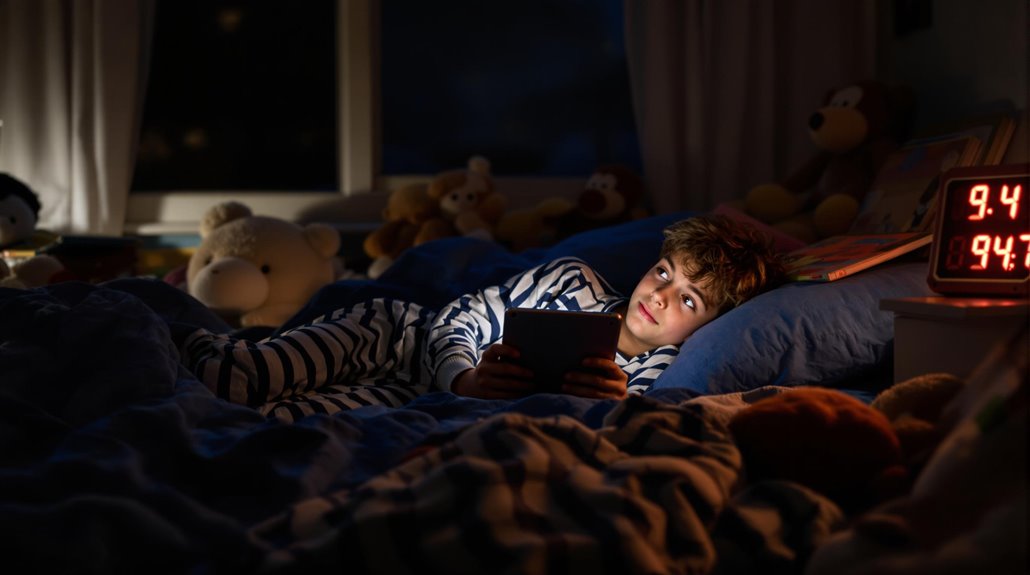
Your child's desire to stay up late stems from multiple factors working together. During development, their internal body clock naturally shifts, especially as they enter adolescence. You'll notice they feel less sleepy in the early evening compared to when they were younger. Social activities, homework, and screen time create additional resistance to bedtime, while the desire to spend more time with family can make them fight sleep. Modern technology's blue light exposure disrupts their natural sleep-wake cycle even further. Understanding these biological and environmental influences will help you create more effective strategies for managing your child's bedtime routine.
The Biology Behind Late Bedtimes
Throughout a child's development, biological changes play an indispensable role in determining their sleep patterns, particularly during adolescence. You'll notice that your teenager's internal clock naturally shifts during puberty, causing them to feel alert and energetic later in the evening. This isn't simply a matter of choice or screen time - it's driven by hormonal changes that affect their circadian rhythm.
Your teen's sleep schedule adjustment is a universal phenomenon that occurs across different cultures and environments. Their body's natural sleep patterns push them to fall asleep later and wake up later, which often conflicts with early school start times. While they still need 8-10 hours of sleep to function optimally, their biology makes it difficult to meet these sleep needs when they're required to wake up early for school.
If you've noticed your teen taking late afternoon naps, this can actually worsen their nighttime sleep difficulties. These naps, while temporarily rejuvenating, can further disrupt their internal clock and make it even harder for them to maintain a consistent sleep schedule aligned with school and family routines.
Sleep Patterns Through Development
From birth through adolescence, your child's sleep needs undergo dramatic changes that reflect their rapid development. While your newborn sleeps up to 17 hours daily, you'll notice these requirements gradually decrease as they grow. Your infant will need 12-15 hours, and by the time they're toddlers, they'll require 11-14 hours of sleep.
Sleep patterns become more structured as your child matures. You'll see preschoolers settling into a rhythm of 10-13 hours per night, while school-age children need 9-11 hours. During these years, daytime naps decrease as nighttime sleep becomes more consolidated.
The progression into adolescence brings unique challenges. Your teenager's natural circadian rhythms shift toward later bedtimes, yet they're often forced to wake early for school. This mismatch can lead to significant sleep deprivation during the week. When they try to catch up on missed sleep during weekends, they further disrupt their natural sleep-wake cycle. While your teen needs 8-10 hours of quality sleep each night, the combination of biological changes and early school schedules often makes achieving this goal challenging.
Circadian Rhythms in Children
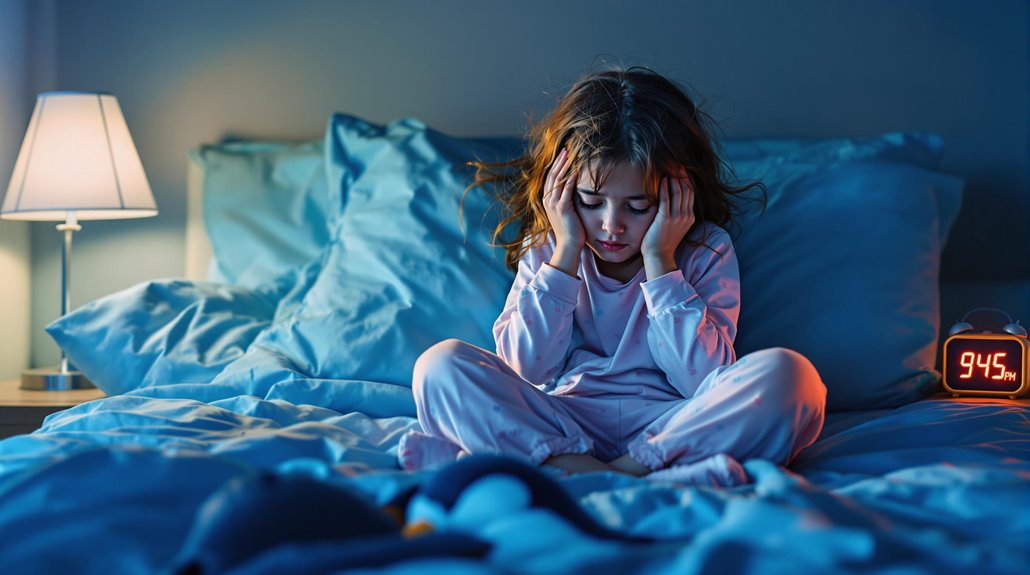
Your child's internal body clock plays a crucial role in determining their sleep preferences and energy patterns throughout the day. This biological timing system, known as the circadian rhythm, undergoes significant changes as children grow, particularly during their transition into adolescence.
You'll often notice that younger children tend to feel sleepy earlier in the evening, but this pattern shifts dramatically as they approach their teenage years. At this time, their internal clock naturally pushes them toward later bedtimes, making it harder for them to fall asleep early. This isn't simply due to screen time or social activities - it's a natural biological process that occurs across different cultures.
Understanding this natural progression can help you better support your child's sleep needs. While younger children might easily fall asleep at 8 PM, older children and teenagers often find themselves wide awake and energetic well into the evening hours. This biological shift can create challenges, especially when early school start times don't align with their natural sleep patterns. As a result, many children need help finding balance between their internal clock and external schedules.
Social Factors Affecting Sleep
Beyond biological rhythms, social pressures and daily activities shape how children approach bedtime. Your child might resist sleep to spend more quality time with family members, especially if daytime hours are limited due to school and other commitments. This desire for connection often intensifies as children grow older and become more socially aware.
The modern school environment plays a significant role in your child's sleep patterns. Heavy homework loads and after-school activities can push bedtimes later into the night, disrupting their natural wake-sleep cycle. Additionally, your child's exposure to electronic devices and social media can make it harder to wind down, as they're trying to stay connected with friends even after dark.
Peer influence is another powerful factor. Your child might want to stay up late because their friends do, or they're trying to mirror the habits of older siblings. This social pressure often intensifies during school breaks and weekends, when irregular schedules become more common. These disruptions can create a cycle where your child struggles to maintain consistent sleep patterns, making it harder to wake up for school and maintain healthy daily routines.
Technology and Sleep Habits
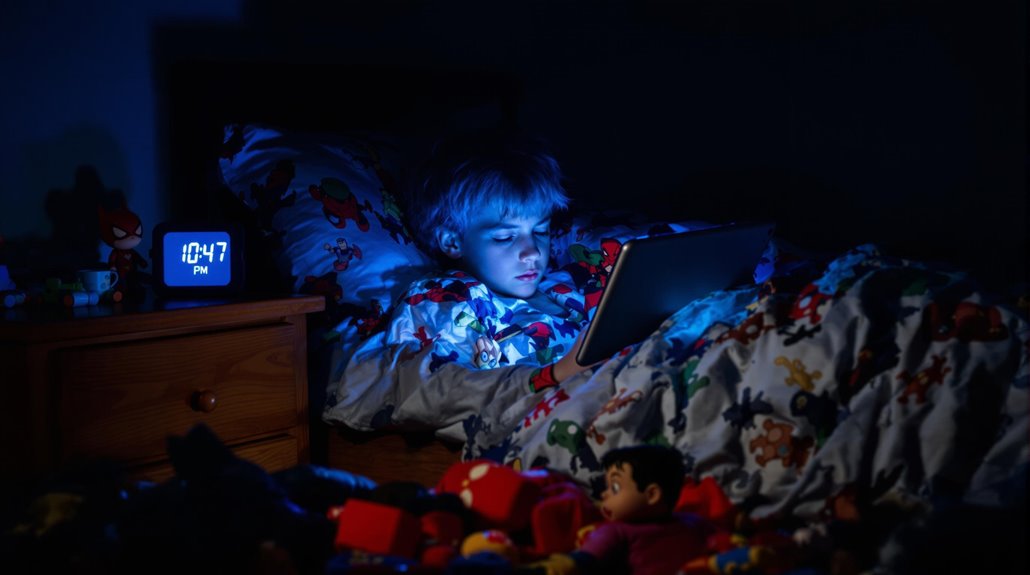
Modern technology presents one of the biggest challenges to children's sleep habits. When your child has access to electronic devices in their bedroom, you'll likely notice they're having trouble falling asleep and going to bed later than they should. The blue light emitted from phones, tablets, and TVs interferes with their natural sleep-wake cycle, making it difficult for them to wind down early enough to get enough sleep.
You might find your child constantly negotiating for "just five more minutes" of screen time, but this behavior often leads to bedtime procrastination. Social media and online activities are particularly problematic, as they keep young minds engaged and stimulated when they should be preparing for rest. Children who use devices before bedtime typically experience shorter sleep durations and poorer sleep quality.
To help your child develop healthier sleep patterns, consider implementing a screen-free bedtime routine. This means turning off all electronic devices at least an hour before bed. By establishing consistent technology boundaries, you'll help your child's body maintain its natural circadian rhythms and improve their chances of getting the restorative sleep they need.
Creating Healthy Sleep Schedules
While establishing healthy sleep schedules might seem challenging, it's one of the most effective ways to guarantee your child gets adequate rest. Children often resist bedtime, but implementing a consistent bedtime routine helps them understand when it's time to wind down. You'll find that setting specific times to go to bed and wake up early creates a natural rhythm that supports their body's internal clock.
To create a conducive sleep environment, keep your child's bedroom cool, dark, and quiet. You'll want to limit screen time before bed, as the blue light from devices can interfere with melatonin production, making it harder for them to fall asleep. Instead, encourage relaxing activities like reading or gentle stretching as part of their evening routine.
During the day, make sure your child gets plenty of physical activity, which naturally promotes better sleep habits at night. Be mindful of what they consume, avoiding caffeine and heavy meals close to bedtime. Remember that sleep schedules may take time to establish, but consistency is key. When you maintain these routines, you're helping your child develop lifelong healthy sleep patterns.
Age-Specific Sleep Requirements
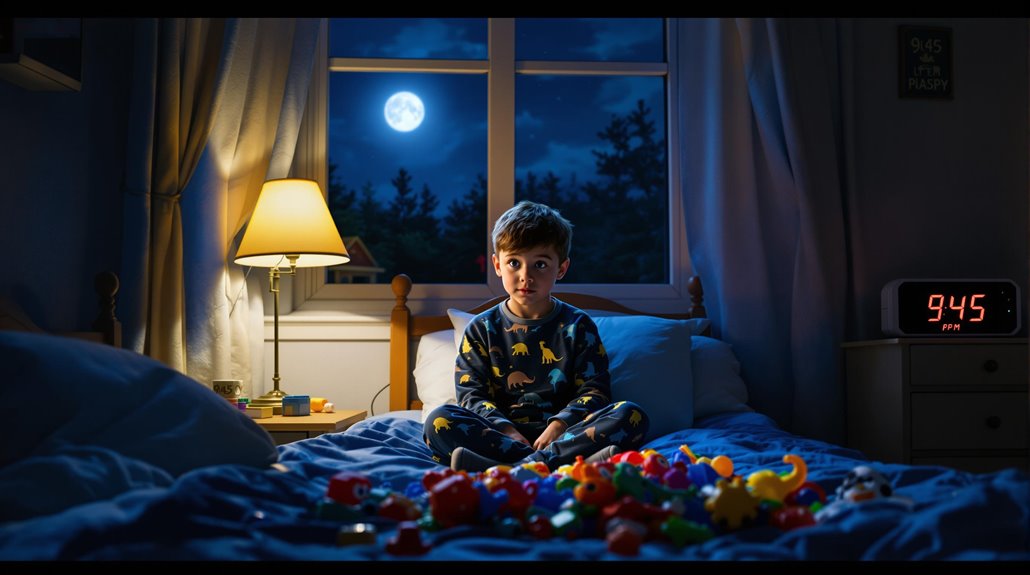
Understanding your child's sleep requirements at different ages helps you set appropriate bedtime goals and routines. As your child grows, their sleep needs change dramatically, and it's vital to adapt their schedule accordingly.
For the youngest ones, you'll find that infants sleep between 12-15 hours daily, while newborns need even more at 14-17 hours. As they develop, toddlers need 11-14 hours of sleep, and preschoolers need 10-13 hours to support their growth and development. When your children reach school age, they'll need 9-11 hours of quality sleep each night. Finally, adolescents require 8-10 hours, though their natural sleep patterns often shift later than adults'.
Key points to remember about age-specific sleep requirements:
- Younger children consistently need more sleep than older ones
- Sleep requirements gradually decrease as children age
- Each child is unique and may need slightly more or less than the recommended range
Effects of Sleep Deprivation
Parents often underestimate the profound impact of sleep deprivation on their children's well-being. When your child makes a habit of staying up late, they're putting themselves at risk for various physical and mental health issues that can affect their development.
Children with sleep problems often display symptoms that mimic ADHD, including hyperactivity and difficulty concentrating. You'll notice that your sleep-deprived child struggles with learning and memory tasks, which directly impacts their academic performance. They need more sleep than adults, and when they don't get enough, their ability to focus and retain information is greatly reduced.
The consequences of insufficient sleep extend far beyond daily drowsiness. Your child's mental health can suffer, leading to increased anxiety and depression. Physical health risks include obesity, diabetes, and high blood pressure. Additionally, children who don't get enough sleep are more likely to develop allergic rhinitis. When you allow your child to consistently stay up late, you're potentially compromising their overall development and setting them up for long-term challenges in both academic performance and emotional well-being.
Bedtime Resistance in Children

The battle over bedtime is a common struggle in households with young children. You'll find that even when you establish a consistent routine, many kids will resist going to sleep, potentially impacting the amount of sleep they get. While less than 5% of toddlers experience frequent night wakings, the challenge of getting them to fall asleep initially remains a widespread issue.
Your preschooler's desire for independence often manifests in bedtime resistance, particularly when they usually sleep during the day. Lack of sleep can affect their behavior and development, making it pivotal to address these challenges. Here are common reasons why children resist bedtime:
- Fear of missing out on family activities or fun experiences
- Testing boundaries and asserting independence
- Difficulty shifting from daytime activities to sleep mode
Even school-age children who may look forward to a regular 7:30 pm bedtime can sometimes push back against their sleep schedule. The key is understanding that this resistance is normal, while ensuring they get enough hours of sleep for healthy development. Managing daytime naps and establishing consistent routines can help your child move more smoothly into bedtime.
Natural Sleep-Wake Cycles
Biological factors heavily influence your child's sleep patterns, with each age group experiencing distinct circadian rhythms that affect when they naturally feel sleepy or alert. During early childhood, you'll notice your children wake and sleep at relatively consistent times as they develop the ability to sleep through the night and maintain regular REM sleep cycles.
However, these patterns change dramatically once your child enters adolescence. As puberty begins, hormonal shifts trigger significant alterations in their natural sleep-wake cycle. You'll find your teen naturally staying awake later and struggling to fall asleep at their usual bedtime. This isn't simply a behavioral choice or rebellion - it's a biological process that occurs across all cultures and environments. While your teenager still needs 8-10 hours of sleep, their body clock now favors later bedtimes and wake times.
If your teen tries to compensate for lost sleep with afternoon naps, you may notice this makes it even harder for them to fall asleep at night. Understanding these biological changes can help you better support your child's transforming sleep needs and work toward establishing more effective sleep routines.
Hormonal Changes and Sleep
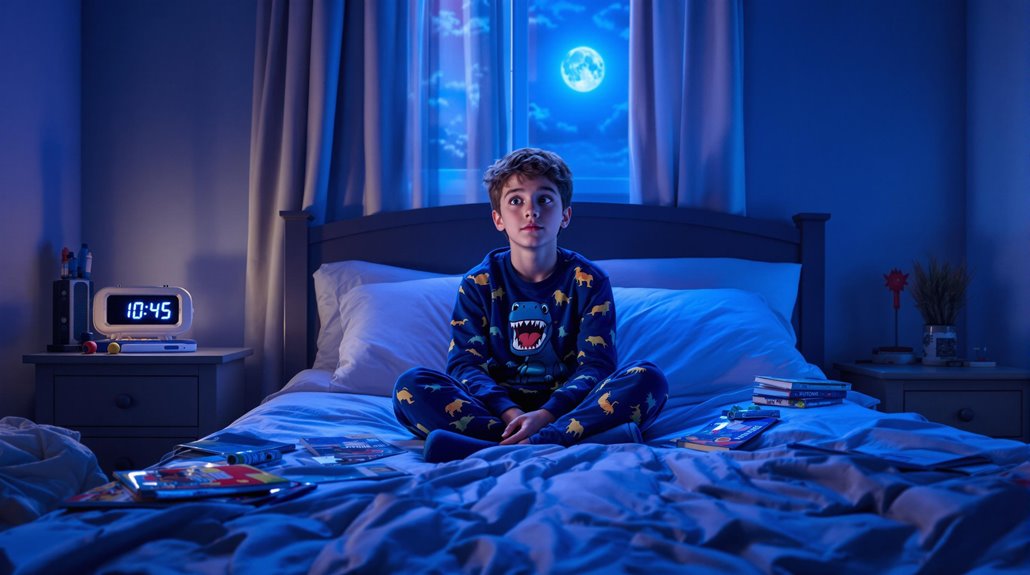
During adolescence, powerful hormonal shifts fundamentally alter your teen's sleep patterns, particularly through changes in melatonin production. You'll notice your teenager's natural sleep-wake cycle begins to delay, making it harder for them to fall asleep at traditional bedtimes. This biological change affects both active sleep and non-REM sleep phases, often resulting in daytime sleepiness when they need to wake for school.
Your teen's changing biology creates several challenges:
- Their body naturally wants to stay awake later and sleep later, conflicting with early school schedules
- They still need 8-10 hours of sleep they need for healthy development
- The mismatch between biological rhythms and social demands often leads to afternoon napping
This isn't simply a matter of poor habits or too much screen time - it's a universal biological phenomenon seen across cultures. When teens can't get adequate sleep due to early school start times, they often experience chronic sleep deprivation. Understanding these hormonal influences can help you better support your teen's sleep needs and recognize that their later bedtime preference isn't just rebellion - it's biology at work.
Environmental Sleep Influences
Modern environments present unique challenges to your child's sleep patterns, particularly through the pervasive influence of technology and irregular schedules. As children get older, they're increasingly exposed to blue light from screens and devices, which can trick their bodies into thinking it's still time of day when it should be winding down. This makes them stay awake longer and have a harder time falling asleep at bed at night.
Your child's sleep environment is further complicated by inconsistent schedules, especially during weekends. When they stay up late and sleep in on Saturday and Sunday, their internal clock becomes confused, making school night bedtimes more challenging. Add to this the impact of later school start times, which can force adolescents to fight against their natural sleep-wake cycles, and you've got a recipe for sleep difficulties.
Activities right before bedtime also play an essential role. If your child is doing homework, playing video games, or scrolling through social media in the evening, their brain remains stimulated when it should be preparing for rest. Without a consistent bedtime routine and proper sleep environment, these factors combine to disrupt healthy sleep patterns.
Cultural Impact on Sleep
Beyond the physical environment, your child's sleep habits are deeply rooted in cultural norms and family traditions. You'll notice that sleep patterns vary dramatically across different societies, with some cultures encouraging later bedtimes while others emphasize strict routines. When you pay attention to these cultural differences, you'll understand why your child's preferences for going to bed might differ from other families in your community.
Cultural factors that influence your child's sleep include:
- Family schedules and evening activities that reflect your cultural values
- Screen time habits and technology use, which can differ based on cultural norms
- School start times and after-school commitments specific to your region
Your child's attitude toward getting enough sleep is often shaped by your family's cultural background and values. If you're from a culture that prioritizes family time in the evenings, your child might naturally resist earlier bedtimes. Similarly, if your culture emphasizes academic achievement, evening study sessions might impact sleep schedules. Understanding these cultural influences can help you develop sleep routines that balance your family's traditions with healthy sleep habits.
Sleep Hygiene for Kids
Through consistent sleep hygiene practices, you can help your child develop healthier sleep habits and overcome their tendency to stay up late. When your child gets enough quality sleep, it helps them learn better, maintain emotional balance, and grow properly.
To establish effective sleep hygiene, put your child to bed at the same time every night and follow a calming bedtime routine. This might include reading stories, taking a warm bath, or quiet conversation. It's imperative to limit screen time at least an hour before bedtime, as the blue light from devices can interfere with their natural sleep patterns.
Give your child the best chance at quality rest by creating an ideal sleep environment. Keep their bedroom cool, dark, and quiet. Encourage physical activity during the day, but not too close to bedtime, as sleep and children benefit from regular exercise. Be mindful of what they eat in the evening hours - avoid heavy meals, sugary snacks, or caffeine-containing beverages that could disrupt their sleep. By implementing these practices consistently, you'll help your child move more easily from wakefulness to sleep, reducing their resistance to bedtime.
Managing Bedtime Struggles
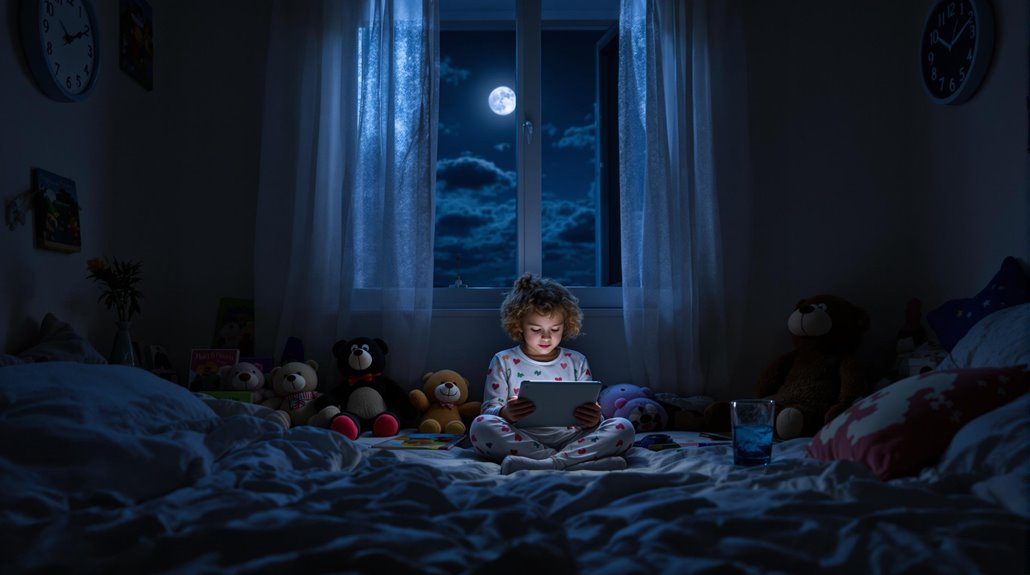
Dealing with bedtime struggles can feel like an uphill battle for many parents. While it's natural for children to resist sleep, understanding their motivations can help you establish effective routines. Your toddler's desire to stay up late often stems from wanting more family time, but consistency in bedtime enforcement is imperative for their well-being.
You'll notice your child may be tired after school but still fight bedtime. To help your child transition smoothly to sleep, consider these proven strategies:
- Create a calming routine that includes a favorite stuffed animal and quiet activities 30 minutes before bedtime
- Maintain the same sleep schedule every day, even on weekends, to regulate their natural sleep patterns
- Recognize when your child needs adjustments, like quiet rest time instead of naps for preschoolers
Remember that most two-year-olds can sleep through the night without multiple wakings, though they may experience periods of light sleep. If your school-age child seems desirous for an earlier 7:30 pm bedtime, support this natural inclination while remaining flexible to their individual needs. Consistent bedtime practices will help establish healthy sleep habits that benefit the whole family.