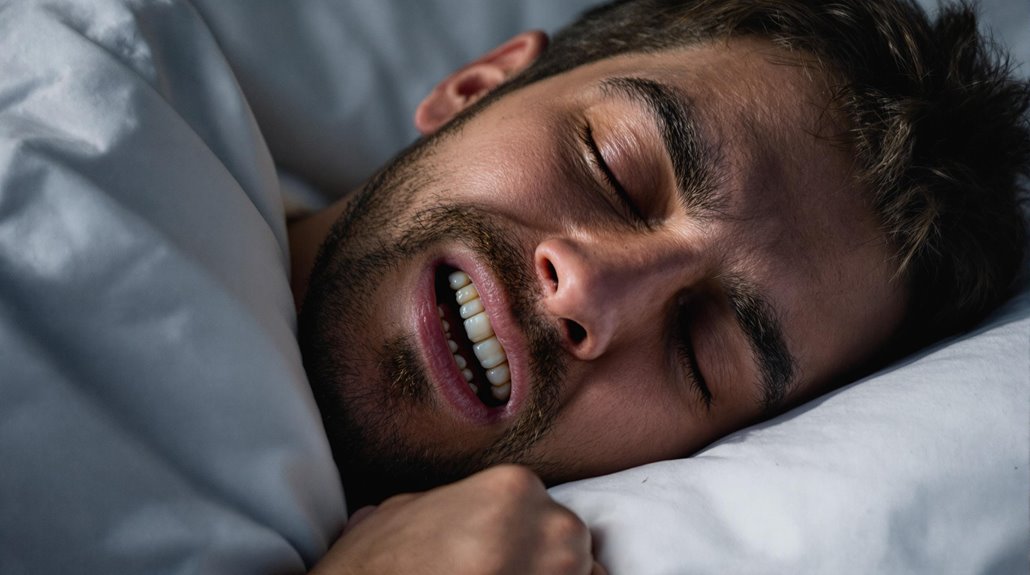
Why Daylight Savings Time Disrupts Our Sleep Patterns
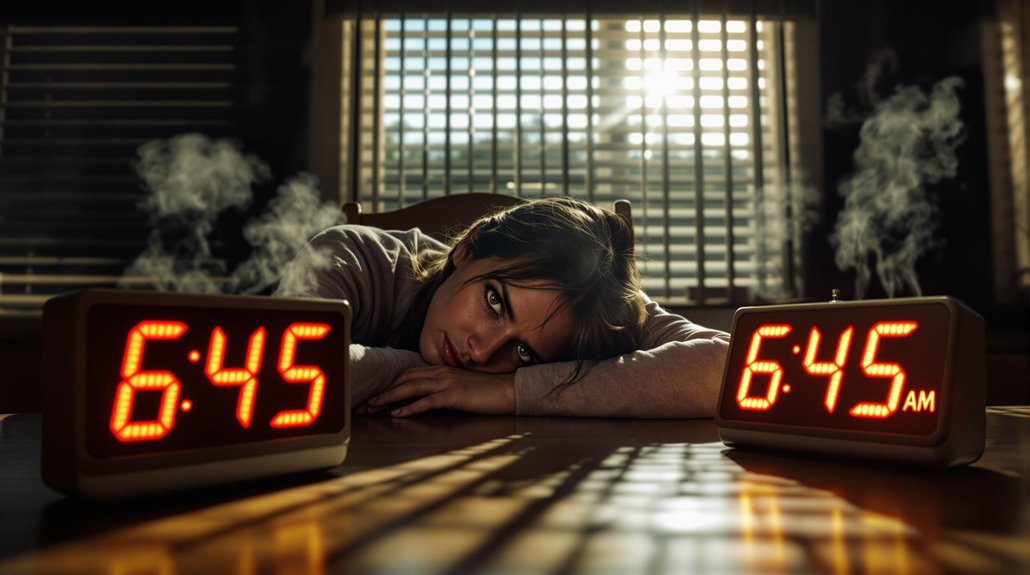
Your body operates on a precise 24-hour internal clock called the circadian rhythm, which syncs with natural light and darkness cycles to regulate your sleep patterns. When Daylight Saving Time hits, you're forced to shift your schedule by an hour, but your internal clock doesn't adjust immediately. This mismatch between your body's natural timing and the new external schedule disrupts your sleep-wake cycle, making it harder to fall asleep and wake up refreshed. You'll likely feel tired and sluggish for days or even weeks as your body attempts to recalibrate - and the health impacts don't stop there.
The Science Behind Sleep Cycles
The human body operates like a finely tuned clock, running on an internal timekeeper called the circadian rhythm. Your circadian rhythms naturally sync with the cycles of light and darkness in your environment, helping you maintain consistent sleep and wake times. When you're exposed to morning light, your internal clock receives imperative signals that help regulate your daily biological processes.
Your sleep quality depends heavily on how well your circadian rhythm aligns with your daily habits and environment. Light exposure plays a fundamental role in this process, as your body responds to natural cues that tell it when to be alert and when to prepare for rest. When these signals become misaligned, such as during daylight saving time changes, your sleep hygiene can suffer immensely.
The one-hour shift may seem minor, but it's enough to confuse your internal clock and disrupt your established sleep patterns. Your body's circadian rhythms don't instantly adjust to artificial time changes, which explains why you might feel groggy or out of sync for days or even weeks after the time change. This disruption can impact not just your sleep quality but also your overall health and well-being.
Understanding Circadian Rhythm Disruption
Building on our knowledge of sleep cycles, let's examine how daylight saving time specifically impacts your circadian rhythm. Your body clock operates on a natural 24-hour cycle, carefully tuned to environmental cues like daylight and darkness. When daylight saving time forces an abrupt one-hour shift, it creates a significant mismatch between your internal clock and the external world.
The sudden time change affects your circadian rhythm in several critical ways:
- Your body's sleep-wake cycle becomes misaligned with local time, making it harder to fall asleep at your usual bedtime
- Your internal clock continues operating on its original schedule, causing you to wake up feeling unusually tired
- Your body requires several days or weeks to adjust to the new program, leading to prolonged sleep disruptions
This misalignment doesn't just affect your sleep quality - it can have serious health implications. Research shows that circadian rhythm disruptions from daylight saving time transitions increase your risk of cardiovascular events and accidents. Your body's strong resistance to these artificial time changes demonstrates just how essential your natural circadian rhythm is to your overall health and well-being.
Health Risks During Time Changes
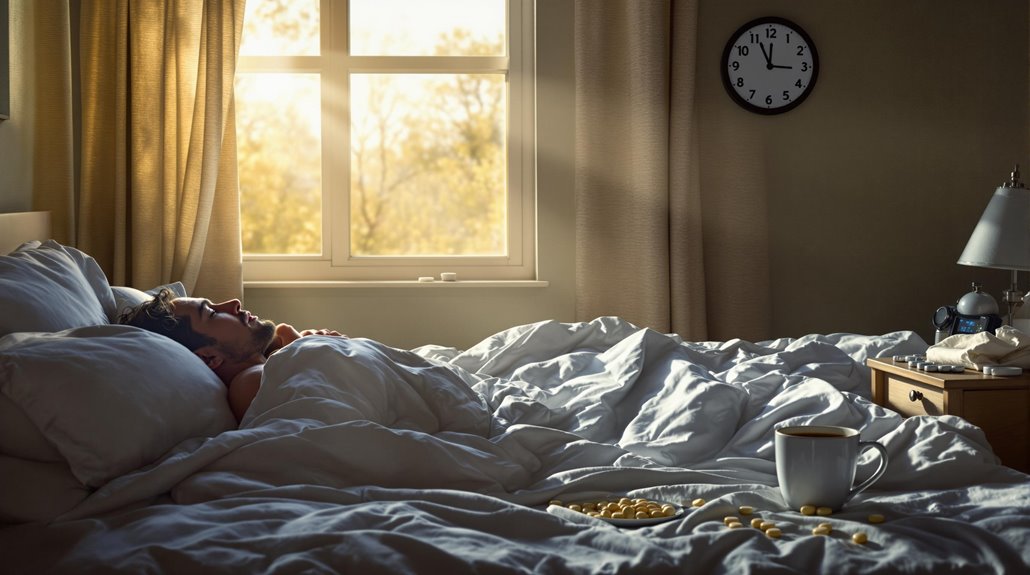
Several concerning health risks emerge during daylight saving time shifts, affecting both your physical safety and mental well-being. When you lose that precious hour of sleep during the spring alteration, you're facing more than just temporary fatigue. Your risk of heart attacks and strokes significantly escalates in the days following these time changes, highlighting how deeply Daylight Saving Time impacts your cardiovascular health.
The lack of sleep and disruption to your body's natural rhythm creates a cascade of health concerns. You're more likely to experience workplace accidents, and if you're driving, you face a 6% higher risk of fatal car accidents in the days after the spring alteration. The effects of these time changes aren't just immediate - they can contribute to long-term health issues, including obesity and diabetes.
During Daylight Saving Time changes, your body's hormone regulation takes a hit, which can weaken your immune system and affect your mood. The shift in light exposure and sleep patterns disrupts your internal clock, potentially triggering various health complications that extend far beyond simple tiredness. These effects emphasize why many health experts advocate for eliminating these biannual time changes.
Seasonal Light Exposure Effects
Beyond these immediate health risks, daylight saving time fundamentally alters your exposure to natural light, which plays a central role in regulating your body's internal clock. When you're exposed to evening light for longer periods, your melatonin production gets suppressed, throwing off your natural sleep-wake cycle. This disruption creates a mismatch between your biological clock and the environmental cues your body relies on.
The seasonal shift in light exposure during daylight saving time affects you in several critical ways:
- Your circadian rhythm becomes desynchronized from the sun's natural pattern, leading to persistent sleep disturbances
- You'll likely experience social jet lag as your body struggles to reconcile its internal timing with societal schedules
- Extended evening light exposure can delay your natural bedtime, making it harder to wake up for work or school
These disruptions aren't just temporary inconveniences. When your circadian rhythms remain misaligned for extended periods, you're at higher risk for serious health consequences. Research shows that chronic circadian disruption can increase your chances of developing obesity, diabetes, and cardiovascular problems. Your body's natural timing system needs consistent light cues to function properly, and daylight saving time interferes with this fundamental process.
Adapting Your Sleep Schedule
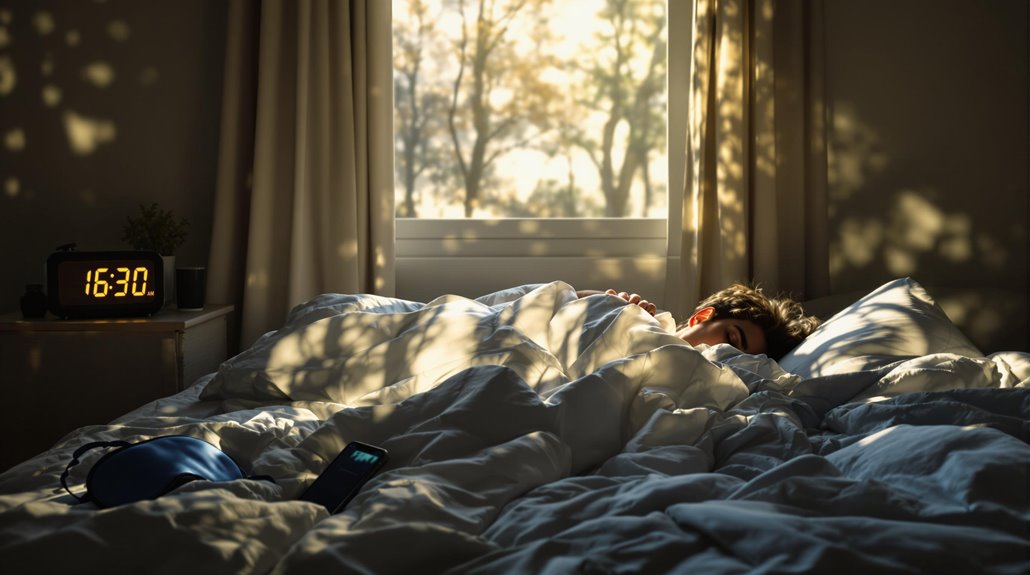
Successfully adapting to daylight saving time requires a proactive approach to your sleep schedule. Instead of waiting until the time change occurs, you'll want to gradually adjust when you go to bed and wake up. In the days leading up to the switch, shift your schedule by 15-20 minutes each day to help your body acclimate smoothly.
How Daylight Saving Time affects your sleep largely depends on your preparation. If you're having trouble falling asleep, focus on creating ideal sleeping conditions. Keep your bedroom cool, dark, and quiet, and aim for 7-8 hours of quality rest each night. Natural light exposure plays a pivotal role in regulating your body's internal clock. Get plenty of bright light in the morning hours, but limit light exposure in the evening to sleep better.
Maintaining a consistent sleep schedule is key, even on weekends. Your body thrives on routine, so stick to regular bedtimes and wake times throughout the year. To determine if you're on track with these adjustments, consider taking a Sleep Quiz to help monitor your progress and identify areas for improvement.