
What Is the Connection Between Sleep Apnea and Depression?

Sleep apnea and depression are closely linked in a two-way relationship that can create a challenging cycle. If you're suffering from depression, you're up to five times more likely to develop sleep apnea compared to those without depression. The conditions share several risk factors, including obesity, smoking, and alcohol use. When you have sleep apnea, the constant interruptions in your breathing can lead to poor sleep quality, daytime fatigue, and worsening depression symptoms. The good news is that treating one condition often helps improve the other, and understanding this connection can guide you toward more effective treatment options.
Understanding Sleep Apnea
While many people experience occasional snoring, sleep apnea represents a far more serious condition that affects millions worldwide. This sleep disorder causes you to repeatedly stop breathing during the night, with each pause lasting from a few seconds to minutes. When you have sleep apnea, your airway becomes partially or completely blocked, disrupting your natural sleep cycle and potentially leading to serious health complications.
You're at higher risk of developing sleep apnea if you're male, overweight, or over middle age. The condition affects approximately 3-7% of adults, though this number increases drastically among those with obesity. What makes sleep disorders like sleep apnea particularly concerning is their impact on both physical and mental health, including their potential connection to depression.
The effects of sleep apnea extend far beyond nighttime breathing difficulties. During the day, you might experience excessive sleepiness, difficulty concentrating, and cognitive impairment. These symptoms can greatly impact your quality of life and may worsen existing mental health conditions. If left untreated, sleep apnea can increase your risk of developing cardiovascular diseases, stroke, and metabolic disorders.
Depression Warning Signs
The link between sleep apnea and depression becomes clearer when you understand how to spot depression's warning signs. As one of the most common mental disorders, depression manifests through various symptoms that can greatly impact your daily life. If you're experiencing persistent sadness, losing interest in activities you once enjoyed, or feeling constantly fatigued, these could be symptoms of depression.
You might notice changes in your sleeping patterns, whether you're having trouble sleeping or sleeping excessively. Pay attention if you're struggling to concentrate, make decisions, or complete routine tasks. Drastic changes in your weight, either loss or gain, can also signal depression. Watch for feelings of worthlessness, irritability, or recurring thoughts about death.
If you recognize these warning signs, particularly when combined with sleep issues, it is essential to seek professional help. A mental health specialist can properly evaluate your symptoms and determine whether you're dealing with depression, sleep apnea-related mood changes, or both conditions simultaneously. Early recognition of these warning signs can lead to more effective treatment and better outcomes.
Research Behind The Link
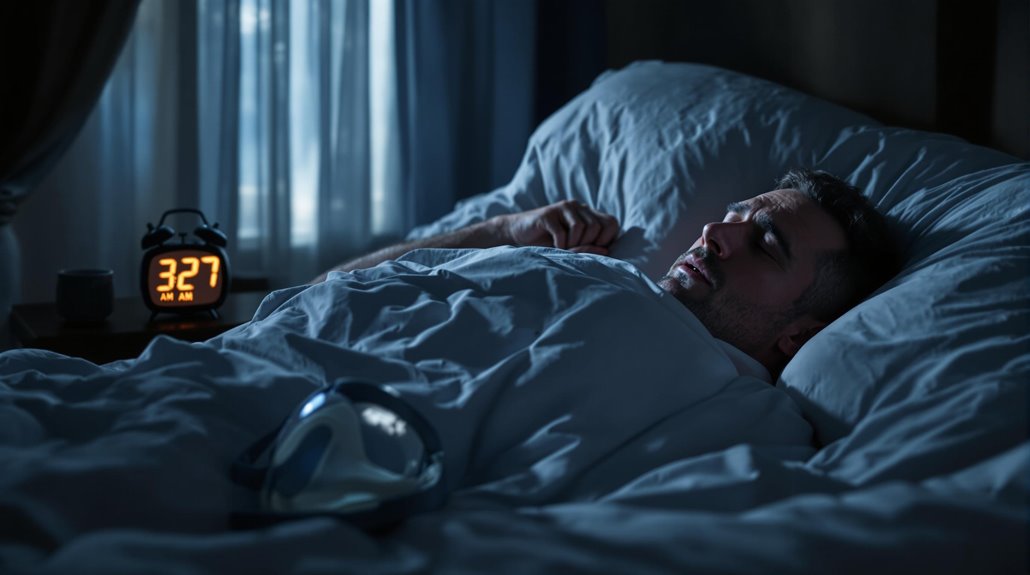
Scientific research has revealed a striking connection between depression and sleep apnea, with studies showing that depressed individuals face up to five times the risk of developing breathing-related sleep disorders. The data indicates that while only 3.8% of the general population experiences sleep apnea, this number jumps to 18% among those with depression.
What makes this association particularly remarkable is that it persists even when researchers account for common risk factors like obesity and hypertension. While scientists haven't yet determined whether depression triggers sleep apnea or vice versa, they've found that treating one condition can positively impact the other. Studies suggest that addressing sleep apnea may help manage depression symptoms, as sleep disorders can significantly affect your daily functioning and increase your risk of other health complications.
Medical experts now emphasize the importance of screening depressed patients for breathing-related sleep disorders. Multiple studies consistently show this strong connection between depression and sleep apnea, prompting healthcare providers to take both conditions into account when developing treatment plans. If you're experiencing depression, you should discuss potential sleep-related symptoms with your doctor to ensure comprehensive care.
Shared Risk Factors
Understanding the link between sleep apnea and depression becomes clearer when examining their overlapping risk factors. You'll find that both conditions share several common elements that can increase your risk of developing either or both disorders. If you're dealing with obesity, smoking, or heavy alcohol consumption, you're more vulnerable to both sleep apnea and depression.
Your lifestyle choices play an essential role in both conditions. When you maintain a sedentary lifestyle or practice poor sleep habits, you're creating an environment where both disorders can thrive. Additionally, if you have underlying health conditions like hypertension or diabetes, you're at a higher risk for both sleep apnea and depression.
Your genetic makeup and socioeconomic circumstances also influence your susceptibility to these conditions. If you have a family history of either disorder, you might be genetically predisposed to developing both. Your access to healthcare and ability to seek treatment can profoundly impact how these conditions are diagnosed and managed. Living in areas with limited medical resources or facing mental health stigma can make it harder to receive proper care for both sleep apnea and depression.
Treatment Options and Approaches
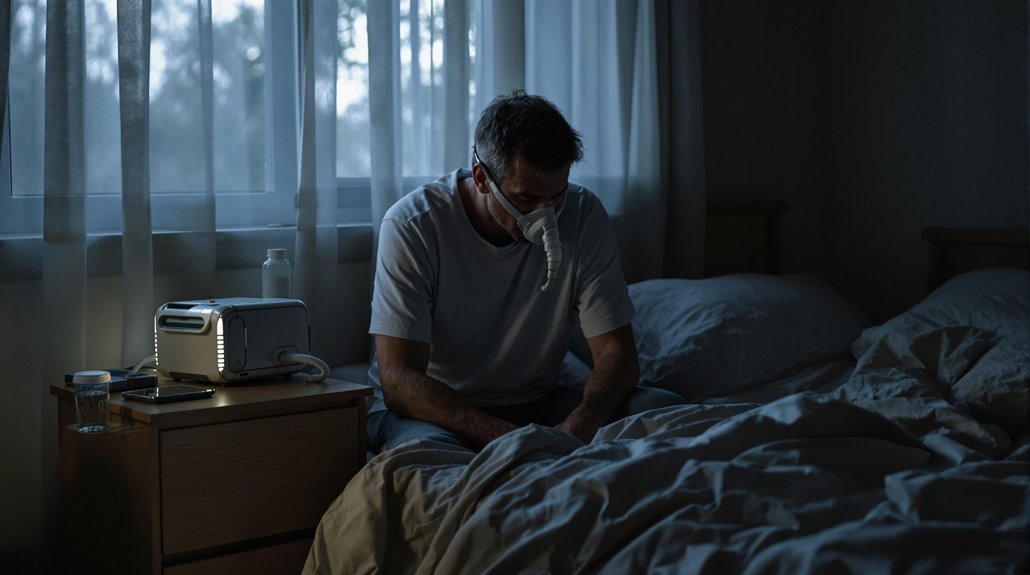
Managing both sleep apnea and depression calls for a well-rounded treatment approach that tackles these interconnected conditions. If you're dealing with both conditions, your healthcare team will likely recommend a combination of treatments to address your symptoms effectively.
CPAP therapy often serves as the primary treatment for sleep apnea, and it may help reduce your depression symptoms as well. You'll also benefit from making lifestyle changes that impact both conditions, such as losing weight, exercising regularly, and cutting back on alcohol consumption. These modifications can improve your sleep quality while positively affecting your mood.
For depression treatment, your healthcare provider might suggest cognitive-behavioral therapy, which can help you develop coping strategies for both conditions. While antidepressants are an option, your doctor will carefully evaluate their use given your sleep apnea diagnosis. They'll consider how these medications might affect your breathing during sleep.
The most successful treatment plans typically involve coordination between sleep specialists, mental health professionals, and your primary care physician. Working together, they'll monitor your progress and adjust your treatment plan as necessary to guarantee you're receiving the most effective care for both conditions.
Impact on Daily Life
The double burden of sleep apnea and depression can profoundly disrupt your daily routine and overall well-being. When you're dealing with both conditions simultaneously, you'll likely experience intensified challenges in multiple areas of your life, from work performance to personal relationships.
You might find yourself struggling with excessive daytime sleepiness, making it difficult to stay alert and focused during important tasks. Your ability to concentrate and remember important details may suffer, leading to mistakes at work or missed appointments. These cognitive difficulties can also impact your decision-making abilities and problem-solving skills, potentially affecting both your professional and personal life.
The combination of sleep apnea and depression can put you at higher risk for social conflicts and accidents. You're more likely to miss work days, experience difficulties in maintaining relationships, and face an increased risk of traffic incidents. Additionally, these conditions can take a toll on your physical health, potentially leading to serious complications like high blood pressure, stroke, or heart problems. That's why it's essential to address both conditions effectively to improve your quality of life and maintain better daily functioning.
Prevention and Management Strategies

Taking charge of both sleep apnea and depression requires an all-encompassing approach that combines medical treatment with lifestyle modifications. One of the most effective interventions for sleep apnea is CPAP therapy, which not only improves your breathing during sleep but can also significantly diminish depressive symptoms.
You'll want to focus on lifestyle changes that address both conditions simultaneously. Maintaining a healthy weight through diet and exercise can reduce sleep apnea symptoms, while establishing good sleep hygiene practices helps regulate your sleep patterns. It's essential to avoid alcohol and sedatives, as they can worsen both conditions.
Early detection plays a pivotal role in successful treatment. If you've been diagnosed with either sleep apnea or depression, you should discuss screening for the other condition with your healthcare provider. Your best outcomes will likely come from working with a team of specialists, including sleep experts, mental health professionals, and your primary care doctor. They can develop a coordinated treatment plan tailored to your specific needs, monitoring your progress and adjusting strategies as needed to guarantee the most effective management of both conditions.