What Is Sleepwalking and How Do You Prevent It?

Sleepwalking occurs when you move around and perform activities while asleep, typically during deep sleep within the first few hours of going to bed. You won't remember these episodes, which can range from simply sitting up to complex actions like driving. To prevent sleepwalking, you'll need to maintain good sleep habits by sticking to a regular bedtime, avoiding alcohol and caffeine before sleeping, and managing stress levels. Creating a safe environment by securing doors and removing hazards is vital. While genetics play a role in sleepwalking risk, understanding your triggers and following proper sleep hygiene can help you take control of this common sleep disorder.
Understanding Sleepwalking Basics
Many of us have heard stories about people walking around in their sleep, but sleepwalking is more than just an interesting phenomenon. Also known as somnambulism, sleepwalking is a complex sleep disorder that causes people to get up and move around while remaining in a state of sleep. When you're sleepwalking, you might engage in various activities with limited awareness and typically won't remember these episodes when you wake up.
Sleepwalking usually occurs during the deep sleep stage, within the first few hours after you've gone to bed. While anyone can experience this condition, it's extensively more common in children, affecting about 5% of young people compared to only 1.5% of adults. If you or your children have episodes of sleepwalking, genetics might play a role, as family history is one of the key contributing factors.
Several other factors can trigger sleepwalking episodes, including not getting enough sleep, certain medications, and other underlying sleep disorders. While some people might simply sit up in bed, others could perform more complex actions like walking around or even leaving their home.
Common Symptoms During Episodes
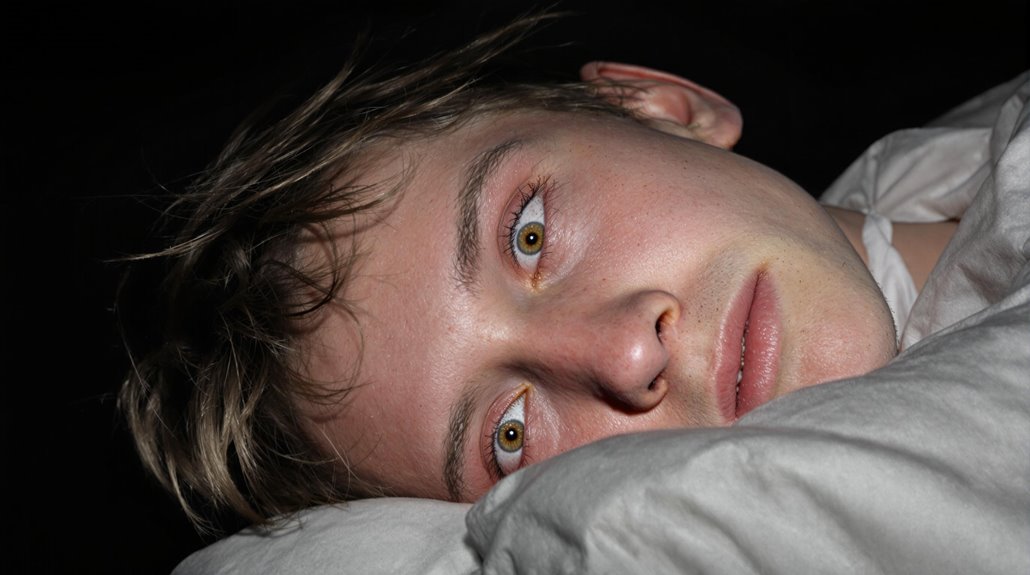
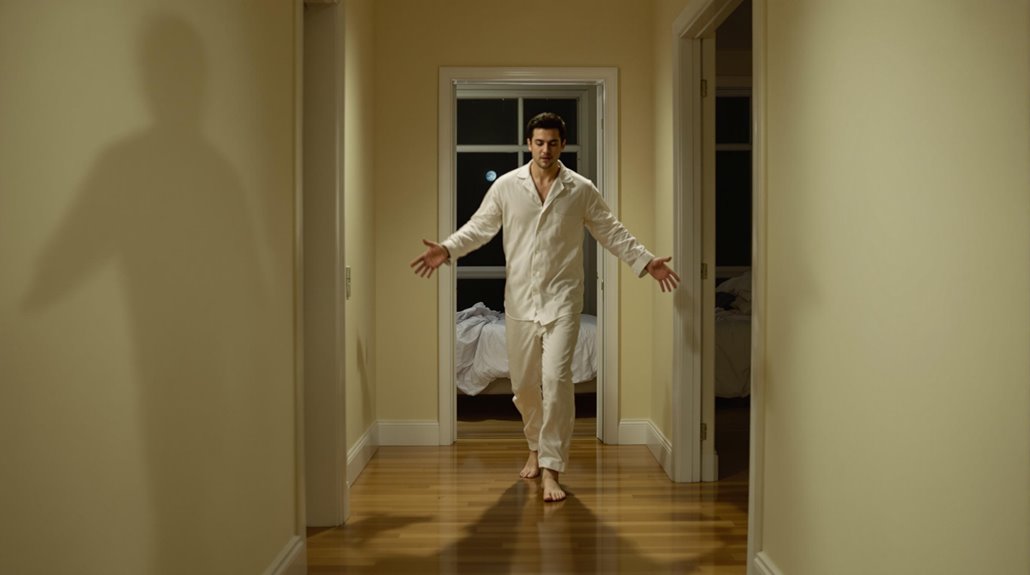
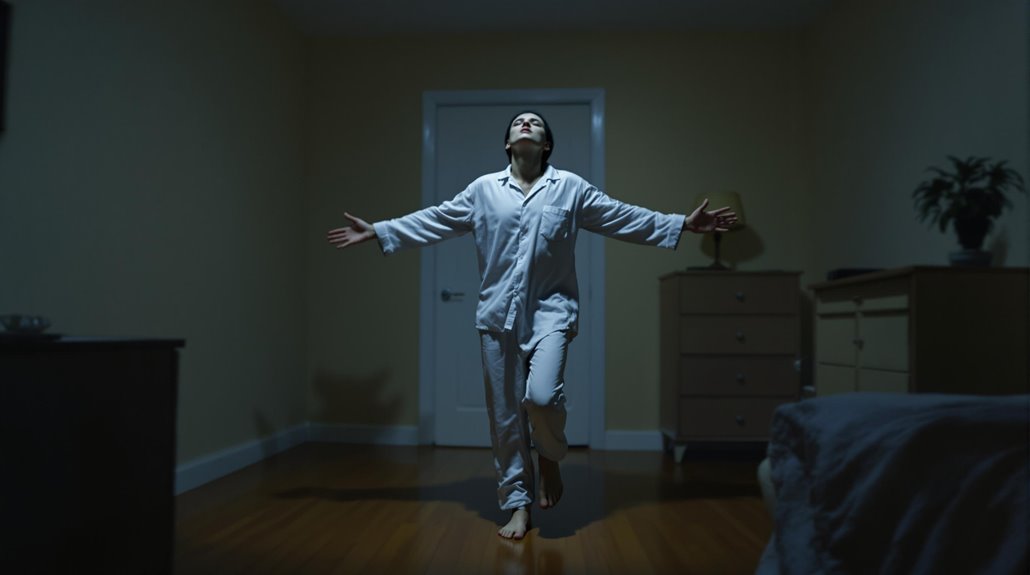
While understanding the basics of sleepwalking helps explain the condition, recognizing its symptoms can help identify an episode when it occurs. When someone starts to sleepwalk, you'll notice they may sit up in bed or get out completely to walk around while asleep. Their eyes will be open, but you'll see a glazed, unresponsive expression on their face.
During an episode, you might observe the person performing various activities, from simple tasks like opening cupboards to more complex activities such as getting dressed or eating. If you try to communicate with them, they'll likely respond in a confused manner or speak incoherently. What's particularly notable is that sleepwalkers typically have little to no memory of their actions once they wake up from their deep sleep.
In some rare cases, sleepwalkers might even attempt dangerous activities like driving a car. This highlights why it's imperative to recognize the signs of sleepwalking early and safeguard the person's well-being during these episodes. If you notice someone exhibiting these symptoms, they're likely in the midst of a sleepwalking episode.
Why People Sleepwalk
Scientists have identified several key factors that contribute to sleepwalking, with genetics playing a primary role. If you have a family member who sleepwalks, you're more likely to experience this sleep disorder yourself. This genetic predisposition helps explain why sleepwalking is more common in children, with about 5% of kids affected compared to just 1.5% of adults.
Your chances of sleepwalking can increase due to various triggers. When you're sleep-deprived or under significant stress, you're more likely to experience an episode. It often happens when a person's normal sleep patterns are disrupted or when they're dealing with underlying conditions like sleep apnea. Physical factors can also trigger episodes - if you're running a fever or battling an illness with high temperatures, you might be more susceptible to sleepwalking. Additionally, certain medications can increase your risk, and if you consume alcohol before bedtime, you're potentially setting yourself up for a nighttime wandering session. Understanding these triggers is vital because it helps you identify and avoid circumstances that might lead to sleepwalking episodes.
Risk Factors to Consider
Understanding sleepwalking risk factors can help you assess your own likelihood of experiencing episodes. If you have a family history of sleepwalking, you're genetically predisposed to walk in your sleep. This inherited tendency makes it more important to monitor your sleep habits and lifestyle choices that could trigger sleepwalking episodes.
Sleep deprivation and irregular sleep patterns significantly impact your risk of sleepwalking. When you don't get enough rest or frequently change your sleep schedule, you're more likely to experience episodes. Additionally, if you suffer from sleep apnea or other neurological conditions, you face a higher chance of developing sleepwalking behaviors.
Your mental health and medication use can also influence your likelihood of sleepwalking. High stress levels and anxiety may trigger sleepwalking episodes, while certain medications, particularly sedatives, can increase your risk. It's worth noting that age plays a pivotal role - if you're a child, you're naturally more susceptible to sleepwalking than adults. However, you'll likely outgrow this tendency as you enter your teenage years, even if you currently experience frequent episodes.
Dangers and Safety Concerns

Sleepwalking's unpredictable nature creates serious safety hazards that you shouldn't ignore. When you're in this unconscious state, you'll have limited awareness of your surroundings, making you vulnerable to accidents and injuries. The safety risks are particularly concerning because you might attempt complex activities without realizing it, from handling sharp objects to operating vehicles.
Conditions that affect your sleep can worsen these dangers. Drinking alcohol or taking certain medications may increase the likelihood of sleepwalking episodes and make them more severe. During these episodes, you might display violent behavior or aggressive tendencies, potentially harming yourself or others around you. You could also attempt to leave your home, putting yourself at risk of serious injury or worse.
To protect yourself, it's crucial to lock doors and windows securely before going to bed. You'll also want to remove potentially dangerous items from your bedroom and create a safe sleeping environment. If you live with others, make sure they understand your condition and know how to respond appropriately when you're sleepwalking to prevent accidents and guarantee your safety.
Diagnosing Sleepwalking Disorders
Professional diagnosis of sleepwalking involves multiple steps and specialized testing methods. If you're experiencing sleepwalking episodes, your healthcare provider will first gather detailed descriptions from you and your family members about the nighttime behaviors. Since sleepwalking is classified as an NREM disorder, your doctor will need a comprehensive medical history to identify any underlying conditions that might trigger these episodes.
The National Sleep Foundation recommends polysomnography as the gold standard for diagnosing sleep disorders, including sleepwalking. During this overnight sleep study, you'll be monitored while sleeping in a specialized lab. Medical professionals will record your brain waves using electroencephalography and track your muscle activity through electromyography. They'll also video-record your sleep to document any sleepwalking episodes that occur during the night.
Your doctor will evaluate your sleep hygiene practices and may look for other contributing factors that could be disrupting your sleep patterns. This thorough diagnostic process helps distinguish sleepwalking from other sleep disorders and allows your healthcare provider to develop an effective treatment plan customized to your specific situation.
Medical Conditions and Sleepwalking
In addition to sleep disorders, several medical conditions can markedly increase your likelihood of experiencing sleepwalking episodes. Sleep apnea, a condition that disrupts your breathing during sleep, is particularly notable as it can trigger sleepwalking behaviors by disturbing your natural sleep patterns. You're also more likely to sleepwalk if you suffer from conditions like restless leg syndrome or experience periodic fevers.
Mental health conditions play a significant role in sleepwalking occurrences. If you're dealing with anxiety, stress, or PTSD, you may face a higher risk of sleepwalking episodes. These psychological factors can interfere with your sleep quality and potentially trigger parasomnia events. Additionally, certain medications prescribed for these conditions, particularly sedatives and psychoactive drugs, might increase your susceptibility to sleepwalking.
Neurological conditions and head injuries that affect your brain's sleep-wake regulation can also contribute to sleepwalking behaviors. To effectively prevent recurring episodes, you'll need to work with healthcare providers to address any underlying medical conditions. They can help develop an all-inclusive treatment plan that tackles both your primary condition and its impact on your sleep patterns.
Treatment Options Available
Once you've identified any underlying medical conditions, various treatment approaches can help manage sleepwalking effectively. Your healthcare provider might recommend cognitive-behavioral therapy or hypnotherapy to address frequent sleepwalking episodes. In more severe cases, they may prescribe medications like benzodiazepines or antidepressants to help prevent dangerous nighttime wandering.
Improving your sleep habits is an essential part of managing sleepwalking. It's a good idea to create a consistent bedtime routine and make sure you're getting enough rest each night. You'll also want to avoid triggers like caffeine and alcohol before bed, as these can disrupt your sleep patterns.
Install locks on windows and exterior doors to prevent wandering outside, remove potentially dangerous objects from bedrooms and hallways, place gates at stairways to prevent falls during episodes, and keep bedroom doors closed and consider using door alarms. These preventive measures, combined with proper medical treatment and improved sleep habits, can greatly reduce the frequency and risks associated with sleepwalking episodes.
Preventing Sleepwalking Episodes

Through consistent lifestyle changes and proper precautions, you can considerably reduce the frequency of sleepwalking episodes. If you or your children sleepwalk at least once a week, establishing a regular schedule for going to bed is essential. Make sure you're getting enough sleep and create a power-down hour before bedtime, avoiding activities that might trigger a sleepwalking episode, such as intense exercise or screen time.
If your parents have a history of sleepwalking, you'll need to be especially vigilant about prevention. Create a safe sleeping environment by securing windows, removing tripping hazards, and storing dangerous objects out of reach. Installing door alarms or monitoring devices can alert you when a person may feel the urge to wander during sleep.
Don't hesitate to consult a healthcare provider if sleepwalking persists, as underlying conditions might be contributing to the episodes. They can help identify potential triggers and recommend appropriate treatments. By maintaining these preventive measures consistently, you'll create an environment that promotes healthy sleep patterns and reduces the likelihood of sleepwalking incidents.
Creating a Safe Environment
For families living with sleepwalkers, creating a secure environment becomes a vital priority. Since episodes usually happen during the night when others are asleep, it is indispensable to implement safety measures before they're needed. When sleepwalkers don't remember their nighttime wanderings, these precautions can prevent accidents before they guide them back to bed.
Install motion sensor lights and alarms to alert family members when the sleepwalker is active, making it easier to help them go back to sleep safely. Secure all windows, doors, and stairwells with childproof locks or additional safety features to prevent dangerous wandering. Clear all pathways of potential hazards, including loose rugs, furniture, and any items that could cause trips or falls. Store dangerous items like sharp objects, medications, and firearms in locked cabinets.
Consider placing protective cushioning around the bed area and installing bed rails to prevent falls. These modifications might seem extensive, but they are indispensable for maintaining safety when sleepwalking episodes occur.
Best Sleep Hygiene Practices

Maintaining good sleep hygiene plays an essential role in reducing sleepwalking episodes. By implementing proper sleep hygiene practices, you'll create prime conditions for improving sleep quality and minimizing the risk of sleepwalking incidents.
Start by establishing a sleep schedule that you can follow consistently, even on weekends. Going to bed and waking up at the same times helps regulate your body's internal clock. Create a relaxing pre-bed routine that signals to your body it's time to wind down. This might include taking a warm bath, doing gentle stretches, or practicing meditation about an hour before bedtime.
Your sleep environment should promote restfulness. Keep your bedroom cool, dark, and quiet. If you live in a noisy area, consider using earplugs or a white noise machine. It's critical to avoid electronic devices before bed, as the blue light can interfere with your natural sleep patterns.
Watch what you consume, especially in the evening hours. Limit your intake of caffeine and alcohol, as these substances can disrupt your sleep cycle and potentially trigger sleepwalking episodes. If you're sensitive to caffeine, avoid consuming it after lunch time.
Responding to Sleepwalkers
While good sleep hygiene helps prevent sleepwalking, knowing how to respond when someone sleepwalks is equally important for their safety. Sleepwalking episodes often start in childhood and require careful handling to safeguard the person's well-being. When you encounter a sleepwalker, your primary goal should be to protect them from harm while avoiding any actions that might cause distress.
To effectively respond to a sleepwalking incident, follow these essential guidelines:
- Gently guide the sleepwalker back to their bed using a calm, quiet approach - avoid sudden movements or loud noises that could startle them
- Don't physically restrain the person unless they're in immediate danger of hurting themselves
- Keep your voice soft and reassuring if you need to speak, as loud or aggressive tones may cause agitation
- Allow the sleepwalker to return to sleep naturally once they're safely back in bed
If you regularly encounter someone who sleepwalks, secure their sleeping environment by removing potential hazards and installing safety measures like door alarms or gates. Remember to avoid waking them abruptly, as this can lead to confusion and disorientation that may take several minutes to subside.
When to Seek Help

Most cases of occasional sleepwalking don't require medical intervention, but certain circumstances signal the need for professional help. If you're one of the people who sleepwalk frequently or experience dangerous episodes, you should consult a healthcare provider for specific treatment for sleepwalking. This is especially important when sleepwalking happens in adults with no prior history.
When sleepwalking happens regularly and disrupts your daily life or causes significant distress, it's time to seek medical attention. If you have a child who's likely to sleepwalk, bring up any concerns during their routine check-ups. This is particularly important if there's a family history, as children with one parent who sleepwalks may be more prone to the condition.
Your healthcare provider might refer you to a sleep specialist to identify any underlying sleep disorders that could be triggering the episodes. The specialist can determine what happens when a person sleepwalks in your specific case and develop an appropriate treatment plan. Remember, while occasional sleepwalking may be harmless, persistent or dangerous episodes shouldn't be ignored.
Managing Stress and Sleep
Good sleep habits and stress management work together to reduce sleepwalking episodes. If you're dealing with this sleep disorder, it is crucial to prioritize your mental health and establish proper sleep hygiene practices. By implementing relaxation techniques like meditation and deep breathing exercises, you'll better manage stress levels that can trigger sleepwalking or related conditions like sleep terrors.
To effectively manage your sleep and stress levels, consider these key strategies:
- Maintain a consistent sleep schedule by going to bed and waking up at the same time every day, even on weekends
- Create a relaxing bedtime routine that includes limiting screen time at least an hour before bed and practicing calming activities
- Consult with a sleep medicine specialist if you suspect underlying conditions like obstructive sleep apnea
- Avoid alcohol and certain medications that might disrupt your sleep patterns or increase sleepwalking risk
Remember to prioritize quality sleep by ensuring your bedroom environment is conducive to rest. If you're experiencing persistent sleepwalking episodes despite following these guidelines, work with your healthcare provider to develop an all-inclusive treatment plan that addresses both your sleep issues and stress levels.