What Is Sleep Myoclonus? Exploring the Twitches and Jerks Before Sleep

Sleep myoclonus refers to those sudden, involuntary muscle jerks you experience while falling asleep or during sleep. You'll typically notice these twitches as brief, startling movements that can range from subtle finger taps to full-body jerks. They're most common when you're stressed, overtired, or have consumed caffeine. While these sleep starts (also called hypnic jerks) are usually harmless, they can disrupt your sleep quality and may be linked to underlying conditions like restless leg syndrome or neurological disorders. Understanding your triggers and improving sleep habits can help minimize these nocturnal disruptions and enhance your overall sleep experience.
Understanding Sleep Myoclonus
Three key characteristics define sleep myoclonus: sudden muscle jerks, involuntary movements, and their occurrence during sleep or while falling asleep. This common sleep phenomenon can affect anyone, though you're more likely to experience it when you're stressed, overtired, or have consumed caffeine before bedtime.
The most familiar form of sleep myoclonus is the hypnic jerk, which you might notice as you're drifting off to sleep. You'll typically feel a sudden, startling movement that can be accompanied by a sensation of falling or a visual dream-like experience. These involuntary muscle contractions don't just occur when you're falling asleep - they can happen during different sleep stages throughout the night.
While sleep myoclonus is usually harmless, you should understand that certain factors can increase its frequency and intensity. Medical conditions can trigger these movement disorders, making them more pronounced or persistent. If you're experiencing frequent or severe muscle jerks that disrupt your sleep quality, it's worth consulting a healthcare provider. They can evaluate whether your sleep myoclonus symptoms indicate an underlying condition requiring treatment.
Common Symptoms and Signs
The most noticeable signs of sleep myoclonus present themselves through sudden, brief muscle contractions that you might experience as you're falling asleep or during your sleep cycle. These involuntary muscle twitches can range from subtle movements in specific body parts to more intense, full-body jerks that might startle you awake.
You'll typically encounter hypnic jerks, also known as sleep starts, during the sleep-wake changeover. These sudden movements can feel like you're falling or stumbling, often causing a brief moment of disorientation. As you're waking up, you might experience hypnagogic jerks, which are similar muscle spasms that occur during the transition to wakefulness.
If you're dealing with sleep myoclonus, you may notice that these movements affect your sleep quality. The sudden jerks can make it harder for you to fall asleep or maintain continuous sleep throughout the night. While these sleep conditions are generally harmless, they can be disruptive to your rest, especially if you experience frequent or intense muscle spasms that consistently interrupt your sleep patterns.
Types of Sleep Myoclonus

If you have young children, you should be aware of rhythmic movement disorders, a specific type of sleep myoclonus that includes repetitive behaviors like head banging or body rocking during sleep. Your health may also be affected by medical conditions that cause sleep-related muscle twitches. These include neurological disorders such as Parkinson's disease, restless leg syndrome, and epilepsy, which can trigger various forms of sleep myoclonus. Understanding these different types can help you better identify and discuss your symptoms with healthcare providers.
Risk Factors and Triggers
Sleep myoclonus occurrences often stem from various lifestyle choices and environmental factors that you can control. Your daily habits, including consumption of stimulants like caffeine and nicotine, can substantially increase your chances of experiencing these involuntary muscle movements. If you're dealing with stress, anxiety, or fatigue, you're also more likely to experience these sudden jerks before falling asleep.
Poor sleep hygiene and irregular sleep schedules can make you more susceptible to sleep myoclonus. When you're experiencing sleep deprivation, your body becomes more prone to these unexpected twitches. Additionally, certain medical conditions can increase your risk of developing sleep disorders, including sleep myoclonus. Here are key risk factors that many people face:
- Medical conditions like peripheral neuropathy and restless leg syndrome
- Environmental triggers such as sudden loud noises or bright lights
- Certain medications that affect your nervous system
Understanding these triggers is essential for managing sleep myoclonus effectively. By identifying and addressing these risk factors, you can work towards reducing the frequency and intensity of these sleep-related muscle twitches.
Medical Conditions and Relationships
Medical conditions' complex interplay with sleep myoclonus reveals important connections you should understand. While sleep myoclonus can occur in healthy people, it's often linked to several underlying medical conditions that affect your nervous system. Parkinson's disease, epilepsy, and multiple sclerosis are nervous system disorders that can cause involuntary muscle twitches during sleep.
Movement disorders associated with sleep disturbances, such as periodic limb movement disorder and restless leg syndrome, frequently contribute to when and how myoclonus occurs. You'll find that metabolic conditions like diabetes and thyroid dysfunction can also influence the frequency and intensity of these sleep-related muscle jerks. Additionally, if you're taking medications that affect your central nervous system, they might trigger or worsen your symptoms.
The cause of myoclonus isn't always straightforward, as it can stem from various neurological conditions like Huntington's disease or sleep disorders such as sleep apnea. Understanding these relationships is pivotal, especially if you're experiencing persistent symptoms, as they might indicate underlying medical conditions or mental health conditions that require professional attention.
Diagnosis and Testing Methods
Accurate diagnosis of sleep myoclonus requires an extensive series of tests and evaluations. Your healthcare provider will begin with a physical examination and review your medical history to understand the nature and frequency of your sleep-related twitching. This initial assessment helps determine which diagnostic tests are most appropriate for your situation.
Several specialized tests may be recommended to evaluate your condition:
- Electromyography (EMG) measures your muscle activity during sleep and while awake, helping doctors identify abnormal movement patterns
- Electroencephalography (EEG) records your brain wave patterns to distinguish between epileptic and non-epileptic forms of myoclonus
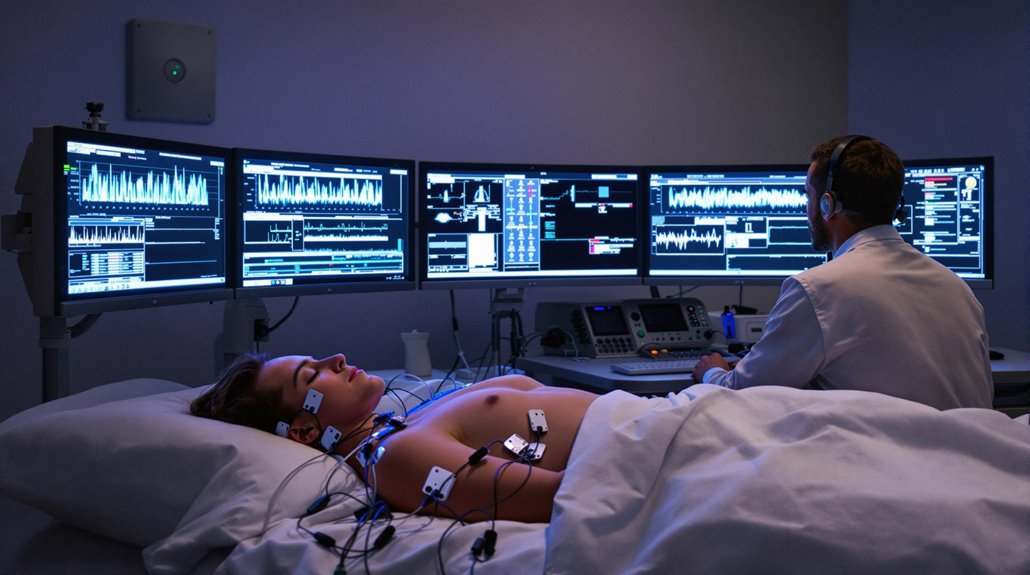
- Polysomnography, conducted in a sleep laboratory, provides comprehensive monitoring of your sleep stages, muscle activity, and other crucial signs throughout the night
These neurological tests and sleep tests work together to create a complete depiction of your condition. The data collected helps your healthcare provider differentiate between various types of sleep myoclonus and related movement disorders. By understanding the specific characteristics of your sleep-related twitching, your doctor can develop an effective treatment strategy customized to your needs.
Treatment Options and Approaches

Treatment options for sleep myoclonus range from straightforward lifestyle adjustments to advanced medical interventions. If you're experiencing frequent hypnic jerks, you'll want to start with simple relaxation techniques and maintain a regular sleep schedule. It's also important to avoid stimulants that could worsen your symptoms.
For more severe cases, you'll need to seek medical advice to investigate pharmaceutical options. Your doctor might prescribe anti-seizure drugs or sedatives, though you should be aware of potential medication side effects. In particularly persistent cases, botulinum toxin injections may be recommended. If you're dealing with underlying medical conditions like restless leg syndrome or Parkinson's disease, treating these conditions first can markedly reduce your myoclonic symptoms.
Physical therapy can be beneficial, focusing on exercises that promote muscle relaxation and better sleep quality. In rare and severe cases where conventional treatments aren't effective, your healthcare provider might consider advanced interventions like deep brain stimulation. Remember that treatment success often depends on identifying the root cause of your sleep myoclonus and following an extensive approach that may combine multiple treatment methods.
Prevention and Management Strategies
Living with sleep myoclonus becomes more manageable when you implement effective prevention strategies alongside treatment. Establishing good sleep hygiene is pivotal, particularly maintaining a consistent bedtime routine and limiting factors that might disrupt your sleep. You'll want to focus on relaxation techniques like meditation and deep breathing exercises, which can substantially reduce stress-related symptoms.
For extensive management of sleep myoclonus, consider these key approaches:
- Address underlying conditions that may trigger symptoms, such as restless leg syndrome or neurological disorders
- Investigate supplementation options like magnesium or melatonin under your healthcare provider's guidance
- Combine lifestyle modifications with prescribed treatments, which might include medications, physical therapy, or deep brain stimulation in severe cases
Remember that prevention often works best when you're consistent with your routine. Create a calm sleep environment by dimming lights, avoiding screens, and practicing relaxation techniques before bed. If your symptoms persist despite these measures, don't hesitate to consult your healthcare provider, who can evaluate whether you need additional interventions or adjust your current treatment plan.
Sleep Hygiene Best Practices
Good sleep hygiene forms the cornerstone of managing sleep myoclonus effectively. By establishing healthy sleep habits, you'll create ideal conditions for minimizing sleep disruptions and muscle jerks. Start by maintaining a consistent sleep schedule - go to bed and wake up at the same time every day, even on weekends, to regulate your body's internal clock.
Your sleep environment plays a fundamental role in quality rest. Keep your bedroom dark, quiet, and cool to promote better sleep. You'll want to avoid stimulating activities before bedtime, especially the use of electronic devices, as they can interfere with your natural sleep-wake cycle. Instead, develop a relaxing bedtime routine that helps you wind down. This might include reading a book, gentle stretching, or practicing meditation.
What you consume matters too. Limit your intake of caffeine, nicotine, and alcohol, particularly in the hours leading up to bedtime. These substances can disrupt your sleep patterns and potentially trigger more frequent sleep myoclonus episodes. If you need a nighttime beverage, opt for caffeine-free herbal tea or warm milk instead.
When to Seek Medical Help
While occasional sleep twitches are usually harmless, you should consult a healthcare provider if your sleep myoclonus becomes frequent or disruptive. If you're experiencing persistent or worsening symptoms, it is crucial to get a medical evaluation to identify any underlying conditions that may require treatment.
You should consult a doctor if you notice any of these specific situations:
- Your sleep twitches are occurring frequently and considerably impacting your sleep quality, leading to daytime fatigue or difficulty functioning
- The movements are severe enough to cause physical injury to yourself or your bed partner, or they're disrupting your bed partner's sleep
- You've noticed a substantial change in your typical sleep patterns, or you're experiencing new symptoms alongside the twitching
A sleep specialist or neurologist can conduct a thorough assessment to determine the root cause of your sleep myoclonus. They'll evaluate whether your symptoms are related to a neurological disorder or sleep condition, and develop an appropriate treatment plan. Don't hesitate to seek professional help if you're concerned about your sleep-related movements, as early intervention can lead to better outcomes.