What Is Sleep Apnea and How Can It Be Managed?
Sleep apnea is a serious condition where you stop breathing repeatedly during sleep, leading to reduced oxygen levels and disrupted rest. You'll notice symptoms like loud snoring, gasping for air, morning headaches, and daytime fatigue. While it's more common in overweight individuals and men over 50, anyone can develop sleep apnea. You can manage it through CPAP therapy, which provides continuous air pressure to keep your airways open, or dental devices that reposition your jaw. Lifestyle changes like weight loss, side sleeping, and avoiding alcohol before bed also help. Understanding your personal risk factors and treatment options will guide you toward better sleep and health.
Understanding Sleep Apnea Basics
During sleep, your body needs continuous, uninterrupted breathing to maintain proper oxygen levels. When you have sleep apnea, you'll experience repeated pauses in breathing throughout the night, which can occur hundreds of times and seriously impact your health. These interruptions typically last several seconds to minutes, forcing your body to briefly wake up to restore normal breathing.
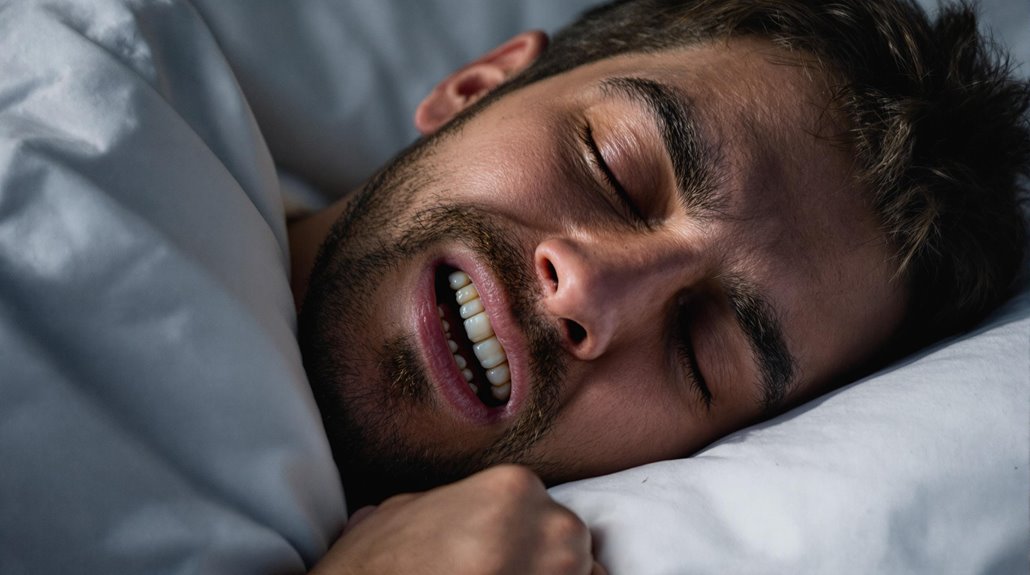
There are two main types of apnea you should know about. Obstructive sleep apnea happens when your airway becomes physically blocked, usually by relaxed throat muscles or excess tissue. Central sleep apnea, however, occurs when your brain doesn't properly signal your breathing muscles. Common symptoms include loud snoring, gasping for air during sleep, morning headaches, and daytime fatigue.
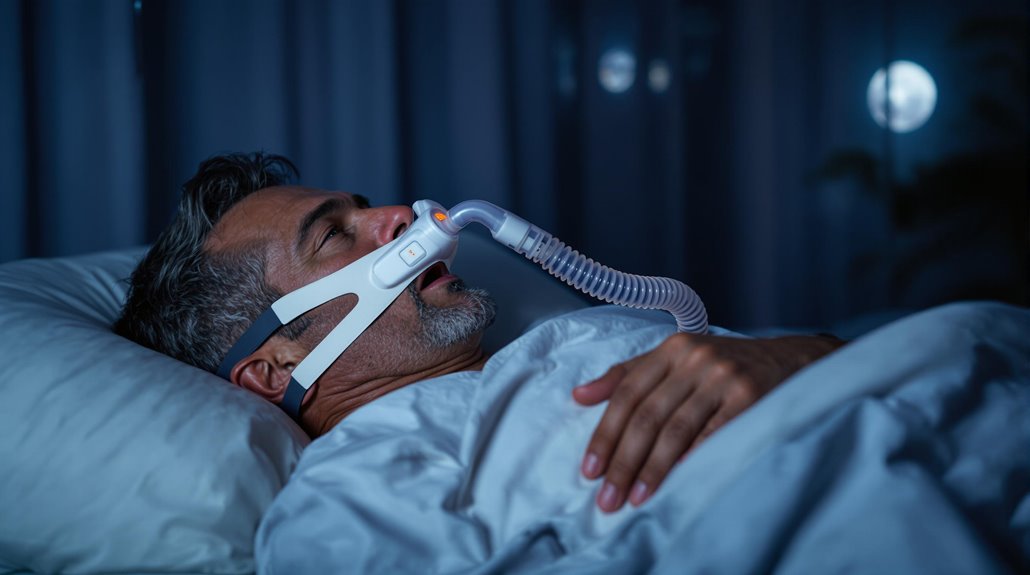
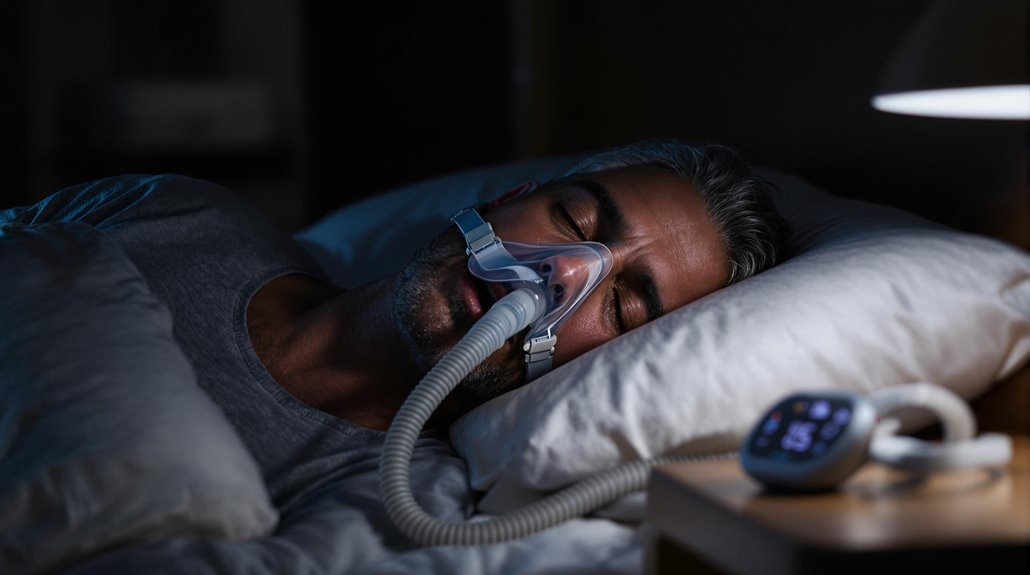
If you're experiencing these symptoms, you'll need a sleep study for proper diagnosis. Once diagnosed, various treatment options are available. The most common is CPAP (Continuous Positive Airway Pressure) therapy, which uses a device that delivers pressurized air through a mask to keep your airway open. Other treatments might include oral devices, lifestyle changes, or in some cases, surgery to correct anatomical issues causing the breathing disruptions.
Common Symptoms and Warning Signs
Sleep apnea warning signs often reveal themselves both during nighttime hours and throughout your day. If you're experiencing frequent daytime sleepiness despite getting what seems like adequate rest, you might be dealing with sleep apnea. Your breathing pattern during sleep could be interrupted hundreds of times nightly, with each episode of stopping breathing lasting several seconds.
Key symptoms of sleep apnea that you should watch for include:
- Loud, persistent snoring that may be accompanied by gasping or choking sounds
- Waking up with headaches and feeling unrested, even after a full night's sleep
- Difficulty maintaining focus and concentration during daytime activities
- Unexplained weight gain and increased irritability
If you notice these warning signs, it's essential to consult a sleep specialist or your health care provider. They may recommend a sleep study to monitor your airway passages and breathing patterns while you rest. Early detection is pivotal because untreated sleep apnea can lead to serious health complications, including heart disease, stroke, and diabetes. The condition becomes more common as you age, especially if you're over 60 or carry excess weight.
Risk Factors to Consider
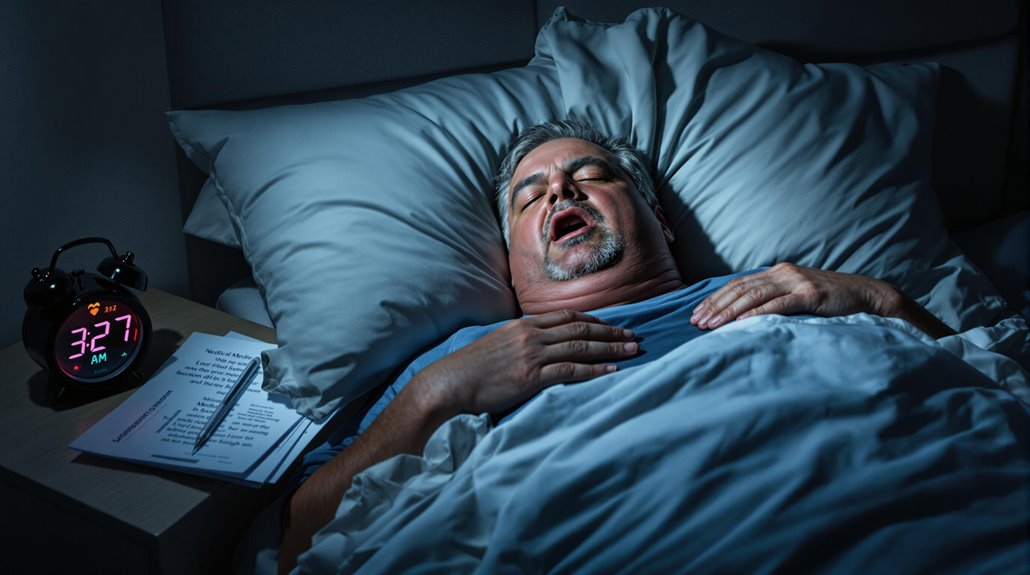
Understanding your personal risk factors can help you identify whether you're more likely to develop sleep apnea. Your age and gender play substantial roles, as the condition becomes more common as you get older. While men are more susceptible before age 50, women face heightened risk after 50. If you're carrying excess weight or obesity, you should be particularly vigilant, as this is a major risk factor that can profoundly impact your breathing during sleep.
Your racial or ethnic background may also influence your likelihood of developing sleep apnea. Studies show higher prevalence rates among Black, Hispanic, and Asian individuals compared to other groups. If you belong to these racial/ethnic groups, you may want to pay closer attention to potential symptoms.
For central sleep apnea specifically, you're at higher risk if you're taking opioid pain medications or if you're among adults over 60. Additionally, if you have underlying heart conditions, your chances of developing this type of sleep apnea increase. Understanding these risk factors can help you and your healthcare provider better assess your need for screening and preventive measures.
Diagnostic Tests and Procedures
When your doctor suspects you have sleep apnea, they'll typically recommend an extensive set of diagnostic tests to confirm the condition. The primary diagnostic tool is polysomnography, a comprehensive sleep study that monitors your heart, lung, and brain activity while you sleep. During this test, medical professionals will track your breathing patterns, arm and leg movements, and blood oxygen levels to get a full depiction of your sleep health.
Your doctor may also recommend:
- Home sleep apnea testing, which allows you to be evaluated in your own bedroom while measuring breathing pauses and oxygen levels
- A thorough physical examination of your throat, nose, and neck, including waist circumference measurement to assess risk factors
- Blood pressure monitoring, as there's a strong connection between sleep apnea and hypertension
If you're prescribed treatment, such as oral appliances or other interventions, you'll likely need follow-up sleep studies to verify the treatment is working effectively. These additional evaluations help your healthcare provider make necessary adjustments to your treatment plan, ensuring you're receiving the most benefit from your prescribed therapy.
CPAP Treatment Options
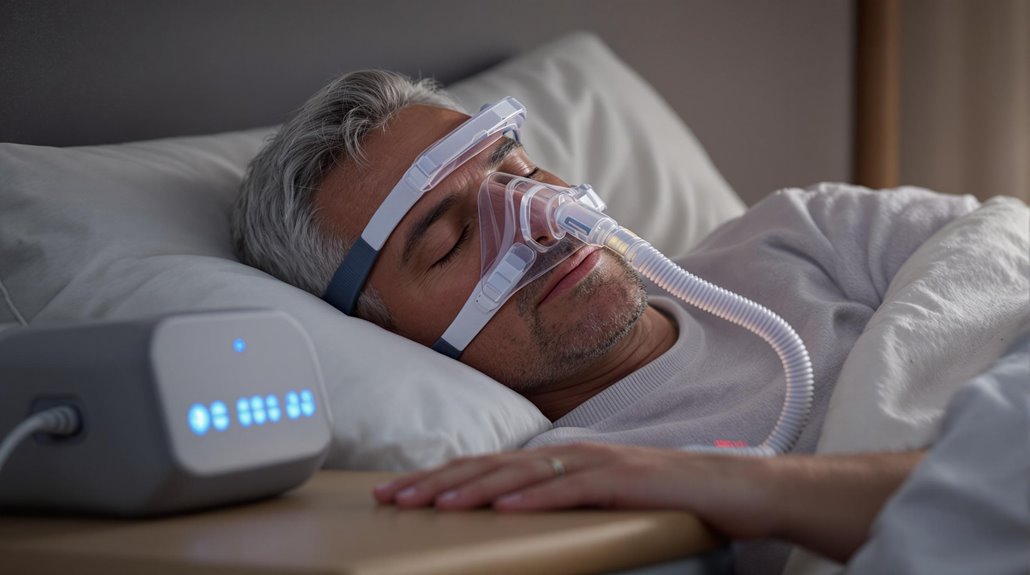
After confirming a sleep apnea diagnosis through testing, many patients begin their treatment expedition with Continuous Positive Airway Pressure (CPAP) therapy. Your doctor and CPAP mask supplier will work together to determine the most effective treatment approach for your specific condition.
When you're selecting a CPAP machine, you'll find various CPAP mask styles to choose from. You might prefer a mask covering the nose only, a full-face mask that covers both your nose and mouth, or a less intrusive nasal pillow system. Your CPAP mask supplier will help you make the right choice based on your sleeping habits, facial structure, and comfort preferences.
The latest CPAP technology includes auto-adjusting devices that can modify air pressure based on your breathing patterns throughout the night. This advancement has made treatment more comfortable and effective for many users. You'll need to maintain regular contact with your mask supplier to make sure your supplies are replaced as needed and your type of mask continues to fit properly. Remember, consistent use of your CPAP machine is essential for managing your sleep apnea effectively and improving your overall health outcomes.
Oral Appliances and Devices
Many patients who struggle with CPAP therapy find relief through oral appliances, which offer a less invasive approach to managing sleep apnea. These dental devices work by repositioning your tongue and lower jaw forward, helping to keep your airway open while you sleep. For those with mild to moderate sleep apnea, oral appliances can be an effective alternative to continuous positive airway pressure therapy.
There are two main types of devices available for sleep apnea treatment:
- Mandibular repositioning devices, which adjust your jaw position
- Tongue retaining devices, which hold your tongue forward
- Custom-fitted appliances that your dentist will adjust for your comfort
- Regular follow-up appointments to guarantee optimal effectiveness
If you're considering an oral appliance, you'll need to work closely with your healthcare provider and dentist. They'll help determine if you're a suitable candidate for this treatment option, especially if you can't tolerate CPAP therapy. Once you've been fitted with a device, you'll need a follow-up sleep study to confirm it's working efficiently. While these appliances require some adjustment time, they can vastly improve your sleep quality and overall well-being.
Surgical Treatment Approaches
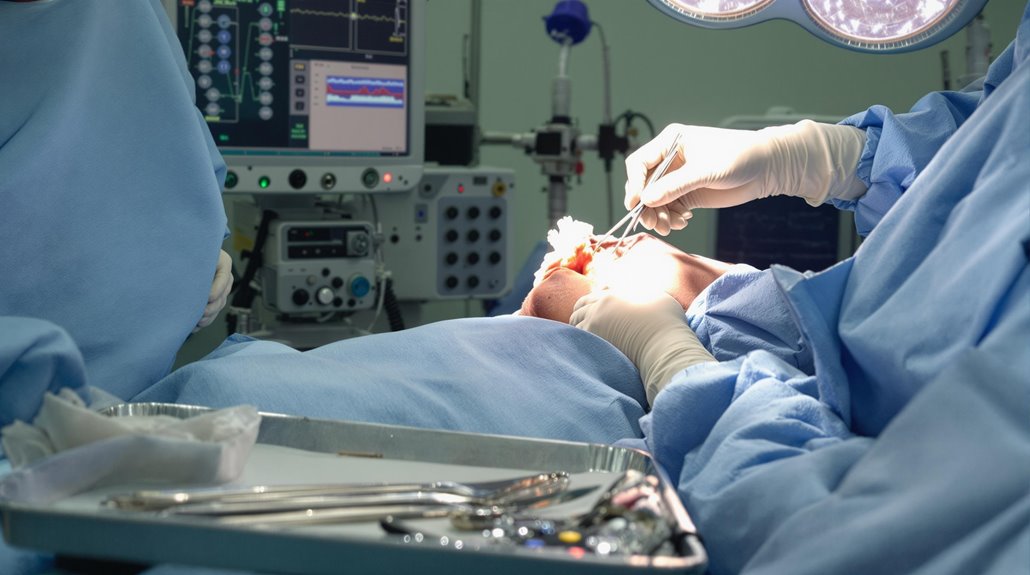
For patients who don't respond well to conservative treatments, surgical options provide more permanent solutions for sleep apnea. Several surgical procedures target different areas that can cause airway obstruction during sleep.
One common surgery is uvulopalatopharyngoplasty (UPPP), which removes excess tissue from your throat and the back of your mouth to widen the airway. If you're experiencing nasal blockage, you might benefit from nasal surgery like septoplasty, which straightens the passages to improve airflow. For more severe cases, maxillomandibular advancement surgery can reposition your jaw to prevent soft tissue from blocking your airway while you sleep.
A newer surgical option is hypoglossal nerve stimulation, where doctors implant a device that controls your tongue muscles to keep your airway open during sleep. This option works well if you can't tolerate CPAP therapy. In rare, severe cases where other treatments haven't worked, your doctor might recommend a tracheostomy. This procedure creates an opening in your neck to bypass the obstructed area, ensuring you can breathe properly while sleeping.
Lifestyle Changes That Help
Simple lifestyle modifications can make a dramatic difference in managing sleep apnea symptoms. If you're struggling with obstructive sleep apnea, you'll be glad to know that several changes to your daily routine can meaningfully improve your condition. For instance, losing just 10% of your body weight can dramatically reduce symptoms or even cure your sleep apnea entirely.
- Avoid alcohol and sedatives within 4 hours of bedtime, as they can worsen airway inflammation and interfere with your breathing during sleep
- Switch to side sleeping instead of sleeping on your back to prevent your tongue from blocking your airway
- Quit smoking to reduce airway inflammation and improve your overall breathing capacity
- Maintain a consistent exercise routine to support weight loss efforts and improve sleep quality
These lifestyle changes work best when you incorporate them together as part of an extensive management plan. While they may seem simple, they're powerful tools in combating sleep apnea symptoms. You don't need to make all these changes at once - start with one or two that feel most manageable, then gradually add more as you build healthy habits.
Natural and Alternative Remedies
Beyond lifestyle modifications, natural and alternative remedies can offer additional relief from sleep apnea symptoms. If you're dealing with mild obstructive sleep apnea, losing weight can notably reduce airway obstruction and improve your breathing during sleep. You'll also want to focus on avoiding alcohol and sleeping pills, as these substances can further relax your upper airway and worsen symptoms.
Home sleep position modifications can make a real difference. Try using a tennis ball sewn into a tube sock and attaching it to the back of your sleepwear to prevent back sleeping. This simple technique helps maintain side sleeping, which often reduces apnea episodes. Additionally, quitting smoking and treating nasal allergies can improve your airflow and reduce symptoms by decreasing inflammation in your airways.
One lesser-known but effective approach involves oropharyngeal exercises. These specialized movements target the muscles in your mouth and throat, potentially strengthening them to better maintain airway openness during sleep. You can learn these exercises from a qualified healthcare provider and practice them regularly as part of your daily routine to help manage your sleep apnea symptoms.
Managing Sleep Positions
Commanding your sleep position plays a vital role in managing sleep apnea symptoms effectively. If you're dealing with obstructive sleep apnea, you'll find that sleeping on your side can significantly reduce symptoms compared to sleeping on your back. Positional therapy offers several practical approaches to help you maintain optimal sleep positions throughout the night.
You can try these proven methods to improve your sleep position:
- Use a tennis ball sewn into the back of your pajamas, effectively discouraging sleeping on your back while encouraging sleeping on your side
- Invest in body position trainers that provide gentle vibrations or feedback to help maintain side sleeping
- Consider elevating the head of the bed by 4-6 inches to help with improving airflow
- Investigate specialized positional therapy devices designed specifically for positional obstructive sleep apnea
These positioning strategies are particularly beneficial if you notice your symptoms worsen when sleeping on your back. By consistently maintaining proper sleep positions, you're taking an active role in managing your condition. Remember that combining multiple approaches, such as using both elevation and side-sleeping techniques, can enhance your results and lead to better sleep quality.
Working With Healthcare Providers
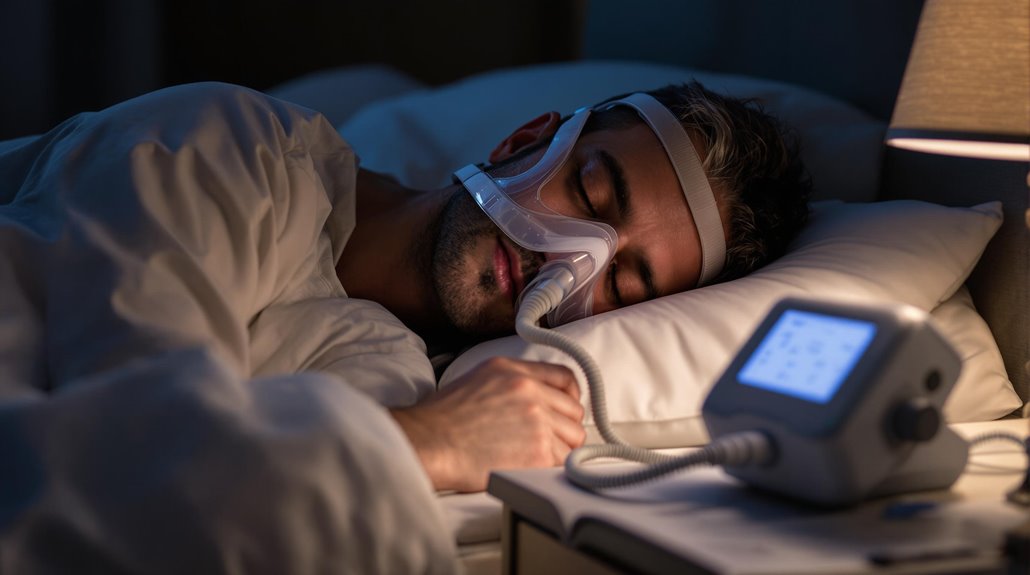
Professional guidance forms the cornerstone of effective sleep apnea management. Your healthcare provider will begin by conducting a physical examination and reviewing your medical history to understand your symptoms. They may recommend a sleep study to confirm if you have obstructive sleep apnea and determine its severity.
Working with specialists is vital for finding the most effective treatment. Your care team might include sleep specialists, pulmonologists who focus on breathing disorders, and dental sleep professionals who can fit you with oral appliances. If you're prescribed continuous positive airway pressure therapy, they'll help you select the right nasal mask and adjust the settings for ideal results.
Don't hesitate to ask questions about various treatment options, including surgery or airway stimulation devices. Your healthcare team can explain the benefits and risks of each approach, helping you make informed decisions about your care. Regular follow-up appointments allow your providers to monitor your progress and make necessary adjustments to your treatment plan. Remember to communicate openly about any challenges you're experiencing with your therapy, as this feedback helps guarantee you're getting the most benefit from your chosen treatment method.
Long-term Health Implications
Serious health consequences await those who leave sleep apnea untreated. Whether you have central sleep apnea or severe obstructive sleep apnea, ignoring the condition puts you at considerable risk for life-threatening complications. When you don't address moderate to severe obstructive sleep apnea, you're more likely to develop serious cardiovascular events, including heart disease, stroke, and high blood pressure. Additionally, untreated cases often lead to diabetes and increase your risk of premature death.
Your daily life is also greatly impacted by severe sleep apnea. Here's what you might experience:
- Extreme daytime fatigue that affects your work performance
- Decreased cognitive function, making complex tasks more challenging
- Higher risk of being involved in motor vehicle accidents
- Reduced quality of life due to constant exhaustion
The good news is that proper management can dramatically improve your long-term health outlook. By working with your healthcare provider to find the right treatment approach - whether it's CPAP therapy, lifestyle changes, or surgical interventions - you can substantially reduce your risk of these serious complications and improve your overall health outcomes.
Support and Resources
Along with medical treatment, numerous support systems and resources exist to help you manage sleep apnea effectively. You'll find instructive educational resources through organizations like the American Sleep Apnea Association and the National Sleep Foundation, which provide detailed information about sleep apnea, treatment options, and strategies for better sleep.
If you're seeking personal connections and shared experiences, you can join support groups at local sleep clinics or hospitals. These groups offer opportunities to discuss challenges and successes with others who understand your experience, particularly regarding CPAP machine usage and continuous positive airway pressure therapy. Online forums, such as SleepApnea.org's discussion boards, provide a convenient platform to connect with the sleep apnea community around the clock.
Don't forget to investigate your health insurance coverage options. Many insurance providers cover essential services like sleep studies, CPAP machines, and related supplies. They may also help you locate approved sleep clinics and specialists in your area. These resources, combined with professional medical care, can dramatically improve your ability to manage sleep apnea and enhance your quality of life.