What Is Bruxism? When Children Grind Their Teeth While Sleeping

If you've noticed grinding sounds when your child sleeps, they likely have bruxism - a common condition affecting up to 40% of children under 10. Your child's teeth grinding can stem from stress, anxiety, sleep disorders, or dental misalignment. Watch for signs like jaw pain, headaches, worn-down teeth, and disrupted sleep patterns. While bruxism often resolves on its own as children grow, it's important to identify potential triggers and protect their developing teeth. Various treatment options, from custom night guards to stress management techniques, can help your child find relief and protect their smile for years to come.
Understanding Teeth Grinding in Children
If you've ever heard your child grinding their teeth at night, you're not alone. Teeth grinding, also known as bruxism in children, is a surprisingly common condition that affects up to 40.6% of young people, with children under 10 being particularly susceptible.
Understanding the causes of bruxism is essential for effective treatment. Your child's teeth clenching could stem from various factors, including stress and anxiety, sleep disorders, or dental misalignment. Sometimes, certain medications or medical conditions might trigger this behavior. You'll want to watch for common signs like jaw pain, headaches, worn-down teeth, and disrupted sleep patterns.
While it's natural to feel concerned, you should know that treatment options are available. Your child's healthcare provider might recommend a multidisciplinary approach, combining different strategies to address the underlying causes. These can include dental appliances to protect their teeth, stress management techniques if anxiety is the root cause, or treating any related sleep disorders. If you notice your child grinding their teeth, it's important to consult with their dentist or pediatrician to develop an appropriate treatment plan customized to their specific needs.
Common Causes and Risk Factors
The underlying causes of bruxism often stem from a complex mix of physical and environmental factors. If your child grinds their teeth, it's important to understand that certain medical conditions like ADHD and cerebral palsy can profoundly increase their risk of developing this habit. These conditions often affect muscle control and sleep patterns, making teeth grinding more likely.
Your family history plays an essential role, as genetic factors can predispose your child to bruxism. Sleep disturbances, particularly sleep apnea, are major contributors to nighttime teeth grinding in children. If your child has misaligned teeth or an abnormal bite, they may be more prone to developing this condition.
Environmental factors can also trigger bruxism in your child. Exposure to secondhand smoke has been linked to an elevated risk of teeth grinding. Additionally, emotional and behavioral challenges your child faces may manifest through nighttime bruxism. By understanding these various risk factors, you'll be better equipped to work with your child's healthcare provider to identify potential triggers and develop an appropriate management plan.
Signs and Warning Signals
Recognizing early warning signs of bruxism in your child can prevent long-term dental complications. If you hear grinding sounds while your child sleeps at night, this is often the most noticeable indicator of teeth grinding. You'll want to monitor these sounds and observe how frequently they occur.
Your child's teeth can reveal important clues about grinding habits. Check for unusual wear patterns or damage to the tooth enamel, as these changes signal chronic grinding. Pay attention if your child complains about jaw pain or mentions clicking sounds when opening and closing their mouth. These symptoms can cause discomfort and may affect your family's daily routine.
Watch for signs that your child isn't sleeping well, as teeth grinding can disrupt normal sleep patterns. If your child frequently wakes up with headaches or unexplained earaches, these could be related to nighttime grinding. Stress can intensify these symptoms, so it's crucial to recognize if the grinding becomes more pronounced during challenging periods. When you notice these warning signals, especially in combination, it's time to consult your child's dentist for proper evaluation and treatment options.
Medical Diagnosis Process
Professional diagnosis of bruxism starts with a thorough examination by your child's dentist or physician. During the clinical examination, your doctor will look for signs of tooth wear, damage, and other dental issues that might indicate teeth grinding in children. They'll assess your child's jaw muscles, bite alignment, and discuss any symptoms like facial pain or headaches you've noticed.
If your doctor suspects sleep bruxism, they might recommend a sleep study called polysomnography. This specialized test monitors your child's sleep patterns, breathing, and grinding behaviors during the night. It's particularly helpful in identifying the underlying causes and determining the severity of different types of bruxism.
Talk to Your Doctor about any concerns you have regarding your child's teeth grinding habits. The American Academy of Pediatric Dentistry recommends regular screenings for bruxism during routine check-ups, especially if your child shows signs of sleep disturbances or jaw discomfort. Your healthcare provider will develop a customized treatment plan based on the diagnosis, considering factors like stress levels, medications, and other medical conditions that might contribute to the grinding behavior.
Treatment Options for Young Patients
Managing bruxism in children requires a personalized approach based on their age and specific symptoms. If your child shows signs of tooth grinding, you'll need to work with their dentist to investigate appropriate treatment options. For younger children, the focus is often on addressing underlying psychological factors that may trigger clenching and grinding.
Your dentist might recommend a custom-fitted night guard to protect their teeth from further damage. However, these devices aren't always suitable for children whose teeth are still developing. To help reduce teeth grinding, you can try stress-reduction techniques before bedtime, such as warm baths or gentle stretching exercises for the jaw muscles.
For cases involving a sore jaw, applying a warm compress can provide relief. Sometimes, making adjustments to your child's sleep routine or addressing anxiety issues through counseling can extensively decrease tooth grinding episodes. If misaligned teeth contribute to the problem, your dentist might suggest orthodontic treatment. Regular dental check-ups are essential to monitor any tooth damage and adjust the treatment plan accordingly. Remember that many children outgrow bruxism, but safeguarding their teeth during this phase is indispensable for long-term dental health.
Protecting Your Child's Dental Health
With your child's dental health at stake, taking proactive steps to protect against bruxism-related damage is essential. Regular dental check-ups will help monitor your child's teeth grinding patterns and detect any early signs of wear or alignment issues that need attention. Don't overlook the importance of protective measures like mouth guards or dental splints, which can greatly reduce damage to your child's teeth during nighttime grinding episodes.
If your dentist identifies jaw alignment problems contributing to teeth grinding, they may recommend orthodontic treatment to address these underlying issues. Remember that teeth protection isn't just about physical interventions - managing emotional factors is equally important. Help your child develop stress management techniques and relaxation exercises that can reduce grinding episodes triggered by anxiety or tension.
Keep in mind that teeth grinding might be linked to sleep disorders or other medical conditions. Work closely with your healthcare provider to identify and treat any underlying issues that could be causing or worsening your child's bruxism. By taking a thorough approach to your child's dental health, you'll be better equipped to protect their teeth and prevent long-term damage from grinding.
Prevention Strategies at Home
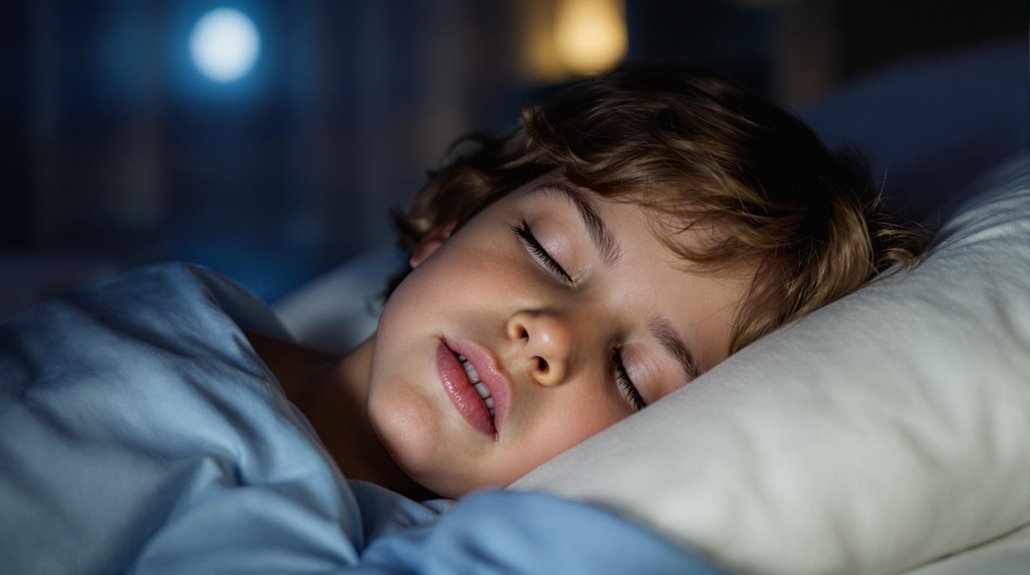
To effectively combat bruxism at home, creating a consistent and calming bedtime routine is essential. If your child tends to grind or clench their teeth at night, establishing relaxing pre-sleep activities can substantially reduce stress that often triggers this behavior. Consider incorporating a warm bath, gentle stretching, or quiet reading time before bed to help your child unwind.
Improving sleep quality plays a pivotal role in preventing grinding or clenching episodes. Keep electronic devices out of the bedroom, as blue light can interfere with natural sleep patterns. Instead, offer calming activities like coloring or puzzles in the hour before bedtime. If your child has a family history of bruxism, you'll need to be particularly vigilant about maintaining these preventive measures.
Pay attention to any emotional issues that might contribute to teeth clenching or grinding. Open communication about your child's daily experiences can help identify sources of anxiety. Create a sleep environment that's conducive to rest by maintaining a cool, quiet room temperature and using comfortable bedding. If you notice continued signs of teeth grinding despite these measures, consult your dentist for additional guidance.
When to Seek Professional Help
Parents should be alert to specific warning signs that indicate professional intervention is needed for their child's bruxism. If your child complains of jaw pain, facial discomfort, or sensitivity to hot and cold foods, it's time to consult a dentist. While teeth grinding during infancy may be common, persistent grinding that's disrupting their child's sleep or causing visible dental wear requires immediate attention.
Your dentist can properly diagnose what causes bruxism and recommend appropriate treatments, including custom-fitted mouth guards to protect your child's teeth. They may also refer you to other specialists depending on the cause of bruxism. A sleep specialist can evaluate whether sleep disorders are contributing to the grinding, which can cause long-term health complications if left unhandled.
If stress or anxiety appears to trigger your child's teeth grinding, a mental health professional can provide meaningful support. They'll work with your child to develop coping strategies that go beyond basic solutions like playing soothing music at bedtime. Remember, early intervention is critical, as untreated bruxism can affect not only your child but also disturb other family members' sleep patterns.
Long-Term Effects and Complications
Understanding bruxism's lasting impact is necessary when considering professional treatment. If left untreated, your child's tooth grinding can lead to severe complications that affect both their dental health and overall well-being. The constant grinding wears down tooth enamel, eventually exposing the sensitive dentin layer underneath. This damage isn't reversible and may require extensive dental procedures, including crowns or implants, to repair the affected teeth.
Your child might develop TMJ disorders and chronic facial/jaw pain as their jaw muscles and joints experience ongoing stress from grinding. They're also likely to suffer from headaches, earaches, and sleep disruptions, which can affect their daily activities and academic performance. Perhaps most concerning is the impact on your child's dental development. Persistent grinding can lead to malocclusion, where teeth become misaligned due to the constant pressure and wear. This misalignment might require orthodontic intervention later in life. By identifying and addressing bruxism early, you'll help protect your child's dental health and prevent these potentially serious long-term complications that could affect their quality of life.