
What Is Bruxism and How Can It Impact Your Sleep?
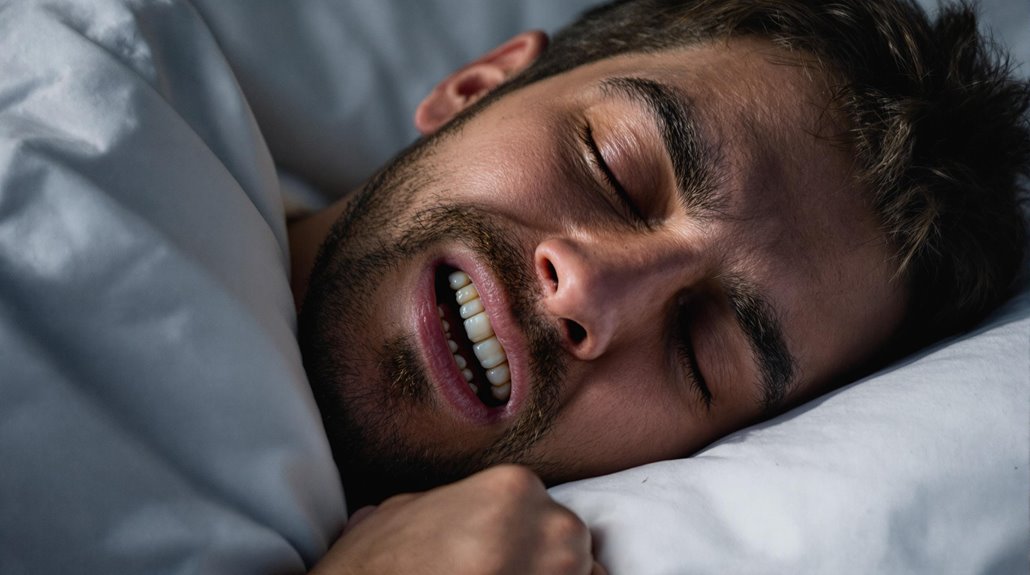
Bruxism is a sleep disorder where you unconsciously grind, clench, or gnash your teeth while sleeping. This condition can seriously disrupt your rest by fragmenting sleep cycles and causing you to wake up with jaw pain, headaches, or facial muscle fatigue. You might not even know you have it until a partner notices grinding sounds or your dentist spots worn tooth enamel. The disorder often occurs alongside other sleep issues like sleep apnea, and it's frequently triggered by stress, anxiety, or certain medications. Understanding the full scope of bruxism's impacts can help you take the right steps toward better sleep and oral health.
Understanding Bruxism and Sleep Disorders
The nightly grind of bruxism can wreak havoc on your sleep quality and overall health. When you unconsciously grind or clench your jaw during sleep, you're experiencing a condition that's more extensive than just a bad habit. Bruxism is classified as a sleep-related movement disorder that can seriously disrupt your nightly rest.
If you're dealing with bruxism, you might find yourself waking up frequently throughout the night without understanding why. This sleep disruption isn't just about dental damage - it's directly impacting your sleep patterns and causing increased arousals that fragment your rest. You'll likely notice daytime fatigue and sleepiness as a result of these disruptions.
What's particularly important to understand is that bruxism often doesn't occur in isolation. If you're experiencing grinding and clenching symptoms, there's a strong chance you might have other sleep disorders, particularly sleep apnea. In fact, about 70% of sleep apnea patients also deal with bruxism. That's why effective sleep therapy often requires a multifaceted approach, addressing not just the grinding itself but also investigating and treating any underlying sleep disorders that might be contributing to your condition.
Common Causes and Risk Factors
Root causes of bruxism often intertwine with both psychological and physiological factors. If you're experiencing teeth grinding, stress and anxiety are likely the primary culprits, as these emotional states can cause unconscious tension in your jaw muscles. Your personality type may also influence your susceptibility to this condition.
Sleep disorders play an essential role, with sleep apnea being a significant risk factor for developing bruxism. Poor sleep hygiene can exacerbate these issues, creating a cycle of disrupted sleep and increased grinding. If you're taking certain medications, particularly psychiatric drugs, you might be more prone to teeth grinding as a side effect.
Your lifestyle choices can profoundly impact bruxism development. Alcohol consumption, smoking, and caffeine intake can all trigger or worsen grinding episodes. Additionally, if you have a genetic predisposition or pre-existing temporomandibular disorders, you're at higher risk for developing bruxism. Understanding these risk factors is essential because they often work in combination – for instance, stress might lead to increased alcohol consumption, which in turn can intensify teeth grinding episodes during sleep.
Signs You Might Have Bruxism
Recognizing bruxism early can prevent long-term damage to your oral health. People who clench or grind their teeth during sleep often exhibit several telltale signs that can help identify this condition. One of the most common symptoms of bruxism is waking up with jaw pain or a tight, fatigued feeling in your facial muscles.
If you're experiencing frequent morning headaches, earaches, or facial discomfort, these could be indicators that you grind your teeth at night. Your teeth might also show physical signs of wear, appearing flattened, chipped, or becoming increasingly sensitive to temperature changes. Many individuals uncover they have bruxism when their sleep partner notices loud grinding noises coming from their mouth during the night. This awareness can be particularly helpful in seeking treatment, as the condition is often linked to other sleep disorders like obstructive sleep apnea. If you notice these symptoms, it's important to monitor them and discuss them with your healthcare provider. Early detection can prevent further complications and lead to more effective treatment options, protecting both your sleep quality and dental health.
Health Impacts of Teeth Grinding
While identifying the signs of bruxism is important, understanding its serious health consequences can motivate you to seek treatment promptly. Whether you experience sleep bruxism or awake bruxism, the constant teeth grinding can lead to essential tooth damage, wearing down your protective enamel and making your teeth more susceptible to sensitivity and cavities.
The impact extends beyond your teeth. You might develop temporomandibular joint (TMJ) problems, which can progress into a more severe temporomandibular disorder. This condition can cause chronic facial pain and make it difficult to open your mouth normally. The muscle tension from persistent grinding often triggers tension headaches and earaches, affecting your daily activities and overall quality of life.
Your sleep quality can suffer greatly from teeth grinding. Sleep bruxism is particularly concerning because it's associated with an increased risk of obstructive sleep apnea. The combination of jaw pain, headaches, and sleep disruption can create a cycle of discomfort that affects both your nights and days. If you're experiencing any of these symptoms, it's imperative to address them before they lead to more serious complications requiring extensive dental work.
Diagnosis and Medical Assessment
Getting a proper bruxism diagnosis starts with a visit to your healthcare provider, typically a dentist, who'll conduct a thorough examination of your mouth, teeth, and jaw. During your assessment, you'll discuss your medical history, including any medications you're taking and underlying medical conditions that might contribute to teeth grinding.
Your healthcare provider will evaluate several key aspects to confirm a bruxism diagnosis:
- Examination of tooth wear patterns and any damage to dental work
- Assessment of your jaw muscles and joint functionality
- Review of your sleep quality and nighttime grinding symptoms
- Evaluation of your current medications and their potential side effects
- Discussion of stress levels and lifestyle factors that may trigger grinding
In some cases, your provider might recommend a sleep study using polysomnography to confirm sleep bruxism and determine its severity. This specialized test monitors your sleep patterns, muscle activity, and grinding episodes throughout the night. The extensive nature of the diagnosis process helps your healthcare provider develop an effective treatment plan suited to your specific needs and identify any underlying conditions that need addressing.
Treatment Options and Solutions
Managing bruxism effectively requires a multi-faceted treatment approach customized to your specific symptoms and triggers. Whether you're experiencing sleep bruxism or awake bruxism, your dentist can fit you with a custom mouth guard that'll protect your teeth from the damaging effects of jaw clenching and grinding during sleep.
You'll also need to address the underlying causes of your teeth grinding. If stress is a factor, incorporating cognitive behavioral techniques and learning to manage stress through meditation or yoga can considerably reduce symptoms. For those with sleep apnea, treating this condition with appropriate therapies can help alleviate your sleep bruxism.
In more severe cases, your healthcare provider might recommend medical interventions. Muscle relaxants can provide temporary relief, while Botox injections may help relax the jaw muscles that cause grinding. Regular dental checkups are essential to monitor any damage and adjust your treatment plan accordingly.
Remember that successful treatment often combines multiple approaches. You might need to try different combinations of therapies before finding what works best for you. Stay committed to your treatment plan and maintain open communication with your healthcare providers about your progress.
Prevention and Management Strategies
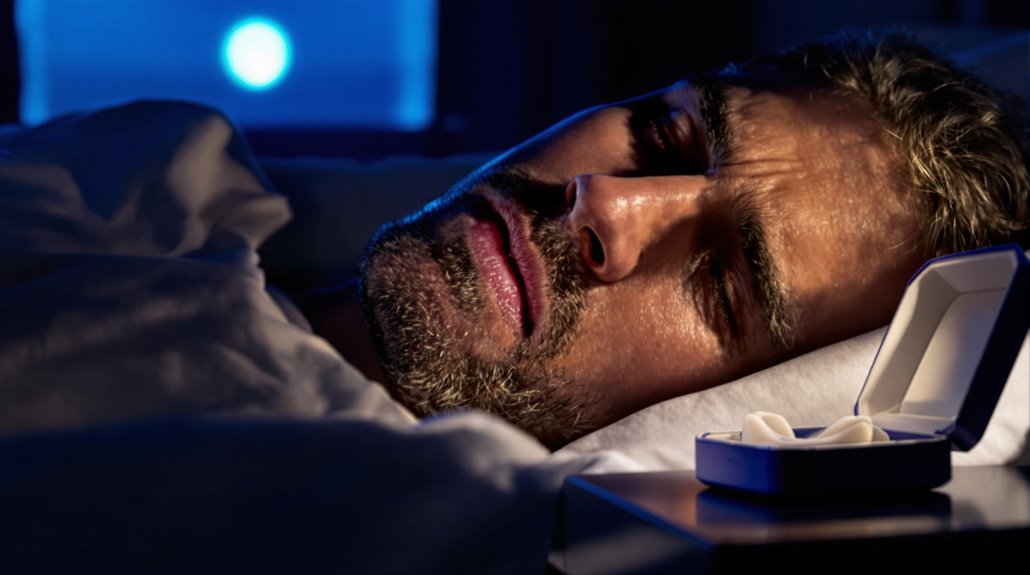
Several effective strategies can help you prevent and manage bruxism in your daily life. Sleep bruxism can profoundly impact your sleep quality, but you'll find that implementing specific lifestyle changes and preventive measures can make a substantial difference in managing this condition.
- Start by establishing good sleep hygiene practices, which include maintaining a consistent sleep schedule and creating a relaxing bedtime routine to address any underlying sleep disorders or sleep talking.
- Incorporate stress-reduction techniques into your daily routine, such as meditation and yoga, which can help relax your jaw muscles and reduce nighttime teeth grinding.
- Avoid stimulants and substances that can trigger bruxism, particularly caffeine, alcohol, and smoking, especially in the hours leading up to bedtime.
- Invest in a custom-fitted mouth guard prescribed by your dentist, as it provides essential protection for your teeth during episodes of nighttime grinding.
- Schedule regular dental check-ups to monitor your condition, as your dentist can identify early signs of wear and adjust your treatment plan accordingly.