
What Happens to Your Body When You Don’t Sleep?
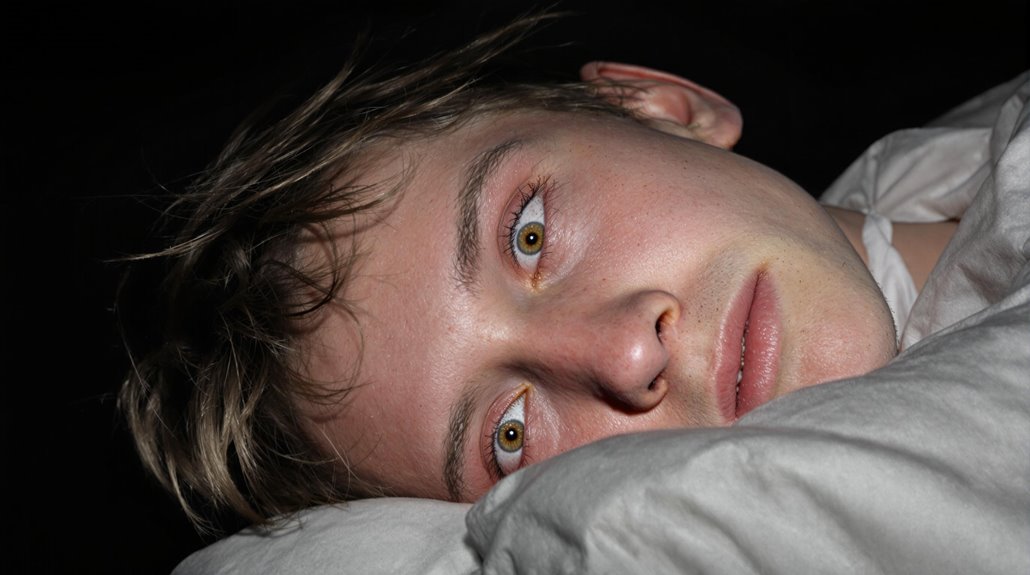
When you don't get enough sleep, your body takes a serious hit across multiple systems. Your brain function deteriorates, making it harder to think clearly, remember details, or solve problems. You'll notice your immune system weakening, leaving you more vulnerable to colds and infections. Your heart health suffers as blood pressure becomes harder to regulate, while your metabolism slows down, potentially leading to weight gain. You'll likely feel more irritable and emotionally unstable, and your skin may start showing premature signs of aging. Understanding these effects is just the beginning of recognizing sleep's central role in your overall health.
Sleep Loss and Brain Function
Your brain's ability to function takes a serious hit when you don't get enough sleep. When you're sleep-deprived, your cognitive performance deteriorates considerably, making it harder to concentrate and process information effectively. You'll notice your memory becoming unreliable, as your brain struggles to form new memories and consolidate what you've learned throughout the day.
Your reaction time slows substantially, which can lead to accidents and mistakes in both personal and professional settings. You'll find yourself struggling with tasks that require creativity and problem-solving skills, as your sleep-deprived brain can't make connections or think critically as well as it normally would. This decline in mental sharpness can severely impact your productivity and decision-making abilities.
What's even more concerning is the long-term impact of chronic sleep loss on your brain health. Without adequate sleep, you're at increased risk of developing serious neurological disorders, including conditions like Alzheimer's disease. Your brain relies on quality sleep to maintain its essential functions, and when you consistently deprive it of rest, you're compromising its ability to perform critical tasks related to learning and recall.
Your Weakened Immune Defense System
While brain function suffers greatly from sleep loss, the body's defense system takes an equally significant hit. When you're experiencing sleep deprivation, your immune system becomes compromised in multiple ways. Your body reduces its production of pivotal infection-fighting cells, antibodies, and cytokines that help combat viral illness, making you more susceptible to catching the common cold and other infections.
The impact of poor sleep doesn't stop there. Your weakened immune response means that even when you do get sick, your body struggles to fight off the infection effectively, leading to longer recovery times. If you're dealing with insomnia, you're not just feeling tired - you're actively undermining your body's natural defense mechanisms.
Chronic insomnia poses an even greater threat, as prolonged sleep deficiency can contribute to the development of serious diseases by continuously weakening your immune defenses. To protect yourself, it is necessary to prioritize getting 7-8 hours of quality sleep each night. This consistent sleep schedule helps maintain strong immune defenses and guarantees your body has the resources it needs to fight off infections effectively.
Heart Health at Risk
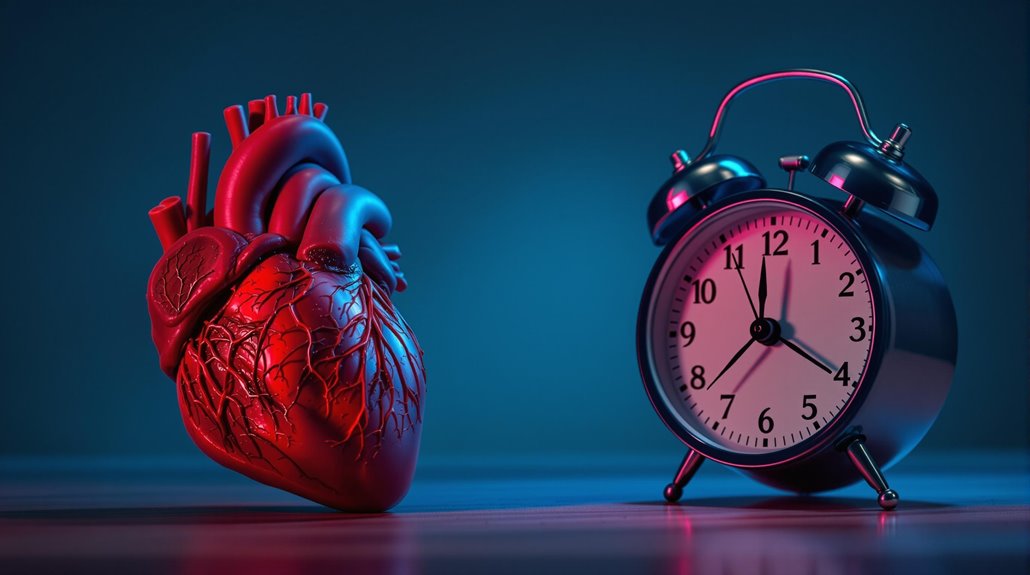
Sleep loss deals a devastating blow to cardiovascular health. When you're not getting enough rest, your body struggles to regulate blood pressure and combat inflammation, two critical factors that protect your heart. Research shows that inadequate sleep duration - specifically less than 7 hours per night - considerably increases your risk of developing cardiovascular disease and experiencing heart attacks or strokes.
What's particularly concerning is how sleep deprivation creates a cascade of health problems that compound your heart disease risk. Poor sleep quality triggers inflammatory responses throughout your body, while simultaneously making it harder for your cardiovascular system to function properly. If you're dealing with sleep apnea, you're facing even greater challenges, as this condition is strongly linked to serious heart rhythm problems called arrhythmias. Additionally, chronic sleep issues can lead to obesity and type 2 diabetes, both of which further strain your heart's health. The good news is that you can protect your cardiovascular system by prioritizing 7-8 hours of quality sleep each night. This simple yet powerful habit helps maintain healthy blood pressure levels and reduces your risk of developing serious heart conditions.
Weight Gain and Metabolic Changes
Living with chronic sleep deprivation wreaks havoc on your body's delicate metabolic balance. When you consistently get less than five hours of sleep per night, you're setting yourself up for unwanted weight gain and serious metabolic health issues. Your body's appetite hormones, leptin and ghrelin, become disrupted, leaving you feeling hungrier and experiencing more intense cravings throughout the day.
What's worse, your metabolism slows down significantly when you're not getting enough rest. This metabolic slowdown, combined with reduced insulin sensitivity, creates the perfect storm for weight gain and increases your risk of developing type 2 diabetes. You'll find it harder to maintain a healthy body mass index, and you're more likely to accumulate excess abdominal fat.
Your sleep quality and sleep duration play pivotal roles in maintaining a healthy weight. When you consistently skimp on sleep, your body can't properly regulate energy expenditure or process nutrients effectively. The science is clear: if you want to protect your metabolic health and maintain a healthy weight, you need to prioritize getting seven to eight hours of quality sleep each night.
Mental Well-Being Under Pressure

Your mental well-being takes a dramatic hit when chronic sleep deprivation sets in. Without adequate rest, you'll notice increased irritability and difficulty managing your emotions throughout the day. This disruption in emotional regulation can strain your relationships and impair your social functioning, making it harder to maintain meaningful connections with others.
The impact of poor sleep quality extends far beyond daily mood swings. When your sleep-wake cycles become consistently disrupted, you're at a remarkably higher risk of developing serious mood disorders. Chronic insomnia and ongoing sleep deprivation can trigger or worsen conditions like depression and anxiety, creating a challenging cycle that's hard to break.
Your brain's resilience against stress diminishes when you're not getting enough rest, making you more vulnerable to mental health challenges. The good news is that taking steps to improve your sleep quality can help reverse these effects. By prioritizing consistent, restful sleep, you're giving your mind the opportunity to reset, regulate emotions more effectively, and build stronger defenses against mental health issues. Remember, quality sleep isn't just about physical rest – it's an essential foundation for maintaining your psychological well-being.
Physical Performance and Coordination
Mental health challenges aren't the only consequences of poor sleep - physical abilities take a substantial hit as well. When you're not getting enough sleep, your body struggles to maintain basic coordination and balance, putting you at greater risk for accidents and injuries. The effects of sleep deprivation on your physical performance and coordination can be both immediate and severe.
Lack of sleep profoundly impairs your hand-eye coordination and slows your reaction times, making everyday tasks more challenging and potentially dangerous. Studies show that even missing just one night of proper rest can dramatically reduce your athletic performance and physical capabilities. Your body simply can't maintain its usual level of precision and control when sleep deprived.
Poor sleep habits can be particularly dangerous for older adults, who face an increased risk of falls due to compromised balance and coordination. To maintain peak physical performance, your body needs adequate rest to recover and regenerate. Without proper sleep, you'll likely experience decreased strength, reduced endurance, and impaired motor skills - all of which can impact your daily activities and overall safety.
Aging and Skin Health
Nearly everyone has experienced those telltale signs of exhaustion in the mirror - dark circles, dull complexion, and lackluster skin. What you might not realize is that these aren't just temporary skin issues; poor sleep quality can actually accelerate skin aging and cause long-term damage to your skin's health.
When you don't get enough sleep, your body can't properly engage in skin regeneration processes that typically occur during rest. This disruption leads to more visible signs of aging, including fine lines, wrinkles, and skin looseness. You'll also notice uneven skin tone and reduced elasticity, making your skin appear older than it actually is. Research shows that people who consistently experience sleep deprivation tend to be more unhappy with their skin appearance compared to those who get adequate rest.
Your skin condition is directly tied to your sleep habits, acting as a visible marker of your overall well-being. To maintain healthy, youthful-looking skin, you'll need to prioritize quality sleep as part of your daily routine. Think of good sleep as an essential component of your skincare regimen - it's just as important as any cream or treatment you might use.
Disease Prevention and Recovery
Sleep serves as an essential shield against disease, acting as your body's natural defense system. When you're sleep deprived, your immune system takes a serious hit. You'll produce fewer antibodies to fight infections, making you more susceptible to illnesses like the common cold. If you're already sick, lack of sleep can considerably slow down your recovery by hampering your body's ability to combat inflammation and fight off infections effectively.
What's even more concerning is how chronic sleep deprivation can affect your long-term health. When you consistently don't get enough quality sleep, you're increasing your risk of developing serious chronic health conditions. These include obesity, diabetes, and cardiovascular disease, which can have lasting impacts on your overall well-being. If you're struggling with sleep disorders like insomnia, you're not just dealing with fatigue - you're compromising your body's natural disease prevention mechanisms.
To maintain ideal immune function and protect yourself against illness, aim for 7-8 hours of quality sleep each night. This isn't just about feeling refreshed; it's about giving your body the time it needs to strengthen its defenses and maintain your health.