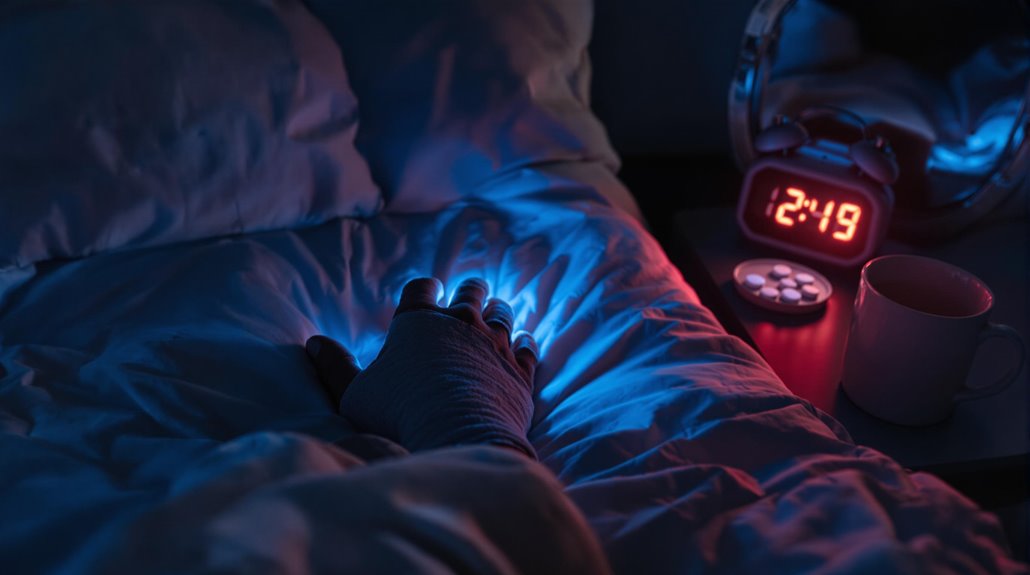
What Causes Sleep Paralysis? Exploring Triggers and Treatments

Sleep paralysis occurs when your brain wakes up during REM sleep while your body remains in a paralyzed state. You'll experience a temporary inability to move or speak, often accompanied by vivid hallucinations and feelings of chest pressure. Common triggers include irregular sleep patterns, stress, anxiety, sleeping on your back, and underlying medical conditions like sleep apnea. Mental health issues, particularly PTSD and anxiety disorders, can increase your risk of experiencing episodes. While approximately 8% of people face this condition, you can manage it by addressing underlying causes, maintaining good sleep hygiene, and developing proper lifestyle habits. Understanding the science and triggers behind sleep paralysis opens the door to effective management strategies.
Understanding Sleep Paralysis
During those moments between sleep and wakefulness, sleep paralysis can strike, leaving you temporarily unable to move or speak despite being mentally alert. This unsettling experience occurs when your brain awakens from rapid eye movement (REM) sleep while your body remains in a state of muscle paralysis - a natural mechanism that typically prevents you from acting out your dreams.
You're not alone if you've experienced this phenomenon, as it affects roughly 8% of the population. During an episode, you might encounter vivid hallucinations, feel pressure on your chest, or experience intense fear. While sleep paralysis can be frightening, understanding its triggers can help you manage it effectively. The condition often stems from various factors, including sleep disorders like narcolepsy or sleep apnea, irregular sleep patterns, stress, and anxiety disorders.
To reduce your risk of experiencing sleep paralysis, focus on maintaining good sleep hygiene by following a consistent sleep schedule and creating a relaxing bedtime routine. If episodes persist or drastically impact your life, you might benefit from cognitive-behavioral therapy or medical intervention to address any underlying conditions contributing to your symptoms.
Common Sleep Paralysis Triggers
Several key factors can trigger sleep paralysis episodes, with irregular sleep patterns and sleep deprivation topping the list. If you sleep on your back, you're more likely to experience these unsettling episodes. Additionally, if you work night shifts or frequently travel across time zones, your disrupted sleep patterns can increase your vulnerability to sleep paralysis.
Your mental health plays a significant role too. High levels of stress, anxiety, and conditions like PTSD can make you more susceptible to these episodes. If you're dealing with underlying medical conditions such as sleep apnea or taking certain medications, you might face a higher risk of experiencing sleep paralysis. Your family history can also influence your predisposition to these episodes, as genetics appear to play a role in their occurrence.
Environmental factors matter as well. Sleeping in unfamiliar surroundings can disrupt your normal sleep cycle and trigger episodes. To reduce your risk, it's important to maintain consistent sleep patterns, manage stress effectively, and address any underlying mental health conditions or sleep disorders that might be contributing to your sleep paralysis experiences.
The Science Behind Sleep Paralysis
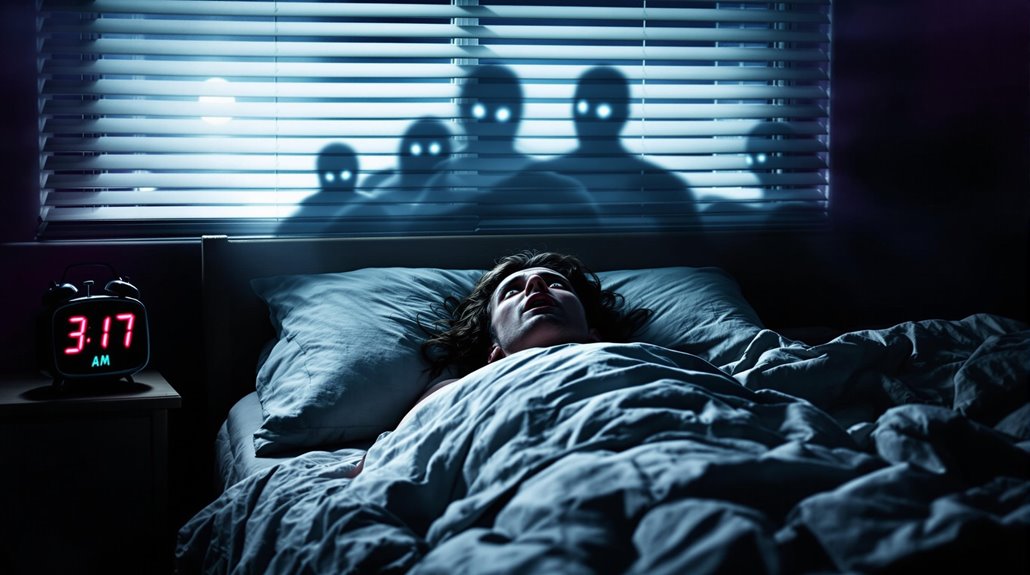
Now that you understand what triggers sleep paralysis, let's examine the scientific mechanics behind this fascinating phenomenon.
Sleep paralysis occurs during rapid eye movement (REM) sleep, when your brain naturally paralyzes your muscles to prevent you from physically acting out your dreams. Brain imaging studies have revealed that during an episode, your brain enters a unique state where regions controlling wakefulness become active while those governing movement remain suppressed. This explains why you're conscious but unable to move.
Research shows that approximately 8% of people experience sleep paralysis, with a higher prevalence among those who have a family history of the condition. The disorder often accompanies other conditions like narcolepsy, anxiety disorders, and various sleep disorders. Sleep deprivation is a significant contributing factor, which is why maintaining proper sleep hygiene is pivotal for prevention.
If you're experiencing recurrent episodes, treatments typically focus on addressing underlying causes. Medical professionals may recommend cognitive behavioral therapy to help manage associated anxiety and fear, while also working with you to establish better sleep patterns and identify specific triggers that may be disrupting your sleep cycle.
Mental Health and Sleep Paralysis
Mental health plays a crucial role in the occurrence and severity of sleep paralysis episodes. If you're experiencing frequent sleep paralysis, your mental health condition might be a contributing factor. Research shows that people with posttraumatic stress disorder (PTSD), anxiety disorders, or depression are more susceptible to these unsettling experiences.
Your history of trauma can profoundly impact how often you encounter sleep paralysis. When you're dealing with high levels of stress or anxiety, your sleep patterns can become disrupted, making you more vulnerable to these episodes. This is particularly true for individuals with panic disorder, who may find their symptoms intensifying during sleep paralysis experiences.
If you have bipolar disorder, you might notice that sleep paralysis occurs more frequently during your manic or depressive episodes. While sleep paralysis isn't strictly a neurological disorder, its connection to mental health is significant. The good news is that you can take steps to reduce these episodes by addressing your underlying mental health concerns. Working with a mental health professional through therapy, learning stress management techniques, and following prescribed medication regimens can help decrease both the frequency and intensity of your sleep paralysis experiences.
Sleep Disorders Contributing Factors

Sleep disorders markedly amplify your risk of experiencing sleep paralysis episodes. If you're living with conditions like narcolepsy, sleep apnea, or REM sleep behavior disorder, you're more likely to encounter these unsettling experiences. These disorders can disrupt your natural sleep-wake cycle, creating an environment where sleep paralysis is more likely to occur.
Your lifestyle and personal factors also play pivotal roles. If you're working night shifts or frequently crossing time zones, these irregular sleep patterns can throw off your body's natural rhythm and trigger episodes. Additionally, if you have underlying mental health conditions such as anxiety or depression, you may face an increased risk of sleep paralysis.
Your genes matter too - if sleep paralysis runs in your family history, you might be genetically predisposed to experiencing it. Even your sleeping position can make a difference. When you're sleeping on your back, you're more vulnerable to episodes because this position can promote the muscle paralysis characteristic of sleep paralysis. Understanding these contributing factors can help you identify and potentially modify risk factors within your control.
Lifestyle Habits Affecting Sleep Paralysis
Your daily habits can significantly impact your likelihood of experiencing sleep paralysis episodes. If you're maintaining irregular sleep schedules or suffering from sleep deprivation, you're putting yourself at higher risk. Poor sleep hygiene, such as using electronic devices before bed or lacking a consistent bedtime routine, can disrupt your natural sleep patterns and increase your vulnerability to these unsettling experiences.
Substance abuse plays a considerable role in triggering sleep paralysis. When you consume alcohol before bedtime, you're interfering with your sleep quality and making yourself more susceptible to episodes. Additionally, if you're dealing with high levels of stress, anxiety, or PTSD, you may face an increased risk of recurring sleep paralysis.
To reduce your chances of experiencing sleep paralysis, focus on developing positive lifestyle habits. Establish good sleep hygiene by maintaining a consistent bedtime routine and avoiding screens before sleep. Regular exercise can improve your sleep quality, but remember not to work out too close to bedtime. Also, try to avoid sleeping on your back, as this position has been linked to more frequent episodes.
Medical Conditions and Sleep Paralysis

Several medical conditions play a substantial role in triggering sleep paralysis episodes. If you're experiencing frequent sleep paralysis, you might have an underlying sleep disorder like narcolepsy or sleep apnea affecting your sleep-wake cycle. These conditions can considerably disrupt your REM sleep, the stage where sleep paralysis typically occurs.
Mental health conditions can also increase your risk of experiencing sleep paralysis. If you have PTSD, anxiety disorder, or panic disorder, you're more likely to encounter sleep disturbances that may lead to sleep paralysis episodes. These mental health conditions can create a cycle where anxiety about sleep contributes to more frequent episodes.
Understanding the connection between medical conditions and sleep paralysis is pivotal for effective treatment. If you suspect that an underlying condition is causing your sleep paralysis, it's important to seek professional medical evaluation. Your healthcare provider can diagnose any contributing medical conditions and develop an appropriate treatment plan. This might include medication, cognitive-behavioral therapy, or other interventions specifically customized to address both your sleep paralysis and the underlying condition causing it.
Breaking Free During Episodes
While medical treatments can help prevent sleep paralysis, knowing how to break free during an episode is a powerful tool for immediate relief. When you find yourself unable to move, start by attempting to wiggle just one finger or toe. This small action can help disrupt the paralysis and allow you to gradually wake up fully.
Focus on your breathing instead of the frightening sensations you might experience. By taking slow, controlled breaths, you'll help your body remain calm while working to break free. You can also try visualizing yourself moving specific body parts, as this mental practice sometimes helps trigger actual movement.
If you're able to, try making a sound - even a whisper can engage your vocal cords and help end the episode. Another effective technique is attempting to change your body position. Though it might feel impossible at first, concentrate on rolling to your side. This shift in position often helps interrupt the paralysis state. Remember, you don't need to make large movements; even subtle actions can be enough to help you regain control and end the episode.
Natural Prevention Methods

Sleep paralysis episodes can often be prevented through simple lifestyle adjustments that promote healthy sleep patterns. Establishing a consistent sleep schedule and getting 7-9 hours of quality sleep each night are essential prevention methods. You'll want to create an ideal sleep environment by ensuring your bedroom is comfortable, quiet, and conducive to rest.
Managing stress and anxiety plays a pivotal role in preventing sleep paralysis. Incorporate relaxation techniques like deep breathing or meditation into your daily routine. It's important to practice good sleep hygiene by avoiding electronic devices before bedtime, as the blue light can disrupt your natural sleep-wake cycle. You should also skip large meals, alcohol, and caffeine in the hours leading up to sleep.
Regular physical exercise can help regulate your body's internal clock and improve sleep quality, but don't work out too close to bedtime. When arranging your sleeping position, try to avoid lying on your back, as this position increases the likelihood of experiencing sleep paralysis. By implementing these natural prevention methods consistently, you can dramatically reduce your risk of sleep paralysis episodes.
Medical Treatment Options
Professional medical treatment for sleep paralysis typically begins when lifestyle changes alone aren't providing sufficient relief. Your healthcare provider might recommend a comprehensive approach that includes both medical interventions and therapeutic treatments to address your symptoms effectively.
If you're experiencing frequent episodes, your doctor may prescribe low-dose antidepressants to help reduce the occurrence of sleep paralysis. Additionally, cognitive behavioral therapy (CBT) can be particularly beneficial in managing the anxiety and fear that often accompany these episodes. Through CBT, you'll learn strategies to cope with the psychological impact of sleep paralysis.
For accurate diagnosis, your doctor might recommend a vital approach that includes a polysomnography, or sleep study, to identify any underlying sleep disorders that could be triggering your sleep paralysis. This is especially important if narcolepsy is suspected, as treating the primary condition can dramatically reduce episode frequency. While medications and therapy form the core of medical treatment, your healthcare provider will likely integrate relaxation techniques and lifestyle modifications into your treatment plan. Maintaining a consistent sleep schedule remains pivotal even when pursuing medical interventions, as it supports the effectiveness of other treatments.
Cultural Perspectives on Sleep Paralysis

Throughout history, societies worldwide have developed fascinating cultural explanations for sleep paralysis, often interpreting these frightening episodes through supernatural or spiritual lenses. You'll find that different cultural interpretations have emerged to explain the common sensations of fear, pressure, and a felt presence that accompany these episodes.
In Newfoundland, you might hear about the "Old Hag," while European folklore speaks of encounters with supernatural entities like the Incubus and Succubus. These diverse cultures share remarkably similar descriptions of the experience, despite their varying historical viewpoints on its cause. The cultural setting in which you experience sleep paralysis can considerably influence how you interpret and respond to it emotionally.
When you understand these cultural lenses, you'll notice that otherworldly entities are frequently blamed for the characteristic symptoms - difficulty breathing, paralysis, and an overwhelming sense of dread. While modern science offers medical explanations, these cultural interpretations remain deeply ingrained in many societies, highlighting how your cultural background can shape your perception and emotional response to sleep paralysis episodes.
Risk Factors to Consider
Understanding your personal risk factors can help you identify why you might experience sleep paralysis episodes. If you have underlying sleep disorders like narcolepsy or struggle with irregular sleep patterns, you're more likely to encounter these unsettling experiences. Mental health conditions, particularly anxiety and PTSD, can also increase your susceptibility.
Your lifestyle choices and sleeping habits play a critical role too. If you're prone to sleep deprivation or experiencing high stress levels, you might be more vulnerable to sleep paralysis. Even your sleeping position matters - lying on your back can make episodes more likely to occur. Your family history could be relevant as well, since genetics can influence your predisposition to sleep paralysis.
Interestingly, if you have a vivid imagination or hold paranormal beliefs, you may be more likely to experience intense hallucinations during episodes. Your work schedule can also impact your risk - if you're dealing with jet lag or working shifts that disrupt your natural sleep-wake cycle, you're more susceptible to sleep paralysis episodes. Being aware of these factors can help you take steps to minimize your risk.
Recovery and Support Strategies
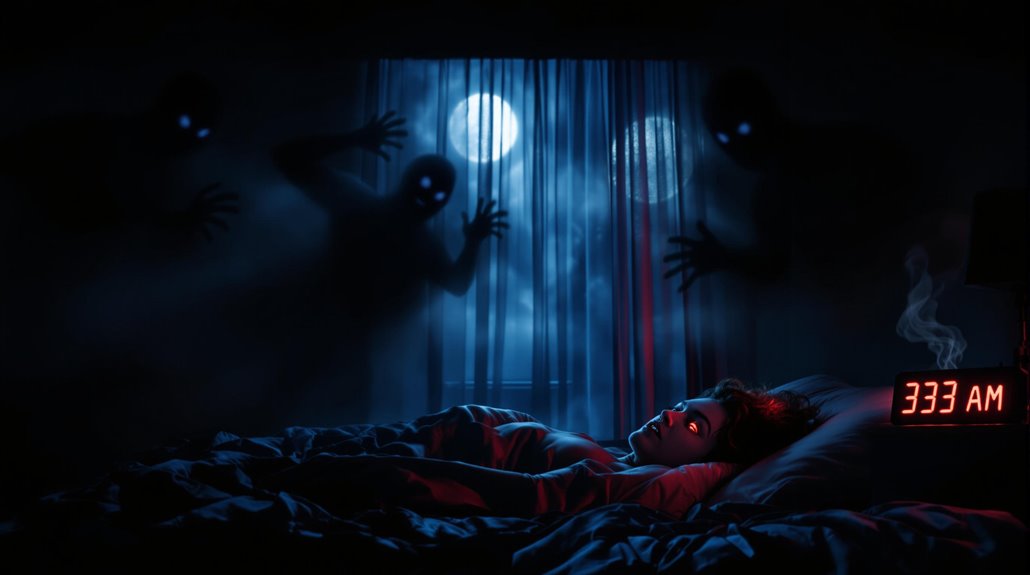
After experiencing sleep paralysis, finding effective coping strategies and support systems can make a significant difference in your recovery. You're not alone in dealing with this condition, and connecting with others who've had similar experiences can provide meaningful emotional support and practical understanding. Recognizing that sleep paralysis episodes are temporary can help reduce anxiety and make future occurrences less distressing.
To prevent and manage sleep paralysis more effectively, consider implementing these evidence-based strategies:
- Practice consistent sleep hygiene by maintaining regular bedtime routines and creating a sleep-friendly environment
- Learn deep breathing and relaxation techniques to use during episodes of sleep paralysis
- Join support groups or online communities where you can share experiences and coping approaches
- Consult a healthcare provider if your episodes become frequent or cause significant distress
- Consider cognitive-behavioral therapy, especially if you're experiencing related anxiety or PTSD
These approaches can help you regain control and reduce the likelihood of future episodes. Remember that while sleep paralysis can be frightening, it's a manageable condition. By focusing on proper REM sleep patterns and stress management, you'll be better equipped to handle any future occurrences.
Related posts