What Are Sleep Clinics? How They Help Diagnose Sleep Disorders
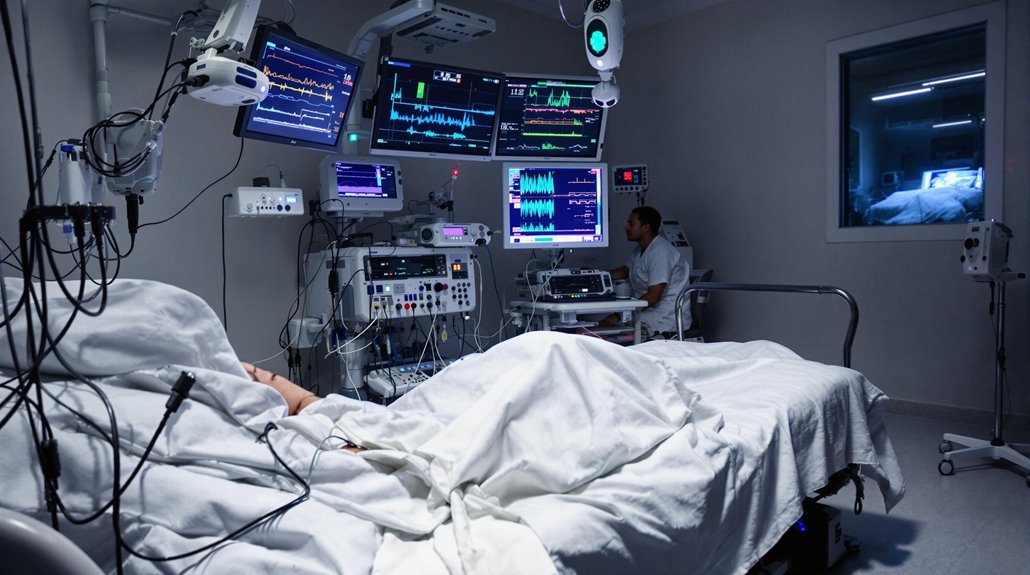
Sleep clinics are specialized medical facilities where you'll receive expert diagnosis and treatment for sleep disorders. You'll work with sleep medicine specialists who use advanced monitoring equipment to analyze your brain waves, breathing patterns, and other critical functions while you sleep. Through extensive overnight sleep studies called polysomnography, they can identify conditions like sleep apnea, insomnia, and narcolepsy. You can access these services through a referral from your primary care doctor or by reaching out directly. Whether you need an in-lab study or at-home testing, sleep clinics offer personalized treatment plans to help revamp your healthy sleep patterns. There's much more to explore about how these facilities can alter your sleep quality.
Understanding Sleep Clinics
A sleep clinic serves as a specialized medical facility where experts diagnose and treat various sleep disorders. When you visit a sleep clinic, you'll find a team of sleep medicine specialists, including pulmonologists and neurologists, who are trained to identify and address complex sleep-related conditions.
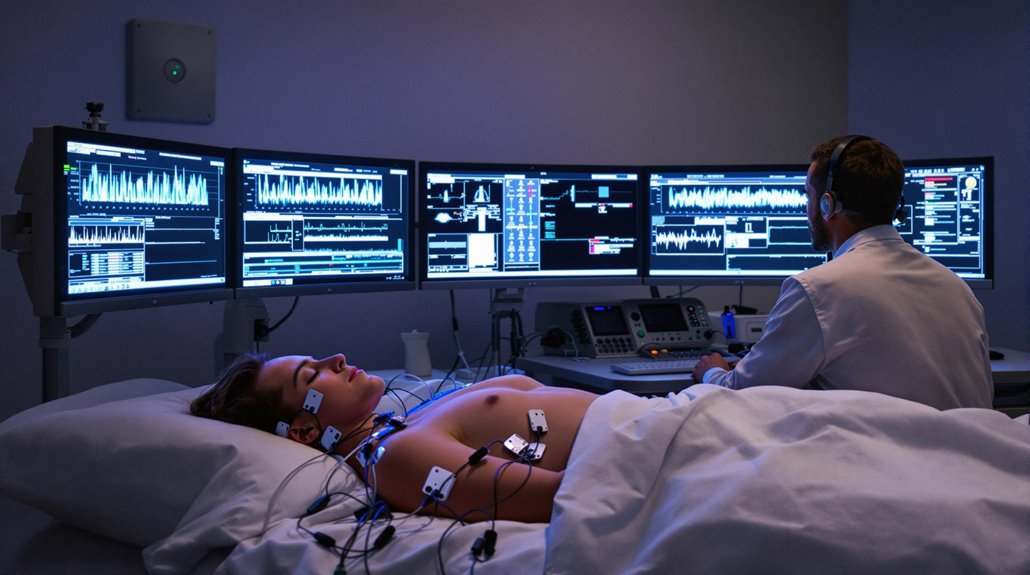
The primary diagnostic tool used in sleep clinics is polysomnography, a complete sleep study that monitors your brain waves, breathing patterns, and other crucial physiological functions while you sleep. This detailed assessment helps specialists accurately diagnose conditions like sleep apnea, insomnia, and narcolepsy.
While at-home sleep apnea tests are available, they don't provide the same level of detailed analysis you'll receive at a sleep clinic. You might need to visit a sleep clinic if you're experiencing persistent sleep problems, and you can get there through a referral from your primary care provider or by reaching out directly.
During your visit, you'll undergo thorough evaluations designed to understand your specific sleep concerns. The clinic's controlled environment and professional monitoring ensure you receive the most accurate diagnosis possible, leading to more effective treatment plans for your sleep disorders.
Services Offered at Sleep Centers
Sleep centers provide an extensive range of diagnostic and treatment services to address various sleep disorders. When you visit a sleep center, you'll have access to all-encompassing sleep studies, also known as polysomnography, which monitor your brain activity, oxygen levels, breathing patterns, and other essential functions while you sleep.
If you're experiencing daytime sleepiness, the center can conduct multiple sleep latency tests to evaluate your condition. They'll also perform maintenance of wakefulness tests to assess how well you can stay alert during the day. These tests are indispensable for diagnosing conditions like narcolepsy and other sleep disorders that affect your daily functioning.
For patients diagnosed with sleep apnea and other sleep disorders, sleep centers offer various treatment options. You'll work with specialized sleep medicine physicians who'll create a personalized treatment plan that may include CPAP or BiPAP therapy, oral appliances, or medications. These experts understand that each person's sleep patterns and needs are unique, so they'll monitor your progress and adjust your treatment accordingly. The goal is to help you achieve better sleep quality and improve your overall health through targeted interventions and ongoing support.
Common Sleep Disorders Diagnosed
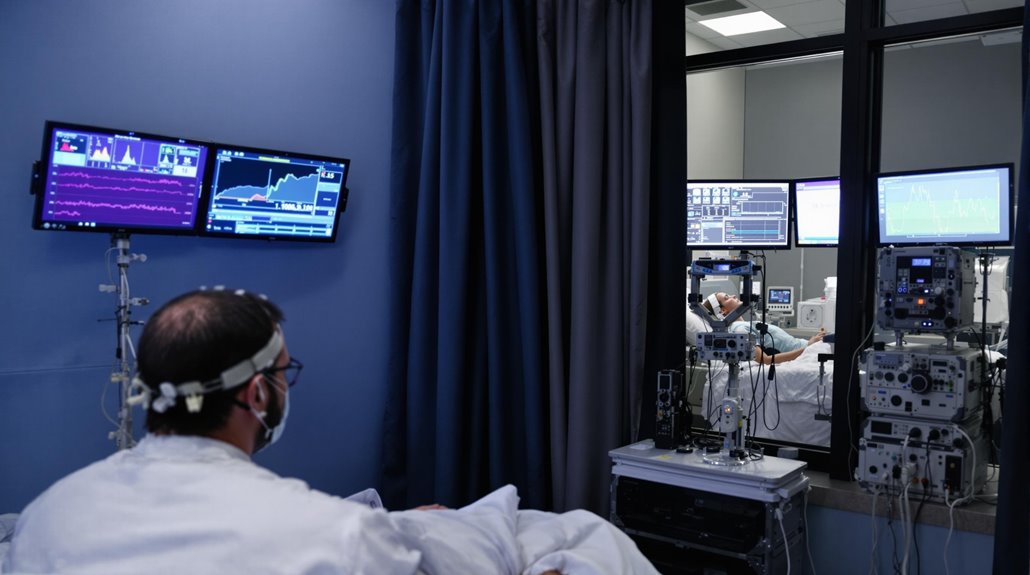
Through thorough evaluations at sleep centers, specialists identify and diagnose various sleep disorders that can affect your quality of life. You'll find that obstructive sleep apnea is one of the most common conditions they diagnose, where your breathing repeatedly stops and starts during sleep, potentially leading to serious health complications if left untreated.
If you're having trouble falling asleep or staying asleep, you might be experiencing insomnia, another frequently diagnosed condition at sleep clinics. The specialists can help determine the underlying causes and develop an effective treatment plan. They'll also evaluate you for narcolepsy if you're experiencing excessive daytime sleepiness, as this neurological condition requires specialized diagnosis and management.
You might also be diagnosed with circadian rhythm disorders, where your body's internal clock isn't properly aligned with normal sleep-wake patterns. Additionally, sleep clinics diagnose parasomnias, which include behaviors like sleepwalking that occur during sleep. By identifying these sleep disorders through exhaustive testing and evaluation, sleep clinic specialists can create personalized treatment plans to help improve your sleep quality and overall well-being.
The Sleep Study Process
Diagnostic sleep studies form the cornerstone of identifying sleep disorders at sleep clinics. When you undergo a sleep study, medical professionals will monitor various aspects of your health while you sleep, including your brain waves, oxygen levels, heart rate, and breathing patterns. This thorough evaluation typically takes place overnight at a specialized sleep center or hospital, where trained technicians can closely observe your sleep patterns.
If your doctor suspects you might have sleep apnea, they may recommend an at-home sleep study instead. This option allows you to sleep in your own bed while wearing monitoring equipment that tracks your breathing rate, airflow, oxygen levels, and heart rate. While not as extensive as a full polysomnography, at-home studies can effectively diagnose obstructive sleep apnea.
After your sleep study, a sleep specialist will carefully review the collected data to identify any sleep disorders and develop a personalized treatment plan. You may need follow-up sleep studies to verify your prescribed treatments are working effectively. These subsequent evaluations help your healthcare team make any necessary adjustments to optimize your treatment outcomes.
In-Lab Versus At-Home Testing
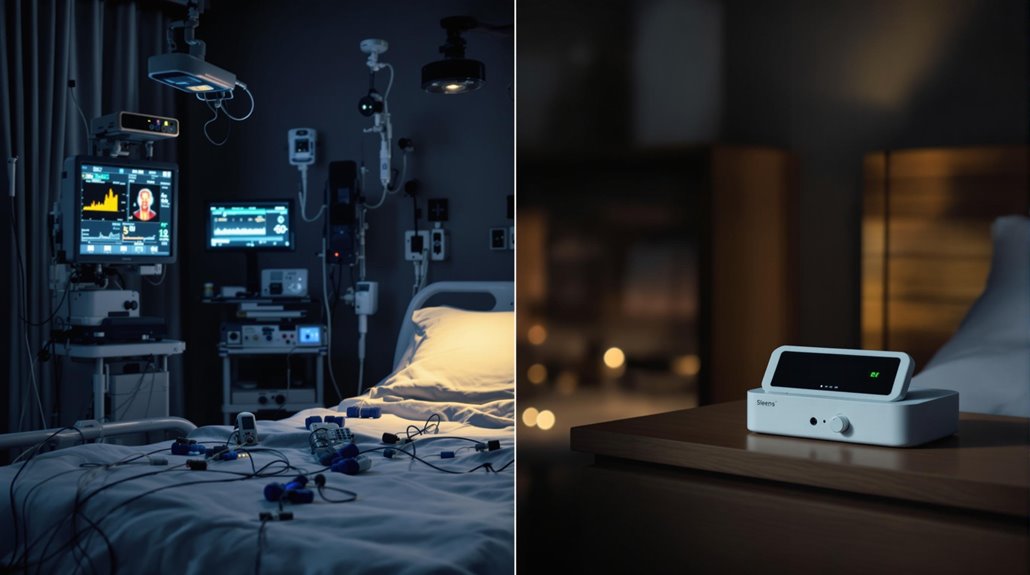
When deciding between sleep testing options, patients and doctors must weigh the benefits of in-lab polysomnography against at-home sleep testing. In-lab sleep studies provide extensive monitoring through polysomnography, measuring multiple physiological signals that help diagnose various sleep disorders. You'll receive detailed analysis of your sleep stages and cycles, with trained technicians ensuring all sensors stay properly placed throughout the night.
At-home sleep apnea tests offer a more convenient and cost-effective alternative, allowing you to sleep in your familiar environment. However, they're primarily designed to diagnose sleep apnea by focusing on breathing parameters. You'll need to carefully follow instructions for sensor placement, as dislodged sensors can affect the accuracy of your results. It's particularly important to note your typical sleep positions, since sleep apnea symptoms often worsen when you're sleeping on your back.
While the sleep lab provides the most thorough evaluation, at-home testing might be suitable if your doctor suspects sleep apnea. But if you're experiencing symptoms of other sleep disorders, you'll likely need the full monitoring capabilities of an in-lab sleep study for accurate diagnosis.
Preparing for Your Sleep Study
Proper preparation for a sleep study helps guarantee accurate results and a more comfortable experience. Before your overnight sleep studies, your healthcare provider will recommend avoiding substances that could interfere with your sleep quality, including alcohol and caffeine. You'll also need to be mindful of certain skincare products that might affect the sensors' performance.
During your visit to the sleep clinic, you can expect:
- The technician will carefully place sensors on your head, chest, and limbs to monitor your brain activity, breathing patterns, and other critical signs throughout the night
- You'll follow your regular bedtime routine as closely as possible to ascertain the most natural sleep experience
- If necessary, you might try a positive airway pressure (CPAP) device to help evaluate treatment options for sleep-related breathing issues
Once your sleep study is complete, the technician will remove all sensors, and you'll schedule a follow-up visit with your healthcare provider. During this appointment, you'll discuss your results and any recommended treatment plans. Remember, following these preparation guidelines will help confirm your sleep study provides the most accurate diagnostic information possible.
What to Expect During Testing
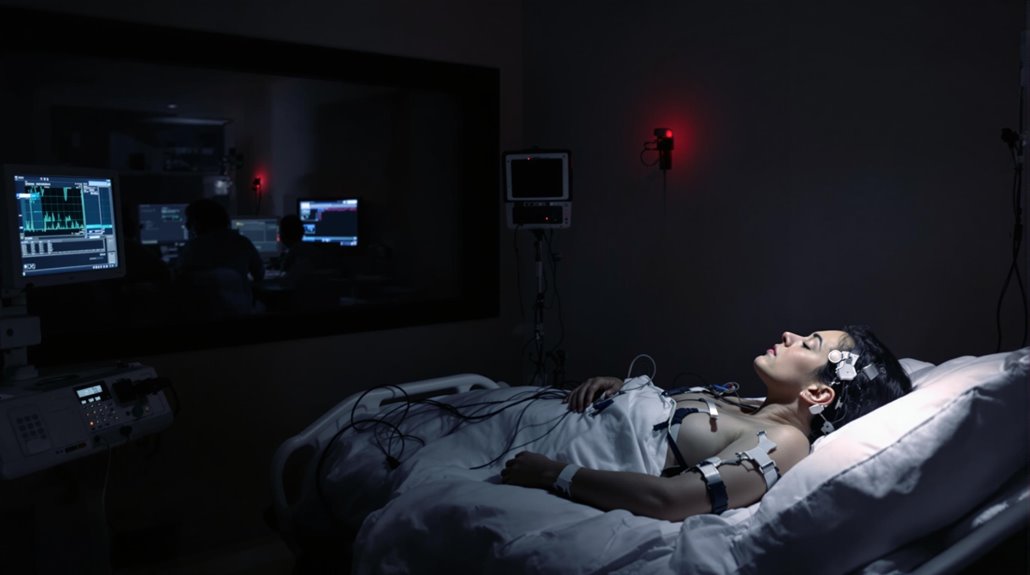
Testing at a sleep clinic involves thorough monitoring through polysomnography, a sophisticated diagnostic tool that records your brain waves, oxygen levels, heart rate, and breathing patterns. During your sleep study, technicians will attach several sensors to your head, chest, and limbs to capture your physiological responses throughout the night. These sensors allow the medical team to collect comprehensive data about your sleep patterns and potential sleep disorders.
You'll be encouraged to maintain your normal sleep routine during your time at the sleep clinic, which helps guarantee the most accurate results. In some cases, your doctor may recommend additional testing, such as the Maintenance of Wakefulness Test, to evaluate how well you can stay awake during the day. This test complements the overnight polysomnography and provides meaningful insights into your overall sleep health.
When the testing is complete, the medical team will carefully remove the sensors. You might experience slight discomfort during this process due to the adhesive used to secure the sensors, but this sensation is temporary and normal for sleep studies.
Sleep Study Equipment and Monitoring
Sleep study equipment represents a sophisticated array of monitoring tools designed to capture detailed information about your sleep patterns. During your overnight stay, health care professionals will connect you to various sensors that monitor your brain activity, breathing patterns, heart rate, and oxygen levels. These comprehensive tests help diagnose sleep disorders by collecting data while you rest.
When you arrive for your sleep study, you'll encounter several key monitoring components:
- Polysomnography sensors attached to your head, body, and limbs that track your brain waves and physical movements throughout the night
- Video and audio recording equipment that synchronizes your sleep behaviors with the physiological data being collected
- Positive airway pressure (PAP) machines that may be introduced during your study if breathing issues are detected
For those who qualify, home sleep tests offer a more convenient alternative using portable devices to monitor breathing rate, air flow, and oxygen levels. While the sensors' adhesives might cause minor skin irritation upon removal, this temporary discomfort is minimal compared to the useful findings gained about your sleep health.
Interpreting Sleep Study Results
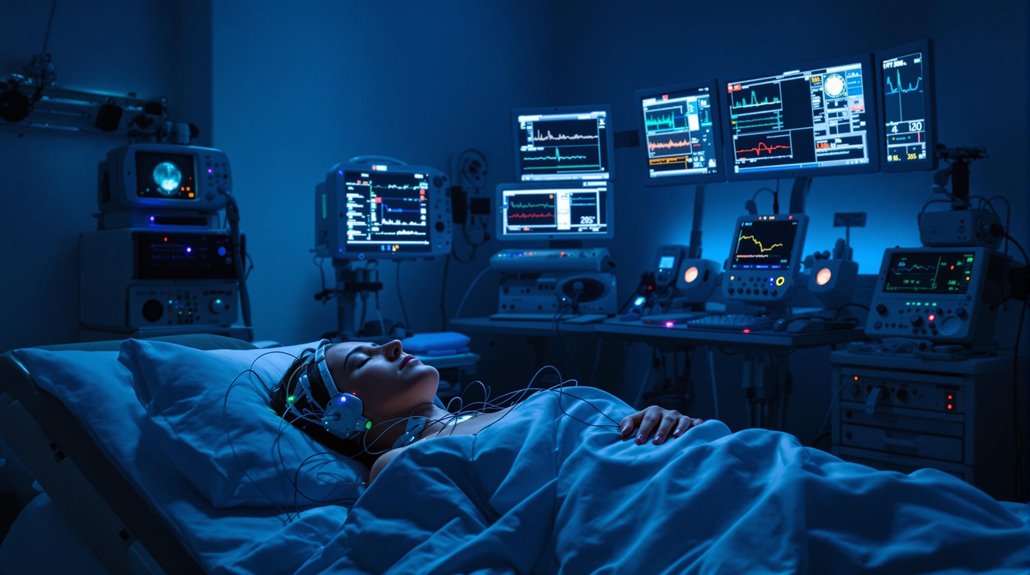
Once the monitoring equipment has collected your sleep data, a team of sleep medicine specialists begins the detailed process of analyzing the results. They'll carefully examine various measurements, including your brain waves, breathing patterns, oxygen levels, and body movements throughout the night. This extensive review helps them identify any sleep disorders you may have.
During the analysis, specialists will look for specific indicators that could point to conditions like sleep apnea, examining how many times your breathing paused and for how long. They'll also evaluate your sleep cycles to understand if you're progressing normally through different stages of sleep. The data collected helps them diagnose conditions ranging from insomnia to narcolepsy.
Based on what they find in your sleep study, the specialists will develop a personalized treatment plan. This might include recommendations for CPAP therapy, dental appliances, or lifestyle modifications. You may need follow-up sleep studies to see how well your treatment is working. Your doctor can then adjust your plan to confirm you're receiving the most effective care for your specific sleep disorder.
Treatment Options and Planning
After receiving your diagnosis, a personalized treatment plan takes shape at the clinic, customized specifically to your sleep disorder. Your treatment options will vary based on your sleep studies and the specific condition identified. For many patients with sleep apnea, CPAP therapy serves as the primary treatment method, while others might benefit from BiPAP if they need different pressure levels for breathing in and out.
Your sleep clinic will outline various approaches to address your condition:
- Non-invasive treatments like CPAP therapy or oral appliances that help maintain open airways during sleep
- Medication options for conditions like insomnia, carefully prescribed based on your specific needs
- Surgical interventions, considered only when other treatment methods haven't provided adequate relief
Treatment planning doesn't end with your initial consultation. Your sleep clinic will monitor your progress through regular follow-up appointments, guaranteeing your chosen treatment remains effective. They'll make necessary adjustments to your therapy based on how you're responding, whether that means modifying CPAP settings, switching to BiPAP, or exploring alternative solutions. This ongoing care helps certify you're getting the most benefit from your treatment plan.
Choosing the Right Sleep Clinic
When it comes to finding the right sleep clinic, making an informed decision can greatly impact your diagnosis and treatment success. To help determine the best facility for your needs, look for clinics accredited by the Academy of Sleep Medicine that employ board-certified physicians specializing in common sleep disorders.
You'll want to ensure the clinic offers extensive sleep tests, including both in-lab polysomnography and at-home sleep apnea testing options. Check that they provide a full array of care, from initial consultation to ongoing treatment planning. The clinic's diagnostic capabilities and specialty areas should align with your specific symptoms and concerns.
Consider practical factors that'll make your experience more convenient. Choose a location that's easily accessible, and verify that the facility offers flexible scheduling for your sleep tests. Don't forget to review their patient satisfaction ratings and confirm they accept your insurance coverage. The right sleep clinic should have experienced sleep technologists who can properly monitor and evaluate your sleep patterns. By carefully evaluating these factors, you'll be better positioned to select a clinic that can effectively diagnose and treat your sleep-related concerns.
Sleep Clinic Medical Staff Roles
The skilled medical team at a sleep clinic works together to provide extensive care for patients with sleep disorders. Board-certified sleep medicine physicians lead these specialized teams, diagnosing and developing treatment plans for various sleep conditions. Sleep technologists serve as your sleep partner during overnight sleep studies, carefully monitoring your brain waves, heart rate, and helping detect breathing patterns that might indicate sleep apnea.
You'll find several key specialists working to improve your sleep health:
- Respiratory therapists who'll help you adjust to continuous positive airway pressure (CPAP) devices and other breathing treatments
- Sleep psychologists who'll guide you through cognitive behavioral therapy for insomnia and other sleep-related behavioral challenges
- Dietitians who'll assist with weight management strategies that can improve your sleep quality
These professionals collaborate to ensure you receive comprehensive care focused on your specific sleep disorder. While sleep technologists focus on conducting and monitoring your sleep study, respiratory therapists help you find the right CPAP settings and mask fit. Sleep psychologists address underlying behavioral factors that might be affecting your sleep, creating a well-rounded approach to treatment.