Weird Sleeping Habits People Have Around the World
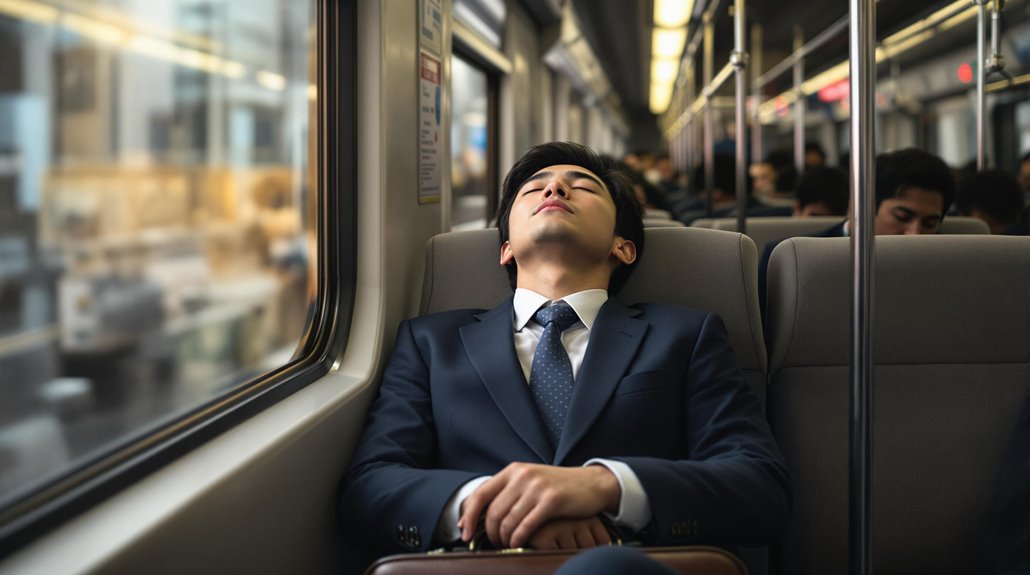
You'll find sleep habits around the world that might seem bizarre from your viewpoint. In Japan, it's perfectly normal to take power naps at work, while Scandinavians routinely leave their babies outside to nap in sub-zero temperatures. British people lead the world in sleeping naked, with up to 40% preferring to ditch pajamas entirely. Guatemalans place tiny worry dolls under their pillows to absorb nighttime anxieties, and Chinese practitioners carefully arrange bedrooms according to Feng Shui principles. From Argentina's late-night family dinners to Mexico's bedtime prayers, these cultural sleep practices reveal fascinating understandings into how different societies rest and recharge.
Japanese Power Napping Culture
In stark contrast to Western workplace norms, Japan's unique practice of inemuri stands as an indication of its distinct cultural values. While you might get fired for dozing off at work in many countries, Japanese people welcome workplace napping as a sign of dedication and commitment to their jobs.
The concept of inemuri, which means "sleeping while present," reflects the intense work culture prevalent in Japanese society. You'll find employees taking quick power naps at their desks or during meetings, and surprisingly, their supervisors don't just tolerate it - they often encourage it. These sleeping habits are viewed as proof that workers have exhausted themselves through hard work and devotion.
What's particularly fascinating is how this practice has become integrated into professional settings. You'll notice that employers actively support these power naps, understanding that they augment productivity and help employees recharge. Unlike Western cultures that might view workplace sleeping as lazy or unprofessional, Japanese workplaces recognize inemuri as a strategic tool for maintaining stamina during long work hours. This cultural acceptance of workplace napping showcases Japan's practical approach to managing fatigue while maintaining high productivity standards.
Spanish Afternoon Rest Tradition
While Japan accepts workplace napping, Spain's afternoon rest tradition takes a decidedly different approach. The Spanish siesta isn't just about catching a quick nap at your desk - it's a cultural institution that redefines the entire afternoon into a period of rest and rejuvenation. You'll find that many Spanish businesses shut their doors for several hours, allowing you to head home for a proper meal and an afternoon nap.
- It's a complete break from work, typically lasting 2-3 hours in the early afternoon
- You're encouraged to return home rather than sleeping while present at work
- The tradition combines both eating and resting, making it more than just an afternoon nap
However, you might notice that this centuries-old practice faces modern challenges. As Spain aligns with global business hours, many companies have shifted away from the traditional siesta schedule. While some Spaniards fight to preserve this cultural touchstone, others view it as incompatible with contemporary work demands. The future of this distinctive rest tradition hangs in the balance between cultural preservation and economic pressures.
British Naked Sleep Preference
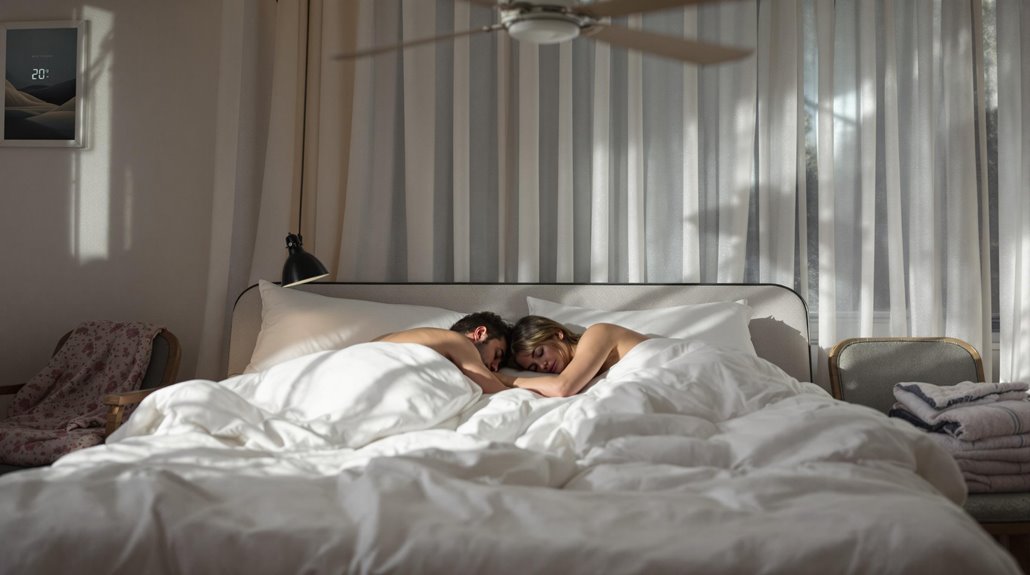
Nearly one-third of Britons prefer sleeping in their birthday suits, making the UK the world's leader in naked sleeping habits. According to research by the National Sleep Foundation, approximately 30-40% of people in the United Kingdom choose to rest without clothing, vastly higher than any other surveyed nation.
You might wonder why so many Brits opt for this unconventional sleeping style. Studies reveal that many UK residents find it difficult to get quality sleep while wearing clothes, prioritizing comfort over conventional bedtime attire. This preference has become deeply ingrained in British culture, where sleeping naked is widely accepted as a normal practice.
While other countries might raise eyebrows at this habit, the British population has adopted it as their preferred way to rest. National surveys consistently show that you're more likely to encounter someone who sleeps nude in the UK than anywhere else in the world. It's worth noting that this isn't just a minor trend - it's a considerable cultural difference that sets British sleeping habits apart from global norms, reflecting their unique approach to nighttime comfort and rest.
Scandinavian Outdoor Baby Naps
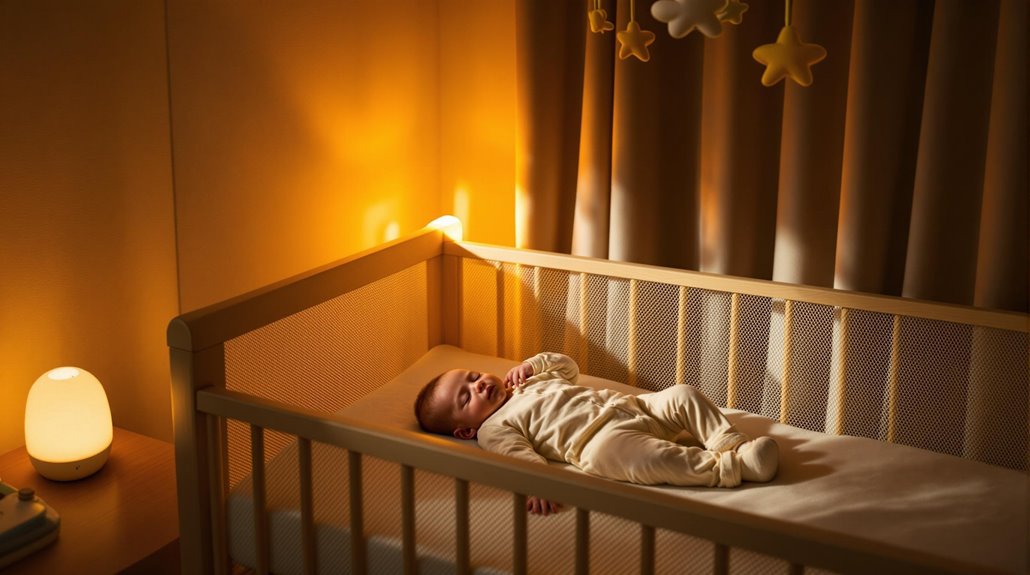
Scandinavia's most striking sleep tradition might shock parents from other parts of the world: they regularly leave their babies outside to nap in sub-zero temperatures. This practice, deeply rooted in Scandinavian culture, reflects their belief that outdoor napping strengthens children's immune systems and promotes better sleep quality.
If you're wondering why Scandinavian parents adopt this unusual custom, here are the key reasons:
- They believe fresh air and natural environments contribute greatly to their babies' health and development
- The region's remarkably low crime rates make parents feel secure about leaving their children unattended
- The practice has become so normalized that you'll commonly see baby strollers parked outside cafes, shops, and restaurants while infants sleep peacefully inside
While you might find it hard to imagine leaving your baby to nap in temperatures as low as -5°C, Scandinavian parents have been doing this for generations. It's fascinating to note that while adults in these countries rarely take public naps, babies are given the freedom to sleep outdoors as part of their daily routine. This cultural norm perfectly illustrates how sleep practices can vary dramatically across different societies.
Mexican Bedtime Prayer Rituals
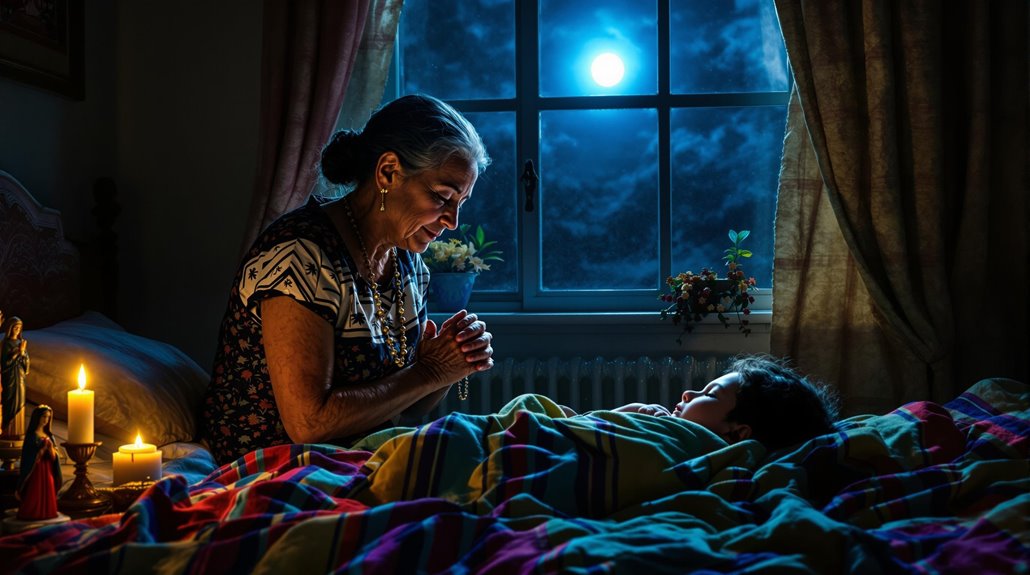
Mexican families wind down their evenings with a deeply rooted cultural tradition: bedtime prayer rituals. Unlike many people around the world who rely on television or digital devices before bed, Mexicans have welcomed a more mindful approach to their sleep habits.
Research from the National Sleep Foundation reveals that 62% of Mexicans incorporate prayer or meditation into their bedtime routine during the hour before sleep. This practice isn't just about religious observance - it's a calculated approach to achieving better rest. The quiet, contemplative nature of prayer and meditation helps create the perfect environment for shifting into sleep.
You'll find this tradition deeply woven into Mexico's cultural fabric, where families understand that peaceful, screen-free activities before bed can considerably improve sleep quality. Instead of exposing themselves to sleep-disrupting blue light, Mexicans opt for these calming rituals that have been passed down through generations. It's a practical approach that combines spiritual practice with sleep science, as the quiet, meditative state naturally helps your body and mind prepare for rest. This bedtime tradition showcases how cultural practices can align perfectly with healthy sleep habits.
European Sheet-Free Sleeping Style
Most Europeans have adopted a distinctly minimalist approach to bedding that might surprise Americans - they skip the top sheet altogether. This simple yet practical habit reflects how different cultures develop unique sleep patterns over time. Instead of wrestling with multiple layers, Europeans typically use just a fitted sheet and a duvet with a washable cover.
- You'll spend less time making your bed each morning since there's no top sheet to tuck and straighten
- You can easily wash the duvet cover along with your fitted sheet, maintaining the same level of hygiene
- You'll have better temperature control - one layer in summer, and the same setup keeps you cozy in winter
While these habits might seem strange to those accustomed to traditional American bedding, the European method has gained popularity for its efficiency. It's an illustration of how different cultures can develop varied approaches to something as universal as sleep patterns. The sheet-free style isn't just about simplicity - it's about finding smarter ways to maintain comfort and cleanliness without unnecessary complications.
Argentine Late Night Children
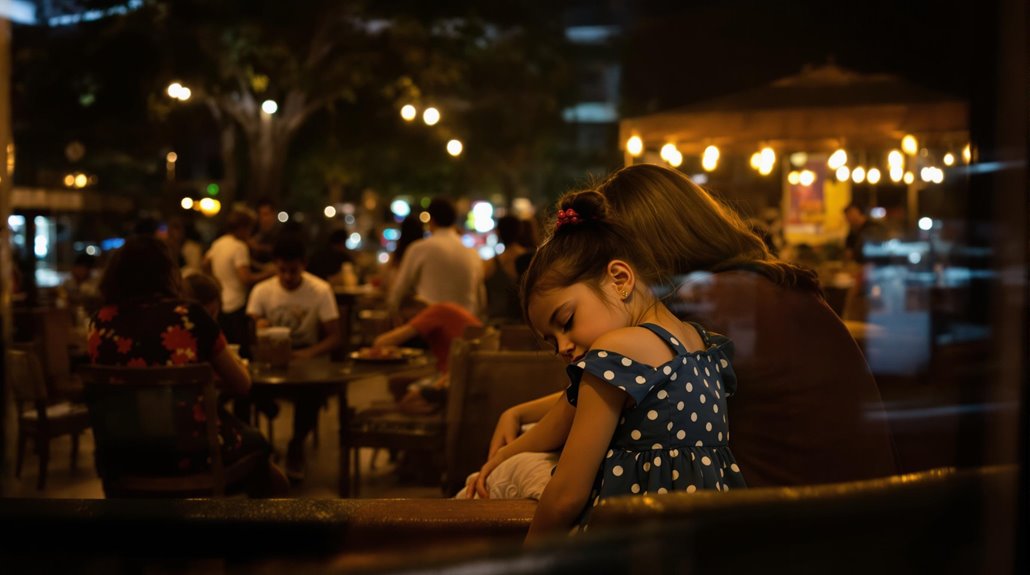
Argentina's unique approach to children's bedtimes challenges Western sleep norms, with many kids routinely staying awake until 10 PM or later. If you're visiting this South American country, you'll quickly notice that families operate on a distinctly different sleep schedule than what you might be used to in places like the United States.
You'll find Argentine families sitting down for dinner around 9 PM, when children in many other countries are already tucked into bed. This late bedtime doesn't seem to negatively impact the children, though, as they're able to compensate by sleeping later into the morning. The entire daily rhythm shifts accordingly, with afternoon activities and family time extending well into what many would consider nighttime hours.
What might seem unusual to outsiders is simply part of Argentina's cultural fabric. You'll see children playing, socializing, and participating in family activities at hours that might raise eyebrows elsewhere. This schedule reflects the country's broader approach to family life, where evenings are seen as prime time for togetherness and social interaction, regardless of age.
Public Sleeping in Japan
How would you react if you saw your coworker dozing off during an important meeting? In Japan, you'd likely just let them sleep. The practice of inemuri, or sleeping while present, isn't just accepted - it's often seen as a badge of honor that shows how hard you've been working.
Unlike Western cultures where sleeping at work might get you fired, Japanese employers actually encourage power naps. You'll find people catching quick snoozes everywhere, from office desks to crowded trains and even during social gatherings. It's all part of Japan's unique approach to maintaining productivity in their demanding work culture.
It's considered a sign of dedication rather than laziness. Employers actively support workplace napping to help workers rejuvenate. You can sleep virtually anywhere without facing social judgment.
When you're living in Japan's fast-paced cities, the ability to recharge through brief naps becomes essential for survival. The acceptance of inemuri effectively converts any space into a potential rest area, helping workers maintain their energy throughout long workdays.
Guatemalan Worry Doll Practice
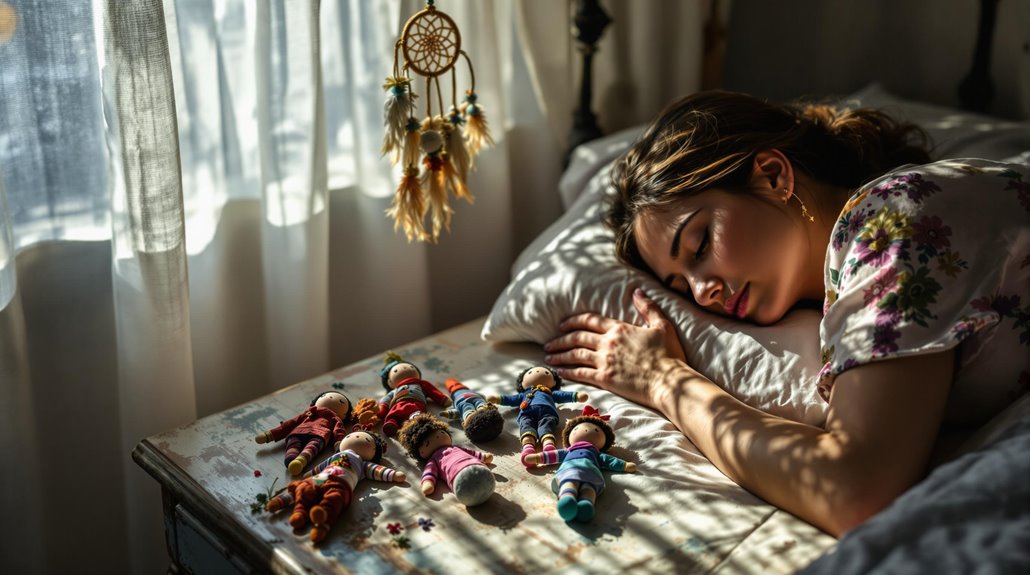
Deep in Guatemala's highlands, tiny handmade dolls hold the power to chase away sleepless nights. These traditional "worry dolls," crafted from wood, wire, yarn, and colorful woven fabric, have been helping people sleep better for generations. In this unique corner of Latin America, you'll find these miniature companions serving as emotional guardians while you rest.
If you're tossing and turning at night, you might want to try this centuries-old Mayan practice. Before bedtime, you'll tell your worries to these small dolls, which are seen as a sign of indigenous wisdom and healing. According to legend, the dolls will take over your concerns, allowing you to drift into peaceful slumber while they do all the worrying for you.
Parents often give worry dolls to help their children cope with nighttime anxieties. You'll typically receive a set of these dolls, each ready to shoulder a different worry. The ritual is simple: share your troubles with the dolls, place them under your pillow, and let them work their magic while you enjoy undisturbed sleep, free from the weight of your daily concerns.
American Pet Bed Sharing
While Guatemalans turn to worry dolls for comfort at night, Americans often find solace in their four-legged companions. This unique bedtime ritual has become deeply ingrained in American culture, with over 60% of Americans owning pets and a captivating 71% inviting their furry friends to share their beds at least occasionally.
If you're wondering why so many Americans welcome sleeping with pets, research from Mayo Clinic reveals some impactful benefits:
- Physical warmth that helps create a cozy sleeping environment
- Enhanced feelings of happiness and emotional well-being
- Increased relaxation that can help you unwind before sleep
This widespread practice reflects the strong emotional connection between Americans and their pets. While some pet owners report disrupted sleep due to their animals' movements or sounds, many find the benefits outweigh any potential drawbacks. You'll find that this sleeping arrangement isn't just about comfort—it's a testament to how pets have evolved from mere animals to cherished family members in American households. Whether you're cuddling with a cat or sharing space with a dog, this nighttime companionship has become a defining feature of American sleep culture.
Chinese Feng Shui Bedrooms
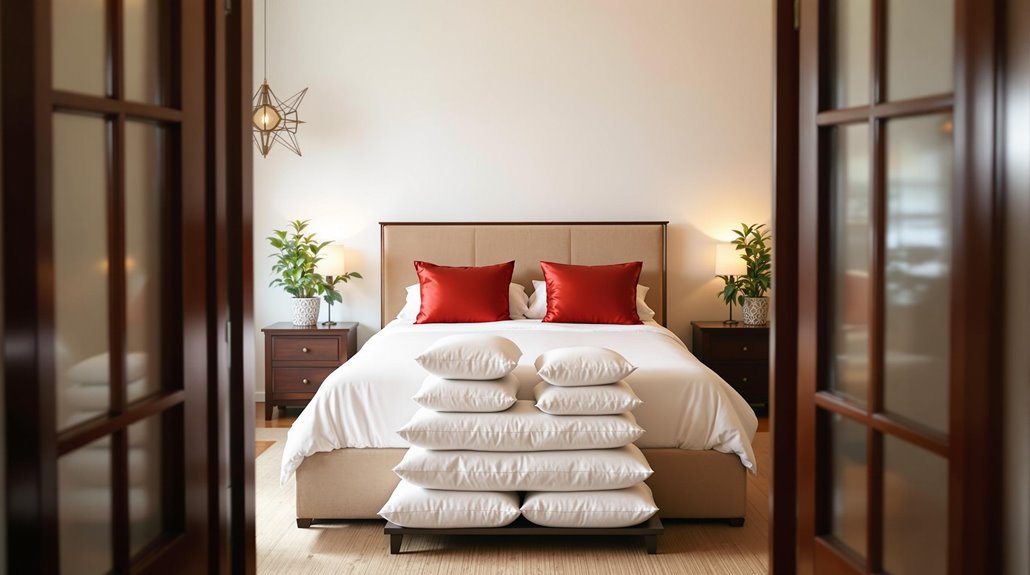
In accordance with ancient Chinese traditions, Feng Shui converts bedrooms into sanctuaries of harmony and restful sleep. While other traditions across the globe might rely on sleep masks and blackout curtains to enhance sleep quality, Chinese practitioners focus on the precise positioning of your bed to tap into natural energy flows.
You'll find that proper Feng Shui bed placement requires careful consideration of several factors. Your bed should face the door without being directly in line with it, allowing you to maintain awareness of your surroundings while sleeping. You'll want to avoid positioning your bed under ceiling beams or windows, as these elements are believed to create negative energy that disrupts your sleep patterns. It's also imperative to ensure your bed isn't aligned with bathroom doors or toilets, which can drain positive energy from your sleeping space.
The practice extends beyond just bed placement. You'll need to select specific colors and textures for your bedroom furnishings that promote tranquility and balance. When you follow these ancient principles, you're not just arranging furniture - you're creating an environment that's believed to enhance your sleep quality and overall wellbeing.