
Waking Up in the Middle of the Night? Tips to Stay Asleep Longer

If you're waking up during the night, start by optimizing your sleep environment with blackout curtains, a cooler room temperature (65-70°F), and white noise to block disruptions. You'll want to limit caffeine after noon and avoid heavy meals close to bedtime. Practice relaxation techniques like deep breathing or gentle yoga before sleeping, and resist checking the time when you wake up - this only increases anxiety and makes it harder to drift off again. Turn your clock away from the bed and keep your phone across the room. These foundational steps will help you uncover even more ways to achieve longer, uninterrupted sleep.
Understanding Middle-of-Night Sleep Disruptions
Sleep disruptions can strike at the most frustrating hours of the night, leaving you staring at the ceiling and wondering why you can't drift back to sleep. What you might not know is that waking up during the night was once considered perfectly normal, as our ancestors typically slept in two distinct phases before artificial lighting changed our sleep habits.
Understanding why you're waking up is pivotal for finding an effective solution. Various sleep disorders can trigger these disruptions, with sleep apnea being one of the most common culprits. This condition causes brief breathing interruptions that can jolt you awake multiple times throughout the night. Mental health conditions like anxiety and depression can also play a significant role in disturbing your sleep patterns.
Your lifestyle choices might be contributing to these wake-ups too. If you're consuming caffeine late in the day, drinking alcohol before bed, or scrolling through your phone in the evening, you're likely interfering with your body's natural sleep rhythm. Recognizing these patterns and understanding their impact is the first step toward developing better sleep habits that'll help you maintain continuous, restful sleep.
Creating Your Perfect Sleep Environment
Your bedroom's environment plays an essential role in determining sleep quality and duration. To help you stay asleep throughout the night, convert your bedroom into a sleep sanctuary by focusing on three key elements: darkness, temperature, and sound control.
Start by making your room as dark as possible, since even minimal light can disrupt your sleep cycle. Install blackout curtains or use an eye mask so you won't see any disturbing light that might wake you. Next, set your thermostat between 65°F and 70°F, as this temperature range helps your body maintain ideal sleep conditions. If you find yourself waking up due to being too hot or cold during the night, adjust accordingly.
Don't overlook the importance of comfort and support. Invest in a quality mattress that keeps your back properly aligned, and choose pillows that match your sleeping position. To minimize disruptions from noise, consider using earplugs or a white noise machine to mask sudden sounds. A fan can serve double duty by providing both consistent background noise and helping maintain your room's temperature. These adjustments will create an environment that promotes longer, uninterrupted sleep.
Managing Diet and Hydration

A mindful approach to eating and drinking can significantly impact your ability to stay asleep through the night. To maximize your chances of uninterrupted sleep, you'll need to carefully manage both your food and beverage consumption throughout the day.
Start by limiting your caffeine intake after noon. Even if you don't feel jittery, caffeine can remain in your system for hours and disrupt your sleep patterns later. You'll also want to avoid large, heavy meals close to bedtime, as they can cause uncomfortable digestion issues that wake you up.
Instead of midnight snacks, train your body to finish eating well before bedtime. Middle-of-the-night snacking creates a cycle where your body expects food at unusual hours, making it harder to return to sleep when you wake up. To stay properly hydrated without disrupting your sleep, drink plenty of water during the day and opt for a small, non-caffeinated, non-alcoholic beverage before bed. This strategy helps you maintain hydration while minimizing nighttime bathroom trips that can interrupt your sleep cycle.
Relaxation Techniques Before Bed
Commanding relaxation strategies before bedtime can alter your nocturnal excursion into slumber. For healthy adults seeking to stay in bed throughout the night, implementing specific relaxation techniques can make a significant difference in sleep quality.
Begin with deep breathing exercises, focusing on slow, controlled breaths that naturally calm your nervous system. Follow this with progressive muscle relaxation, systematically tensing and releasing different muscle groups from your toes to your head. This practice helps release physical tension you've accumulated throughout the day.
Choose something relaxing to incorporate into your routine, such as gentle yoga stretches or soothing music. These activities signal to your body that it's time to wind down. Nature sounds, like rainfall or ocean waves, can create a peaceful atmosphere that promotes better sleep.
Consider adding mindfulness meditation to your evening routine. This practice helps quiet racing thoughts and brings your attention to the present moment. By focusing on your breath and bodily sensations, you're less likely to get caught up in worry or stress that could otherwise keep you awake during the night.
Breaking the Clock-Watching Habit

While relaxation techniques set the stage for better sleep, clock-watching can quickly undo their benefits. When you wake up in the middle of the night, the urge to check the time can trigger anxiety about how much sleep you're losing. This anxiety makes it even harder to drift back into slumber, creating a frustrating cycle of sleeplessness.
To break the clock-watching habit, start by turning your alarm clock away from your bed so you can't see its display. If you use your phone as an alarm, place it face down or, better yet, across the room. This not only prevents you from checking the time but also reduces your exposure to electronic devices that emit sleep-disrupting blue and green light. These wavelengths can interfere with your body's production of melatonin, the hormone that regulates your sleep-wake cycle.
Remember that knowing the exact time won't help you fall back asleep faster. Instead, it often leads to mental calculations about remaining sleep time, increasing stress and wakefulness. Focus on staying relaxed and comfortable, trusting that your body knows when it needs rest.
Optimizing Your Bedroom Setup
Your sleep sanctuary plays a pivotal role in determining sleep quality and duration. Creating the perfect bedroom environment can help you stay asleep longer and prevent those frustrating middle-of-the-night awakenings. If you're experiencing disrupted sleep or hot flashes, you might want to ponder a different room setup that promotes better rest.
To alter your bedroom into an ideal sleep environment:
- Control the temperature and light: Install blackout curtains to block out disruptive light, and maintain a cool, comfortable temperature that helps regulate your body throughout the night.
- Create a sound strategy: Invest in a white noise machine to mask sudden noises that might wake you, or use earplugs if you're sensitive to environmental sounds. This can become an essential part of your bedtime routine.
- Upgrade your sleep essentials: Choose a high-quality mattress that provides proper support, and invest in comfortable bedding that helps manage temperature fluctuations. Remove electronic devices from your bedroom, as their blue light can interfere with your natural sleep-wake cycle and make it harder to stay asleep.
Physical Activity and Sleep

Beyond creating the perfect bedroom environment, physical activity stands as a powerful tool for improving your sleep quality. Research in Sleep Medicine consistently shows that regular exercise can help you stay asleep for longer periods and achieve deeper, more restorative rest. When you're physically active during the day, you're more likely to fall asleep faster and experience fewer nighttime disruptions.
To maximize these benefits, time your workouts strategically. Opt for moderate-intensity activities like brisk walking or cycling earlier in the day, as vigorous exercise too close to bedtime might interfere with your sleep cycle. If you're looking for evening activities, gentle exercises like yoga or stretching can help prepare your body and mind for rest without overstimulating your system.
If you've been struggling with sleep, your lack of physical activity might be partly to blame. However, if you're dealing with chronic pain or health conditions, don't start a new exercise routine without consulting your healthcare provider first. They can help you develop an appropriate activity plan that supports better sleep while considering your specific health needs.
Addressing Medical Sleep Issues
Sleep's most persistent disruptions often stem from underlying medical conditions that require professional attention. If you're consistently waking up in the middle of the night despite following good sleep habits, you may need to see a sleep specialist to identify and treat specific health issues affecting your rest.
Several medical conditions can impact your ability to stay asleep through the night:
- Physical conditions like sleep apnea and restless leg syndrome can repeatedly wake you, even if you don't fully realize it's happening
- Mental health disorders, including anxiety, depression, and bipolar disorder, frequently disrupt sleep patterns and require specialized treatment
- Hormonal changes during menopause or physical issues like an enlarged prostate can cause multiple nighttime awakenings
Don't try to tackle these medical sleep issues on your own. A qualified healthcare provider can develop a targeted treatment plan that addresses your specific condition. This might include medications, therapy, or medical devices to help manage symptoms. If you're experiencing chronic sleep disruptions, schedule an appointment with your doctor or a sleep specialist to discuss your symptoms and investigate treatment options.
Screen Time and Sleep
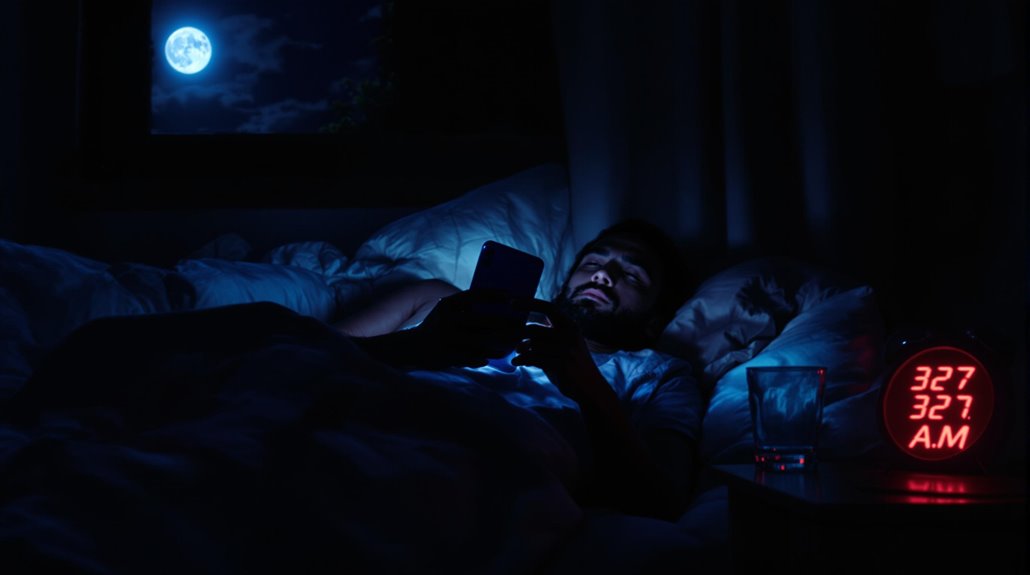
While medical conditions can substantially impact sleep quality, everyday habits like screen time play a powerful role in determining how well you stay asleep. If you're finding that you can't sleep through the night, your electronic devices might be partly to blame. The blue light emitted from smartphones, tablets, and computers interferes with your body's natural production of melatonin, the hormone that regulates your sleep-wake cycle.
To improve your sleep quality and reduce nighttime wake-ups, establish a "digital sunset" at least one hour before bedtime. Instead of scrolling through social media or watching videos, read a book - preferably a physical one. If you prefer digital reading, use an e-reader that's specifically designed to minimize blue light exposure, as it's less disruptive to your sleep patterns than other devices.
Make your bedroom a screen-free sanctuary by keeping all electronic devices outside. This simple change not only eliminates the temptation to check your phone when you can't sleep but also creates an environment that's more conducive to staying asleep throughout the night.
Healthy Sleep Routines
Anyone can improve their sleep quality by establishing and maintaining a consistent bedtime routine. If you're having trouble falling asleep or find it hard to go back to sleep after waking up at night, implementing healthy sleep habits can make a significant difference. You'll need to see consistent results by sticking to these practices every day, even on weekends.
- Create a calming pre-bed ritual that includes activities like reading a book, taking a warm bath, or practicing gentle yoga. This signals to your body that it's time to wind down and prepares you mentally for sleep.
- Set up your bedroom environment for ideal sleep by keeping it dark, cool, and quiet. If you fall back asleep more easily in specific conditions, make sure to maintain them consistently.
- Watch your daily habits, particularly caffeine and alcohol consumption, as they can interfere with your sleep quality. Regular exercise during the day helps improve sleep, but avoid vigorous workouts close to bedtime.
Bedtime Stress Management
Managing stress before bedtime plays an essential role in achieving uninterrupted sleep throughout the night. To minimize sleep disturbance, you'll need to create a calming pre-sleep routine that helps people move from daily activities to rest. Resist the temptation to check your phone or tablet before bed, as these devices can stimulate your mind and make it harder to fall asleep.
Instead, incorporate relaxation techniques into your evening routine. Practice deep breathing exercises or meditation to release tension from your body and quiet racing thoughts. Progressive muscle relaxation can also effectively reduce physical and mental stress that might keep you awake. Consider spending 15-20 minutes reading a book or listening to soothing music to help your mind naturally wind down.
Create an environment that promotes relaxation by keeping your bedroom cool, dark, and quiet. Stick to a consistent sleep schedule, even on weekends, to help regulate your body's natural sleep-wake cycle. If you wake up during the night, maintain these calming practices to ease yourself back to sleep rather than engaging in stimulating activities.
Related posts