
Using Aromatherapy to Enhance Sleep: A Complete Guide
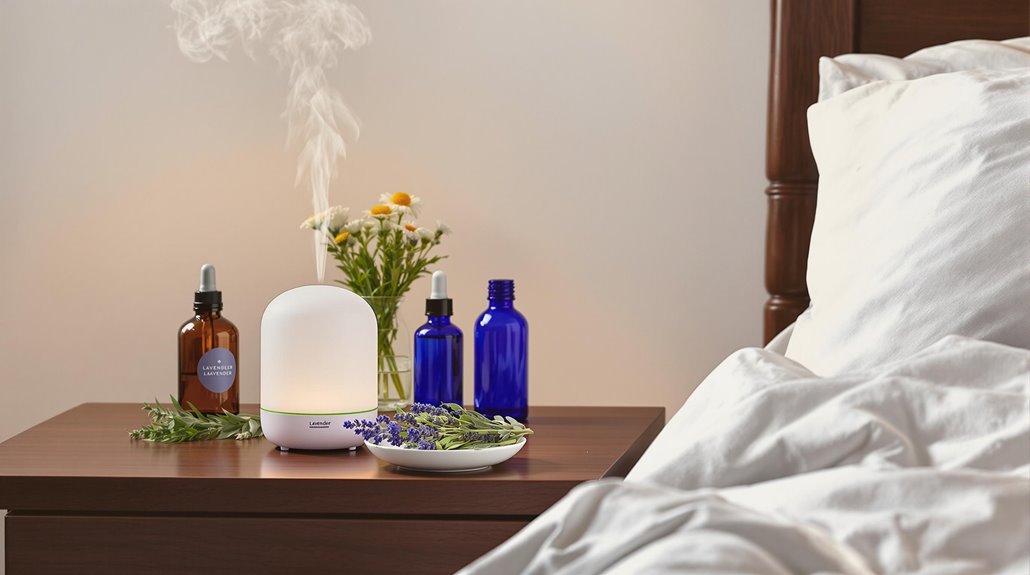
Aromatherapy can uncover your sleep quality through the power of essential oils interacting with your brain's limbic system. You'll find proven sleep-enhancing oils like lavender, which triggers melatonin release, and frankincense, which naturally calms your nervous system. To get started, try using a diffuser in your bedroom, adding oils to a warm bath, or applying diluted oils to your pulse points before bed. Creating a consistent nighttime ritual with these aromatic allies helps train your body to recognize sleep cues. While these basics will help you begin, there's much more to explore about maximizing aromatherapy's sleep-supporting benefits.
Understanding Sleep and Aromatherapy Basics
Two essential elements make aromatherapy an effective sleep aid: the science of sleep itself and the way scents interact with our brain. Your sleep cycle consists of multiple stages, from light sleep to deep REM sleep, and aromatherapy can help move you through these phases more smoothly by calming your nervous system.
When you're exposed to essential oils through aromatherapy, your sense of smell triggers immediate responses in your brain. These scents travel directly to your limbic system, the part of your brain that controls emotions, behavior, and memory. This connection explains why certain smells can instantly relax you or bring back specific memories.
Understanding this process helps you maximize aromatherapy's benefits for sleep. Essential oils work by either stimulating or sedating your nervous system, depending on their chemical composition. For example, lavender can lower your heart rate and blood pressure, while chamomile reduces anxiety and promotes drowsiness. You'll get the best results by using aromatherapy about 30 minutes before bedtime, allowing your body time to respond to the calming effects of the oils.
Essential Oils That Promote Sleep
While many essential oils can support relaxation, several stand out for their proven sleep-promoting properties. Lavender essential oil leads the pack as a reliable sleep aid, triggering melatonin release to help regulate your natural sleep patterns. When you're looking to drift off to sleep, frankincense can be particularly effective, as it calms your nervous system and reduces anxiety levels that might keep you awake.
You'll find bergamot especially useful in your bedtime routine, as it naturally lowers your heart rate and blood pressure, creating ideal conditions for rest. Cedarwood essential oil contains cedrol, which works as a natural sedative to help you stay asleep longer and prevent early morning waking. For those who enjoy floral scents, ylang-ylang offers both relaxing properties and sleep-supporting benefits through its ability to reduce blood pressure and promote overall relaxation.
Try incorporating these oils into your nightly routine by creating an essential oil spray for your pillow or adding a few drops to a diffuser. You can use them individually or create custom blends to enhance their sleep-promoting effects and find what works best for your needs.
Methods of Application
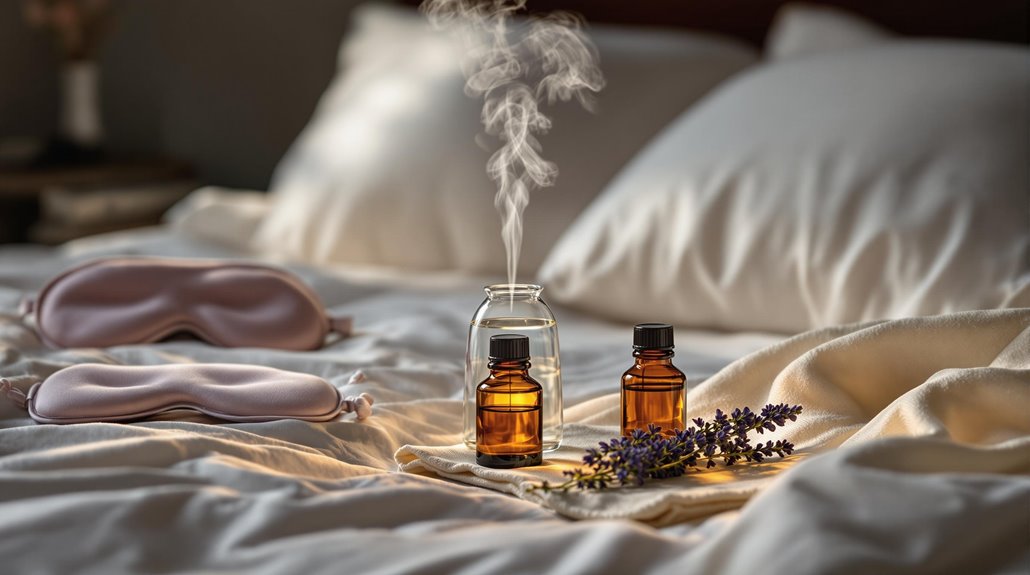
Several effective methods exist for incorporating essential oils into your bedtime routine. You'll find that aromatherapy can support your sleep and relaxation goals through various application techniques. One of the most popular approaches is using a diffuser in your bedroom, which disperses a gentle mist of essential oils throughout the air, creating a peaceful atmosphere conducive to rest.
For a more direct approach, you can apply diluted essential oils topically. Always mix them with a carrier oil before applying to your temples, wrists, and neck for a calming effect. If you enjoy evening baths, add a few drops of your chosen essential oils to warm bath water, converting your tub into a therapeutic sanctuary. You'll emerge feeling rested and ready for sleep.
Your nighttime skincare routine can also benefit from aromatherapy by using essential oil-infused lotions or body butters. These products combine moisturizing properties with sleep-promoting scents. For a lasting effect throughout the night, try lightly misting your pillow or mattress with an essential oil spray. Just make certain the spray isn't too concentrated, as subtle scents work best for promoting restful sleep.
Creating Your Sleep Ritual
Creating a personalized sleep ritual is essential for maximizing the benefits of aromatherapy and ensuring consistent, quality rest. Start by selecting your preferred essential oils, such as lavender, chamomile, or bergamot, and experiment with different combinations until you find what works best for you.
Begin your sleep routine about an hour before bedtime by taking a warm bath infused with your chosen essential oils. While you're soaking, set up your diffuser in the bedroom to create a calming atmosphere. After your bath, apply diluted essential oils to your pulse points - wrists, temples, and behind your ears - to enhance the aromatherapy experience.
Transform your bedroom into a sleep sanctuary by removing electronic devices, dimming the lights, and ensuring your bedding is comfortable. Incorporate mindfulness practices like meditation or gratitude journaling while the diffuser fills your room with soothing scents. You'll want to maintain consistency with this routine, as your body will begin to associate these aromatherapy practices with sleep. Remember to keep your bedroom cool and dark to complement the calming effects of your essential oils and promote deeper, more restful sleep.
Safety Guidelines and Best Practices
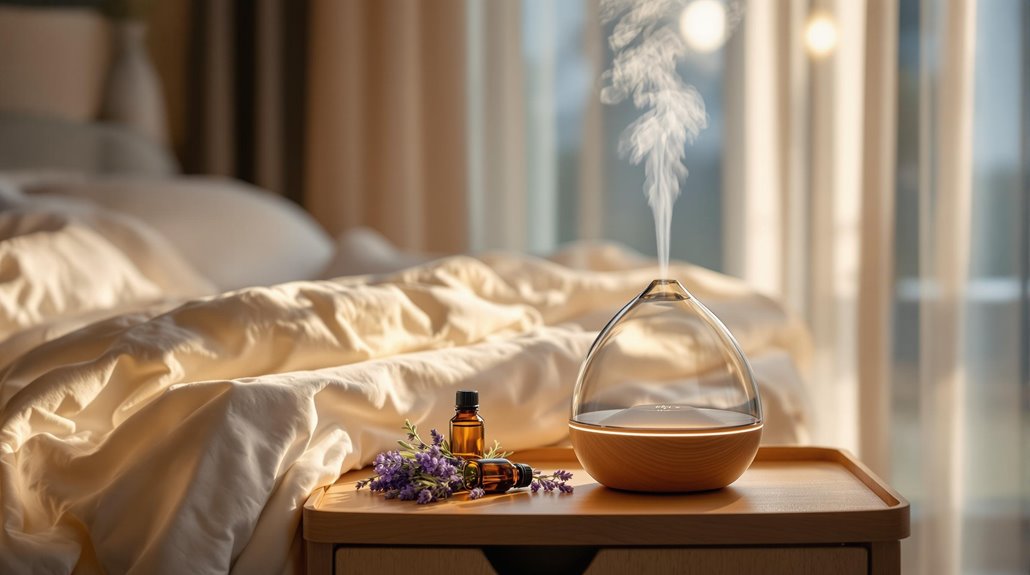
Safety considerations must accompany any effective aromatherapy practice. When using pure essential oils for sleep, you'll need to take care as these substances are highly concentrated and potent. Always dilute essential oils with a carrier oil before applying them to your skin, typically using a ratio of 2-3 drops of essential oil per tablespoon of carrier oil.
Before trying any new essential oil, perform a patch test on a small area of skin to check for an allergic reaction. If you experience any redness, itching, or discomfort, discontinue use immediately. If you're pregnant, nursing, or have underlying health conditions, consult your health provider before incorporating aromatherapy into your sleep routine.
Store different types of essential oils in dark glass bottles away from direct sunlight and heat. Keep them out of children's reach and never ingest them. When using a diffuser, follow the manufacturer's instructions carefully and don't exceed the recommended runtime. Guarantee proper ventilation in your bedroom, and don't place the diffuser directly next to your bed. Clean your diffuser regularly to prevent mold growth and maintain peak performance.
Science Behind Aromatherapy
Understanding aromatherapy's effectiveness begins with its deep connection to your brain's limbic system. When you inhale essential oils, their molecules trigger your olfactory system, which directly communicates with the area of your brain responsible for emotions and memories. This unique connection explains why certain scents can instantly affect your mood and relaxation levels.
The science behind aromatherapy reveals how these natural compounds work on multiple levels within your body. Essential oils interact with important neurotransmitters like GABA and serotonin, which help regulate your sleep-wake cycles. When you're exposed to specific oils, particularly lavender, your body responds by reducing cortisol levels - the stress hormone that can keep you tossing and turning at night. This biological response creates an environment conducive to better sleep.
Research supports the sedative properties of certain essential oils, showing they can improve both sleep quality and duration. Your brain processes these aromatic compounds rapidly, leading to physiological changes that promote relaxation. By understanding this scientific foundation, you can better appreciate why aromatherapy has become a trusted method for enhancing sleep naturally.
Blending Oils for Better Sleep
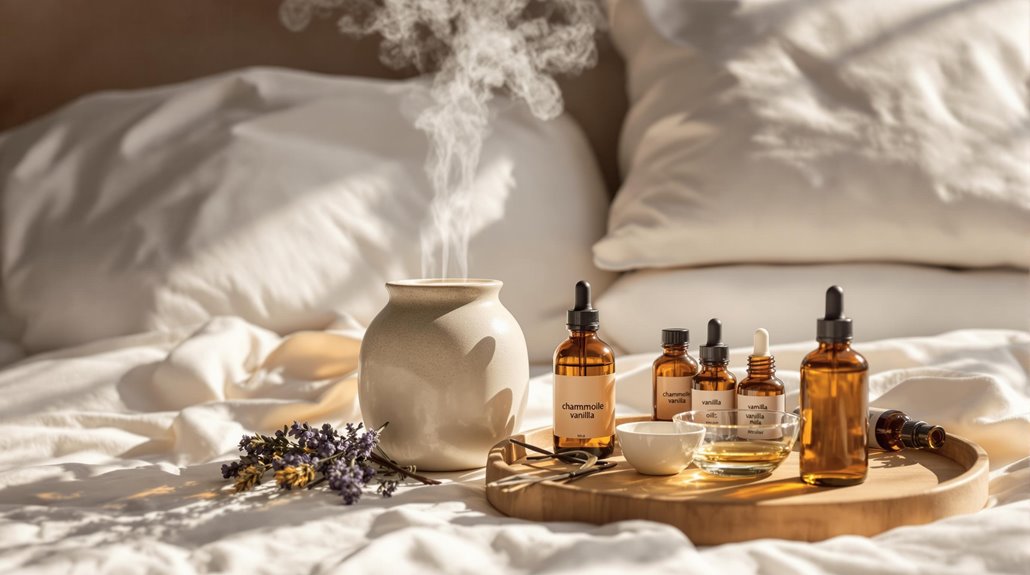
Now that you grasp how aromatherapy affects your brain and body, you can maximize its benefits by combining specific oils for sleep. Creating effective blends starts with understanding the unique properties of sleep-promoting essential oils like lavender, roman chamomile, bergamot, and vetiver. When you combine these oils thoughtfully, you'll create a more powerful relaxation aid than using them individually.
To create your perfect sleep blend, consider pairing sedative oils with mood-lifting ones. For instance, you might combine calming lavender with uplifting bergamot to address both anxiety and restlessness. Before applying your blend topically, you'll need to dilute it in carrier oils like fractionated coconut oil or jojoba oil, which facilitates safe absorption and prevents skin sensitivity.
Don't be afraid to experiment with different application methods to find what works best for you. You can try diffusing your blend throughout your bedroom, applying it topically to your pulse points, or adding it to a warm bath before bedtime. The key is finding the right balance of oils and delivery methods that align with your specific sleep needs and preferences.
Common Sleep Disturbances
Sleep disturbances can manifest in various forms, making it essential to identify which specific issue you're dealing with before seeking treatment. When considering aromatherapy and essential oils for sleep support, you'll want to understand your specific sleep challenges to choose the most effective approach.
Insomnia, affecting up to 50% of people, can make falling asleep or staying asleep particularly challenging. If you're experiencing breathing interruptions during sleep, you might be among the 22 million Americans with sleep apnea, which requires medical attention alongside any aromatherapy practices. Your body's natural sleep-wake cycle can become disrupted due to circadian rhythm disorders, making it difficult to maintain consistent sleep patterns.
Restless leg syndrome might be preventing your restful sleep if you're experiencing an uncontrollable urge to move your legs at night. Additionally, if you're like many people dealing with stress and anxiety, these emotional factors can profoundly impact your sleep quality. Understanding these common sleep disturbances helps you better target your aromatherapy approach, whether you need oils for relaxation, stress reduction, or general sleep support.
Natural Sleep Solutions
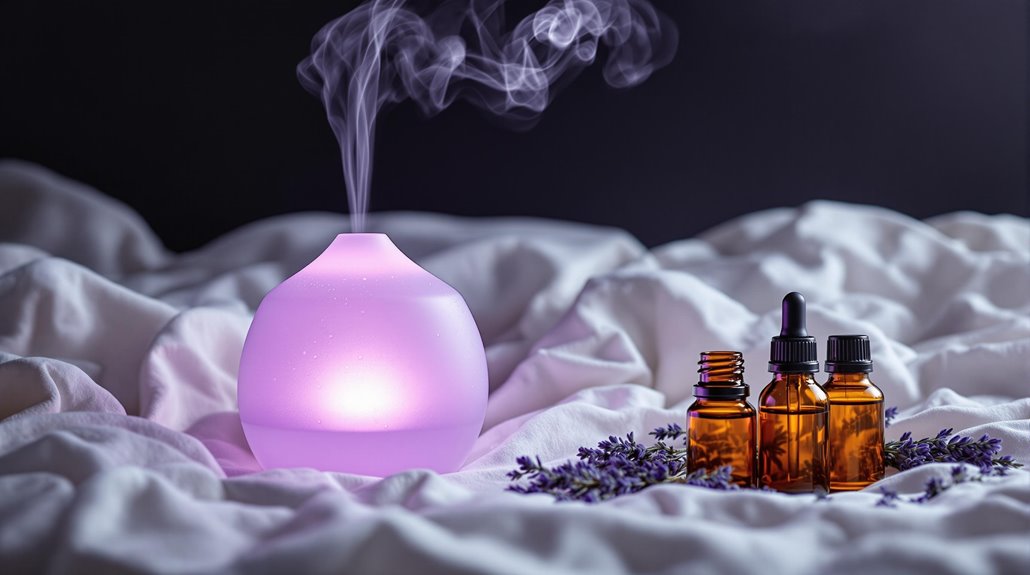
When seeking natural remedies for better rest, you'll find several effective solutions that don't require prescription medications. Essential oils have emerged as powerful tools to promote restful sleep, with lavender, chamomile, and cedarwood leading the way in sleep-supporting aromatherapy.
To help you fall asleep naturally, you can incorporate essential oils for sleep in multiple ways. Setting up a diffuser in your bedroom creates a calming atmosphere that signals your body it's time to wind down. You'll also benefit from applying diluted essential oils to your pulse points, allowing their soothing properties to work through both skin absorption and inhalation.
For an especially relaxing experience, try adding a few drops of these sleep-promoting oils to your evening bath. The combination of warm water and aromatic compounds can help you achieve sound sleep more easily. You can further enhance your bedtime routine by using essential oil-infused products like lotions or pillow sprays. When you consistently use these aromatherapy techniques, you're likely to notice better sleep quality and an easier time shifting from wakefulness to rest.
Building Your Essential Oil Collection
Creating an effective essential oil collection starts with selecting high-quality oils known for their sleep-promoting properties. Begin with core sleep-supporting essential oils like lavender, chamomile, and bergamot, then expand your collection to include cedarwood and ylang-ylang for added variety and efficiency.
When building your collection, prioritize organic essential oils from reputable suppliers to guarantee you're getting pure, unadulterated products. You'll also need carrier oils like coconut oil or almond oil for safe topical application. These carriers help prevent skin sensitivity while allowing the therapeutic benefits of the essential oils to work productively.
Consider how you'll use your oils and choose accordingly. If you enjoy an aromatic bath, select oils that blend well with warm water and complement each other's properties. You might want to create different blends for various sleep scenarios – one for general relaxation and another for deeper sleep support. Don't hesitate to consult an aromatherapist who can guide you in selecting the most beneficial combinations for your specific sleep needs. They can help you understand which oils work synergistically and recommend appropriate ratios for blending.
Aromatherapy and Sleep Environment
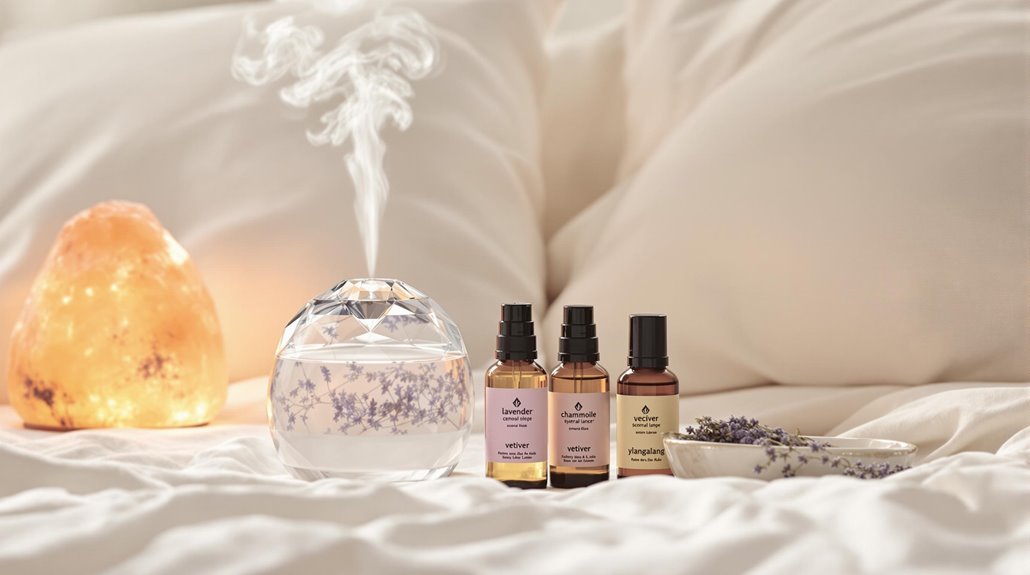
Establishing an ideal sleep environment goes hand in hand with aromatherapy practices. When you're using essential oils for sleep, it's vital to create a space that maximizes their benefits while incorporating other sleep-promoting elements.
Start by setting up your diffuser in a safe location near your bed, ensuring it won't get knocked over during the night. Choose calming aromatherapy oil blends, such as lavender and chamomile, which work synergistically with a cool, dark environment. Install blackout curtains to block out disruptive light, and consider using a white noise machine to mask outside sounds that might interfere with your sleep.
Your essential oil blends will work more effectively when you've decluttered your bedroom and removed electronic devices, as these can disrupt your body's natural sleep rhythms. Keep your sleep environment cool, ideally between 60-67°F, as this temperature range enhances the aromatic dispersion of essential oils throughout the room. Consider placing your diffuser on a bedside table where the gentle mist can create a calming atmosphere without overwhelming the space. Remember to maintain proper ventilation to prevent the buildup of excess moisture from your diffuser.