Unusual Chinese Holidays and Festivals You’ve Probably Never Heard Of
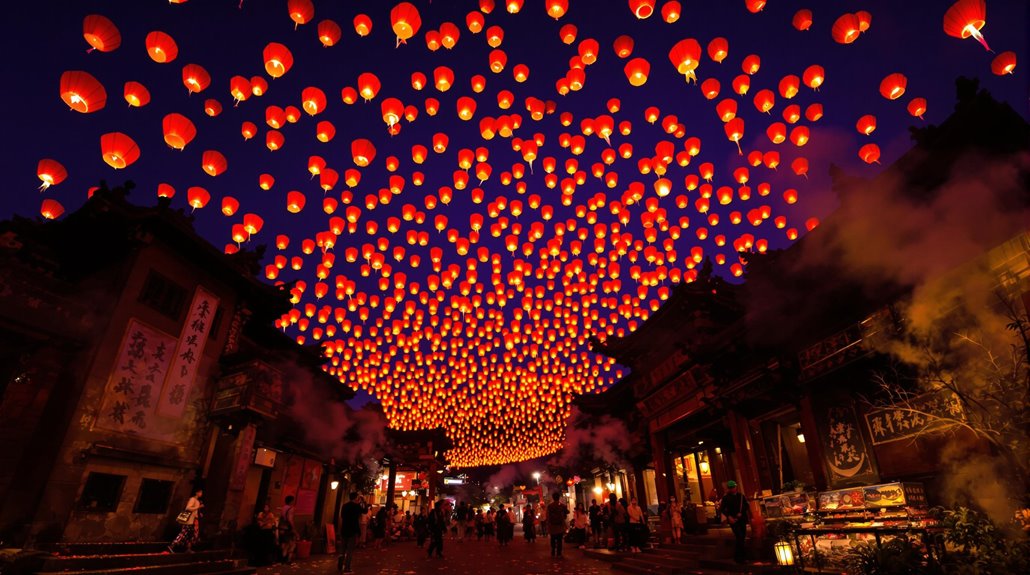
Beyond the well-known Chinese New Year celebrations, you'll find a world of fascinating and unusual festivals across China. You can witness athletes performing Olympic sports underwater in Qingdao, join the mud-smearing revelry at Yunnan's Monihei carnival, or experience the spooky Festival of Hungry Ghosts where spirits roam freely among the living. In Hong Kong, you'll marvel at towering bamboo structures covered in traditional buns during the Cheung Chau festival, while Singles' Day metamorphoses into the world's largest shopping extravaganza. These unique celebrations offer just a glimpse into China's rich weaving of cultural traditions and modern festivities.
The Underwater Olympics
Few sporting events can match the unique spectacle of China's Underwater Olympics, held in Qingdao during the 2008 Beijing Olympics. This extraordinary festival showcased Chinese athletes competing in traditional Olympic sports - all while completely submerged underwater. You'd be amazed to see competitors executing complex maneuvers in events like basketball, gymnastics, and even fencing, where athletes balanced on wires while managing their air tanks.
What makes this event particularly impressive is that these people spent over a year and a half training to become proficient in their sports underwater. They had to adapt to the challenging conditions of water resistance and buoyancy while maintaining proper breathing techniques. On competition day, spectators witnessed remarkable displays of athletic prowess as participants completed relay races, demonstrated weightlifting techniques, and even engaged in underwater shooting competitions.
This innovative sporting event perfectly complemented the lunar year of the Beijing Olympics, proving that Chinese creativity knows no bounds - even underwater. It's a statement to how traditional sports can be transformed into something entirely new and captivating when viewed through a different lens.
Festival of Hungry Ghosts
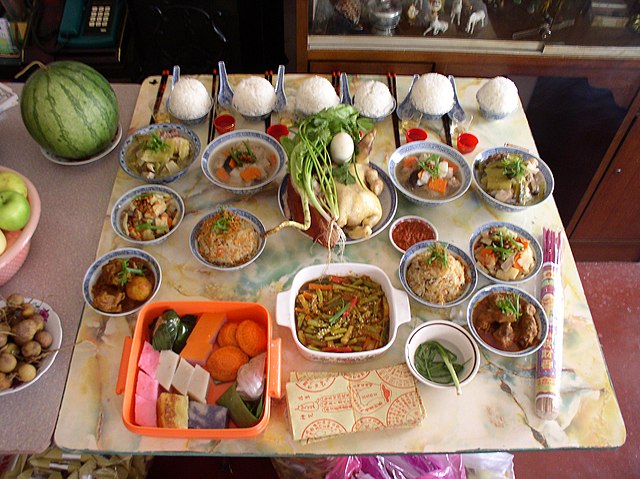
A mysterious otherworldly portal opens each year during China's Festival of Hungry Ghosts, when spirits are believed to freely roam among the living. You'll find this fascinating celebration taking place on the 15th day of the 7th lunar calendar month, typically in late August, when Chinese communities worldwide prepare to honor their ancestral spirits.
If you're walking through the streets during this time, you'll witness an extraordinary sight: people burning paper money and various replicas as offerings to appease the Hungry Ghosts. The night sky lights up with constant fireworks, meant to ward off any mischievous spirits, while colorful lanterns sway in the evening breeze. At every temple fair, you'll uncover tables laden with traditional offerings, from rice dumplings to fresh fruits, accompanied by the sweet scent of burning incense.
This unique festival showcases the deep-rooted respect for ancestors in Chinese culture. You'll experience traditional performances, religious ceremonies, and community gatherings that transform ordinary neighborhoods into lively spiritual spaces. It's a time when the living and the dead are thought to share the same domain, creating an atmosphere that's both solemn and celebratory.
Monihei Mud Carnival

While the Festival of Hungry Ghosts encompasses the spiritual domain, China's Monihei Mud Carnival takes celebrations in a completely different direction - straight into the mud. Unlike traditional Chinese festivals like Chinese New Year, Dragon Boat Festival, or Lantern Festival, this unique celebration in Yunnan's Va Ethnic Autonomous Prefecture revolves around the playful use of mud as a symbolic blessing.
You'll find yourself in the midst of an extraordinary ritual that stems from ancient traditions of the Va ethnic minority. The festival's origin story tells of a search for an immortality medicine, but today, mud serves as its symbolic replacement. As you participate, you'll witness and likely become part of the joyous chaos as people chase each other, smearing mud on one another's bodies. Don't be surprised if you're targeted - it's actually considered a blessing for peace, longevity, and beauty.
While most Chinese festivals focus on lanterns, dragons, or ancestral worship, the Monihei Mud Carnival offers you a rare glimpse into the lesser-known cultural practices of China's ethnic minorities, making it one of the country's most distinctive celebrations.
Cheung Chau Bun Festival

Towering above Cheung Chau's lively streets, three 60-foot bamboo structures draped with thousands of traditional buns mark one of Hong Kong's most captivating festivals. The Cheung Chau Bun Festival, celebrated in the Peoples Republic of China, draws countless visitors to witness this unique spectacle near Pak Tai Temple.
The massive bun towers stand as the festival's centerpiece, constructed entirely from bamboo. Athletes compete in a thrilling bun-grabbing competition at midnight. Contestants now wear safety devices and protective headgear while climbing the towers. The festival coincides with Buddha's birthday celebrations. Both men and women participate in this daring traditional event.
The bun-grabbing competition has evolved into a safer yet equally exciting spectacle. You'll watch in amazement as determined competitors scale the bun towers, racing to collect as many buns as possible. This centuries-old tradition showcases the island community's rich cultural heritage while providing an unforgettable experience for both locals and tourists. If you're looking for a festival that combines athleticism, tradition, and unique cultural elements, you won't want to miss this enthralling celebration.
Ancient Dog Eating Festival
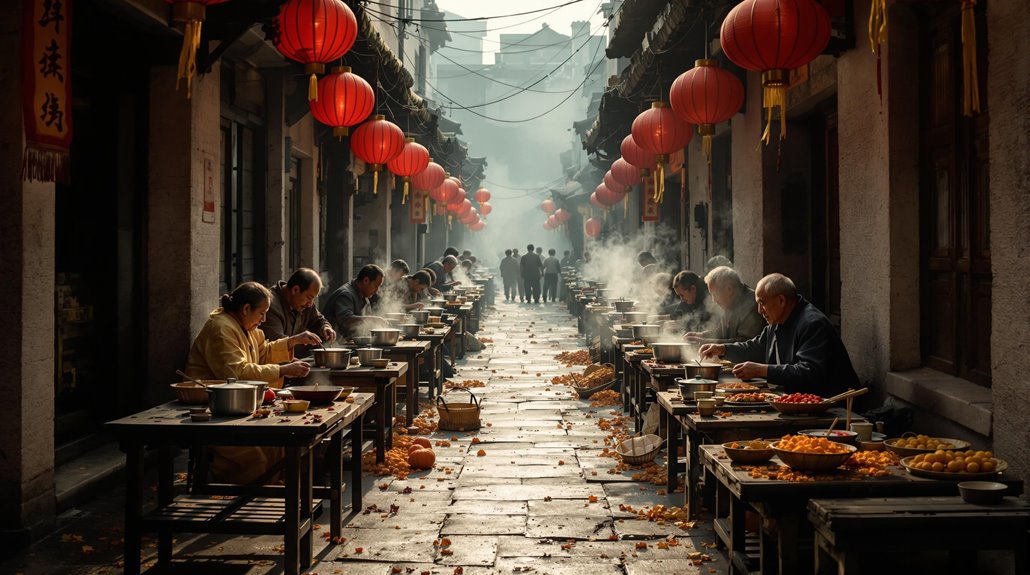
Throughout the hills of Qianxi in Zhejiang Province, an ancient festival rooted in Ming dynasty military tactics persisted for over 600 years until its ban in 2011. This unusual celebration commemorated a historic military victory where soldiers killed local dogs to prevent them from alerting enemy forces with their barking.
During the festival, you'd find food stalls lining the streets as people gather to participate in various cultural activities. The main event takes place in the town center, where traditional dog meat dishes were prepared and served as part of the feast. While this practice may seem shocking to modern sensibilities, it held deep historical significance for the local community.
If you'd like to learn more about this now-banned festival, you can contact us or send us a message through our cultural heritage department. The spread of camera phones and growing public awareness eventually led to the festival's closure, marking the end of a controversial tradition. This festival serves as an example of how ancient military strategies evolved into cultural practices, and how modern values can reshape long-standing traditions in contemporary China.
Singles' Day Shopping Extravaganza
Although Singles' Day began as a quirky celebration of being unattached, it's now metamorphosed into the world's largest shopping extravaganza, generating over $139 billion in sales across China's major e-commerce platforms. This massive online shopping festival, held annually on November 11th, has completely reshaped how you think about retail therapy.
You'll find yourself mesmerized by:
- Jaw-dropping discounts that make Black Friday look modest
- Entertaining live-streamed promotions featuring celebrities
- Creative viral marketing campaigns that flood social media
- Round-the-clock shopping opportunities for 24 straight hours
- Access to both local and international brands at unbeatable prices
What started as a humble celebration for single people has evolved into China's crown jewel of e-commerce events. When you participate in Singles Day, you're not just shopping – you're experiencing China's technological advancement firsthand. The festival showcases the nation's digital innovation and the incredible purchasing power of its consumers. Whether you're single or not, you won't want to miss this shopping phenomenon that's revolutionized global retail and consistently outperforms both Black Friday and Cyber Monday combined.
Teachers' Day Celebrations
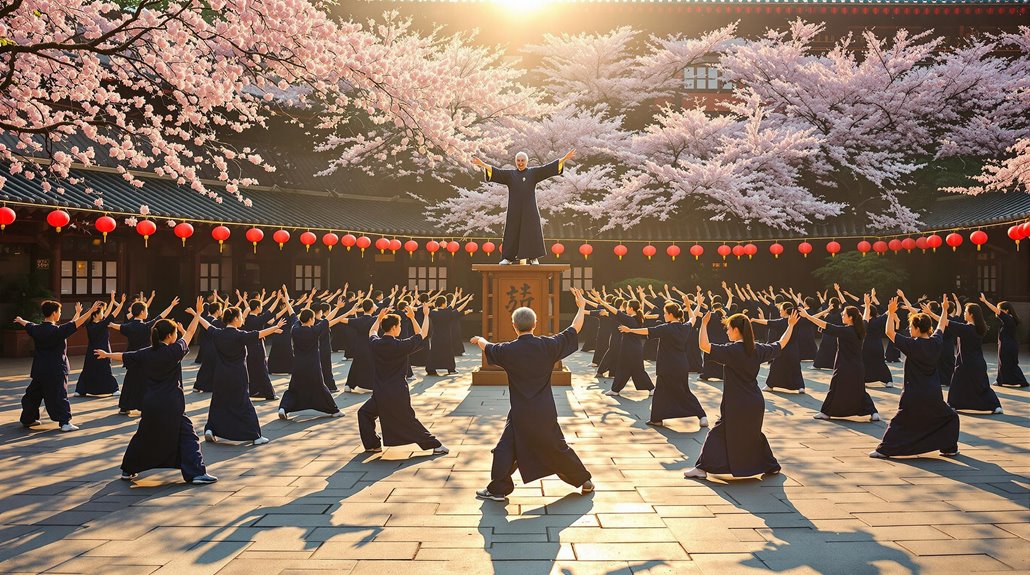
In celebration of the teaching profession, China's annual Teachers' Day offers a heartwarming display of gratitude that you won't find in many other cultures. This unique holiday, occurring in the early weeks of each school year, showcases the deep-rooted cultural respect that Chinese society holds for its educators.
You'll notice students across the country expressing their appreciation through thoughtful gestures like handwritten cards, carefully selected gifts, and beautiful flower arrangements. It's not just the students who recognize their teachers' contributions - the entire community joins in the celebrations. If you're visiting Chinese cities during Teachers' Day weekend, you'll see teachers enjoying complimentary access to various attractions and special activities, highlighting their honored position in society.
What makes these celebrations particularly special is how they reflect China's longstanding tradition of respect for education and those who dedicate their lives to teaching. Unlike typical holidays focused on commercial aspects, Teachers' Day emphasizes genuine gratitude and human connection. When you witness these heartfelt celebrations, you'll understand why this holiday perfectly captures the essence of China's cultural reverence for educators.
Children's Cultural Performances
A lively display of China's cultural heritage comes alive during Children's Day performances, where young students showcase traditional songs, dances, and theatrical pieces. You'll witness these young performers bringing ancient traditions to life, much like the vibrant dragon dances during Spring Festival or the colorful lantern displays of the Mid-Autumn Festival.
During these special performances, you'll experience:
- Traditional Chinese dances that rival the grace of dragon boat races at the Duanwu Festival
- Ancient folk songs passed down through generations
- Theatrical plays depicting historical stories
- Students wearing authentic traditional clothing
- Cultural demonstrations that teach audiences about Chinese heritage
When you attend these performances, you're not just watching entertainment - you're participating in a crucial tradition that honors China's youngest generation. Schools transform into cultural venues where families gather to support their children, similar to how communities unite during major festivals. These celebrations serve a deeper purpose than typical holiday events: they're teaching moments where children become the educators, sharing their knowledge of Chinese traditions while building a sense of their cultural identity.