Unusual Ancient Holidays and Festivals From Around the World
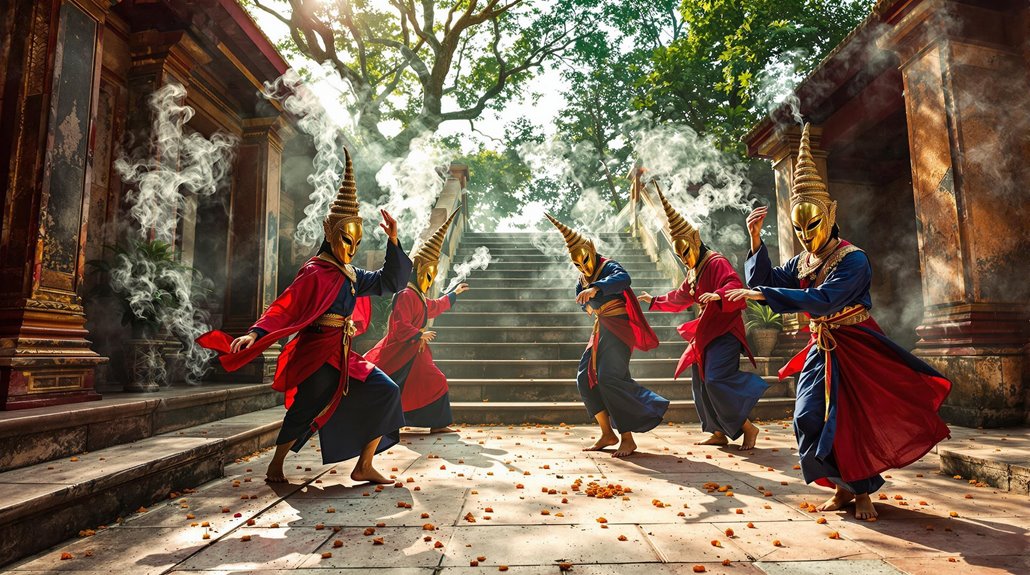
You'll find fascinating ancient festivals still celebrated today, from fire-walking rituals during Greece's Anastenaria to Scotland's peculiar Burryman Procession honoring the Green Man. Many modern holidays have deep pagan roots - Mardi Gras emerged from ancient festivities, while Christmas borrowed traditions from the Roman Saturnalia. In France's Fêtes de l'Ours, participants uncover into bears, while Switzerland's Fasnacht festival features mysterious Hübelimasken masks. Ancient Egyptian and Aztec celebrations aligned with natural phenomena like the Nile's flooding and seasonal changes. These enduring traditions offer glimpses into humanity's rich ceremonial heritage, with countless more ancient customs waiting to be explored.
Origins of Sacred Celebrations
Ancient festival traditions reveal a fascinating fabric of spiritual and cultural practices that predate modern religions. You'll find these early celebrations deeply rooted in reverence for nature's cycles, local deities, and mystical phenomena that ancient cultures couldn't fully explain, such as bioluminescence in nocturnal waters.
When you investigate Europe's oldest festivities, you'll uncover how many modern celebrations, including Mardi Gras, have evolved from pagan roots. The Feast of Anastenaria, with its fire-walking rituals, shares similarities with other ancient ceremonies that have survived along routes like England's Ridgeway, where sacred sites still stand as a record of pre-Christian practices.
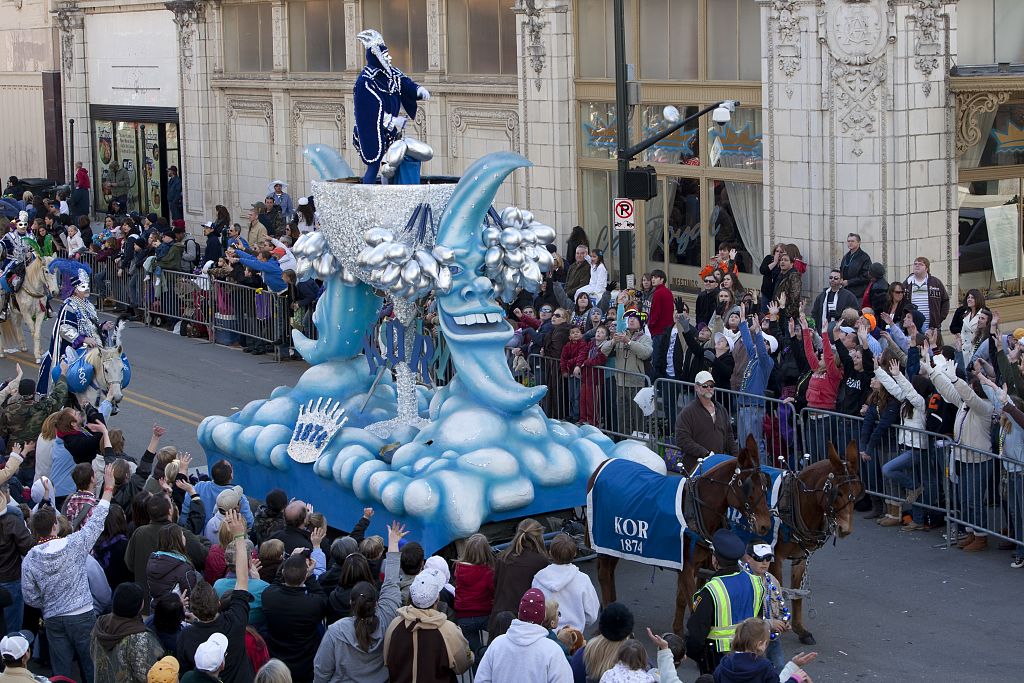
You can trace these connections through surviving traditions like the Burryman Procession in Scotland and the Fêtes de l'Ours in France, where ancient rituals continue to influence contemporary celebrations. Even seemingly modern traditions, such as England's Bonfire Night, incorporate elements from pagan ceremonies, particularly in the symbolic burning of effigies. These festivals demonstrate how ancient spiritual practices haven't disappeared but rather adapted, adjusting to new cultural contexts while maintaining their connection to humanity's earliest sacred celebrations.
Global Festival Time Capsule
These time-honored festivals have left a notable imprint across different continents, forming a global fabric of celebrations that still echo through time. You'll find that many cultural celebrations date back thousands of years, revealing fascinating perspectives into ancient civilizations' values, beliefs, and ways of life.
When you scrutinize these historical festivities, you'll uncover unique traditions that have shaped modern celebrations. From Asia to the Americas, these ancient gatherings showcase humanity's enduring need to mark significant moments through communal celebration.
- The Roman Saturnalia's gift-giving customs influenced modern Christmas traditions
- Ancient Egyptian's Wepet Renpet new year festival aligned with the annual Nile flooding
- The Aztec's Toxcatl ceremony honored Tezcatlipoca with month-long preparations
- Greece's Anthesteria wine festival celebrated spring's arrival and honored the dead
You can still see traces of these ancient celebrations in today's festivals, though they've evolved drastically. While some practices have faded into history, others have been transformed and incorporated into contemporary holidays, creating an unbroken chain of cultural heritage that spans millennia.
Ancient Rituals Still Alive Today
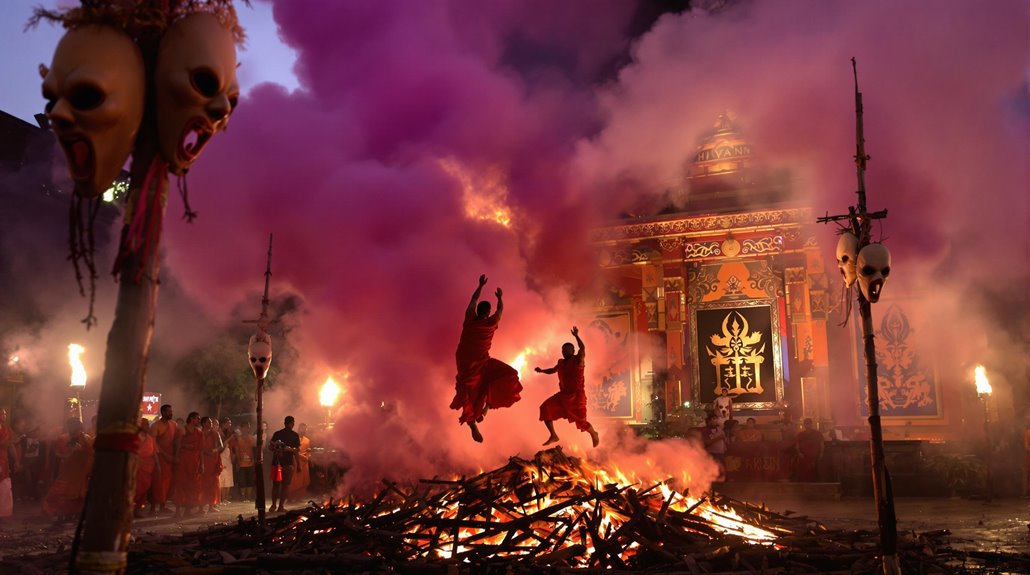
Throughout Europe's remote villages and towns, extraordinary ancient rituals continue to thrive despite centuries of modernization. In Scotland's South Queensferry, you'll find the Burryman Procession, the country's oldest festival, where a figure draped in prickly burdock seedheads embodies the ancient Green Man spirit, crowned with flowers as he walks the streets.
The Swiss celebrate the Fasnacht festival in Kriens, donning mysterious Hübelimasken masks that blend pagan symbols with local folklore. In France's Prats-de-Mollo-la-Preste, you can witness participants transmute into bears during the Fêtes de l'Ours, recreating an age-old tale of a shepherdess and her bear captor.
England's Whalton village preserves the last remaining Harvest Home ritual, where locals craft the Kern Baby, a corn-stalk figure honoring the goddess Ceres. Meanwhile, in Poland's Zywiec region, the Jukace welcome each New Year wearing sheepskin masks and conical hats, spreading blessings as they collect gifts from villagers. These living traditions offer you a glimpse into Europe's pre-Christian past, preserving customs that have survived for generations.
Sacred Traditions Across Continents
Sacred traditions on continents beyond Europe reveal an equally rich fabric of enduring customs. Yet some of Europe's most fascinating ancient festivals are still celebrated around the world today, each carrying deep spiritual and cultural significance.
You'll find these mesmerizing traditions preserved in remote villages and tight-knit communities, where locals keep their ancestral customs alive with dedicated commitment. The festivals combine pagan beliefs with regional folklore, often featuring masked figures who bring good luck to their communities.
- Scotland's Burryman Procession showcases a figure covered in burdock seedheads, embodying the ancient Green Man spirit
- France's Festival of the Bears transforms participants into wild bears through sheepskin costumes and blackened skin
- Switzerland's Fasnacht celebration features the mysterious Hübelimasken masks, blending pagan symbols with local characters
- Poland's Gody Zywieckie brings out the Jukace, men in conical hats and sheepskin masks who distribute blessings
These festivals demonstrate how ancient beliefs continue to thrive in modern times, with communities proudly maintaining their unique cultural heritage through elaborate costumes, symbolic rituals, and time-honored ceremonies.
Mystical Ceremonies Through History
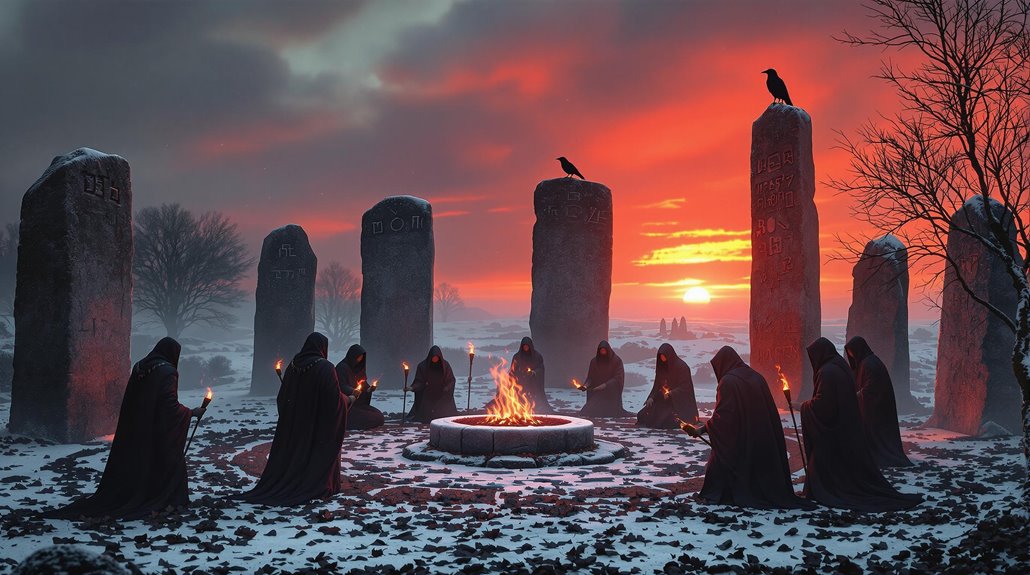
While many ancient ceremonies have faded into obscurity, several mystical rituals continue to captivate historians and practitioners alike. Among these, you'll find the Peruvian sun ceremony dedicated to the god Inti, where priests would fast for days before performing elaborate dances at dawn. The ritual's purpose was to guarantee the sun's return during winter solstice and maintain cosmic harmony.
In ancient Mesopotamia, you'd encounter ceremonies where participants wore masks and performed dramatic rituals to ward off evil spirits. These ceremonies often involved burning specific herbs and chanting sacred texts, believed to create protective barriers around homes and temples.
If you'd visited ancient Egypt, you would've witnessed the Opening of the Mouth ceremony, where priests used special tools to symbolically restore a mummy's senses. This complex ritual included specific movements, incantations, and gifts to safeguard the deceased's path into the afterlife.
Today, you can still observe remnants of these practices in modern ceremonies, though they've evolved profoundly. Some indigenous communities continue to perform variations of these ancient rites, preserving the mystical connections their ancestors established thousands of years ago.
Cultural Heritage in Motion
From the steppes of Asia to the valleys of Peru, ancient festivals reveal how communities kept their traditions alive through movement and dance. You'll find that cultural heritage in motion wasn't just about entertainment - it was a vital way to pass down stories, beliefs, and customs from one generation to the next.
As you investigate these Festivals Celebrated Around the world, you'll uncover how ancient civilizations used movement to connect with their gods, celebrate harvests, and mark important life events. Even today, many of these traditions continue to captivate audiences and preserve cultural identity.
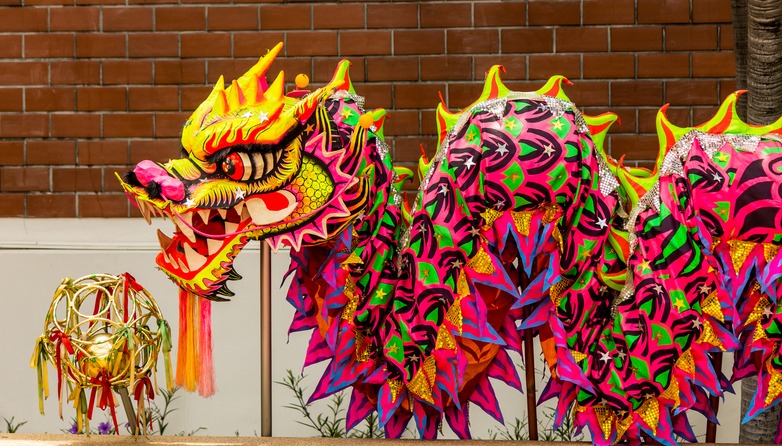
Some fascinating ways ancient cultures kept their heritage alive through movement:
- Chinese Dragon Dances that mimicked celestial movements to bring good fortune
- Aboriginal Australian Dreamtime ceremonies that mapped sacred landscapes
- African tribal dances that recorded genealogies and historical events
- Greek Dionysian festivals that combined theater, dance, and religious worship
You'll notice that these vibrant expressions of cultural heritage in motion weren't just performances - they were living museums that preserved history, spirituality, and community values through the universal language of movement.
Spiritual Festivals Through Time
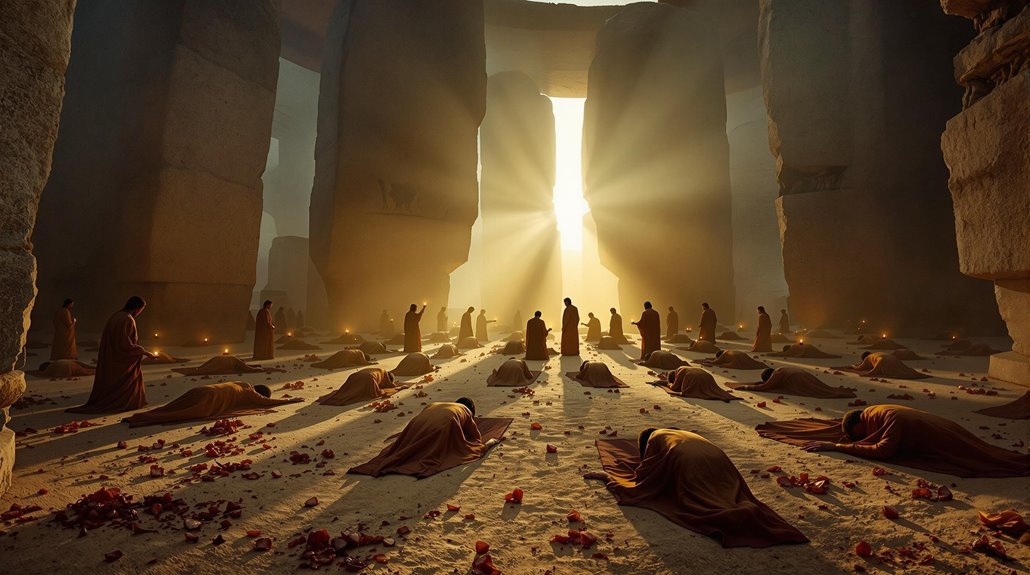
Throughout history, countless spiritual festivals have blended pagan traditions with local customs, creating uniquely fascinating celebrations that endure to this day. You'll find these extraordinary rituals scattered across the world, each telling its own story of ancient beliefs and communal celebration.
In Scotland, the Burryman Procession connects modern-day residents with their pagan past through a figure adorned in burdock seedheads, embodying the Green Man spirit. France's Fêtes de l'Ours brings folklore to life as participants transform into bears, reenacting an age-old tale of a shepherdess's encounter with a bear. In England's Whalton village, you can witness the last surviving Harvest Home celebration, where the Kern Baby honors the ancient goddess Ceres.
Switzerland's Fasnacht festival showcases the mysterious Hübelimasken masks, merging pagan symbolism with local tradition. Meanwhile, in Poland, the Jukace of Gody Zywieckie don elaborate costumes and sheepskin masks, spreading New Year's blessings throughout their community. These festivals demonstrate how ancient spiritual practices continue to thrive, connecting modern communities to their ancestral roots through lively celebrations.
Earth's Most Unique Celebrations
Among the world's most extraordinary celebrations, ancient festivals stand as living chronicles of humanity's enduring customs. When you investigate these unusual holidays, you'll uncover traditions that have persisted for centuries, each telling a unique story of cultural heritage.
You'll find some of the world's largest gatherings of peculiar festivities across Europe, where ancient pagan rituals meet Christian traditions. In Scotland, the Burryman Procession has continued for over 900 years, featuring a figure completely covered in prickly burdock seedheads. Meanwhile, the French Festival of the Bears transforms participants into wild creatures through sheepskin costumes and blackened skin.
Switzerland's Fasnacht, where mysterious Hübelimasken masks blend pagan symbolism. Poland's Gody Zywieckie, featuring the blessing-giving Jukace in conical hats. England's Harvest Home, with its corn-stalk Kern Baby honoring the goddess Ceres. Scotland's Burryman, wearing thousands of burdock seeds and a flower crown.
These festivals aren't just celebrations - they're living museums of human traditions, preserving ancient customs that continue to fascinate communities worldwide.
Traditional Festivals Worth Witnessing
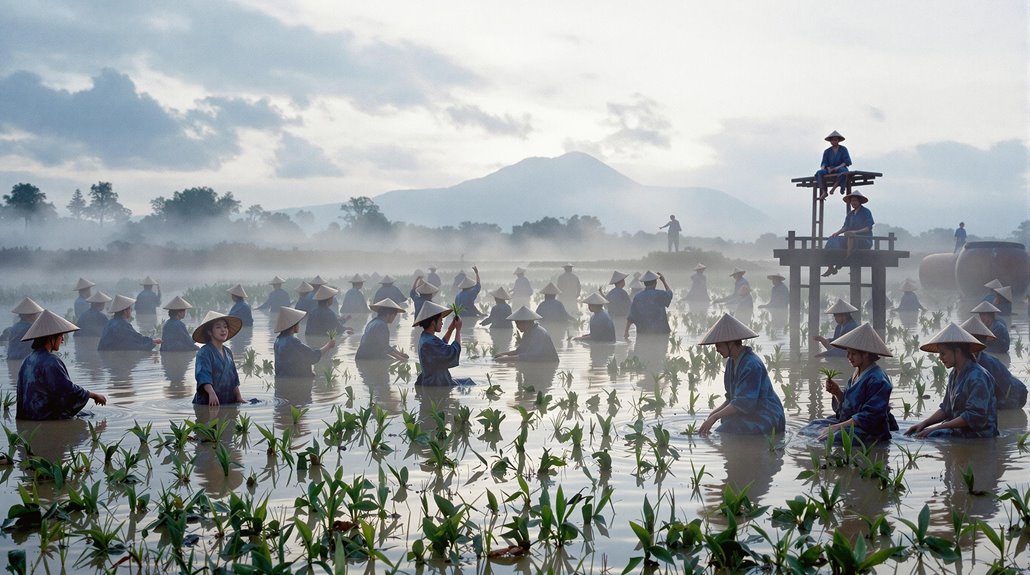
Several ancient festivals deserve a location on every cultural investigator's bucket list. While many traditional celebrations have faded into history, others continue to fascinate audiences worldwide with their unique customs and rituals.
You'll find Spain's La Tomatina festival particularly intriguing, as thousands gather in Buñol to participate in the world's largest tomato fight. Though not particularly ancient, this 75-year-old tradition emerged from a spontaneous food fight and has become a cultural phenomenon worth experiencing.
The Greek Orthodox Easter celebrations offer a more profound historical connection, with traditions dating back nearly two millennia. You can witness the midnight resurrection service, where darkness erupts into light as thousands of candles illuminate the night. The celebration continues with the cracking of red-dyed eggs and the cooking of traditional maghiritsa soup.
In Peru's Andes Mountains, you'll uncover the ancient Inti Raymi festival, honoring the Incan Sun God. This winter solstice celebration features elaborate costumes, ceremonial reenactments, and traditional music that's remained largely unchanged for centuries. These festivals provide a rare glimpse into humanity's rich cultural heritage while preserving ancient customs for future generations.
Sacred Customs Around Us
When you examine today's cultural terrain, you'll uncover that ancient pagan traditions remain deeply woven into modern society's fabric. From England's centuries-old Ridgeway road to Slovenia's lively Kurentovanje festival, these sacred customs continue to be celebrated, offering windows into our ancestral past.
You'll find these ancient practices manifesting in various ways across Europe:
- The Burryman Procession in Scotland, where local traditions thousands of years old come alive through unique ceremonial displays
- The Fêtes de l'Ours in France, carrying forward bear-themed festivities that echo prehistoric worship
- England's Harvest Home celebrations, connecting modern communities to agricultural rituals from pre-Christian times
- The spectacular Bonfire Night, blending historical political events with pagan fire ceremonies
These aren't merely tourist attractions or historical reenactments - they're living traditions that have evolved while maintaining their sacred cores. As you walk along the Ridgeway or witness the fur-clad Kurent dancers chasing away winter, you're experiencing practices that have survived centuries of cultural change. These customs serve as bridges between our modern world and the ancient spiritual practices that shaped our ancestors' lives.
Ancestral Celebrations That Endure
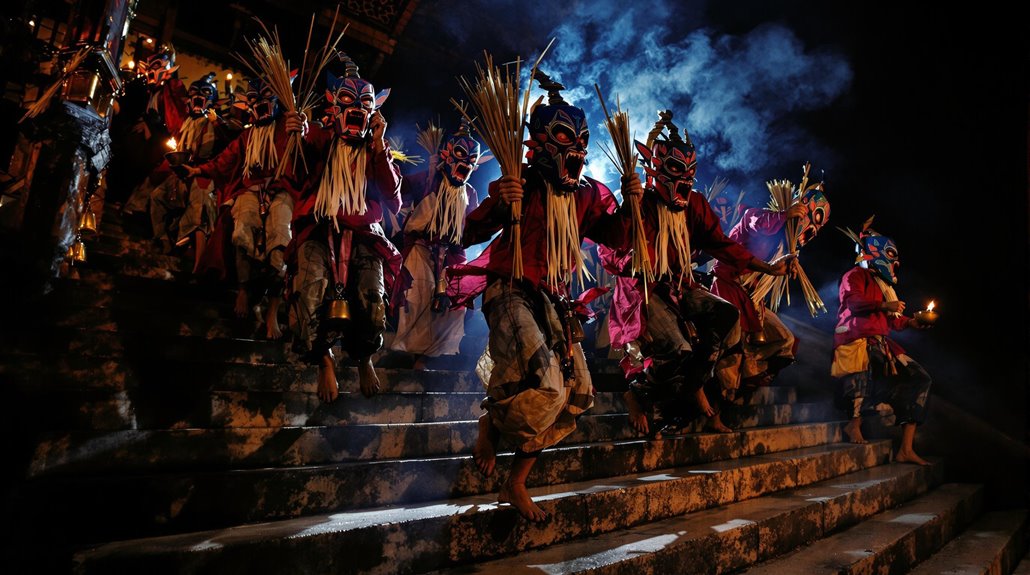
Persistence defines the extraordinary survival of Europe's ancestral celebrations, which continue to enthrall both locals and visitors alike. You'll find these age-old traditions take place throughout the year, from the mysterious Burryman Procession in Scotland to the vibrant Fêtes de l'Ours in France. In Slovenia, the fascinating Kurentovanje festival sees fur-clad figures parading through Ptuj's streets, maintaining their ancestors' ritual of banishing winter and welcoming spring.
England's heritage particularly shines through its ancient customs. You can investigate the Ridgeway, the country's oldest road, which links sacred pagan sites and offers a window into pre-Christian Britain. During any long weekend in autumn, you might encounter Bonfire Night celebrations, where modern commemorations of the Gunpowder Plot blend seamlessly with older pagan traditions.
These enduring festivals aren't merely performances for tourists; they're living connections to our ancestors' understanding of nature's cycles. Like the mesmerizing phenomenon of bioluminescence that lights up natural spaces worldwide, these celebrations illuminate the deep-rooted relationship between human culture and the natural world, preserving ancient wisdom through continuous practice.
Timeless Festival Traditions
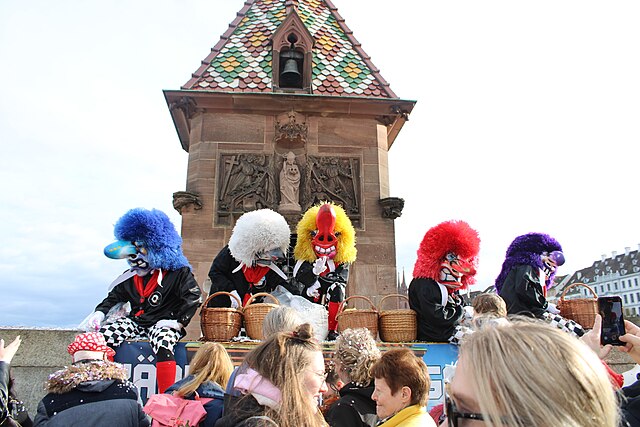
Ancient festivals weave intricate stories through their timeless traditions, revealing customs that have remained remarkably unchanged for centuries. While modern celebrations like tomato fights and sugar skulls grab headlines, Europe's oldest festivals tell fascinating tales of cultural preservation.
You'll find these enduring traditions still thriving across the continent:
- In South Queensferry, Scotland, you can witness the mysterious Burryman, covered head-to-toe in prickly burdock seedheads, embodying the ancient Green Man spirit in a tradition spanning over 900 years.
- During Switzerland's Fasnacht festival, you'll encounter the haunting Hübelimasken masks in Kriens, blending pagan symbols with local character representations.
- At Prats-de-Mollo-la-Preste's Fêtes de l'Ours, you'll see participants morph into bears using sheepskin and blackened skin, reenacting an age-old tale of a kidnapped shepherdess.
- In Poland's Gody Zywieckie, you'll spot the Jukace in their distinctive conical hats and sheepskin masks, spreading good fortune through the streets of Zywiec.
These festivals aren't just celebrations - they're living museums that preserve ancient beliefs, customs, and community spirit through generations of dedicated participants.
Living History Through Festivals
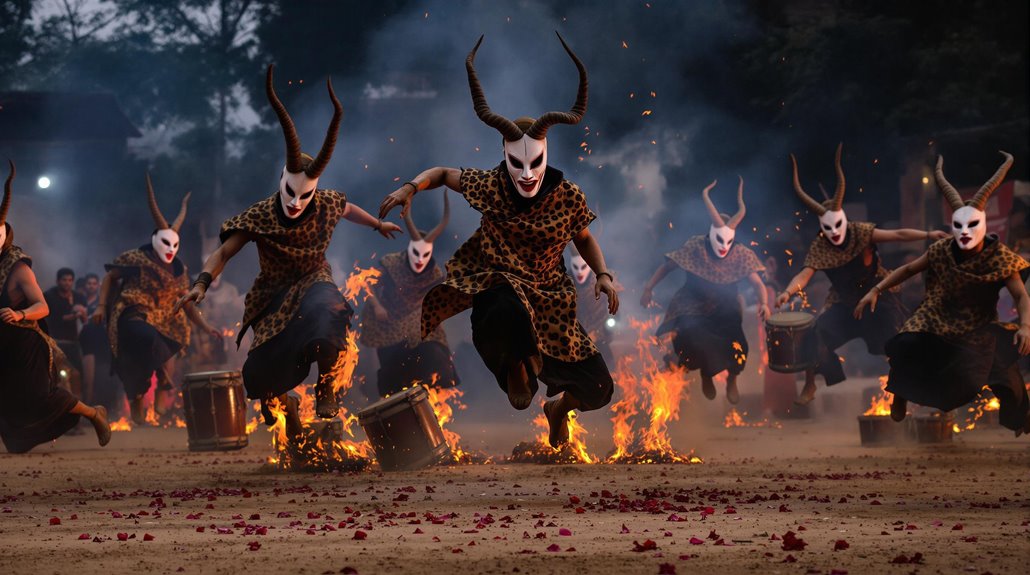
Living festivals serve as lively time capsules, allowing you to experience history through all your senses rather than just reading about it in books. Around the world, you'll uncover celebrations you've never heard of that connect modern participants to ancient traditions and beliefs.
In Peru, you can witness the magnificent Inti Raymi, a direct link to Incan civilization, while Greece's Feast of Anastenaria and Chad's Gerewol Festival showcase rituals that have remained largely unchanged for generations. These events don't just preserve history - they bring it to life through active participation.
Even seemingly playful celebrations like Australia's Picnic Day, Spain's La Tomatina, and the death-defying El Colacho carry deep historical significance beneath their festive exterior. Pagan traditions continue to thrive through events like Scotland's mysterious Burryman Procession, France's Fêtes de l'Ours, and Slovenia's Kurentovanje, each preserving pre-Christian customs that might otherwise have been lost to time.
Cultural Ceremonies That Survived
Through the centuries, extraordinary cultural ceremonies have defied both time and change, preserving their authentic character despite modernization. You'll find these remarkable traditions scattered across Europe, each telling a unique story of cultural resilience.
In northern Greece, you can witness the Feast of Anastenaria, where participants demonstrate their faith by walking barefoot across burning coals. Meanwhile, on the first Monday of August, South Queensferry's Burryman Procession showcases Scotland's oldest festival, featuring a figure completely covered in sticky burdock burrs.
- The Fêtes de l'Ours in France, where locals transform into bears using sheepskin and black paint to reenact an ancient legend
- Whalton's Harvest Home, celebrated on the last Wednesday of August, featuring the symbolic Kern Baby
- Slovenia's Kurentovanje, where fur-clad figures perform ritual dances to banish winter
- The Burryman's nine-hour odyssey through South Queensferry, sustained only by whisky sipped through a straw
These ceremonies continue to captivate both locals and visitors, serving as living bridges between our modern world and ancient traditions that refuse to fade into history.
Sacred Gathering Spaces
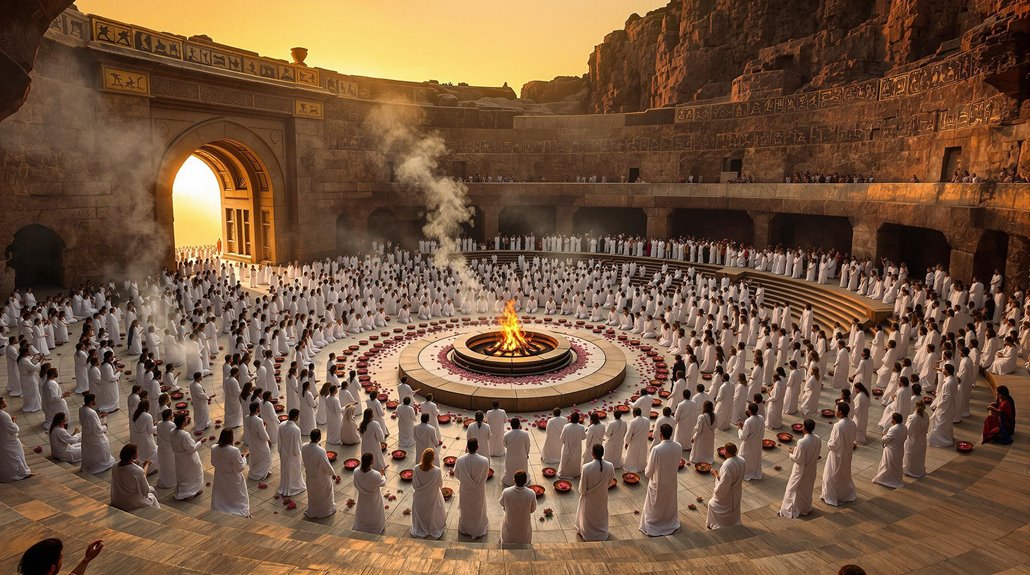
Sacred sites across the globe served as magnificent focal points where diverse civilizations plunged immersed for their most important ceremonies. At these sacred gathering spaces, you'll find evidence of humanity's deep connection to both earth and sky, with structures specifically designed for rituals, celebrations, and astronomical observations.
If you'd visited Stonehenge in ancient times, you would've witnessed gatherings of people marking important calendar dates, while at Teotihuacan in Mexico, you'd have seen throngs of worshippers congregating around the Pyramids of the Sun and Moon for religious festivals. The Uluru rock formation stands as a testament symbol to Aboriginal spirituality, where traditional dances and ceremonies continue to hold profound meaningful significance.
In North America, you can explore journey through the Great Serpent Mound, an extraordinary earthwork that ancient Native Americans used for celestial observations and sacred ceremonies. The Taos Pueblo represents an unbroken chain of cultural continuity, where you can still witness traditional Puebloan celebrations that have endured for over a millennium. These enduring spaces remind us that our ancestors carefully chose and maintained specific locations for their most significant cultural and spiritual expressions.
Related posts