
Understanding Sleep Talking: Causes, Effects, and Solutions
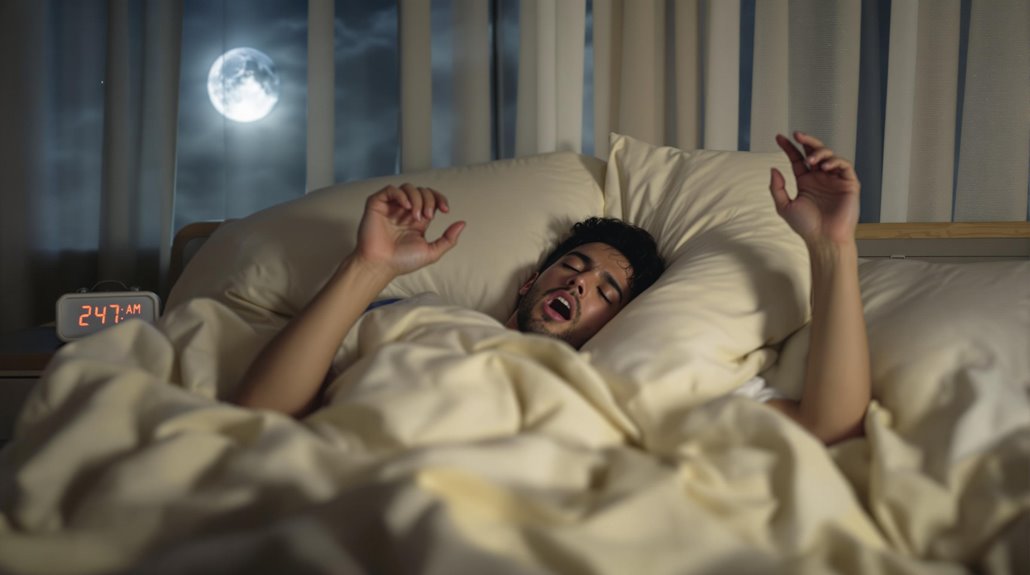
Sleep talking, or somniloquy, affects up to two-thirds of people and can range from quiet mumbling to full conversations. You won't remember these episodes, as they occur during both REM and non-REM sleep stages. Common triggers include stress, anxiety, sleep deprivation, and certain medications, while genetics and underlying sleep disorders can increase your chances of sleep talking. If you're concerned, start with good sleep hygiene practices and consider using white noise machines or earplugs to help affected bed partners. While it's usually harmless, understanding your specific triggers and working with your sleep partner can lead to more peaceful nights ahead.
What Is Sleep Talking
Humanity's peculiar habit of talking during sleep, known medically as somniloquy, affects countless individuals worldwide. You might be surprised to learn that sleep talking is one of the most common sleep disorders, with up to two-thirds of people experiencing it at some point in their lives. This parasomnia can manifest through various sleep behavior patterns, from coherent conversations to incomprehensible mumbling.
While sleep talking occurs in both REM and non-REM sleep stages, you won't remember these nocturnal conversations when you wake up. The causes of sleep talking aren't always clear, though it's particularly prevalent in children. If you're concerned about your sleep patterns, a sleep study might help determine if your sleep talking is connected to other underlying conditions that require treatment.
For most people, sleep talking doesn't require medical intervention, as it's generally harmless. However, maintaining good sleep hygiene can help reduce episodes. If your sleep talking becomes frequent or distressing, it's worth consulting a healthcare provider to rule out more serious sleep disorders or mental health conditions that might need attention.
Common Triggers and Risk Factors
While sleep talking can affect anyone, certain factors substantially increase your likelihood of experiencing this common sleep disorder. If you're dealing with underlying sleep disorders, particularly sleep apnea or REM sleep behavior disorder, you're more prone to sleep talking episodes. Your mental health plays a vital role too - heightened levels of stress and anxiety can trigger more frequent occurrences, and conditions like PTSD may intensify this tendency.
Your family history matters when it comes to sleep talking. If your parents or siblings talk in their sleep, you're more likely to do so due to genetic predisposition. This genetic link helps explain why the condition often runs in families. Additionally, your lifestyle choices and daily habits can profoundly impact your chances of sleep talking. When you're experiencing sleep deprivation, consuming alcohol, or taking certain medications, you're creating conditions that may trigger episodes. Children are particularly susceptible, with up to 50% experiencing sleep talking compared to just 5% of adults. Understanding these risk factors can help you identify and potentially modify behaviors that contribute to your sleep talking episodes.
Signs and Symptoms
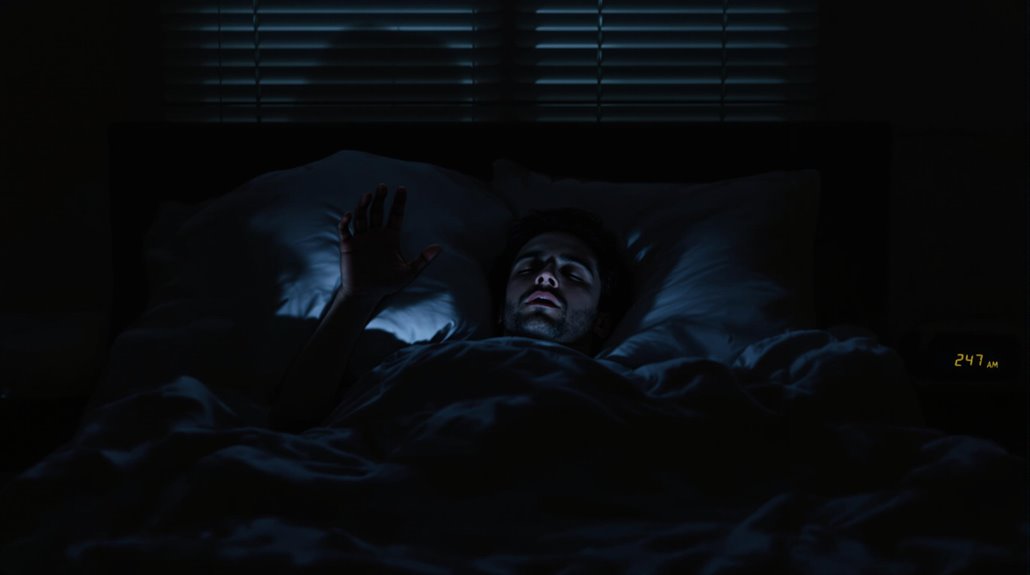
During sleep talking episodes, you might exhibit a wide array of vocal expressions, from quiet mumblings to elaborate conversations. As one of the more common parasomnias, sleep talking can manifest differently in each person, making it distinct from other sleep vocalizations like sleep apnea or sleep behavior disorder. You might find yourself engaging in what appears to be a complete dialogue, responding to imaginary conversations, or simply voicing random thoughts.
If you're experiencing sleep talking, you'll want to note that episodes typically last between a few seconds and several minutes. The content of your nighttime speech can range from harmless, everyday topics to more concerning or explicit material. To properly document your symptoms, consider keeping a sleep diary to track the frequency and nature of these episodes. Sleep specialists often recommend this approach to distinguish sleep talking from other sleep disorders and assess your overall sleep quality. While sleep talking itself isn't harmful, it can affect your bed partner's rest and might indicate poor sleep hygiene or underlying stress. Understanding these signs can help you determine when to seek professional guidance for your sleep disorder.
Health Impacts and Concerns
Beyond its seemingly benign nature, sleep talking can carry significant health implications for both you and your bed partner. While occasional episodes might seem harmless, persistent sleep talking may signal underlying sleep disorders that require attention. If you're experiencing frequent episodes, you could be dealing with conditions like sleep apnea or REM sleep behavior disorder, which can seriously impact your overall health.
The disruption caused by sleep talking doesn't just affect your sleep quality; it can lead to noticeable daytime consequences. You might find yourself struggling with daytime fatigue and diminished cognitive function, especially if your sleep talking frequently interrupts your natural sleep patterns. This becomes particularly concerning if you're dealing with psychiatric conditions like PTSD, as sleep talking tends to occur more frequently and can worsen your symptoms.
If you notice your sleep talking has become sudden or violent, don't ignore it. These changes could indicate underlying neurological conditions that need medical evaluation. While most cases of sleep talking don't require immediate medical attention, it's important to monitor how it affects your daily functioning and seek help when necessary.
Treatment Options and Solutions
Solutions for managing sleep talking range from simple lifestyle adjustments to professional interventions. While there's no specific medical cure, you can take several practical steps to reduce the frequency of sleep talking episodes and minimize their impact on both you and your bed partner.
Start by focusing on proper sleep hygiene and making lifestyle changes that promote better rest. You can help your sleeping partner by using a white noise machine to mask the sounds or suggesting they wear earplugs. In some cases, sleeping in separate rooms might be the most effective solution for ensuring everyone gets quality rest.
If you're experiencing frequent sleep talking, it's important to address any underlying causes. This may include treating existing sleep disorders or mental health conditions that could be contributing to the issue. For those dealing with stress and anxiety that trigger sleep talking, cognitive behavioral therapy can be an effective treatment option. Your therapist can help you develop coping strategies and relaxation techniques to reduce nighttime disturbances.
Remember that occasional sleep talking usually doesn't require medical intervention and often resolves naturally over time. However, if it's extensively affecting your life, don't hesitate to consult a healthcare provider.
Managing Sleep Environment
Creating an ideal sleep environment plays an essential role in reducing sleep talking episodes. You'll find that maximizing your bedroom conditions and maintaining a consistent sleep schedule can significantly improve your sleep quality and minimize disruptive nighttime vocalizations.
To create the perfect sleep environment and reduce sleep talking episodes, consider implementing these essential changes:
- Keep your bedroom cool, dark, and quiet - these conditions promote deeper, more restful sleep
- Install a white noise machine to mask sudden sounds that might trigger sleep disruptions
- Invest in a supportive mattress and comfortable pillows to prevent physical discomfort during sleep
- Establish a relaxing bedtime routine that helps signal your body it's time to wind down
- Maintain regular sleep-wake cycles by going to bed and waking up at consistent times
Your comfortable bedroom setup should prioritize minimizing external disturbances while maximizing relaxation. Remember to avoid caffeine, alcohol, and heavy meals close to bedtime, as these can interfere with your sleep quality. By following these guidelines and creating an optimal sleep environment, you'll be better positioned to reduce sleep talking episodes and enjoy more restful nights.
Supporting Sleep Partners
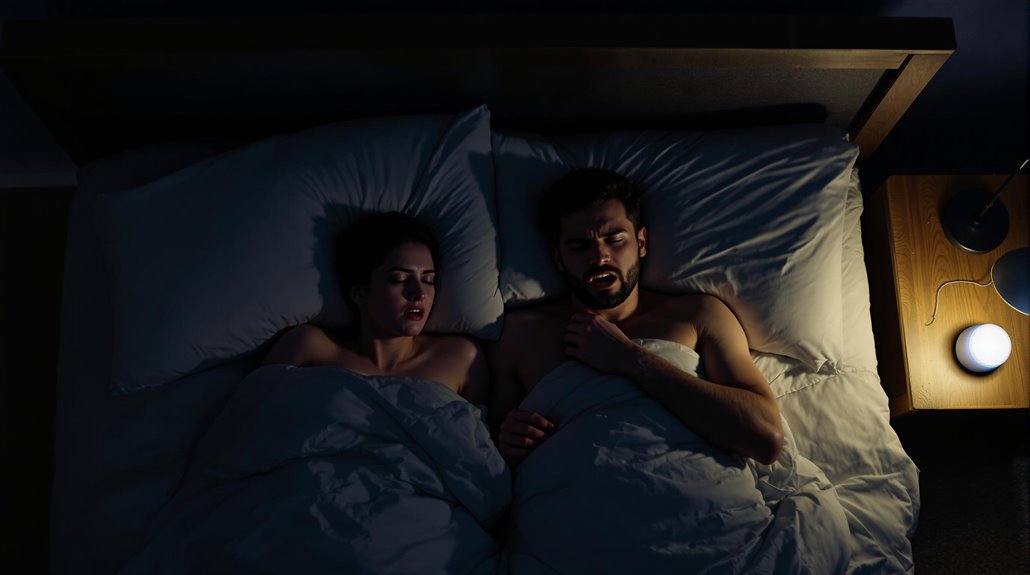
While optimizing your sleep environment can reduce sleep talking, managing its influence on your bed partner requires specific attention and care. The quality of sleep your partner gets can be dramatically affected by your sleep talking, potentially leading to lack of sleep, daytime fatigue, and irritability. It is crucial to address these concerns thoughtfully to help both of you sleep better.
If you're the bed partner of a sleep talker, you'll find several practical solutions to minimize disruption. Using earplugs or white noise machines can effectively mask the sounds of sleep talking, allowing you to maintain better sleep quality. In more severe cases, sleeping in separate rooms might be the most effective solution, though this should be discussed openly with your partner.
Remember to avoid confronting or waking your sleep-talking partner during episodes, as this can worsen the behavior. Instead, have a calm, supportive conversation during the day about the impact on your sleep and work together to find solutions. Don't hesitate to consult a sleep specialist who can provide professional guidance and additional strategies to help both partners cope with this sleep disorder.