
Understanding Sleep Apnea: Causes, Symptoms, and Treatments
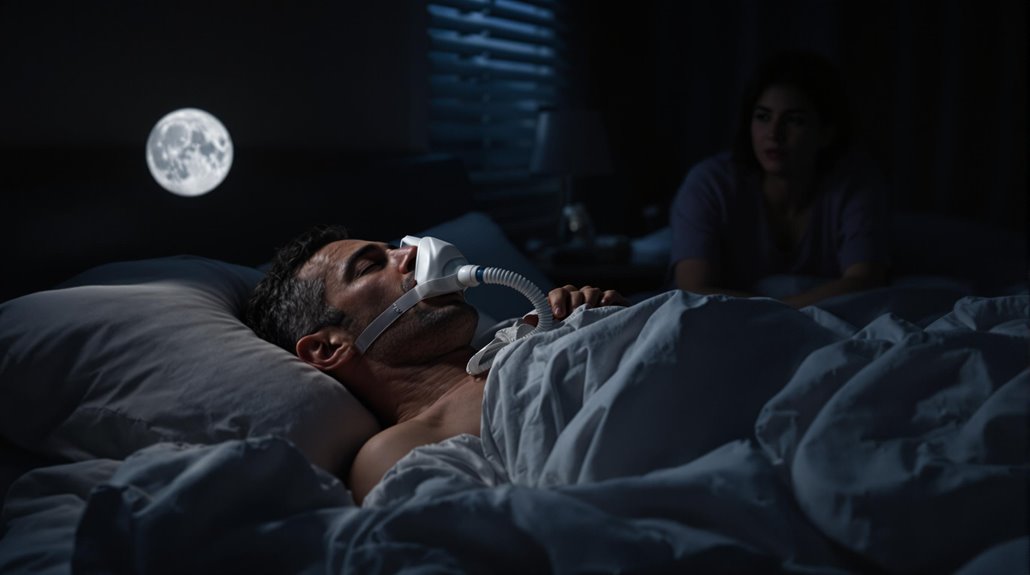
Sleep apnea occurs when you repeatedly stop breathing during sleep, with three main types: obstructive, central, and complex. You'll likely experience loud snoring, daytime fatigue, and gasping for air while sleeping. Being overweight, male, or older puts you at higher risk. Your doctor can diagnose sleep apnea through sleep studies and recommend treatments like CPAP machines, oral devices, or surgery based on severity. Left untreated, sleep apnea can lead to serious health issues including heart disease, diabetes, and liver problems. Understanding the specific causes and treatment options will help you take control of this common but serious condition.
Types of Sleep Apnea
Anyone experiencing sleep apnea should know there are three distinct types of this sleep disorder. The most common type is obstructive sleep apnea, which occurs when the muscles in your throat relax too much during sleep. When these muscles relax, including your tongue, they can block your airway and interrupt your breathing pattern.
Central sleep apnea is quite different, as it's related to how your brain communicates with your breathing muscles. In this type, your brain doesn't send the proper signals to the muscles that control your breathing, leading to irregular breathing patterns during sleep. The issue isn't with your airway being blocked, but rather with the control center in your brain that regulates breathing.
Complex sleep apnea, also known as mixed sleep apnea, combines symptoms of both obstructive and central types. If you have complex sleep apnea, you'll experience both physical airway blockages and irregular breathing patterns caused by brain signaling issues. Understanding which type you have is essential because each requires different treatment approaches. Your doctor will need to identify your specific type to create the most effective treatment plan for your symptoms.
Warning Signs and Risk Factors
Nighttime disturbances often reveal the first warning signs of sleep apnea. If you or your partner notices loud snoring, gasping sounds, or sudden breathing pauses during sleep, these could indicate sleep apnea. You might also experience persistent daytime fatigue, even after what seems like a full night's rest.
Several risk factors can increase your chances of developing obstructive sleep apnea. Your weight plays an essential role - being overweight or obese dramatically raises your risk. Age and gender also matter, as older adults and men are more likely to develop this condition. If you have family members with sleep apnea, you're at higher risk due to genetic factors.
Physical characteristics and medical conditions can make you more susceptible. A large neck circumference or abnormalities in your facial structure might contribute to airway obstruction during sleep. Underlying health conditions, particularly heart failure, can increase your risk. Additionally, lifestyle factors like alcohol consumption and using sedative medications can worsen symptoms. If you regularly experience nasal congestion, this can also compound sleep apnea symptoms by making breathing more difficult during sleep.
Diagnosing Sleep Disorders
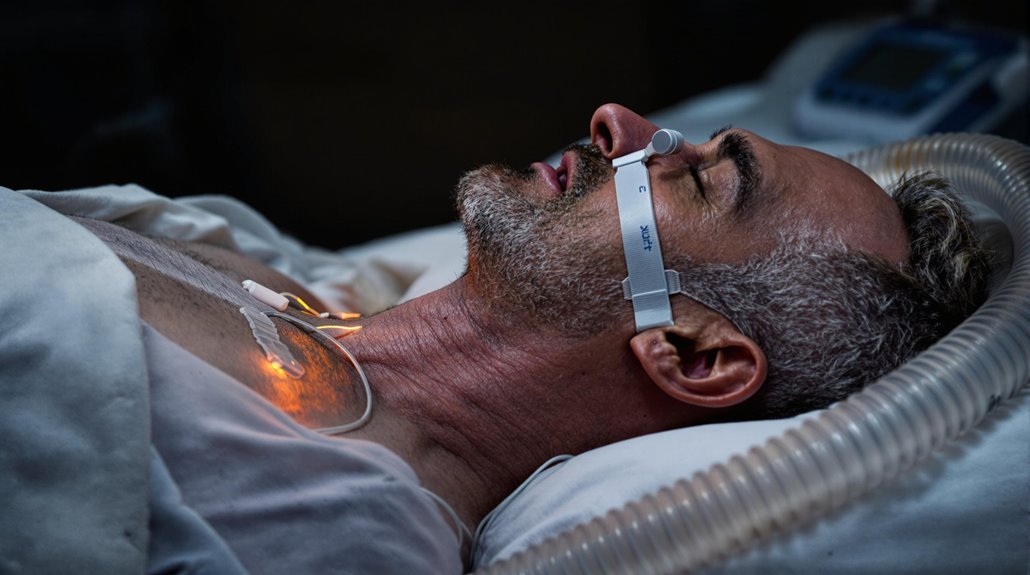
Once these warning signs and risk factors are identified, getting a proper diagnosis becomes the next important step. Your healthcare provider will typically recommend a sleep study, also known as polysomnography, which is the gold standard for diagnosing sleep apnea. During this overnight test, medical professionals will monitor your breathing patterns, oxygen levels, and other key signs while you sleep.
While laboratory sleep studies provide the most extensive data, you might qualify for a portable home sleep apnea test, which can be more convenient and comfortable. The main measurement doctors look for is your apnea-hypopnea index (AHI), which counts the number of breathing interruptions per hour. An AHI of 5-15 indicates mild sleep apnea, 15-30 suggests moderate, and over 30 signifies severe cases.
Your doctor will also review your medical history, conduct a physical exam, and evaluate your risk factors before making a final diagnosis. This thorough assessment helps determine the most effective treatment plan, which may include positive airway pressure devices, oral appliances, or other interventions. Getting an accurate diagnosis is essential for managing your condition and improving your quality of life.
Treatment Options and Management
Managing sleep apnea effectively requires a personalized treatment approach based on the severity of your condition and lifestyle factors. For moderate to severe cases, your doctor will likely recommend CPAP therapy, which uses a machine to maintain constant airway pressure while you sleep. This treatment has proven highly effective for many patients when used consistently.
If you're unable to tolerate CPAP or have mild to moderate sleep apnea, oral appliances might be a suitable alternative. These devices work by repositioning your jaw to keep your airway open during sleep. In more complex cases, surgical interventions may be necessary. Procedures like uvulopalatopharyngoplasty (UPPP) or jaw surgery can help widen your airway permanently.
Don't underestimate the impact of lifestyle modifications on your sleep apnea management. Weight loss, in particular, can considerably improve your symptoms if you're overweight. Your treatment plan should be flexible, with regular monitoring to guarantee it's working effectively. You'll need to stay in touch with your healthcare provider, who can make necessary adjustments to optimize your treatment's efficiency over time.
Long-Term Health Impacts
Left untreated, sleep apnea can greatly impact your long-term health in ways that extend far beyond poor sleep quality. Your cardiovascular system faces tremendous risks, as sleep apnea can lead to high blood pressure, heart disease, stroke, and irregular heartbeats. If you're living with untreated sleep apnea, you're also at a higher risk of developing heart failure over time.
The effects of sleep apnea aren't limited to your heart health. You'll face an increased risk of developing type 2 diabetes due to insulin resistance, and you're more likely to develop metabolic syndrome, which further compounds your risk of heart disease. Your liver health may also suffer, as sleep apnea can contribute to the development of fatty liver disease and affect your liver function tests.
Daily life becomes increasingly challenging when you're dealing with untreated sleep apnea. The constant interruptions in your breathing during sleep lead to daytime fatigue, making you more prone to accidents and errors at work. You might find yourself struggling with irritability and drowsiness, which can profoundly impact your quality of life and professional performance.