
Understanding Good Sleep Habits for Adults: A Complete Guide

Good sleep habits start with understanding your body's natural circadian rhythm. You'll need to establish a consistent sleep schedule, aiming for 7-9 hours each night, even on weekends. Create an ideal bedroom environment by keeping it cool (60-67°F), dark, and quiet. Limit your exposure to blue light from devices before bedtime, and be mindful of caffeine and alcohol consumption, as they can disrupt your sleep quality. Regular exercise during daylight hours helps regulate your sleep cycle, but avoid intense workouts close to bedtime. The path to better sleep reveals many more essential strategies for ideal rest.
The Science Behind Sleep Quality
The complex interplay between your body's internal clock and external environment determines how well you sleep each night. Your circadian rhythm orchestrates this delicate balance, responding to natural light patterns and other environmental cues to regulate your sleep-wake cycle.
Your sleep quality depends heavily on cycling through different sleep stages, particularly REM sleep, which helps process emotions and consolidate memories. When you maintain consistent bedroom habits and bedtime routines, you're more likely to achieve the recommended 7-9 hours of restorative sleep that adults need.
Modern lifestyle factors can profoundly disrupt your sleep patterns. The blue light emitted from smartphones, tablets, and computers interferes with your body's melatonin production, making it harder to fall asleep naturally. Additionally, factors like stress, age, and medical conditions can impact how well you rest each night.
To optimize your sleep quality, it is crucial to understand how these elements work together. Your lifestyle choices, from when you exercise to what you eat before bed, directly affect your sleep architecture. By recognizing these scientific principles, you can make informed decisions about your sleep habits and create an environment that promotes better rest.
Creating Your Sleep Schedule
Setting up a reliable sleep schedule marks the foundation of healthy rest habits. To help you fall asleep better and maintain ideal health, you'll need to make consistent choices about when you use your bed. Aim to get no more than 8 hours of sleep each night, as oversleeping can be just as detrimental as not getting enough rest.
Set your bedtime and wake-up time for the same hours every day, including weekends. If you can't fall asleep within 20 minutes, leave your bed and do something relaxing until you feel sleepy. Avoid Caffeine and other stimulants that might interfere with your sleep schedule. Skip daytime naps, or limit them to 20 minutes maximum to protect nighttime rest. Maintain your schedule consistently, even if it means adjusting your sleep duration initially.
Remember that your body responds best to routine. When you stick to these guidelines, you're training your internal clock to recognize when it's time to rest. This consistency will help regulate your circadian rhythm and make it easier to fall asleep naturally at your designated bedtime.
Optimizing Your Bedroom Environment

Creating an ideal bedroom environment plays a critical role in quality sleep. Your daily habits and environment can greatly impact how well you rest each night. To enhance your sleep health, start by keeping your bedroom as dark as possible by installing blackout curtains and eliminating sources of bright lights, including LED displays from electronics.
Temperature matters too - keep your room between 60-67°F (15-19°C) for prime comfort. You'll want to turn off all screens at least an hour before bedtime, as blue light can disrupt your natural sleep-wake cycle. Consider using a white noise machine to mask disruptive sounds from outside or other parts of your home.
Your mattress, pillows, and bedding should support good sleep habits by providing comfort and proper alignment. Replace these items when they show signs of wear or every few years. Keep your bedroom clean and clutter-free, as a tidy space can help reduce anxiety and promote relaxation. Pay attention to air quality by ensuring proper ventilation and using an air purifier if needed. These environmental adjustments can help create the perfect sanctuary for restorative sleep.
Managing Caffeine and Alcohol
Mindful consumption of stimulants and depressants directly influences your sleep quality. While caffeine intake can help you stay alert during the day, it can significantly disrupt sleep if consumed too late. Similarly, while alcohol might make you feel drowsy initially, it can severely affect sleep quality and fragment your rest throughout the night.
To optimize your sleep patterns and improve sleep duration, consider these essential guidelines:
- Monitor your personal sensitivity to caffeine and alcohol, as everyone responds differently to these substances
- Limit caffeine consumption, especially after lunch, to prevent it from interfering with your nighttime rest
- Avoid alcohol close to bedtime, as it can lead to poor sleep quality and interrupted sleep cycles
- Track how different amounts and timing of these substances affect your individual sleep habits
- Gradually reduce your intake of both substances if you notice they're negatively impacting your rest
Understanding how caffeine and alcohol influence your sleep is pivotal for developing healthy sleep habits. By making informed decisions about when and how much you consume, you'll be better positioned to achieve consistent, quality rest each night.
Exercise and Sleep Connection
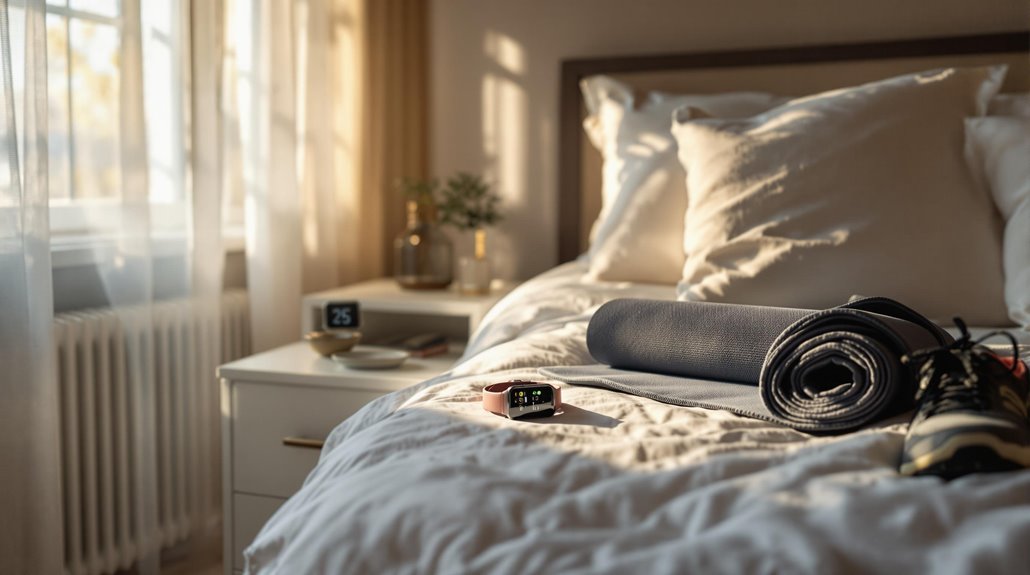
Physical activity plays a powerful role in how well you sleep each night. When you make exercise part of your daily routine, you're setting yourself up for healthy sleep patterns and improved sleep quality. Regular aerobic activities, like walking, swimming, or cycling during daylight hours, can help you fall asleep faster and enjoy deeper, more restorative rest.
To get a good night's sleep, you'll want to time your workouts strategically. While daytime exercise promotes good sleep hygiene, intense workouts close to when you go to bed can interfere with feeling sleepy. Instead, if you're exercising in the evening, opt for gentle activities like stretching or yoga, which can help you wind down and prepare for sleep later.
Getting better sleep isn't just about the exercise itself - it's also about exposure to natural light while you're active. When you exercise outdoors during the day, you're helping regulate your body's internal clock, making it easier to maintain consistent sleep patterns. Remember to balance your workout intensity and timing to improve sleep quality, and you'll find yourself enjoying more consistent, restorative rest each night.
Stress Management Before Bed
Managing stress before bedtime can make the difference between a restful night's sleep and hours of tossing and turning. When you're trying to fall asleep at night, a racing mind can prevent you from getting the rest you need. That's why it's essential to develop effective stress management techniques before going to bed.
To make it easy to sleep, engage in relaxing activities 1-2 hours before bedtime. You can try meditation, gentle stretching, or deep breathing exercises to calm your mind and body. Write down thoughts and worries earlier in the evening, so they don't keep you awake when you're trying to rest.
Here's how you can effectively manage stress before bed:
- Practice mindfulness techniques like progressive muscle relaxation
- Take a warm bath or shower to help your body wind down
- Listen to calming music or nature sounds
- Read a light book instead of looking at screens
- Create a to-do list for tomorrow to clear your mind
Remember to avoid stimulating activities close to bedtime, such as intense exercise or work-related tasks, as they can increase stress levels and make it harder to toss and turn less during the night.
Daytime Habits for Better Sleep

While evening routines set the stage for good sleep, your daytime choices greatly impact the quality of your rest. Your circadian rhythm, which regulates your sleep-wake cycle, responds strongly to natural daylight, so make sure you're getting enough exposure during the day. This helps your body maintain its natural sleep patterns and improves overall sleep quality.
Physical activity plays an essential role in your daytime habits, but timing matters. While regular exercise is beneficial, you'll want to avoid intense workouts close to bedtime as they can make it harder to wind down. Additionally, be mindful of your bed usage throughout the day. Only use your bed for sleep and intimacy to strengthen your brain's association between your bed and rest.
Though you might feel tempted to catch up on sleep with daytime naps, they can disrupt your sleep-wake cycle, especially if taken in the evening. Instead, focus on maintaining consistent daytime habits that support your bedtime routine. By making smart choices during the day - from light exposure to physical activity timing - you're setting yourself up for better sleep at night.
Nutrition and Sleep Health
Your food and drink choices throughout the day can make or break your sleep quality at night. If you're among poor sleepers who feel something went wrong with their sleep schedule, your diet might be the culprit. By making mindful nutrition choices every day, you'll make it easier to achieve improved sleep.
- Choose fruits and vegetables rich in sleep-promoting nutrients to naturally enhance your sleep quality
- Time your meals consistently and avoid heavy dinners within 3 hours before bedtime
- Monitor your caffeine intake throughout the day, limiting consumption to morning hours
- Stay hydrated during the day but reduce fluid intake close to bedtime
- Consider a small, sleep-friendly snack if you're hungry before bed
Following these nutritional guidelines can help prevent common sleep problems that many adults face every night. Remember that your body's response to different foods varies, so pay attention to how specific items affect your sleep patterns. If you notice certain foods or drinks disrupt your rest, adjust your diet accordingly. Maintaining a balanced diet with regular mealtimes supports your body's natural sleep-wake cycle, leading to more restful nights.
Digital Devices and Sleep

Modern digital devices have become both a blessing and a barrier to quality sleep. While they augment our daily lives, these devices emit blue light that directly interferes with your body's natural sleep-wake regulation by suppressing melatonin production, the hormone responsible for making you feel sleepy.
When you spend time on your smartphone, tablet, or computer before bedtime, you're unknowingly sabotaging your sleep quality. Screen exposure within 1-2 hours of going to bed can markedly delay when you fall asleep and reduce your overall sleep duration. This often results in increased daytime sleepiness, making it harder to function effectively the next day.
To protect your sleep, it's paramount to establish a digital-free bedtime routine. Instead of scrolling through social media or watching videos, try reading a physical book, practicing relaxation techniques, or engaging in quiet activities that don't involve screens. By implementing better sleep hygiene practices and limiting your use of digital devices before bed, you'll help your body maintain its natural sleep rhythm. Remember, the quality of your sleep directly impacts your physical and mental well-being, making it pivotal to minimize screen time as bedtime approaches.
Understanding Sleep Cycles
Beyond managing digital habits, understanding how sleep actually works can help you make better choices for rest. Your body operates on a 24-hour circadian rhythm that regulates your sleep-wake cycle. During sleep, you'll cycle through four distinct sleep stages multiple times throughout the night, with each cycle playing a pivotal role in your physical and mental health.
Your sleep cycle includes light sleep, deep sleep, and REM sleep phases, with REM sleep periods becoming longer as the night progresses. When you maintain consistent sleep schedules, you're supporting your body's natural rhythm and optimizing sleep quality.
Your brain processes and stores information more effectively during REM sleep. Your body repairs tissues and strengthens your immune system during deep sleep. Your hormones regulate properly, supporting metabolism and mood. Your mental clarity and emotional resilience improve. Your risk of developing sleep disorders decreases.
Understanding these sleep stages helps you recognize why maintaining regular sleep patterns is indispensable. When you disrupt your natural sleep-wake cycle, you're more likely to experience both immediate and long-term effects on your physical and mental well-being.
Natural Sleep Remedies

Nature's toolbox offers several effective remedies for those struggling with sleep issues. If you're looking to improve your sleep naturally, you'll find that herbal teas like chamomile and valerian can help calm your mind and prepare your body for rest. These natural alternatives work gently with your body's systems to promote relaxation without harsh side effects.
Your body's internal clock, or circadian rhythms, plays a vital role in sleep quality. You can support this natural system by getting plenty of natural light during the day and limiting your exposure to blue light from electronic devices in the evening. Additionally, melatonin supplements can help reset your sleep-wake cycle when it's off balance.
Consider incorporating magnesium supplements into your routine, as they can help manage stress and improve sleep quality if you're deficient. To maximize these natural remedies' effectiveness, establish a consistent bedtime routine that includes relaxation techniques like deep breathing or gentle yoga. By combining these natural approaches - from herbal solutions to lifestyle adjustments - you're creating an extensive strategy that supports your body's natural sleep mechanisms.
Temperature and Sleep Quality
Creating the perfect sleep environment starts with understanding the crucial role of temperature in your sleep quality. Your bedroom temperature directly impacts your sleep duration and efficiency through a natural physiological process where your body needs to lower its core temperature to initiate and maintain sleep. Research consistently shows that maintaining temperatures between 65°F and 70°F (18°C-21°C) provides excellent conditions for quality rest.
When you're exposed to warm temperatures while sleeping, you'll likely experience:
- Frequent night-time awakenings that fragment your sleep
- Increased restlessness and tossing throughout the night
- Difficulty achieving deep, restorative sleep stages
- Reduced overall sleep duration
- Compromised sleep efficiency and next-day alertness
To optimize your sleep hygiene, focus on temperature regulation in your bedroom. A cool sleeping environment helps your body's natural cooling process, making it easier to fall asleep and stay asleep throughout the night. Even minor temperature fluctuations above the recommended range can considerably impact your sleep quality. Consider using breathable bedding, appropriate sleepwear, and climate control tools to maintain these ideal conditions consistently.
Bedtime Routines That Work

A well-structured bedtime routine serves as your body's nightly compass, guiding you toward quality sleep. By establishing a consistent pre-bedtime routine, you're training your body to recognize when it's time to wind down. Start by avoiding electronic devices and intense exercise at least 1-2 hours before bed, as these activities can stimulate your mind and body, making it harder to fall asleep.
Instead, focus on relaxation techniques like taking a warm bath, reading a book, or practicing gentle stretching. You'll also want to be mindful of what you consume - limit your caffeine and alcohol consumption several hours before bedtime, as they can dramatically disrupt your sleep patterns. Create a sleep-conducive environment by keeping your bedroom cool, dark, and quiet, and invest in comfortable bedding that supports restful sleep.
Perhaps most importantly, maintain a consistent sleep-wake schedule, even on weekends. This regularity helps regulate your body's circadian rhythms, making it easier to fall asleep and wake up naturally. When you stick to these routines, you're setting yourself up for better sleep quality and improved overall well-being.