Understanding Circadian Rhythm and Your Internal Clock
Your circadian rhythm is your body's internal 24-hour clock, controlled by a tiny region in your brain called the suprachiasmatic nucleus (SCN). It governs essential functions like sleep, hormone production, body temperature, and metabolism. Light exposure plays a pivotal role, as your SCN processes these signals to maintain your daily biological schedule. When you follow natural light-dark cycles and keep consistent sleep patterns, your circadian rhythm stays balanced, promoting better sleep and overall health. However, factors like artificial light, irregular schedules, and poor lifestyle habits can throw off your internal clock. Understanding these elements will help you optimize your body's natural timing system.
What Is Circadian Rhythm
Your body operates on a natural 24-hour internal clock called the circadian rhythm, which orchestrates essential biological processes throughout the day and night. This intricate system is controlled by the suprachiasmatic nucleus, a tiny region in your brain that acts as the commander clock, coordinating various physiological functions to maintain ideal health.
Your body clock relies heavily on environmental cues, with light exposure being the most influential factor. When your eyes detect light, they send signals to the suprachiasmatic nucleus, which then adjusts your internal rhythms to match the external day-night cycle. This synchronization affects your sleep-wake cycle, hormone production, body temperature, and metabolism.
When your circadian rhythms become disrupted, you're more likely to experience sleep disorders and metabolic issues. This disruption can occur due to irregular sleep patterns, jet lag, shift work, or excessive exposure to artificial light at night. Research shows that chronic circadian rhythm disturbances can increase your disease risk, affecting both physical and mental health. To maintain healthy circadian rhythms, it is crucial to keep a consistent sleep schedule and get regular exposure to natural daylight.
The Master Clock
Deep within your brain lies the suprachiasmatic nucleus (SCN), a tiny but powerful cluster of neurons that serves as your body's commander. This principal timekeeper orchestrates your circadian system, ensuring that all your body functions operate on a synchronized 24-hour schedule. Like a skilled conductor, the SCN coordinates your biological clock by receiving light signals from your eyes and translating them into timekeeping information.
Your body's internal clock doesn't just influence when you feel sleepy or alert - it's responsible for coordinating countless biological processes. The SCN achieves this by directing the rhythmic expression of clock genes throughout your peripheral tissues. What makes this chief timekeeper truly exceptional is its ability to maintain a near-24-hour rhythm even without external time cues.
When your SCN functions properly, it keeps your circadian rhythms in perfect harmony. However, if its operation gets disrupted, you might experience sleep-wake disorders like advanced or delayed sleep phase syndrome. That's why maintaining regular exposure to natural light and consistent daily routines helps keep your circadian clock running smoothly, supporting ideal physical and mental performance.
Light and Dark Cycles

Through the daily cycle of light and dark, your body maintains its most fundamental biological rhythm. Light exposure serves as the primary environmental signal that synchronizes your body clock with the outside world. Your brain's suprachiasmatic nucleus (SCN) processes these light signals to regulate your circadian rhythms and keep your internal timing system running smoothly.
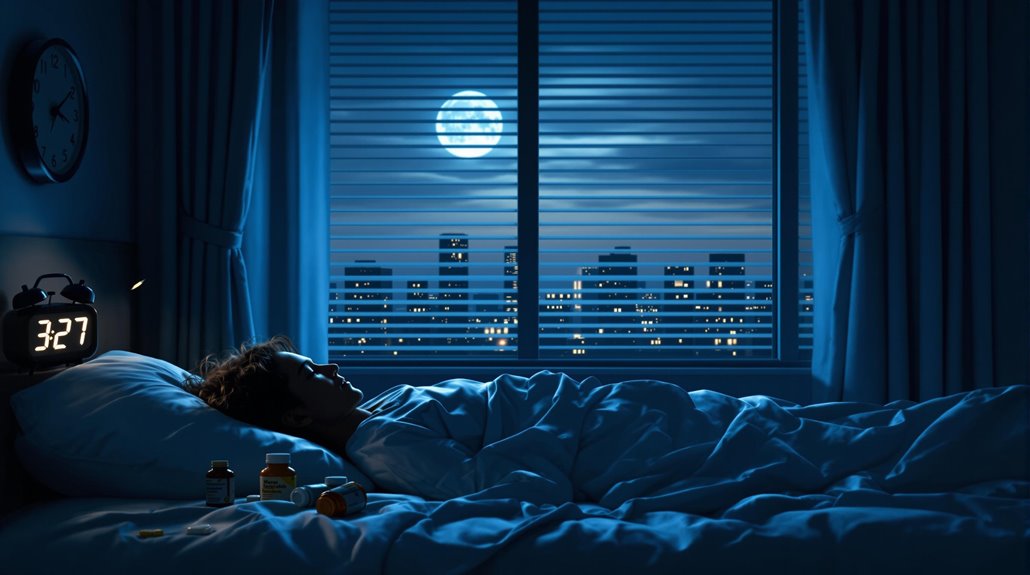
When you're exposed to natural light during the day, your circadian clocks stay properly aligned, helping you maintain a healthy sleep-wake cycle. This exposure suppresses melatonin production, keeping you alert and active. As darkness falls, your body begins producing melatonin, the sleep hormone, preparing you for rest. However, artificial light can interfere with this natural process. When you're exposed to bright lights at night, particularly from electronic devices, you're essentially telling your body clock that it's still daytime. This disrupts your natural light and darkness cycle, delaying melatonin release and potentially throwing off your sleep patterns. To keep your circadian rhythms functioning key, it's necessary to maintain consistent exposure to bright light during the day and limit artificial light exposure in the evening hours.
Sleep-Wake Patterns
The sleep-wake cycle stands as the cornerstone of human circadian rhythms, controlling your daily patterns of alertness and rest. Your internal clock regulates essential aspects of sleep, including sleep onset, sleep duration, and wake-up times, creating a natural rhythm that helps maintain your body's functions.
When you disrupt your circadian rhythms through irregular schedules or travel across time zones, you're likely to experience sleep problems. These disruptions can manifest as insomnia at night and excessive daytime sleepiness, making it difficult to maintain your regular activities and responsibilities. To protect your sleep-wake cycle, you'll need to establish and maintain a consistent sleep-wake schedule, even on weekends.
Light exposure plays a pivotal role in regulating your sleep patterns. You can strengthen your circadian rhythms by getting natural light during the day and minimizing artificial light exposure in the evening. This helps your body recognize when it's time to be alert and when it's time to rest. By aligning your daily activities with your body's natural rhythm, you'll optimize your sleep quality and overall well-being.
Hormones and Body Temperature
Many essential hormones in your body operate on precise daily schedules, working alongside fluctuating body temperature to maintain your circadian rhythm. Your internal clock orchestrates this complex dance of hormone levels throughout the day, with melatonin and cortisol playing key roles in regulating your sleep-wake schedule. When evening approaches, your melatonin production increases, making you feel sleepy, while cortisol peaks in the morning to help you feel alert and energized.
Your body temperature follows a similar pattern, naturally dropping during nighttime hours and rising as morning approaches. This temperature regulation works in harmony with your hormonal cycles to support healthy sleep patterns. To keep these systems running smoothly, you'll want to:
- Maintain consistent sleep and wake times, even on weekends
- Get regular exposure to natural light, especially in the morning
- Pay attention to your body's natural rhythms and honor them
- Avoid disrupting your internal clock with irregular schedules
- Create an environment that supports your body's temperature fluctuations
When you work with your body's natural circadian rhythms, you're supporting ideal hormone production and temperature regulation for better overall health.
Age-Related Circadian Changes
While hormones and temperature patterns remain consistent for most adults, your circadian rhythm actually shifts noticeably throughout your lifetime. Your body's internal clock undergoes significant changes from birth through your senior years, affecting how you respond to light and regulate sleep.
As a newborn, you don't have a well-established circadian rhythm, which explains irregular sleep patterns in early infancy. Your body gradually develops more structured sleep-wake cycles as you progress through childhood, with hormones like melatonin and cortisol becoming more regulated with age. When you reach your teenage years, you'll likely experience a sleep-wake phase disorder known as a sleep phase delay, making it harder to fall asleep early and wake up for morning activities.
As you enter your senior years, your circadian rhythms become less resilient. Your body's internal clock may become more sensitive to disruptions, making it harder to maintain consistent sleep patterns. This age-related change can lead to various sleep disorders and impact your overall well-being, affecting how your body responds to time cues and maintains its natural rhythm throughout the day.
Common Rhythm Disorders
Sleep disruptions can manifest in several distinct circadian rhythm disorders that affect your daily patterns in unique ways. Your body's internal clock regulates your circadian rhythms, and when these rhythms become misaligned, you may experience markedly sleep disorders that impact your daily life.
- If you have Delayed Sleep Phase Disorder, you'll find yourself naturally falling asleep and waking up much later than conventional times, making it challenging to maintain typical work or school schedules.
- With Advanced Sleep Phase Disorder, you'll experience the opposite effect - feeling sleepy very early in the evening and waking up far earlier than desired.
- Jet lag temporarily disrupts your circadian rhythm when you cross multiple time zones, causing your internal clock to become misaligned with local time.
- Shift Work Sleep Disorder affects you if you work non-traditional hours, making it difficult to maintain consistent sleep patterns and leading to chronic fatigue.
- Irregular Sleep-Wake Rhythm Disorder causes your sleep pattern to become fragmented, resulting in multiple sleep and wake periods throughout the 24-hour cycle instead of one main sleep period.
These circadian rhythm disorders can profoundly impact your quality of life, but understanding them is the first step toward effective management.
Impact of Modern Lifestyle
Living in today's fast-paced world presents unparalleled challenges to your internal clock. Your modern lifestyle, filled with artificial lighting and electronic devices, can greatly disrupt your natural circadian rhythms. When you're exposed to blue light from screens during evening hours, your body's melatonin production decreases, which throws off your sleep-wake cycle.
Your work demands might require irregular schedules, and shift work can force you to be active when your body naturally wants to rest. If you travel frequently, jet lag can further desynchronize your internal clock from local time. Combined with increased sedentary behavior and irregular eating patterns, these lifestyle factors create a perfect storm for circadian disruption.
However, you can take control of your internal clock by adjusting your daily habits. Managing light exposure throughout the day, particularly reducing blue light in the evening, helps maintain healthy sleep habits. Establishing consistent sleep and wake times, even on weekends, supports your natural rhythm. Including regular physical activity and maintaining structured meal times can also help your body stay synchronized with the 24-hour cycle, despite modern life's challenges.
Natural Reset Methods

Managing your disrupted circadian rhythm doesn't require medical intervention - nature has provided several effective reset methods. Your circadian clock responds remarkably well to environmental cues, and you can reset your internal rhythm through simple lifestyle adjustments. While a sleep specialist might help with complex cases, you'll find these natural approaches highly effective for most situations.
- Start your day with natural light exposure, ideally spending 15-30 minutes outdoors in the morning to signal your body it's time to be alert
- Maintain a consistent sleep-wake schedule every day, including weekends, to strengthen your body's natural timing
- Include regular exercise in your morning routine to enhance circadian entrainment and augment energy levels
- Create a bedtime routine that limits blue light exposure from devices at least two hours before sleep
- Consider melatonin supplements for temporary schedule adjustments, like jet lag, under proper guidance
These reset methods work by aligning your body with natural environmental cues. You'll find that light therapy can be particularly effective during darker winter months when natural light is limited. By implementing these strategies consistently, you're supporting your body's natural timing mechanisms and promoting better sleep-wake cycles.
Dietary Effects on Rhythm
Your dietary choices and meal timing consistently influence your internal clock, working alongside light exposure to regulate your circadian rhythm. When you eat earlier in the day, you're helping to advance your body clock, while consuming high-calorie, high-fat meals late at night can delay your natural rhythms and disrupt your sleep-wake cycle.
Your gut microbiome plays an essential role in maintaining healthy circadian rhythms. The beneficial bacteria in your digestive system follow their own 24-hour patterns, which in turn affect your body's internal timing. You can support these natural rhythms by incorporating foods rich in melatonin and tryptophan, nutrients that help regulate your sleep-wake cycle and maintain consistent circadian patterns.
Intermittent fasting has emerged as a powerful tool for synchronizing your peripheral circadian clocks. By limiting your eating window, you're helping to strengthen the natural rhythm of various organs and tissues throughout your body. To optimize your circadian rhythm through diet, you'll want to focus on earlier meal timing, avoid heavy meals before bedtime, and consider implementing structured eating patterns that align with your body's natural clock.
Exercise and Circadian Health

Physical activity's impact on circadian rhythms extends far beyond simple fitness benefits. When you exercise regularly, you're actively influencing your body's internal clock, helping to regulate your sleep-wake rhythm and various other bodily processes. Your timing of physical activity matters considerably - morning workouts can help advance your internal clock, while evening sessions might delay it.
Regular exercise enhances your sleep quality by increasing melatonin production and strengthening your circadian rhythms. To maximize these benefits, you'll want to maintain a consistent routine that aligns with your daily schedule and natural light exposure patterns.
- Morning exercise can jumpstart your internal clock and heighten alertness throughout the day
- Aerobic activities are particularly effective at promoting melatonin production
- Evening workouts may delay your sleep timing, so plan accordingly
- Regular physical activity helps stabilize your 24-hour bodily processes
- Consistency in exercise timing reinforces healthy sleep-wake patterns
Signs of Disrupted Rhythm
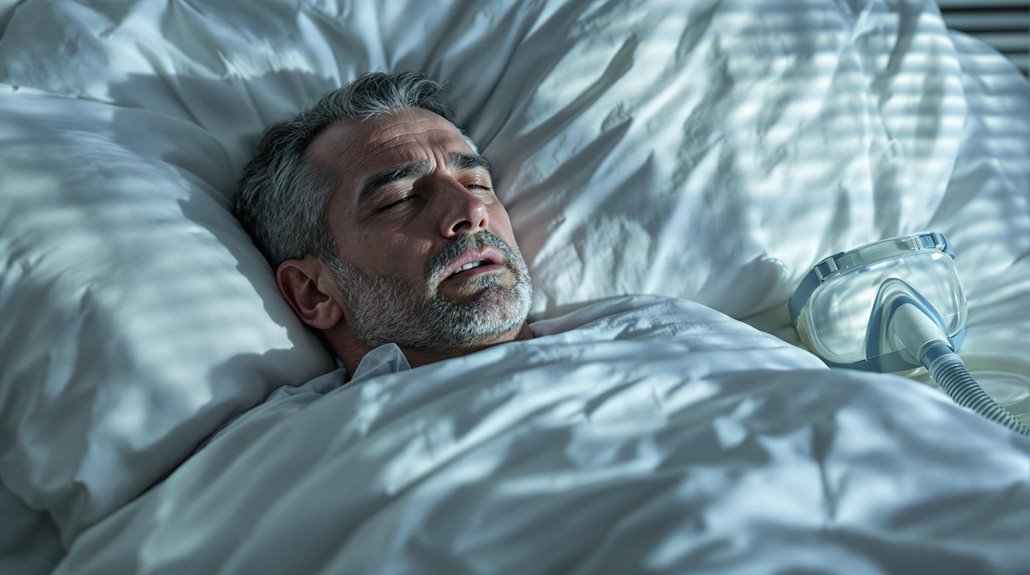
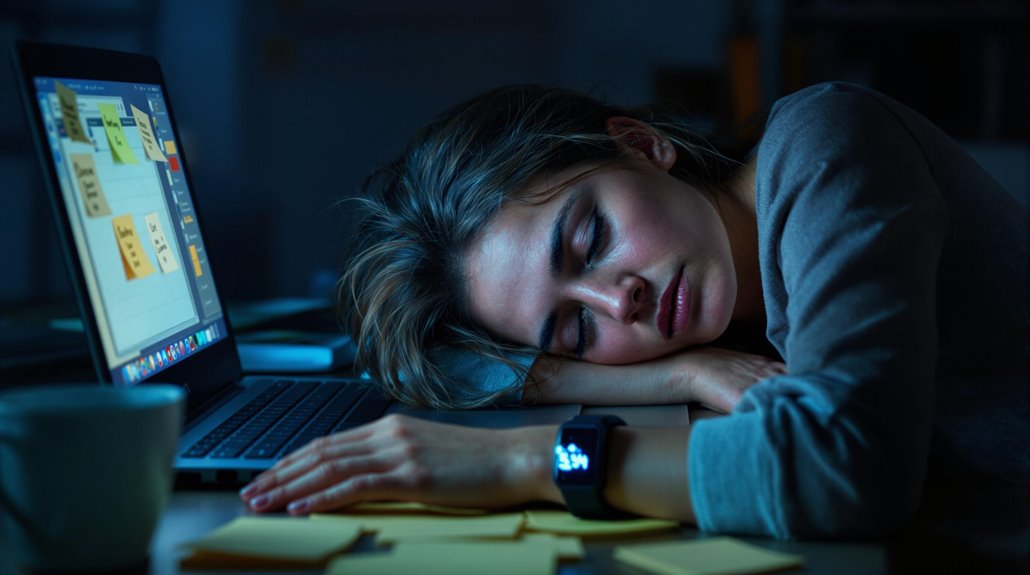
Throughout daily life, recognizing signs of disrupted circadian rhythm can help you identify and address potential health issues early. If you're experiencing insomnia at night followed by excessive daytime sleepiness, these symptoms may indicate your body's natural sleep-wake cycle is off balance. You might also notice difficulty concentrating, mood changes, and a general feeling of being out of sync with regular daily routines.
Your disrupted circadian rhythm can manifest through irregular sleep patterns, particularly if you're working night shifts or frequently crossing time zones. Watch for signs like struggling to fall asleep at your usual bedtime or feeling exhausted during periods when you should be alert. Physical and mental health symptoms may include increased appetite at unusual hours, digestive issues, and reduced cognitive performance.
Pay attention if you're having trouble maintaining consistent sleep schedules despite following good sleep hygiene practices. When your internal clock doesn't align with environmental cues like natural daylight, you might experience persistent fatigue, irritability, and decreased productivity. These signs often indicate it's time to reassess your daily routines and seek ways to realign your circadian rhythms.