Treatment Options for Sleep Apnea: What You Need to Know
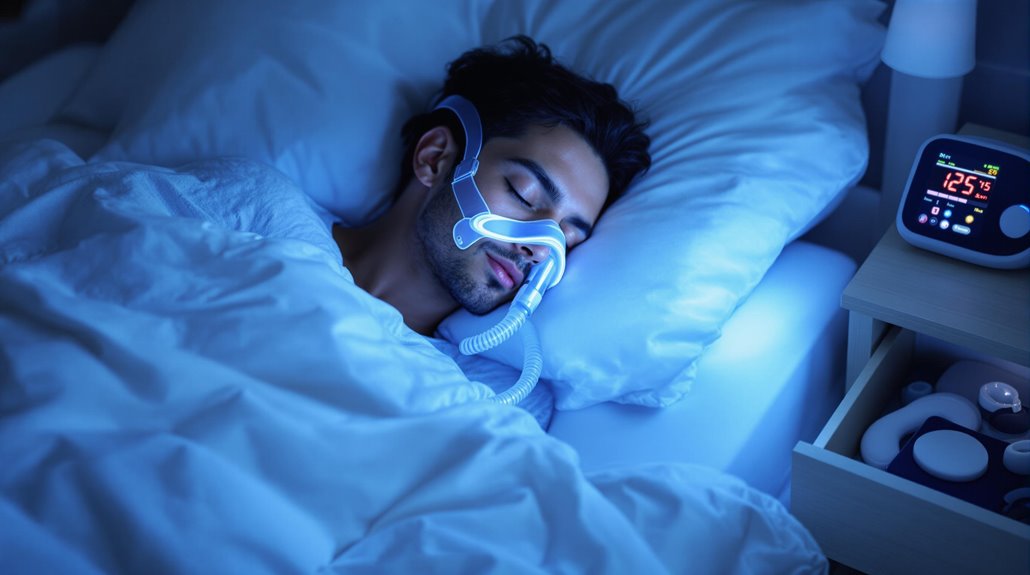
Your sleep apnea treatment options range from CPAP machines to custom oral devices, each customized to your specific needs. CPAP therapy, the most effective choice for moderate to severe cases, delivers constant air pressure to keep your airway open while you sleep. If you can't tolerate CPAP, alternatives like BiPAP and APAP machines offer adjustable pressure levels for better comfort. Custom-fitted oral appliances from your dentist can help with mild to moderate cases by repositioning your jaw. A sleep specialist can determine which treatment will work best for you through diagnostic testing and evaluation. Exploring these options can lead you toward peaceful, restorative sleep.
Understanding Sleep Apnea Types
While many people experience occasional sleep disruptions, sleep apnea represents a serious medical condition that comes in three distinct forms. The most prevalent type, obstructive sleep apnea, occurs when your throat muscles relax during sleep, causing your airway to become blocked and interrupting your normal breathing pattern.
Central sleep apnea differs from the obstructive form because it's related to how your brain functions during sleep. In this case, your brain doesn't send proper signals to the muscles that control breathing, leading to irregular breathing patterns. The third type, mixed sleep apnea, combines both obstructive and central sleep apnea characteristics, making it particularly complex to address.
Your risk factors for developing sleep apnea include being overweight, male, or older, and having certain medical conditions like heart disease. Doctors measure the severity of your sleep apnea using the apnea-hypopnea index (AHI), which calculates how many times your breathing stops or becomes shallow per hour while you're sleeping. Understanding which type of sleep apnea you have is essential because each form may require different treatment approaches.
Diagnostic Testing Methods
The trek to diagnosing sleep apnea typically begins with a thorough evaluation of your symptoms and sleep history by your healthcare provider. During this initial assessment, you'll discuss your sleeping patterns, daytime fatigue, and any breathing difficulties you've noticed.
If your doctor suspects sleep apnea, they'll likely refer you to a sleep disorder center for specialized testing. You might undergo polysomnography, a comprehensive overnight sleep study that monitors your breathing patterns, heart rate, and other key functions while you're sleeping. This detailed assessment helps specialists understand how your airway responds during rest and whether you experience breathing interruptions.
In some cases, you may qualify for home sleep tests, which are more convenient but less extensive than laboratory studies. These tests focus on measuring your heart rate, oxygen levels, and airflow through nasal passages. While they can effectively diagnose straightforward cases of sleep apnea, complex situations might require additional evaluation. Your doctor may recommend consultation with an ENT specialist to examine your upper airway or a cardiologist to assess related heart conditions before finalizing your treatment plan, which often includes CPAP therapy or other interventions.
CPAP Therapy Basics
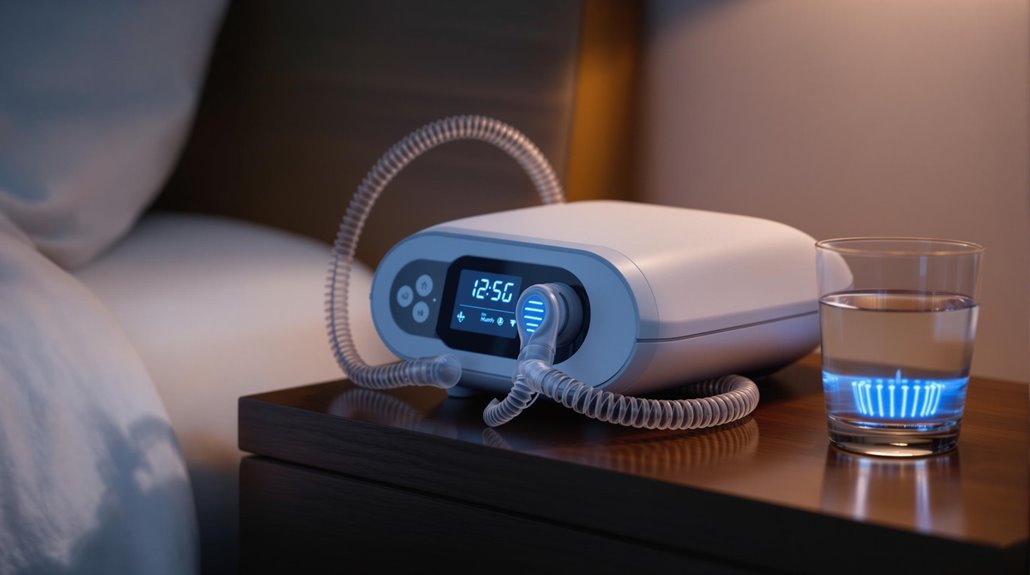
Continuous Positive Airway Pressure (CPAP) therapy stands as the most effective treatment option for moderate to severe sleep apnea. When you use a CPAP machine, it delivers a steady stream of positive airway pressure through a mask that you wear while sleeping. This constant air pressure keeps your air passage open throughout the night, preventing the collapse that disrupts your normal breathing pattern.
The effectiveness of CPAP therapy in managing Obstructive sleep apnea is well-documented. You'll likely notice immediate improvements in your sleep quality, reduced snoring, and fewer complications associated with sleep apnea. Your CPAP machine maintains a predetermined ideal air pressure level that's specifically calibrated to your needs.
While CPAP therapy offers effective management of sleep apnea symptoms, you'll need to commit to regular use for favorable results. Some users initially find it challenging to adjust to the constant air pressure from their device. Success with CPAP therapy largely depends on proper mask fitting and consistent use. If you're struggling with comfort, don't hesitate to work with your healthcare provider to adjust your settings or try different mask styles.
BiPAP and APAP Alternatives
Beyond standard CPAP therapy, BiPAP and APAP devices offer advanced solutions for sleep apnea treatment. If you're finding it challenging to use traditional CPAP, these alternatives might better suit your needs. Bilevel positive airway pressure (BiPAP) provides two distinct pressure levels - one for inhaling and another for exhaling. This feature makes it particularly beneficial if you're experiencing difficulty exhaling against constant pressure or have specific respiratory conditions.
Auto-adjusting positive airway pressure (APAP) machines take a different approach by automatically adjusting the pressure based on your breathing patterns throughout the night. Unlike standard CPAP, which delivers the same pressure continuously, APAP machines respond to your changing needs as you sleep. This fluctuating adjustment often makes APAP more comfortable for many users, as you'll receive only the pressure required at any given moment.
Both options have proven effective in treating obstructive sleep apnea, but they serve different purposes. While BiPAP helps those who struggle with constant pressure, APAP provides a more personalized experience by continuously monitoring and adjusting to your breathing patterns. Your healthcare provider can help determine which option best matches your specific requirements.
Custom Oral Appliance Solutions
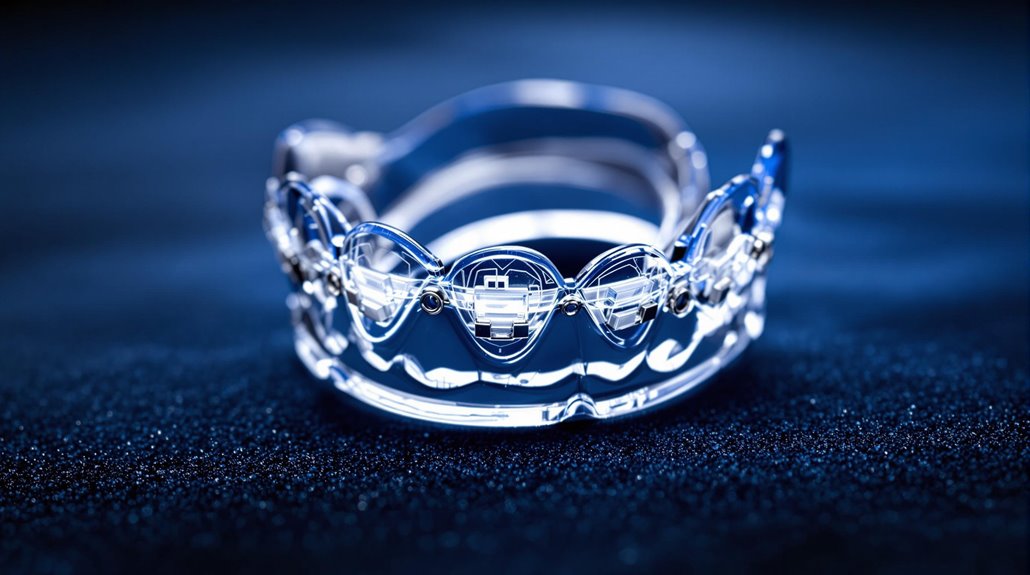
Custom-fitted oral appliances present a viable alternative for those struggling with CPAP therapy, particularly if you have mild to moderate sleep apnea. While these devices are generally less effective than continuous positive airway pressure (CPAP), they offer a more comfortable and convenient solution for treating sleep apnea.
The most common type you'll encounter are mandibular advancement devices, which your dentist will custom-fit to your mouth. These work by positioning your lower jaw forward, preventing your tongue and soft tissues from blocking your airway during sleep. Studies have shown they can reduce your apnea-hypopnea index by 50% or more, making them an effective option if you can't tolerate CPAP therapy.
You'll need to maintain regular dental check-ups to guarantee your oral appliance continues fitting properly and effectively manages your symptoms. Your dentist will monitor how well the device is working and make any necessary adjustments over time. While oral appliances may not replace CPAP therapy as the gold standard for severe cases, they've proven to be a reliable alternative for many patients seeking a more manageable approach to their sleep apnea treatment.
Surgical Treatment Options
For patients who don't respond well to oral appliances or CPAP therapy, surgical interventions offer a more permanent solution to sleep apnea. If you're suffering from severe obstructive sleep apnea and haven't found success with non-invasive treatments, your doctor might recommend exploring surgical options to address the underlying anatomical issues causing your airway obstruction.
Modern surgical techniques provide several approaches to treating sleep apnea:
- Uvulopalatopharyngoplasty (UPPP) - removes excess tissue from your throat to create more space and reduce obstruction during sleep
- Maxillomandibular advancement (MMA) surgery - repositions your jaw forward to prevent your tongue and soft tissues from blocking your airway
- Hypoglossal nerve stimulation devices - works like a pacemaker for your tongue, monitoring your breathing patterns and stimulating your tongue to maintain airway openness
- Nasal surgeries like septoplasty - corrects structural problems in your nose to improve overall airflow
These procedures can considerably improve your sleep quality and reduce apnea episodes. However, they're typically reserved for cases of severe sleep apnea where other treatments haven't been effective. Your sleep specialist will carefully evaluate your condition to determine which surgical approach might work best for your specific situation.
Lifestyle Changes That Work
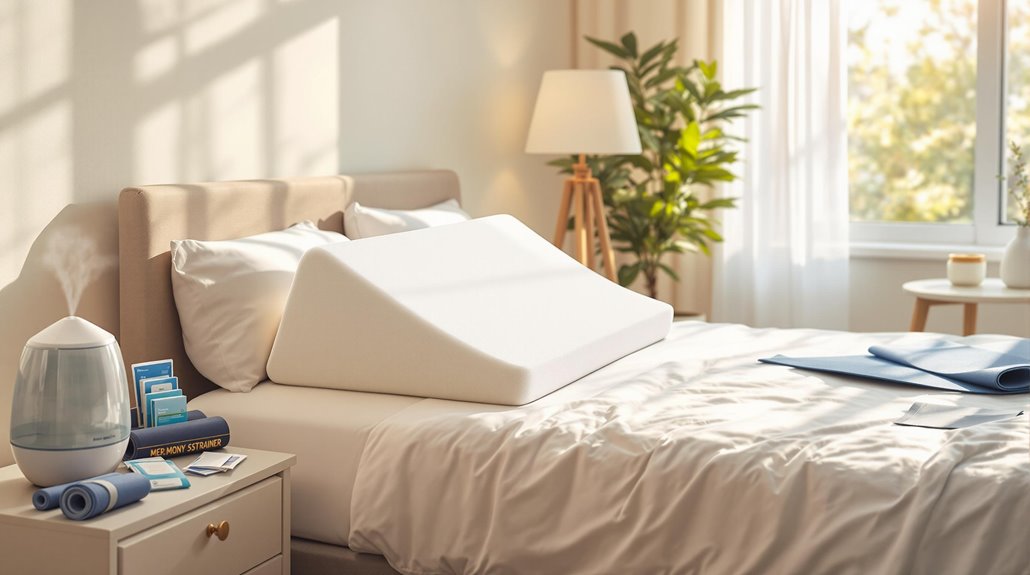
Simple lifestyle modifications can make a dramatic difference in managing sleep apnea symptoms. If you're overweight or obese, losing just 10% of your body weight can dramatically reduce the number of breathing interruptions you experience during sleep. Weight loss remains one of the most effective natural remedies for sleep apnea management.
You'll also want to adjust your sleeping position. Side sleeping prevents your tongue and soft tissue from blocking your airway, unlike sleeping on your back. Additionally, you should avoid alcohol and sedatives before bedtime, as these substances relax your throat muscles and can worsen airway obstruction.
If you're a smoker, quitting smoking is essential. Tobacco use irritates your respiratory system and can increase both the risk and severity of sleep apnea symptoms. Don't underestimate the power of regular exercise, either. Even without considerable weight loss, maintaining an exercise routine can help ease your sleep apnea symptoms. Whether it's walking, swimming, or cycling, finding an activity you enjoy and sticking to it can lead to noticeable improvements in your sleep quality and overall health.
Weight Management Strategies
When tackling sleep apnea through weight management, a structured approach yields the best results. If you're carrying excess weight, losing just 10-15% of your body weight can dramatically improve your sleep apnea symptoms or even resolve the condition entirely. Weight management isn't just about quick fixes; it's about making sustainable lifestyle changes that you'll maintain long-term to prevent weight regain and the return of sleep apnea symptoms.
Your healthcare provider can help you develop a comprehensive weight management plan that includes these essential components:
- Reduced calorie intake through a balanced, nutritious diet personalized to your specific needs
- Regular exercise routine combining cardio and strength training activities
- Behavioral therapy sessions to address emotional eating and develop healthy habits
- Regular monitoring and adjustment of your weight loss strategy
For those with severe obesity who struggle with conventional weight loss methods, bariatric surgery might be an option to ponder. Whatever approach you choose, remember that preserving your weight loss is pivotal for long-term sleep apnea management. Your healthcare provider should regularly assess your progress and adjust your treatment plan as needed to ensure lasting success.
Sleep Position Techniques
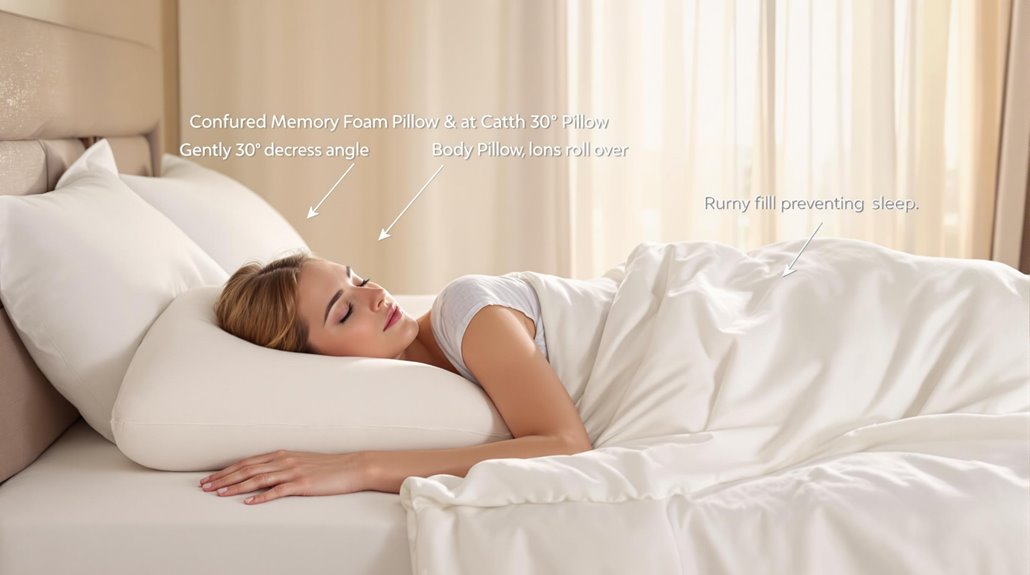
Sleep position adjustments represent one of the most straightforward yet effective ways to manage sleep apnea symptoms. When you sleep on your back, soft tissue can obstruct your airway, making it harder to breathe. By switching to side sleeping, you'll help keep your air passages open and reduce the frequency of apnea events.
To maintain proper sleep position throughout the night, you can try several practical techniques. A simple but effective method is sewing a tennis ball into the back of your sleepwear, which will discourage you from rolling onto your back. Using a body pillow can also help keep you positioned on your side during sleep. Another helpful strategy is raising your bed's head by 4-6 inches, which helps prevent airway obstruction.
If you're looking for sleep apnea treatment options beyond continuous positive airway pressure (CPAP), positional therapy might be worth considering. This approach focuses on training your body to maintain side sleeping positions and can work either as an alternative to CPAP or in combination with it. By consistently practicing these position techniques, you can vastly improve your breathing during sleep.
At-Home Sleep Testing
While position adjustments can help reduce sleep apnea symptoms, getting an accurate diagnosis is the first step in determining the most effective treatment plan. A home sleep test offers a convenient and reliable way to diagnose sleep apnea without visiting a sleep clinic. At-home testing has proven to be 98% as effective as traditional polysomnography, making it an excellent alternative for most patients.
During your at-home test, you'll wear small sensors that monitor:
- Your breathing patterns and airflow throughout the night
- Blood oxygen levels to detect any dangerous drops
- Heart rate variations that might indicate sleep disturbances
- Body position and movement during sleep
The data collected from these measurements helps your healthcare provider determine if you have sleep apnea and its severity. Based on your results, they'll recommend appropriate treatment options, which may include CPAP therapy or oral appliances. If you're experiencing sleep apnea symptoms but find it challenging to visit a sleep lab, at-home testing provides an accessible solution. You'll get accurate results while sleeping in your own bed, making the diagnostic process more comfortable and natural than spending the night in a lab setting.
EPAP Device Benefits
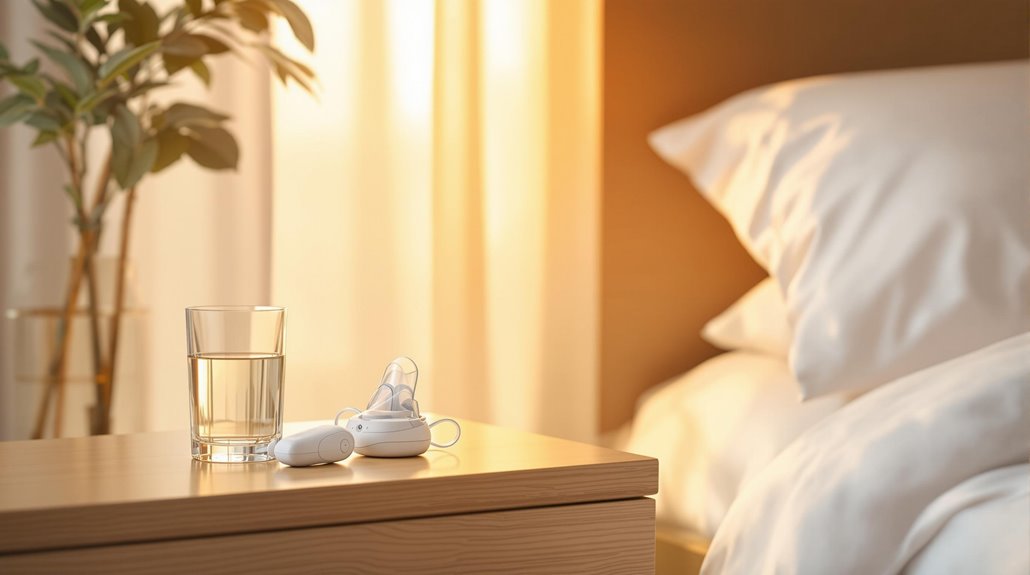
For those seeking a simpler alternative to CPAP machines, Expiratory Positive Airway Pressure (EPAP) devices offer significant benefits in treating sleep apnea. These innovative devices use small valves that fit directly into your nostrils, creating resistance during exhalation to keep your airway open and functioning properly.
You'll find EPAP devices particularly appealing if you've struggled with CPAP therapy adherence. Research shows they're an effective alternative, reducing Obstructive Sleep Apnea symptoms by 53% on average. The simplicity of EPAP devices makes them more convenient than traditional CPAP machines, as they don't require electricity, masks, or complex equipment maintenance.
Another major advantage is accessibility. You can purchase EPAP devices over-the-counter without a prescription, making them more accessible than CPAP machines. This means you won't need to traverse complex medical insurance requirements or wait for doctor appointments to start treatment. If you've found CPAP therapy challenging to maintain or uncomfortable to use, an EPAP device might be the solution you're looking for. The combination of effectiveness, convenience, and accessibility makes EPAP devices an attractive option for many sleep apnea sufferers.
Nerve Stimulation Therapy
Beyond EPAP devices, medical science has developed an innovative solution called hypoglossal nerve stimulation therapy for those with moderate to severe sleep apnea. This upper airway stimulation treatment offers hope if you've struggled with your airway pressure (CPAP) machine or found other treatments for sleep apnea ineffective. The system works by monitoring when your breathing stops and stimulating the nerve that controls your tongue, moving it forward to prevent airway collapse.
Key aspects of hypoglossal nerve stimulation treatment for obstructive sleep include:
- A minimally invasive surgical procedure under general anesthesia to implant the device that connects to your hypoglossal nerve
- A patient-controlled remote that lets you activate the therapy before sleep and deactivate it upon waking
- Continuous monitoring of your breathing patterns throughout the night to deliver precise stimulation when needed
- Proven effectiveness in reducing sleep apnea events and improving overall sleep quality
You'll need to consult with your healthcare provider to determine if nerve stimulation therapy is right for you, as it's specifically designed for patients with moderate to severe sleep apnea who haven't succeeded with conventional treatments.
Alternative Treatment Approaches
Sleep apnea sufferers have several alternative treatment options beyond traditional CPAP therapy. While continuous airway pressure (PAP) devices remain the gold standard, you might find success with less invasive approaches that help keep your airways open during sleep.
Oral appliances that move your jaw forward can effectively treat mild to moderate sleep apnea. These devices can help maintain proper airflow without the need for an airway pressure device. Positional therapy offers another simple solution - by sleeping on your side, you'll reduce the likelihood of airway collapse that often occurs when lying on your back. Experts recommend using positioning aids to help maintain proper sleep posture throughout the night.
For temporary relief, you can try nasal decongestants or breathing strips to improve airflow through your nasal passages. Upper airway stimulation devices that target tongue muscles are showing promising results for people who can't tolerate PAP therapy. If these conservative approaches don't provide adequate relief, your primary care provider might suggest surgical options like uvulopalatopharyngoplasty, though this is typically reserved for cases where other treatments have failed to keep the airway open.