
Top Tips for Getting Over Jet Lag Quickly and Effectively

To beat jet lag quickly, start adjusting your sleep schedule 2-3 days before your trip by gradually shifting bedtimes to match your destination's time zone. During travel, stay hydrated and take regular walking breaks to maintain circulation. Once you arrive, expose yourself to natural light at strategic times - morning light when traveling east, evening light when heading west. Keep meals light and aligned with local meal times, and avoid heavy exercise that could drain your energy. These fundamental strategies will help reset your body clock, but there's much more you can do to optimize your adjustment to a new time zone.
Understanding Your Body's Internal Clock
Nearly every aspect of your body's functioning follows a natural 24-hour cycle called the circadian rhythm. This internal clock regulates essential physiological processes, including your sleep-wake cycle, hormone production, and body temperature fluctuations. When you're in your regular time zone, your circadian system naturally aligns with local day-night patterns, helping you feel alert during daylight hours and sleepy when it's dark.
Your body relies heavily on light exposure to maintain this delicate balance. When sunlight enters your eyes, it signals your brain to suppress melatonin production, keeping you awake and alert. As darkness falls, your pineal gland begins producing melatonin, preparing your body for sleep. This is why jet lag can be so disruptive - when you suddenly change time zones, your body's internal clock remains synchronized to your departure location, not your destination.
Understanding how your circadian rhythm works is the first step in managing jet lag effectively. Your sleep quality and overall well-being depend on successfully realigning these internal processes with your new environment's light-dark cycle. By knowing how your body responds to these environmental cues, you can take strategic steps to reset your internal clock more efficiently.
Adjusting Sleep Schedules Before Travel
Seasoned travelers know that combating jet lag begins well before takeoff. To help your body's internal clock adjust to the new time zone, you'll need to start adjusting your sleep schedule 2-3 days before your excursion. By making gradual changes of 15-30 minutes each day, you can minimize the impact of jet lag when you reach your destination.
- Begin shifting your bedtime earlier or later depending on your destination's time zone, and maintain consistent wake-up times that align with your target schedule.
- Expose yourself to natural light during your adjusted morning hours, as this helps regulate your body's sleep-wake cycle.
- Replace screen time with calming activities like reading when it's time to go to bed, promoting better quality rest.
As you implement these changes, you'll find it easier to adjust to the new schedule at your destination. Remember to maintain this modified sleep pattern during your travel days, as consistency is key to helping your body adapt more quickly to different time zones.
Light Exposure Strategies

The strategic use of light exposure plays a vital role in managing jet lag effectively. When you're traveling east or west, understanding how to manipulate your exposure to light can help reset your internal clock and minimize jet lag symptoms.
When traveling west, seek out bright light during the evening hours at your destination to help delay your sleep schedule. Natural light is most effective, but you can also use bright indoor lights or light therapy lamps if needed. Morning light exposure should be limited until your body adjusts to the new time zone.
If you're traveling east, you'll want to do the opposite. Expose yourself to natural light first thing in the morning at your destination, as this helps advance your internal clock. During the hours before your desired bedtime, wear dark glasses and avoid bright light, including electronic devices. This approach helps your body produce melatonin at the appropriate time for your new time zone.
Remember that electronic devices can affect your light exposure and sleep schedule. Use them strategically - either for additional light exposure when needed or avoid them when trying to limit light intake.
Strategic Meal Planning
Strategic meal planning serves as a powerful tool in combating jet lag and maintaining energy levels during travel. To minimize stomach problems and adjust to your new time zone as soon as possible, you'll want to align your eating schedule with your destination's meal times, even on your first day. Keep a water bottle handy and stay hydrated throughout your excursion, while limiting alcohol and caffeine that can worsen jet lag symptoms.
When planning your meals during travel, follow these key strategies:
- Choose smaller, frequent meals instead of large portions to prevent digestive issues and maintain steady energy levels
- Pack nutrient-rich, light snacks that won't weigh you down or cause fatigue
- Avoid long, heavy meals that can disrupt your body's natural rhythms and sleep patterns
Remember to drink plenty of water between meals to support proper digestion and combat the dehydrating effects of air travel. Opt for fresh fruits, lean proteins, and whole grains that provide sustained energy without causing sluggishness. By thoughtfully timing your meals and making smart food choices, you'll help your body adjust more quickly to the new schedule.
Hydration During Long Flights

Maintaining proper hydration throughout long flights stands out as one of the most effective ways to combat jet lag and guarantee a smooth excursion. When you're flying across time zones, your body's natural sleep-wake cycle gets disrupted, and dehydration can make these effects even more severe. To minimize travel fatigue, you'll want to prioritize your water intake before, during, and after your expedition.
Don't forget to bring a reusable water bottle that you can fill up after passing through security. While it's tempting to enjoy those complimentary beverages on board, you should skip the alcohol and caffeine, as they'll only worsen dehydration and further disrupt your body's natural rhythms. Instead, opt for regular water throughout your trek, and consider incorporating hydrating snacks like fresh fruits and vegetables into your in-flight meal plan.
Exercise and Movement Tips
Physical movement works hand in hand with proper hydration to combat jet lag effectively. During air travel, you'll want to incorporate light physical activities to help your body adjust to the new time zone and maintain healthy sleep quality. When you're struggling to stay awake or feeling sluggish after a long flight, movement can be your best ally in regulating your circadian rhythm.
To maximize the benefits of exercise during your travel:
- Start your day with gentle stretches right in your sleep environment - even before getting out of bed - to naturally energize your body and signal it's time to wake up
- Take regular walking breaks during your flight, especially on longer trips, to prevent stiffness and maintain good circulation
- Choose low-intensity activities like walking or stretching at your destination, rather than hitting the gym for an intense workout that could further drain your energy
Remember to stay active throughout the day, but avoid vigorous exercise that might make jet lag symptoms worse. The key is finding the right balance between movement and rest, allowing your body to naturally adjust to the new time zone while maintaining your energy levels.
Natural Sleep Aid Options

When it comes to managing jet lag, natural sleep aids can provide gentle yet effective support for your body's adjustment to a new time zone. Among these, melatonin supplements stand out as a particularly effective option, helping reset your internal clock when you take them at the right time before bedtime in your new destination.
You'll find several other natural sleep aid alternatives worth considering. Valerian root supplements can enhance both your sleep quality and duration, making them crucial allies in combating jet lag symptoms. If you prefer a soothing beverage, try chamomile tea, which contains natural compounds that promote relaxation and sleepiness. Adding magnesium supplements to your jet lag recovery routine may help regulate your sleep-wake cycle while providing welcome muscle relaxation benefits.
For aromatherapy enthusiasts, lavender essential oil offers a simple yet effective solution. You can inhale it directly or apply it topically before bedtime to encourage deeper, more restful sleep. Consider incorporating one or more of these natural options into your travel routine, but remember to test any new sleep aid before your trip to verify it works well for you.
Creating Optimal Sleep Environments
Beyond natural sleep aids, your physical surroundings play a major role in beating jet lag. Creating an ideal sleep environment helps your body adjust to the new time zone more quickly and guarantees you'll get the restorative rest you need. To maximize your sleep quality, make sure your room is cool, dark, and quiet - the three essential elements for excellent sleep conditions.
- Block out unwanted light using blackout curtains, and avoid exposure to electronic screens at least an hour before your normal bedtime, as these can disrupt your body's natural sleep signals.
- Control the room temperature to stay comfortable, and wear loose-fitting clothes that won't restrict movement or cause overheating during sleep.
- Minimize noise disruptions by using earplugs or a white noise machine to mask any disturbing sounds from unfamiliar environments.
Don't forget to bring familiar items like travel pillows or your preferred blanket to help recreate the comfort of home. These personal touches can tremendously impact how quickly you fall asleep and how well you rest throughout the night.
Managing Time Zone Transitions
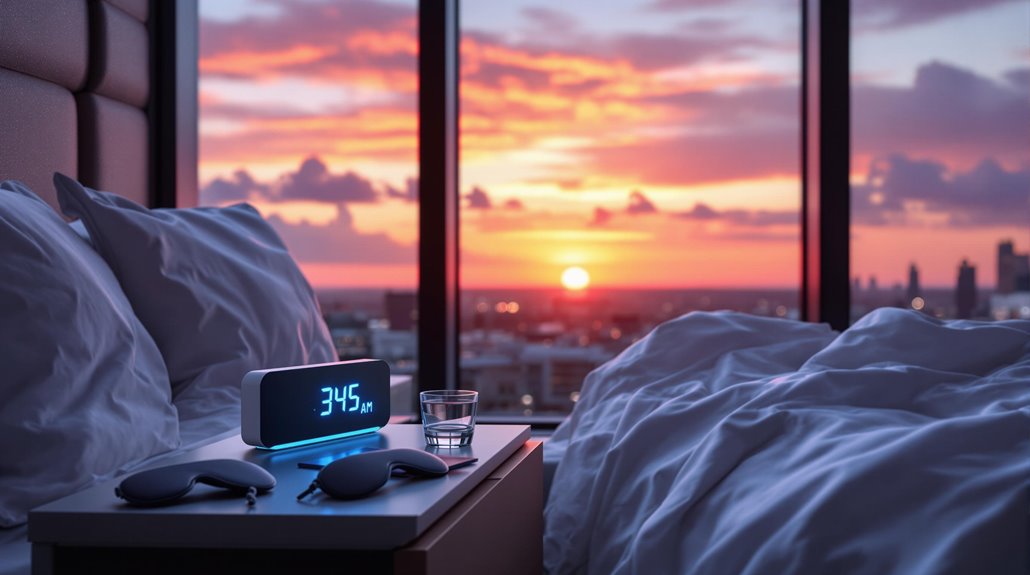
Successfully managing time zone shifts requires a strategic approach from the moment you arrive at your destination. To minimize symptoms of jet lag, you'll need to immediately align your schedule with your new time zone rather than hanging onto your previous routine. This helps your body adapt more quickly to the local schedule and reduces recovery time.
The number of time zones you cross greatly impacts how jet lagged you'll feel. When traveling across more than three time zones, you'll need to be particularly diligent about following these tips to help reset your body's internal clock. Expose yourself to natural morning light at your destination, as this serves as a powerful signal to your body's circadian rhythm. If you take melatonin, timing is vital - work with your healthcare provider to determine the ideal schedule based on your travel direction and arrival time.
Remember that maintaining your old time zone schedule will only prolong your adjustment period. Instead, force yourself to stay awake during daylight hours in your new location, even if you're tired, and sleep when it's dark. This consistent approach will help your body adapt more efficiently to the time change.
Smart Caffeine Consumption
Steering caffeine consumption wisely can dramatically impact your jet lag recovery. When traveling eastbound, strategic use of caffeine can enhance your alertness and help you adjust to the new time zone. Research shows that 300 mg of slow-release caffeine has proven particularly effective for eastbound travelers managing daytime fatigue.
To maximize caffeine's benefits while minimizing potential sleep disruption, follow these essential timing guidelines:
- Plan your caffeine intake early in the day when you need heightened awareness most
- Avoid consuming caffeine in the afternoon and evening hours to prevent sleep interference
- Choose natural sources like coffee or tea instead of sugary sodas and energy drinks
While caffeine isn't a cure-all for jet lag, it's a helpful tool when used correctly. Your body's response to caffeine can vary, so it's worth consulting your healthcare provider before relying on it as part of your jet lag management strategy. By being mindful of timing and choosing the right sources, you'll leverage caffeine's benefits while avoiding potential pitfalls that could worsen your jet lag symptoms.
Flight Selection and Planning

When it comes to managing jet lag, smart flight selection can make or break your travel experience. To prevent jet lag before it starts, choose flights that land early in your new destination, aligning with the local morning schedule. This strategy helps your body's internal clock adjust more naturally to the new time zone.
Whenever possible, book nonstop flights to minimize disruptions to your circadian rhythm. If you can't avoid connections, plan for layovers of at least two hours, giving you time to gradually adapt between flights. It's best to skip red-eye flights where you'll try to sleep on the plane, as this often leads to poor quality sleep and worse jet lag symptoms when you first arrive.
Plan to arrive at your destination at least one day before any important meetings or events. This buffer time is essential for adjusting to the new time zone and ensuring you're well-rested for your commitments. By carefully selecting your flights and building in adjustment time, you'll give yourself the best chance of minimizing jet lag's impact and starting your trip refreshed and alert.
Stress Management While Traveling
Managing travel stress involves three key relaxation strategies that work alongside your jet lag prevention efforts. You'll want to incorporate relaxation techniques like meditation, deep breathing, or light yoga to keep your mind and body balanced during your trip. These practices help regulate your internal rhythm while reducing travel-related anxiety.
To maintain a positive mindset throughout your excursion, follow these essential steps:
- Limit your exposure to stressful news and social media - stay focused on your immediate surroundings and travel experience
- Plan ahead and create buffer time in your schedule to avoid feeling rushed or overwhelmed
- Engage in calming activities like reading, listening to music, or journaling during downtime
When you're dealing with time zone changes, it's imperative to maintain emotional balance alongside physical adaptation. You can achieve this by setting aside specific times for relaxation during your venture. Whether you're waiting at the airport or settling into your hotel room, take advantage of quiet moments to practice these stress-management techniques. Remember that managing stress effectively will greatly improve your body's ability to adjust to new time zones.
Essential Travel Sleep Accessories
Beyond stress management techniques, the right travel accessories can make a significant difference in your sleep quality while crossing time zones. To create a more tranquil sleeping environment on your flight, you'll want to invest in noise-cancelling headphones that effectively block out the constant hum of airplane engines and passenger chatter.
Don't underestimate the power of comfortable travel pillows and high-quality earplugs. These essential items work together to support your neck and muffle disruptive sounds, helping you achieve better sleep during your expedition. Lightweight sleep masks are equally important, as they block out ambient light that can interfere with your natural sleep patterns.
If you're sensitive to sudden noises or prefer consistent background sounds, consider using white noise machines or downloading sleep-focused apps on your smartphone. These tools generate soothing sounds that can help mask irregular airplane noises and create a more conducive environment for rest. By combining these accessories strategically, you'll be better equipped to sleep on the plane and minimize the effects of jet lag when you reach your destination.
Medication and Supplement Considerations
The decision to use medications or supplements for jet lag requires careful consideration and professional guidance. Before starting any new medications or supplements, you'll want to consult your healthcare provider, especially if you're taking other medications that might interact with them.
When considering your options for managing jet lag, keep these key points in mind:
- Melatonin supplements can be effective for adjusting your sleep-wake cycle, but you'll need to determine the right dosage and timing for your specific situation with help from a healthcare professional
- While caffeine can provide quick energy when you're feeling sluggish, avoid consuming it close to bedtime as it'll likely worsen your sleep disruption
- Traditional sleep aids like benzodiazepines might help you rest, but they don't fix the underlying circadian rhythm issues and may leave you feeling groggy
If you're interested in natural alternatives, herbal supplements like valerian root and chamomile are available. However, their effectiveness specifically for jet lag isn't strongly supported by research. Remember that supplements aren't heavily regulated, so it's essential to choose reputable brands and discuss your options with a healthcare provider.
Recovery Timeline and Expectations
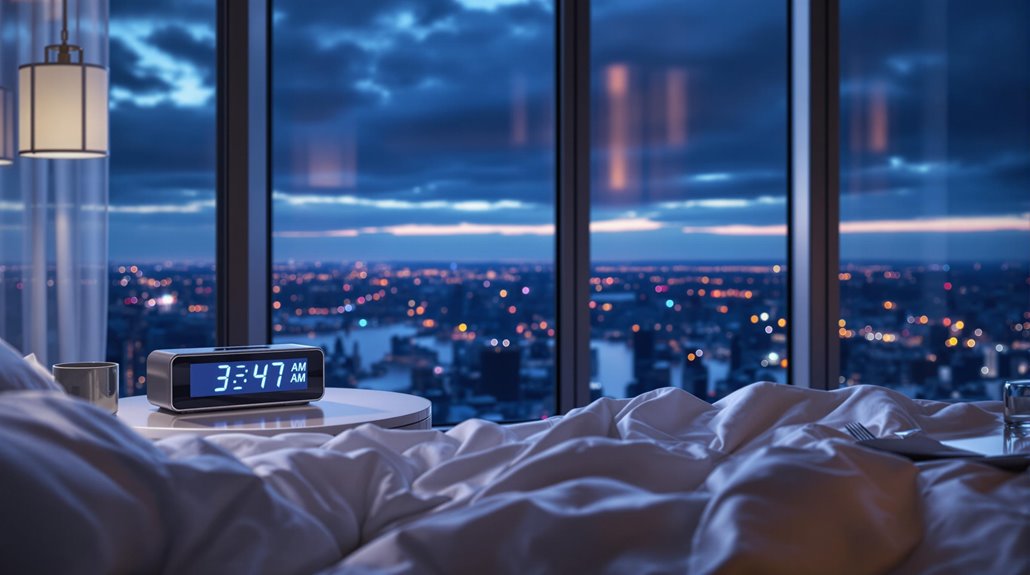
Understanding your jet lag recovery timeline can help set realistic expectations for your post-travel adjustment period. If you're experiencing jet lag after crossing three time zones or less, you'll likely recover within 1-3 days. However, longer expeditions spanning multiple time zones may require up to a week for your body's internal clock to fully adjust.
Your recovery timeline largely depends on your travel direction. When you're heading east, you'll typically face more challenges overcoming jet lag compared to westward travel, as your body struggles to advance its sleep schedule. Age also plays a significant role - if you're older, you might need additional time to adjust due to natural changes in your circadian rhythm.
To optimize your treatment of jet lag and potentially speed up recovery, focus on maintaining consistent sleep patterns according to your new time zone. Stay well-hydrated, eat nutritious meals at appropriate local times, and practice good sleep hygiene. Remember that everyone's adjustment period varies, so while some travelers bounce back quickly, others may need the full week to feel completely normal again.