
Tips for Transitioning Your Co-Sleeping Child to Their Own Bed
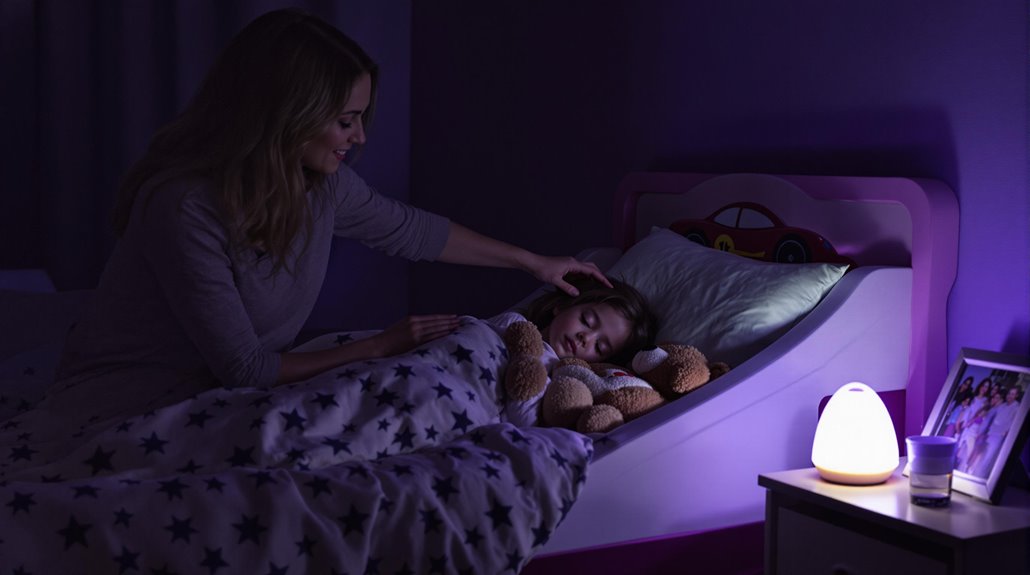
Start your child's voyage to independent sleep by creating an inviting bedroom environment with soothing elements like soft lighting and familiar comfort items. Establish positive associations by spending quality time in their room during the day and developing special bedtime rituals. You'll need to maintain consistent boundaries and respond calmly to night wakings while gradually reducing your presence. Use positive reinforcement to celebrate small victories, and consider implementing a reward system for successful nights. Remember to move at your child's pace - the adventure to independent sleep works best when you understand and honor your little one's readiness signals and emotional needs. The following strategies will help you create a smooth, successful migration plan.
Understanding the Right Transition Time
Moving your child from co-sleeping to their own bed marks a significant milestone in their development, but timing this shift correctly is crucial for success. If you're co-sleeping with a baby under 12 months, the AAP strongly recommends changing them to a separate crib in your room to reduce SIDS risks while maintaining proximity for feeding and comfort.
For children over age two, you'll want to watch for signs that your toddler is ready for their own bed. These indicators include climbing out of their crib, showing interest in independence, or expressing curiosity about having their own sleep space. While many children naturally reach this readiness around age three, there's no universal perfect time for this change.
When considering the right time to end co-sleeping, factor in both your child's developmental stage and your family's needs. If your toddler is showing signs of good self-regulation and can understand simple instructions, they're likely prepared for this change. Remember that successful changes often occur when you've established consistent bedtime routines and your child feels secure in their sleeping environment.
Creating a Sleep-Ready Environment
Keep electronics out of the bedroom and instead incorporate soothing elements like a dim nightlight or soft music. Consider using a sticker chart near their bed to reward successful nights, making the space feel more personal and achievement-oriented. Remember to maintain a cool temperature and organize the room to minimize distractions, creating a dedicated sleep sanctuary that your child will associate with rest and comfort.
Establishing Positive Sleep Associations
A child's personal connection to their sleep space plays a pivotal role in successful bedtime routines. You'll want to help your little one feel confident in their new bed by spending quality time in their room during daylight hours. Let them explore the space, play with their stuffed animals, and get comfortable with the surroundings before expecting them to sleep there.
Make the room first in your child's mind by establishing positive associations through daily activities. Reading books, playing quiet games, and creating a consistent bedtime routine in their room will help them view it as their personal sanctuary. When choosing a plan for the shift, remember that a gradual approach often works best. If your child's moving from your bed or their crib back to their own space, incorporate familiar comfort items they love.
Start by saying goodnight to different parts of the room together, making it a fun ritual. Let your child arrange their favorite toys and blankets how they like, giving them ownership of their sleep environment. This sense of control and familiarity will make the shift smoother and help them feel more secure in their new sleep space.
Managing Night Waking Episodes
Night waking episodes naturally occur during the shift to independent sleeping, but how you respond makes all the difference. When your child wakes up crying in their toddler bed, first identify the root cause. Whether it's separation anxiety, hunger, or discomfort, understanding the trigger helps you address their specific needs effectively.
Consistency is essential during this transition. Instead of bringing your child to your bed, implement sleep training techniques like graduated extinction or gradual process methods. Stay calm and reassuring while maintaining boundaries - offer comfort through your parental presence, but keep them in their own sleeping space. This approach helps develop independent sleep skills without creating dependency.
Your bedtime routine plays a crucial role in managing night wakings. When your child wakes, briefly remind them of their routine and guide them back to sleep while remaining in their room. You'll need patience as they learn to self-soothe, but don't give in to temporary solutions that might reinforce waking behavior. Remember that success requires commitment to your chosen approach, even when progress seems slow. With time and consistency, your child will develop the confidence to handle night wakings independently.
Setting Clear Bedtime Boundaries

Successfully setting clear bedtime boundaries requires a delicate balance between firmness and compassion. As you move from co-sleeping to independent sleep, it's vital to establish consistent expectations that your child can understand and follow. Create a structured bedtime routine that clearly signals it's time for your child to sleep in their own bed.
When implementing clear boundaries during sleep training, maintain your resolve while showing empathy for your child's adjustment. Use positive reinforcement techniques, such as sticker charts or small rewards, to celebrate their progress in maintaining independent sleep. If your child leaves their bed, practice compassionate redirection by calmly walking them back without engaging in lengthy discussions or negotiations.
Remember that a gradual transition often proves most effective, allowing your child to develop self-soothing skills at their own pace. Set firm yet reasonable boundaries about sleeping arrangements, avoiding exceptions that might confuse your child or derail progress. When they test these boundaries, which is natural, respond consistently with gentle cues about the new sleep rules. Your steadfast commitment to clear boundaries, combined with understanding support, will help your child succeed in this important move.
Choosing the Appropriate Bed
Selecting the right bed forms the foundation of your child's shift from co-sleeping to independent sleep. For toddlers just beginning their migration, a toddler bed or convertible crib offers an ideal starting point, as they're specifically designed for this developmental stage and provide a familiar sleeping environment.
If your toddler's over 2.5 years old, you'll want to avoid using a crib, as climbing attempts could lead to injuries. Instead, consider upgrading to a twin bed or full-size bed that's positioned close to the floor. Don't forget to install secure bedrails to prevent falls during sleep, regardless of the bed type you choose.
You can also repurpose an existing bed from your home, provided it's the appropriate size for your toddler and can be equipped with proper safety features. When making your selection, consider your child's room size to accommodate comfortable movement. The bed should be easily accessible, allowing your toddler to climb in and out safely, which promotes independence and confidence in their new sleeping arrangement.
Building Consistent Bedtime Routines

A child's bedtime routine serves as their essential roadmap to quality sleep. When shifting your little one from co-sleeping to their new room, establishing consistent Sleep Training Methods becomes imperative for success. You'll help your toddlers adapt better by creating a predictable sequence of activities that signal it's time to wind down.
Make your bedtime routine calming and structured with these essential tips:
- Start the routine 30-45 minutes before bedtime by dimming lights and avoiding screens, which can interfere with your child's natural sleep signals
- Follow the same sequence every night: bath time, pajamas, tooth brushing, storytime, and gentle lullabies
- Keep the same sleep and wake times, even on weekends, to regulate your child's internal clock
Addressing Separation Anxiety
Managing separation anxiety is often the biggest hurdle when moving your child to independent sleep. To help your toddler cope with this shift, acknowledge their feelings and reassure them that it's normal to feel nervous about sleeping alone. One thing that works well is providing transitional objects, like their favorite stuffed animal or blanket, to maintain a sense of comfort when you're not there.
When shifting your toddler from co-sleeping, incorporate special snuggle time into your bedtime routine. Create a toddler guide pack of tips and tricks that includes calming activities like reading stories or singing lullabies before your little one goes to bed. These consistent routines help your child feel secure and understand what to expect each night.
For particularly anxious little ones, try the "camping out" method. Start by sitting near their bed until they fall asleep, then gradually move your chair closer to the door each night. Over time, you'll be able to step back while building their confidence. Remember to celebrate small victories as your toddler adjusts to sleeping independently, and always maintain a supportive, patient approach.
Implementing Gradual Sleep Changes
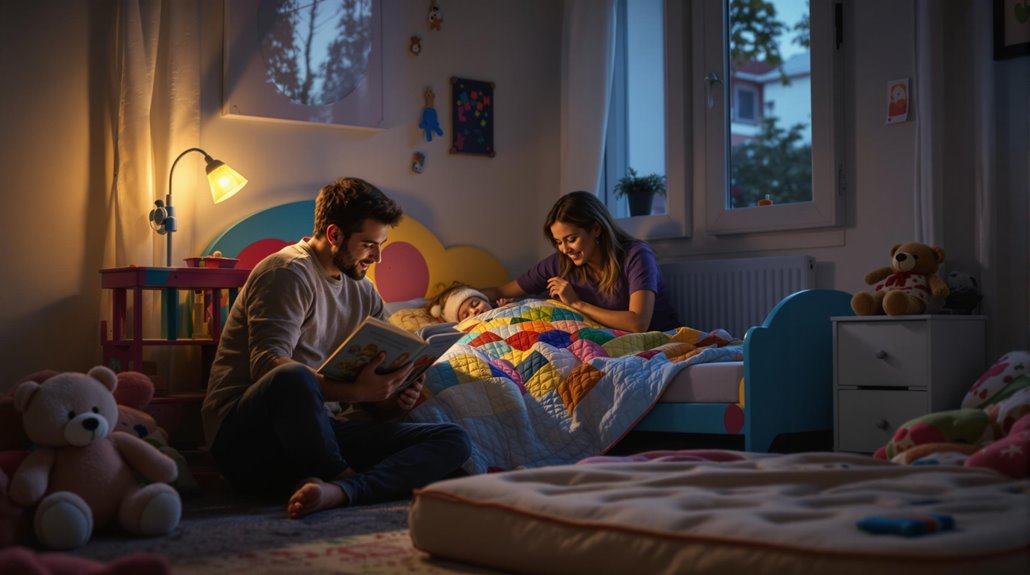
While managing separation anxiety sets the emotional foundation, making small, measured changes to your child's sleep routine creates lasting success. Start by placing a floor bed in your room to set the stage for the shift from bed-sharing. This intermediate step helps your little one fall asleep independently while staying close to you, balancing traditions and protecting their sense of security.
As your toddler adjusts, gradually move the floor bed closer to their future bedroom. The chair method can support this process - sit near them while they fall asleep, slowly moving your chair farther away each night. When they're ready, walk them back to their room consistently if they leave during the night, maintaining a gentle but firm approach.
- Prepare your child for the change ahead of time by discussing the transformation positively and making their new sleep space inviting
- Start the process during a period of stability, avoiding major life changes or disruptions
- Focus on staying consistent with bedtime routines while allowing flexibility in the transformation timeline
Maintaining Nighttime Safety
Safety remains paramount when your child moves to their own bed. To protect your baby's well-being, you'll need to follow safe sleep guidelines outlined by experts. One of the most critical steps is selecting a sturdy bed frame and mattress that can withstand toddler sleep movements and prevent accidents.
Make sure to install safety rails on both sides of the bed to prevent your little one from rolling off during sleep. When setting up their room, position the bed away from windows and remove any items they might use for climbing. During bedtime battles, you might face resistance, but don't compromise on safety measures. Keep the room at a comfortable temperature and install a nightlight to help with illumination during night wakings.
For Toddlers: Sensory and Sleep considerations are essential, so childproof the entire room by removing potential choking hazards or unsafe objects. Babies and Toddlers: Sensory needs can affect sleep quality, so ensure the bedding is comfortable and secure. Always consult your pediatrician about specific safety concerns, especially if your child has unique sleep patterns or medical conditions.
Supporting Independent Sleep Skills

Independent sleep skills form the foundation of successful bed changes. As a Peaceful Mama, you'll need to help your little one develop self-soothing abilities through consistent techniques and positive reinforcement. Whether you decide ahead of time to use a specific sleep training method or combine several approaches, the key is to optimize baby sleep through gradual, steady progress.
To make the transition smoother, implement these age-based sleep tips straight away:
- Establish a calming bedtime routine that includes relaxation exercises and a transitional object like a special blanket or stuffed animal to help your baby or toddler feel secure
- Practice graduated extinction or gentle fading techniques where you'll gradually reduce your presence during sleep onset, helping your child nap consistently to regain independence
- Use scheduled wakings and positive reinforcement to strengthen their confidence in sleeping alone
While some parents worry about whether Cry Sleep Training Really works, remember that supporting independent sleep skills isn't about a one-size-fits-all approach. Instead, focus on consistent schedules, maintaining a conducive sleep environment, and celebrating your child's progress as they develop these essential abilities.
Celebrating Sleep Milestones
Recognizing and celebrating your child's sleep milestones can elevate their confidence and reinforce positive sleep behaviors. When your little one sleep habits improve, it's essential to acknowledge their progress through meaningful celebrations that make the transition from crib to bed more exciting.
Create a reward system that marks each successful night in their own bed. You'll find joy in motherhood by helping your child feel accomplished with sticker charts, special breakfast treats, or small rewards after consecutive nights of independent sleep. Consider documenting their journey with photos or a sleep diary to show them how far they've come.
Make Toddler Bedtime a time to celebrate being a "big kid." You're going to share in their excitement as they develop sleep that is tuned to their new routine. Praise specific behaviors like staying in bed, following bedtime rituals, or falling asleep independently. Remember to be their cheerleader, expressing genuine self-esteem in their achievements. When they see themselves as their happiest version during this transition, they're more likely to maintain these positive sleep habits long-term.