Tips for Resetting Your Internal Clock After a Time Change

To reset your internal clock after a time change, start by gradually adjusting your sleep schedule in 15-30 minute increments over several days. Get bright light exposure in the morning to suppress melatonin and stay alert, while avoiding blue light from screens in the evening. Maintain consistent sleep and wake times, even on weekends, and establish a relaxing bedtime routine. Keep your bedroom cool, dark, and quiet with blackout curtains or an eye mask. Support your adjustment with regular exercise and stress management techniques like meditation or deep breathing. These foundational steps will help you uncover the most effective rhythm for your body's natural clock.
Understanding Your Body's Natural Rhythm
Your body operates on a finely tuned internal clock that runs throughout each 24-hour period. This circadian rhythm controls when you feel sleepy or alert, regulating your sleep-wake cycle based on the natural patterns of light and darkness. Your circadian clock responds to external cues, particularly sunlight, which helps synchronize your internal processes with the environment.
When you experience a time change, your circadian system struggles to adjust immediately. Your internal clock continues operating on its established schedule while the external world shifts, causing a mismatch in sleep-wake times. This disruption affects your body's melatonin production, the hormone responsible for making you feel sleepy at night.
Understanding how light exposure influences your circadian rhythm is essential. Your body's internal clock relies heavily on environmental signals, especially morning light, to maintain proper timing. When time changes occur, you'll notice the impact most noticeably in your sleep patterns and alertness levels. This explains why you might feel groggy or unfocused after daylight saving time periods, as your circadian system works to realign with the new schedule.
Signs of Clock Disruption
Recognizing the signs of a disrupted internal clock helps you identify when your circadian rhythm needs attention. If you're struggling to fall asleep at night or finding yourself waking up frequently throughout your sleep cycle, these are clear indicators that your internal clock is out of sync. You might also notice excessive sleepiness during the day, making it difficult to maintain your usual productivity levels.
Your disrupted sleep-wake cycle often becomes most apparent during daylight saving time alterations, when you'll typically lose about 40 minutes of sleep. This disruption to your sleep hygiene can manifest in decreased cognitive function, mood changes, and difficulty concentrating on daily tasks. You'll likely notice these effects most strongly on the Monday following the time change.
The impact of circadian rhythm disruption extends beyond just feeling tired - it can drastically affect your safety and health. If you're experiencing increased irritability, finding it hard to stay alert during important tasks, or noticing a decline in your overall sleep quality, your body's internal clock may need readjustment. These signs are particularly important to monitor, as they can lead to increased risks of accidents and health issues.
Light Exposure Strategies

Once you've identified signs of a disrupted internal clock, managing light exposure becomes a powerful tool for resetting your circadian rhythm. Your body's internal clock responds strongly to light cues, making strategic light exposure essential for adjusting to a time change.
Start your day by seeking bright light exposure, particularly in the morning hours. You'll want to get outside for natural light or use a light therapy lamp for 30 minutes to suppress melatonin production and signal to your body that it's time to be alert. Throughout the day, maximize your outdoor time to reinforce your desired sleep schedule through natural light exposure.
As evening approaches, you'll need to carefully manage light to support your body's natural wind-down process. Dim your indoor lights and avoid blue light from screens, which can interfere with your circadian rhythm. If you must use devices, consider using blue light blocking features or glasses. This evening light management helps your body produce melatonin naturally, making it easier to fall asleep at your target bedtime. By following these light exposure strategies, you'll help your body adjust more smoothly to the time change.
Managing Sleep and Wake Times
A successful shift to a new time schedule requires strategic management of your sleep and wake times. To reset your circadian rhythm effectively, you'll need to adjust your schedule gradually rather than making abrupt changes. Start by shifting your sleep and wake times in small increments of 15-30 minutes over several days until you reach your target schedule.
It's essential that you maintain consistent sleep and wake times throughout the adjustment period, even on weekends. While it might be tempting to sleep in late to make up for lost rest, this will only disrupt your body's natural rhythm further. Instead, stick to your new schedule religiously to help your internal clock reset faster.
Supporting these timing adjustments with proper light exposure is necessary. You'll want to get bright light exposure in the morning to signal your wake time to your body, while avoiding blue light from screens in the evening when your body needs to produce melatonin. This combination of consistent timing and appropriate light management will help you adapt to the time change more smoothly and maintain better sleep quality throughout the process.
Optimizing Your Evening Routine

Creating an effective evening routine plays an essential role in resetting your internal clock during time changes. To maintain healthy circadian rhythms, you'll need to minimize blue light exposure from screens at least two hours before bedtime, as this interference can disrupt your body's natural melatonin production.
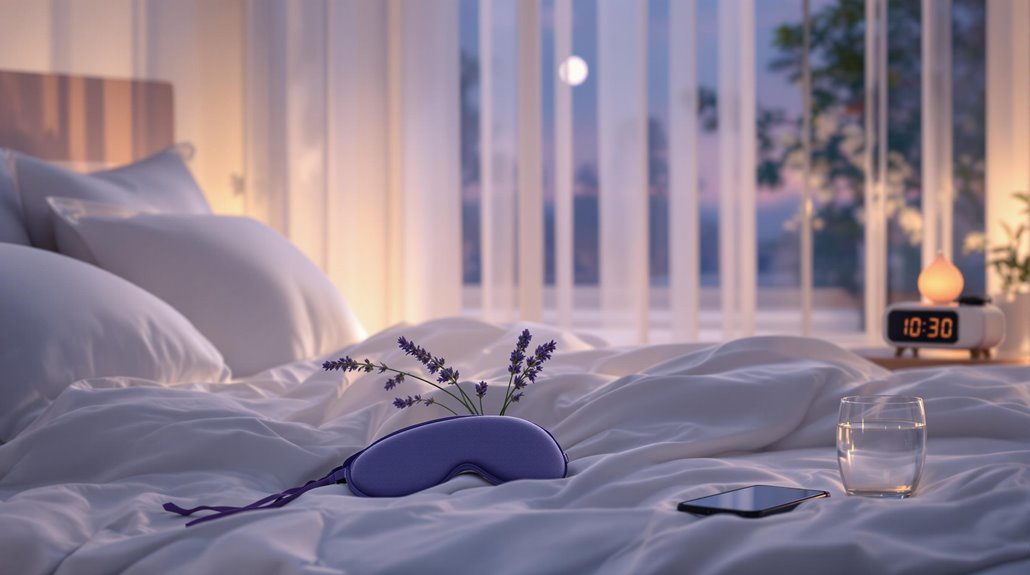
Establish a consistent pre-bedtime routine that helps you wind down naturally. Instead of scrolling through your phone, try reading a book or taking a warm bath. Your sleep environment should promote relaxation, so keep your bedroom cool, dark, and quiet. Install blackout curtains or use an eye mask to block ambient light that might confuse your internal clock when you're resetting your circadian rhythm.
What you consume in the evening greatly impacts your sleep quality. Avoid caffeine in the afternoon and evening hours, as its effects can last longer than you might expect. Similarly, steer clear of alcohol and heavy meals close to bedtime, as they can interfere with your sleep patterns. If you're hungry, opt for a light snack that won't overwhelm your digestive system while you rest.
Meal Timing Adjustments
Beyond your evening habits, strategic meal timing serves as a powerful tool for resetting your internal clock. When you're dealing with disruption in your circadian rhythm due to time changes, adjusting your meal schedule can help your body adapt more quickly. To reset your circadian rhythm effectively, synchronize your meals with your desired sleep and wake times. This alignment helps your bodys internal clock recognize and adjust to the new schedule, especially when you're feeling sleep deprived.
To gradually adjust to the time change and support your lifestyle changes, consider these essential meal timing strategies:
- Eat breakfast within 30 minutes of waking up to kickstart your circadian clock and signal to your body that the day has begun
- Maintain consistent meal times throughout the day to reinforce your new schedule and support your body's natural rhythms
- Avoid late-night snacking and finish your last meal at least 2-3 hours before bedtime
Exercise and Movement Planning

Physical activity plays an essential role in resetting your internal clock during time changes. Your body's circadian rhythm responds directly to exercise, making it an effective tool for adjusting to new schedules. You'll want to time your workouts strategically: morning exercise helps you wake up earlier, while evening workouts can help you adapt to later bedtimes.
To maximize the reset of your internal clock, focus on aerobic activities like brisk walking, jogging, or cycling. You don't need lengthy sessions - just 15-30 minutes of consistent exercise daily can reinforce your desired sleep-wake pattern. For the best results, combine your morning workout with exposure to natural sunlight, as this dual approach strengthens your body's time-setting mechanisms.
If you're trying to adjust to an earlier schedule, head outside for a morning jog or bike ride. For those needing to shift to a later schedule, consider evening gym sessions or after-dinner walks. Whatever time you choose, stick to your exercise routine daily - consistency is key to helping your body establish and maintain its new rhythm. Remember, even moderate movement can greatly impact your body's ability to reset its internal clock.
Stress Management Techniques
A calm mind serves as your strongest ally when adjusting to time changes. When you're trying to reset your internal clock, incorporating stress management techniques can dramatically impact how quickly your body adapts. Relaxation techniques like meditation, deep breathing, and yoga work together to reduce stress and anxiety while promoting better sleep-wake patterns.
To support your body's natural resynchronization process, establish a consistent pre-bedtime routine that includes mindfulness practices. These activities signal your body to wind down and prepare for rest, making it easier to adjust to new sleep schedules. You'll find that regular stress management practices can strengthen your circadian rhythms and enhance your overall sleep quality.
- Practice deep breathing exercises for 5-10 minutes before bed to trigger your body's relaxation response
- Incorporate gentle yoga poses or stretching to release physical tension and calm your mind
- Set aside time for daily meditation or mindfulness exercises to reduce anxiety and promote better sleep patterns
Creating Ideal Sleep Environment

While stress management techniques prepare your mind for sleep, your bedroom's physical setup plays an equally important role in resetting your internal clock. To optimize your sleep environment, convert your bedroom into a sanctuary that supports your circadian rhythm and promotes melatonin production.
Start by controlling light exposure, which directly impacts your internal clock. Install blackout curtains or use an eye mask to create complete darkness, as even minimal light can disrupt your body's natural melatonin release. Keep your bedroom cool and quiet, establishing conditions that signal your body it's time to rest. You'll also want to minimize screen time before bed since blue light can interfere with your sleep-wake cycle.
Your bed itself matters greatly. Choose a supportive mattress and pillow that maintain proper spinal alignment and eliminate pressure points. This physical comfort combines with your environment to enhance sleep quality. Establish a consistent bedtime routine and sleep schedule, perhaps including a warm bath or relaxation exercises. These environmental adjustments, working together with your body's natural rhythms, will help you maintain healthy sleep patterns, especially when adapting to time changes.
Common Adjustment Mistakes
Many people make simple yet counterproductive mistakes when trying to reset their internal clock after a time change. These errors can greatly disrupt your circadian rhythm and lead to sleep disorders that make adjusting even more demanding. Attempting to force immediate changes to your sleep schedules by drastically shifting your wake-up time often backfires, leaving you with increased fatigue and a potential circadian rhythm disorder.
While you might think taking an afternoon nap will help combat Jet lag symptoms, even a brief 20-minute rest can interfere with establishing consistent sleep patterns. Additionally, your exposure to artificial light and natural light plays a fundamental role in regulating melatonin production. Using traditional alarm clocks instead of sunrise-simulating alternatives fails to provide the natural light cues your body needs.
- Avoid consuming caffeine, alcohol, or heavy meals before bedtime, as these substances interfere with your internal clock's reset process
- Skip afternoon naps during the adjustment period, even if you're feeling tired
- Don't rely solely on traditional alarm clocks; instead, prioritize natural light exposure in the morning to help regulate your sleep-wake cycle
Long-Term Maintenance Tips

Successfully resetting your internal clock requires more than just short-term adjustments - you'll need to implement sustainable habits that support your circadian rhythm long-term. Start by committing to a consistent sleep-wake schedule, even during weekends, as this helps your body maintain its natural rhythm and prevents sleep deprivation.
Make morning sunlight exposure a daily priority. Step outside for 15-20 minutes after waking up to help regulate your circadian rhythm and encourage earlier bedtimes. You'll also want to manage your exposure to blue light, particularly in the evening hours. Turn off electronic devices at least two hours before bed to support better sleep quality.
Establish a calming pre-bedtime routine that helps you wind down naturally. Consider activities like gentle stretching or reading a book, which signal to your body that it's time to prepare for sleep. Additionally, incorporate regular exercise into your morning routine - it's an effective way to strengthen your internal clock's natural patterns. If you maintain these habits consistently, you'll find it much easier to adapt to future time changes while enjoying more restful, restorative sleep throughout the year.