
Tips for Encouraging Good Sleeping Habits in Babies
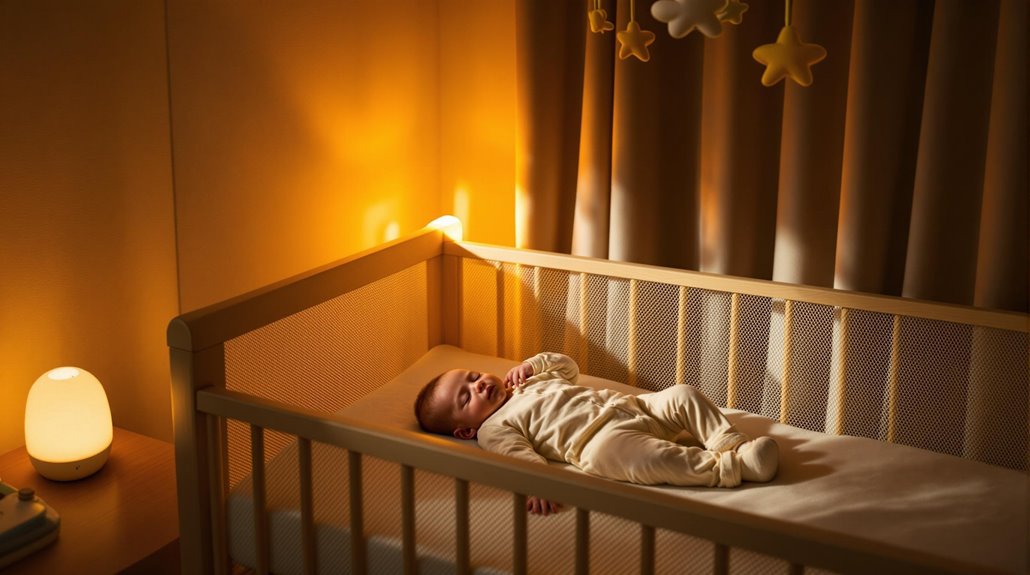
Start building healthy sleep habits by understanding your baby's age-specific sleep needs and watching for tired cues like yawning or eye-rubbing. Create a sleep-friendly environment with a firm mattress, dark room, and temperature between 68-72°F. Establish a consistent bedtime routine using 4-5 calming activities, and put your baby down drowsy but awake to encourage self-soothing. Maintain regular nap schedules appropriate for their age, and avoid letting them become overtired. Respond promptly to sleep signs and stick to your routine consistently. The key principles that follow will help you navigate your baby's sleep path.
Understanding Age-Appropriate Sleep Requirements
Understanding your baby's sleep needs at different ages is essential for developing healthy sleep habits. During the first three months, your newborn will need 14-17 hours of sleep spread throughout the day and night in short intervals. This fragmented sleeping pattern is normal for young babies as they adjust to life outside the womb.
As your baby grows into the infant stage (4-11 months), they'll require 12-15 hours of sleep. You'll notice longer stretches of night sleep emerging, and their nap schedule will become more predictable. When your little one reaches the toddler years (1-2 years), they'll need 11-14 hours of sleep with consistent nap times.
For preschoolers aged 3-5 years, sleep requirements decrease to 10-13 hours daily. During this stage, you'll likely see a shift from multiple naps to a single afternoon rest. School-age children (6-13 years) need 9-11 hours of uninterrupted night sleep, typically without daytime naps. By understanding these age-specific sleep requirements, you can better support your child's health and development through appropriate sleep scheduling and consistent bedtime routines.
Creating the Perfect Sleep Environment
Now that you know your baby's sleep requirements, setting up the right sleep environment will make a significant difference in their sleep quality. Creating a safe and comfortable space starts with selecting a firm, flat mattress for your baby's crib or bassinet, which helps reduce the risk of SIDS. Keep the room temperature between 68-72°F to ensure your little one isn't too hot or cold during sleep.
Your baby's sleep environment should be dark, cool, and quiet. Remove any potential hazards from the sleeping area, including soft bedding, toys, and loose blankets that could pose suffocation risks. If your home has unavoidable background noise, consider using white noise or gentle lullabies to create a consistent sound barrier that can help your baby fall asleep and stay asleep longer.
Remember that consistency in your baby's sleep environment plays an essential role in developing healthy sleep habits. By maintaining these safety measures and comfort elements, you're not only protecting your baby but also helping them associate these conditions with sleep time, making it easier for them to develop a regular sleep routine.
Establishing Consistent Bedtime Routines

Building a consistent bedtime routine serves as your baby's internal clock, signaling when it's time to wind down and prepare for sleep. To establish an effective routine, select 4-5 calming activities like a warm bath, bedtime story, or gentle lullaby. Perform these activities in the same order each night to create predictability and comfort for your little one.
Set a regular bedtime and waketime to support your baby's circadian rhythms. About 30 minutes before bedtime, begin dimming the lights and reducing stimulation. Play soft music and keep activities quiet to promote natural sleep onset. You'll find that this transition period helps your baby become naturally drowsy.
When it's time for bed, place your baby in their crib while they're drowsy but still awake. This approach encourages them to develop self-soothing skills, which are essential for independent sleep. By maintaining consistency with your chosen routine, you'll notice improvements in both sleep duration and sleep quality. Remember, your dedication to a structured bedtime routine now will help establish healthy sleep patterns that benefit your baby's development.
Recognizing Sleep Cues
While establishing a bedtime routine helps create predictable sleep patterns, your success depends on timing these routines with your baby's natural sleep signals. Understanding your baby's sleep cues is essential for developing healthy sleep habits and ensuring your little one gets proper rest before becoming overtired.
Watch for subtle signs that indicate your baby's ready for sleep. Common cues include yawning, rubbing eyes, pulling ears, or becoming fussy. When you notice these signals, it's time to start your bedtime routine. Acting promptly on these signs will help your baby fall asleep more easily, as overtiredness can make settling down more challenging.
Every baby's sleep pattern is unique, and learning to read your baby's specific cues takes time and observation. Pay attention to when these signs typically appear throughout the day, as this can help you anticipate sleep cycles and plan naps more effectively. By responding to these early warning signs, you'll be better equipped to support your baby's sleep needs. Remember, when your baby shows sleepy signs, starting the wind-down process immediately will lead to more successful sleep shifts and better rest overall.
Managing Daytime Nap Schedules
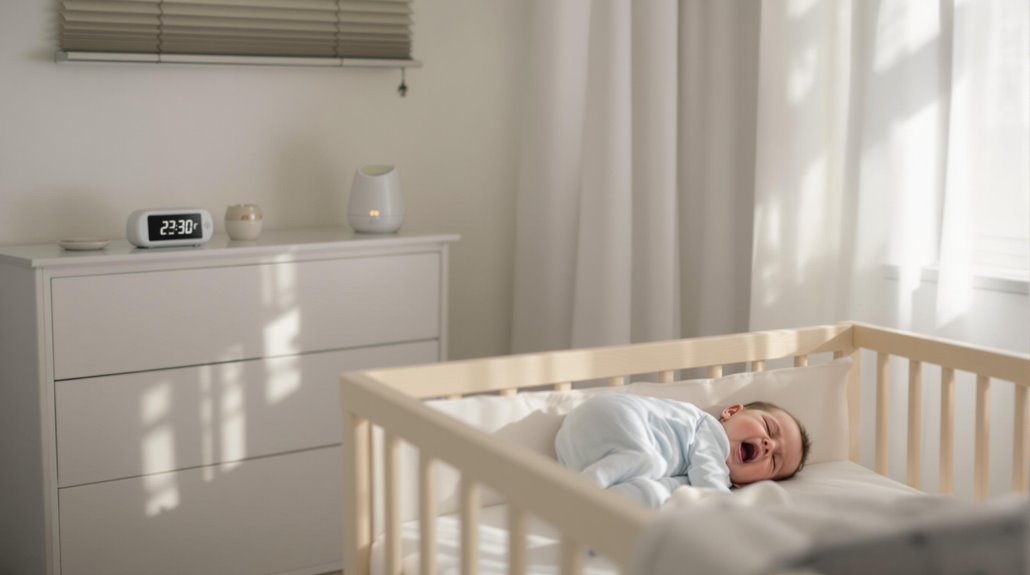
Proper nap scheduling forms the foundation of your baby's overall sleep success. Understanding "How Much Sleep Do Babies Need" at different ages helps you create a regular sleep schedule that works for your little one. In the first few months, you'll notice your newborn needs up to 17 hours of sleep per day, taking frequent naps lasting 2-4 hours throughout their 24-hour cycle.
As your baby reaches 4-6 months, move them to a three-nap schedule, with each rest period lasting 1-2 hours. When they hit the 6-12 month mark, cut back to two naps daily, typically running 1-1.5 hours each. Don't put your baby down too late in the day, as this can interfere with nighttime sleep.
Watch for signs of tiredness and put them down for naps before they become overtired. This approach helps your baby develop healthy sleep associations and self-soothing skills. Remember to maintain consistency with nap timing each day - it's important for regulating their internal clock. By keeping your baby on track with daytime sleep, you'll set them up for better rest at night.
Safe Sleep Practices
Safety stands at the heart of your baby's sleep environment. To reduce the risk of sudden infant death syndrome (SIDS), always place your baby to sleep on their back on a firm, flat surface in a crib or bassinet. The "back to sleep" position has proven to be the safest way for your infant to rest.
Keep your baby's sleep space free from loose bedding, blankets, pillows, or soft toys that could pose suffocation hazards. You'll want to maintain a cool room temperature and avoid over-bundling your little one when they're asleep. When establishing safe sleep habits, remember to share your room with your baby for at least the first six months, but never share your bed.
Offering a pacifier at naptime and when putting your baby to sleep for the night can help protect against SIDS. It's indispensable to keep your infant's environment smoke-free, and avoid exposure to alcohol or illicit drugs. While you're working on helping your baby sleep through the night, never compromise on these essential safety measures. They're designed to create the safest possible sleep environment for your growing infant.
Common Sleep Training Methods
Around six months of age, many parents begin exploring sleep training methods to help their babies develop healthy sleep patterns. Before starting any sleep training, consult your baby's health care provider to guarantee the chosen method suits your baby's needs and development stage.
One popular approach is graduated extinction, where you'll let your baby fall asleep while gradually extending the time between comfort checks. Alternatively, fading methods offer a gentler approach by slowly reducing your involvement in the sleep routine, such as decreasing rocking or feeding time. During your baby's first year, you might find bedtime fading particularly helpful, as it works with your infant's natural sleep rhythms by adjusting bedtime to when they're naturally drowsy.
To promote good sleep habits and reduce the risk of sudden infant death syndrome, combine these methods with positive sleep routines. Create a consistent, calming bedtime sequence that might include a warm bath, story time, or gentle lullabies. If your baby takes multiple naps, you can also try sleep-fading to help consolidate nighttime sleep by gradually reducing daytime naps under your health care provider's supervision.
Feeding and Sleep Connection
Understanding the relationship between feeding and sleep is essential for establishing healthy sleep patterns in your baby. Your child's health depends greatly on establishing proper feeding routines that don't interfere with their ability to learn to sleep independently.
During the first few months, you'll need to wake your baby for feedings to guarantee they receive the recommended amount of sleep while getting adequate nutrition. However, it's imperative to avoid letting your baby fall asleep while feeding, as this creates a strong sleep association that can make it harder for them to fall back asleep on their own later.
Keep feeding sessions separate from sleep time by feeding in a different location than where your baby sleeps. Don't prop bottles or let your baby self-feed, as this can lead to overfeeding and disrupted sleep patterns. Instead, follow age-appropriate feeding schedules to maintain a healthy balance.
If you're unsure about your baby's feeding and sleeping patterns or need specific health information, don't hesitate to consult your pediatrician. They can provide personalized guidance based on your baby's individual needs and development stage.
Room Sharing Vs Bed Sharing

Parents often wonder whether their baby should share their bedroom or their bed. When it comes to your baby's sleep environment, room-sharing and bed-sharing are two distinctly different practices with varying safety implications.
Room-sharing, where your baby sleeps in their own crib or bassinet within your bedroom, is strongly recommended by the American Academy of Pediatrics for at least the first six months. This arrangement reduces the risk of Sudden Infant Death Syndrome while maintaining a safe sleep environment. You'll find it easier to monitor your baby's sleep and wake patterns, and respond quickly to their nighttime needs without leaving your room.
However, bed-sharing, where your baby sleeps in your bed, isn't recommended due to significant safety concerns. It increases the risk of SIDS and accidental suffocation, making it a dangerous choice despite the appeal of closer proximity. By choosing room-sharing instead, you'll provide your baby with the security they need while encouraging independent sleep habits. Your baby benefits from being close to you while still having their own dedicated sleep space, setting the foundation for healthy sleep patterns as they grow.
Addressing Sleep Disruptions
Managing sleep disruptions effectively requires identifying and addressing the root causes of your baby's sleep challenges. When your little one isn't sleeping well, first check for illness or discomfort that might be causing the issue. Environmental factors like room temperature, noise levels, and lighting can significantly impact your baby's sleep quality.
If you've ruled out immediate concerns, consider these key aspects of sleep management:
- Implement age-appropriate sleep training methods with guidance from your pediatrician
- Adjust your baby's nap schedule to prevent overtiredness
- Create an ideal sleep environment with consistent temperature and minimal noise
- Monitor for signs that indicate the need for professional help
Don't hesitate to work with a sleep specialist if your baby's sleep disruptions persist despite your best efforts. They can provide personalized strategies based on your baby's specific needs. Remember that sleep training techniques like graduated extinction or fading can be effective when properly implemented. The key is maintaining consistency in your approach while ensuring your baby's sleep environment supports restful sleep. By addressing these factors systematically, you'll be better equipped to help your baby develop healthy sleep patterns.
When to Seek Medical Help
While most sleep disruptions can be resolved through consistent routines and proper sleep hygiene, certain signs warrant immediate medical attention. If your baby shows persistent difficulty falling or staying asleep, it's crucial to consult a pediatrician to investigate potential underlying medical conditions that might be affecting their sleep quality.
Pay close attention to signs of sleep apnea, such as loud snoring or noticeable pauses in breathing during sleep. These symptoms shouldn't be ignored and require immediate professional evaluation. Additionally, if you've implemented recommended sleep hygiene techniques but haven't seen improvement in your baby's sleep patterns, it's time to seek expert guidance.
Your pediatrician can thoroughly assess your baby's sleep development and identify any issues that might be interfering with proper sleep quantity. They'll evaluate your baby's overall health and provide personalized recommendations designed for your child's specific needs. Remember that early intervention is key when addressing sleep concerns, so don't hesitate to discuss any persistent sleep troubles with your healthcare provider. They can help develop an effective plan to confirm your baby gets the restorative sleep they need for healthy development.
Breaking Unhealthy Sleep Associations
Breaking unhealthy sleep associations can be one of the most challenging aspects of establishing good sleep habits. When your Baby Won't Sleep independently, it's often because they've learned to rely on specific actions or conditions to fall asleep. Babies spend a significant portion of their night and day sleeping, so it's pivotal to help them develop healthy sleep patterns early on.
To break these associations, consider these essential steps:
- Put your baby to bed when they're drowsy but still awake
- Gradually reduce the time you spend rocking or feeding before sleep
- Replace habits like nursing to sleep with alternative comfort methods like gentle patting
- Consider using a swaddle your baby technique for younger infants while they're learning to self-soothe
The process may take an hour or two longer at bedtime initially, and your baby sleeps may be disrupted for a few nights. However, consistency is key. Avoid returning to old habits, even if your baby protests. Remember that learning to fall asleep independently is a skill that takes time to develop. By remaining committed to breaking these unhealthy associations, you'll help your baby develop strong, independent sleep habits that will benefit them long-term.
Building Self-Soothing Skills

A baby's ability to self-soothe forms the cornerstone of healthy sleep habits. When babies sleep independently, they're able to stay asleep longer and develop better sleeping habits overall. While it's vital to recognize that this guide doesn't provide medical advice, you can help your little one develop these essential skills.
Start sleeping routines by putting your baby down when they're drowsy but still awake. This pivotal step helps them learn to fall asleep on their own. You can play soft music during the bedtime routine to create a calming environment. As your baby develops, gradually reduce the amount of assistance you provide, such as rocking or feeding to sleep.
To help your baby become able to go longer periods without your intervention, introduce a comfort object like a pacifier or small stuffed animal. When your baby fusses, give them brief opportunities to self-soothe before stepping in. Remember to maintain consistency with your bedtime routine - this predictability helps your baby recognize sleep cues and develop their self-calming abilities. As you phase out sleep associations like rocking or feeding, your baby will strengthen their self-soothing skills naturally.