Three Kings Day in Mexico: Traditions and Festivities Explained
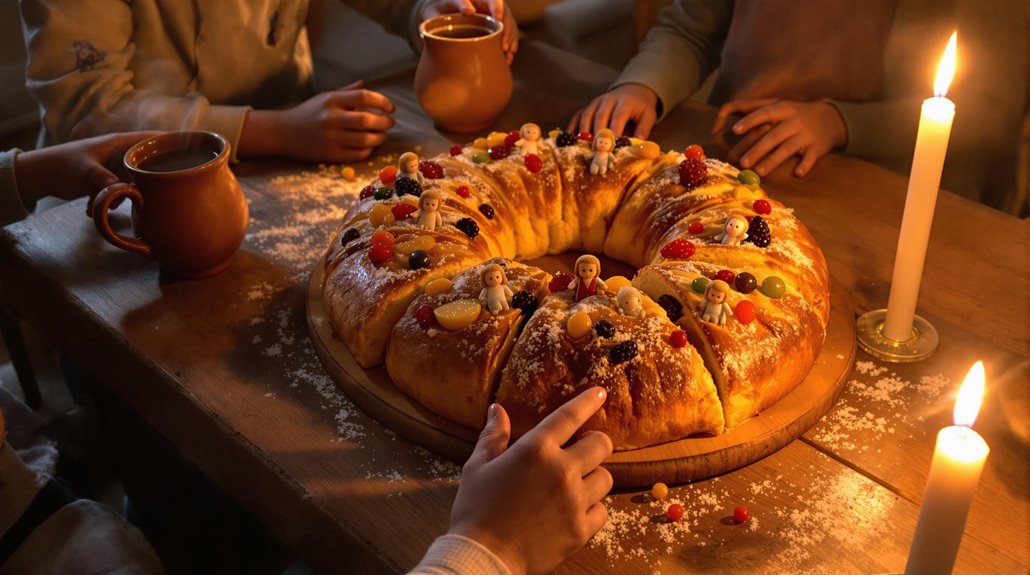
In Mexico, you'll find Three Kings Day (January 6th) filled with cherished traditions that honor the biblical Magi's expedition. Families gather to share the crown-shaped Rosca de Reyes bread, which contains a hidden baby Jesus figurine. Children leave their shoes out with hay for the kings' camels, hoping to receive gifts just as Jesus received gold, frankincense, and myrrh. You'll see homes decorated with nativity scenes while families enjoy Mexican hot chocolate and play games late into the evening. The celebration doesn't end there - finding the figurine in the Rosca connects directly to February's Candlemas festivities.
Origins of Three Kings Day
How did one of Mexico's most cherished holiday traditions begin? The story takes you back to the biblical account of the Three Wise Men, a tale that's become the foundation of what you'll know today as Three Kings Day or Epiphany. According to the Gospel of Matthew, these wise men, known as Magi, traveled from the East following a star that led them to the infant Jesus Christ.
You'll recognize these travelers by their traditional names - Melchior, Caspar, and Balthazar - though it's worth noting these names aren't mentioned in the biblical text. What's documented is their significant mission: bringing precious gifts of gold, frankincense, and myrrh to honor the newborn king. This momentous visit marked the first revelation of Jesus Christ to the Gentiles, establishing the foundation for what would become Three Kings Day.
The celebration, observed on January 6th, has grown from its early Christian roots into a cherished tradition that spans continents. While you'll find varying customs across different regions, the core story of the Magi's expedition remains central to this important religious and cultural observance that's now deeply woven into Mexico's holiday fabric.
Mexican Holiday Customs
The celebration of Día de los Reyes in Mexico unfolds through lively customs that bring families and communities together. As the final major celebration of the Christmas season, Three Kings Day uncovers homes across Mexico into festive gathering spaces where ancient traditions meet modern celebrations.
You'll find these essential customs at the heart of every Día de los Reyes celebration:
- The sharing of Rosca de Reyes, a crown-shaped sweet bread containing a hidden Baby Jesus figurine
- Children's tradition of leaving shoes filled with hay for the Three Magi's camels, later unearthing them filled with candies and toys
- Family gift exchanges that honor the presents brought by the Three Kings to infant Jesus
- The continuation of festivities through Día de la Candelaria, when whoever found the Baby Jesus in the Rosca hosts a tamale feast
This Mexican tradition creates a beautiful bridge between Christmas and Candlemas Day, weaving together religious significance and cultural celebration. Throughout these winter festivities, you'll experience how Mexican families preserve their heritage while creating lasting memories through shared meals, games, and cherished customs.
The Sacred Rosca Bread
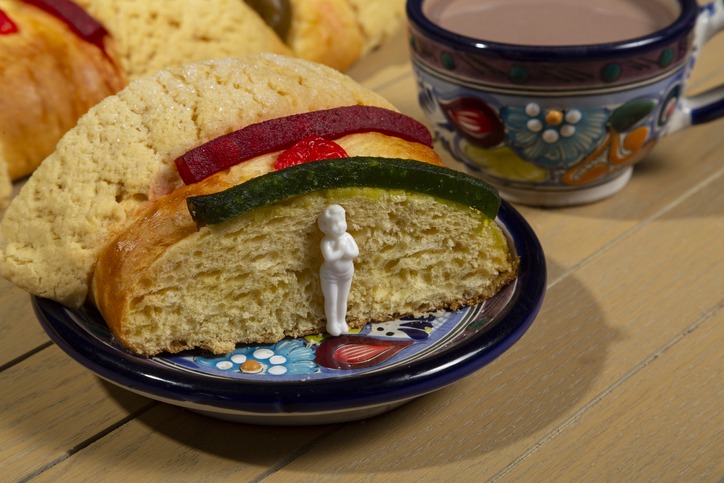
At the center of Three Kings Day celebrations, you'll find the cherished Rosca de Reyes, a crown-shaped sweet bread that carries deep religious symbolism. The bread's circular shape represents a king's crown, honoring the three wise men who embarked on a journey to meet the infant Jesus. When you see the dried fruit adorning the top and the glistening sugar glaze, you're witnessing decorative elements that have been part of this Mexican tradition for generations.
Inside each Rosca de Reyes, you'll uncover a small surprise - a figurine representing baby Jesus, hidden within the dough. This tradition recalls the time when Jesus had to be concealed from King Herod's threats, and the knife used to cut the bread serves as a somber reminder of this danger. If you're fortunate enough to find the figurine in your slice, you'll have the honor and responsibility of hosting a gathering on Dia de la Candelaria (Candlemas Day) on February 2nd. This continuation of Christmas in Mexico creates a beautiful bridge between the celebrations of Christmas Eve and the end of the holiday season.
Gift-Giving and Family Celebrations
Celebrating Three Kings Day in Mexico centers on cherished family traditions that put a unique spin on holiday gift-giving. Unlike many other countries where Santa Claus is the primary gift-bearer, Mexican children eagerly await the arrival of the Three Kings on January 6th, known as the Day of The Kings or feast day.
The evening before this special celebration, kids leave their shoes filled with hay to feed the Kings' camels, just as the wise men followed the star to Bethlehem bearing gifts of frankincense and myrrh. By morning, the hay disappears, replaced with candies and toys, bringing excitement to children who've anxiously waited since Christmas.
Festive decorations including Christmas trees and nativity scenes still on display
Families gathering around tables laden with Mexican hot chocolate and Rosca de Reyes
Children excitedly checking their shoes for presents from the Three Kings
Multiple generations playing games and sharing stories late into the evening
This celebration emphasizes family togetherness, with big parties and traditional meals bringing relatives closer as they honor this significant religious and cultural tradition.
Candlemas Connection
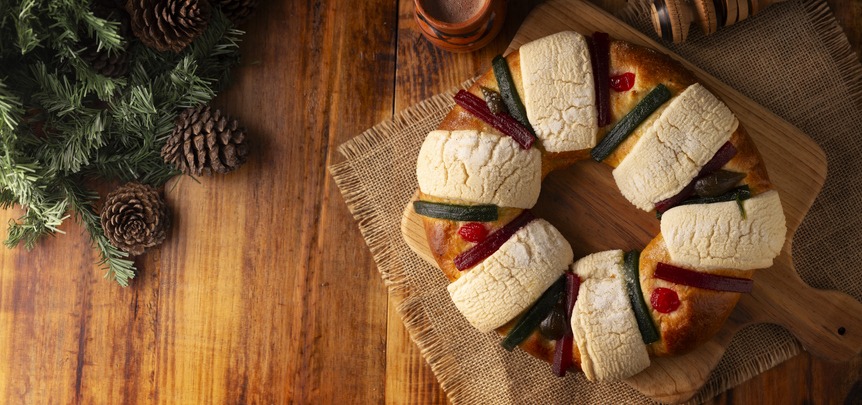
Flickering candles illuminate homes across Mexico on February 2nd as Three Kings Day celebrations naturally flow into Candlemas Day. This meaningful connection between the two holidays showcases the rich fabric of Mexican cultural traditions, where Spanish customs blend seamlessly with local practices.
You'll find that Candlemas marks more than just a religious observance - it's deeply intertwined with the fertile land and agricultural heritage of Mexico. The tradition of lighting candles, which gives the celebration its name, symbolizes hope and renewal as families gather to mark this special occasion.
If you found the baby Jesus figurine in your slice of Rosca de Reyes during Three Kings Day, you'll have a special role to play on Candlemas. You're responsible for providing tamales for the celebration, whether you make them yourself or buy them. After attending church services, you'll join family and friends to share these traditional corn-based delicacies. This direct link between finding the doll in the Rosca de Reyes and providing tamales on Candlemas creates a beautiful continuity between the two celebrations, reinforcing community bonds and preserving cherished customs.
Related posts