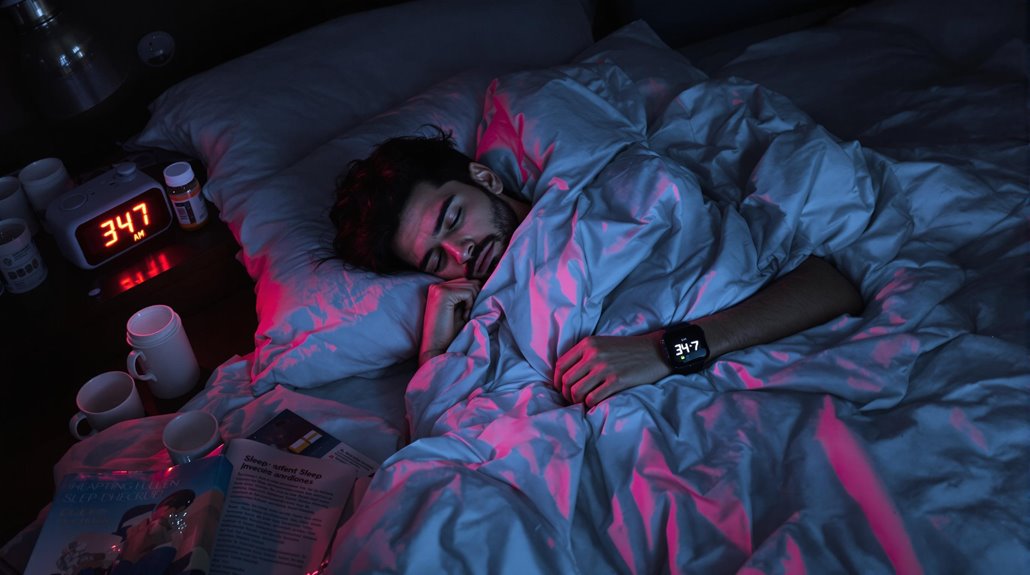
The Pros and Cons of Sleeping in Separate Beds for Couples

Sleeping in separate beds can drastically improve your sleep quality, with 60% of couples reporting better rest and reduced stress when sleeping apart. You'll avoid common disruptions like snoring, different schedules, and temperature preferences. However, you'll need to work harder to maintain intimacy and connection, as 28% of couples worry about relationship impacts. The key is open communication, establishing clear guidelines, and creating intentional moments for physical closeness. While separate sleeping arrangements work well for many couples, especially the 82% with children, success depends on your commitment to finding the right balance for your unique situation.
Why Couples Choose Separate Beds
Why do modern couples increasingly opt for separate sleeping arrangements? The decision to pursue "sleep divorce" often stems from practical concerns that affect sleep quality and relationship health. Statistics show that snoring tops the list as the primary reason, with over 57% of couples citing it as their motivation for sleeping separately.
Different sleep schedules present another significant challenge, particularly among younger generations. You'll find that 63% of Millennials and 62% of Gen Z-ers choose separate beds due to conflicting wake times, while Baby Boomers are more likely to separate due to snoring issues. Sleep temperature preferences also play a fundamental role, with 58% of couples reporting it as a source of bedroom conflict.
If you're a parent, you're not alone in choosing separate sleeping arrangements - over 82% of couples who practice bed sharing alternatives have children. This suggests that the need for uninterrupted sleep becomes even more critical with parenting responsibilities. While some couples worry about intimacy impacts (notably 28% of Millennials and 23% of Gen X), many find that addressing sleep disorders and disruptions through separate sleeping arrangements actually improves their overall relationship satisfaction.
Health Benefits of Sleeping Apart
Quality sleep alters both health and relationships when couples choose separate beds. Research shows that sleep arrangements greatly impact your overall well-being, with over 60% of couples who sleep separately reporting better sleep quality compared to 51% who share a bed.
When you opt for separate beds, you'll likely experience reduced stress levels, as demonstrated by 60% of couples who sleep apart feeling less stressed than their counterparts in shared beds. You're able to customize your sleep environment to your precise needs, whether it's adjusting the temperature or selecting your preferred mattress firmness. This personalization can lead to Superior Sleep, particularly for older adults, with 27% of Baby Boomers reporting exceptional sleep quality in separate beds.
Without sleep disruptions from your partner's movements or snoring, you're more likely to achieve uninterrupted rest. Any sleep medicine specialist would confirm that quality sleep is fundamental to maintaining healthy relationships and overall well-being. By choosing separate beds, you're not just investing in better rest - you're potentially enhancing both your physical health and relationship quality through improved sleep patterns and reduced nighttime disturbances.
Impact on Relationship Quality

Sleeping arrangements can greatly shape relationship dynamics, as shown by over 40% of bed-sharing couples questioning their relationship due to sleep-related issues. Common challenges like snoring and mismatched sleep schedules can create tension between partners who share a bed.
While you might worry that sleeping in separate beds could harm your relationship, the data suggests otherwise. Some couples actually report improved relationship satisfaction after choosing to sleep separately, with 26% rating their relationship as "Amazing" compared to 19% before the change. However, it's worth noting that couples who sleep together generally report higher relationship satisfaction, with 33% rating their relationship as "Amazing."
Your relationship status might influence your openness to try separate sleeping arrangements. Married couples are substantially more open to the idea, with 62% willing to consider separate beds compared to just 24% of unmarried couples. The key to maintaining a healthy relationship while sleeping apart is communication. You can still maintain intimacy and connection with your partner through open dialogue and intentional quality time, regardless of your sleeping arrangements.
Communication and Intimacy Challenges
Trust forms the foundation when couples decide to sleep separately, making open communication essential to prevent feelings of insecurity or abandonment. You'll need to address potential challenges head-on to maintain relationship health and prevent resentment from building between partners. While sleeping apart can improve sleep quality, it's pivotal to remain adaptable and open-minded about maintaining intimacy.
To successfully navigate sleeping separately while preserving your connection, consider these key factors:
- Establish regular check-ins with your partner to discuss feelings, concerns, and expectations about the arrangement
- Create intentional moments for physical intimacy and quality time together outside the bedroom
- Remain flexible with your sleeping arrangements, understanding that needs may change over time
Remember that sexual intimacy doesn't have to suffer when you sleep in different rooms. Many couples find creative ways to maintain their connection, and some even report improved intimate relationships due to better rest. The key is maintaining honest, ongoing communication about both partners' needs and concerns. If you're feeling disconnected, don't hesitate to express your feelings and work together to find solutions that support both your sleep quality and relationship goals.
Making Separate Sleeping Work
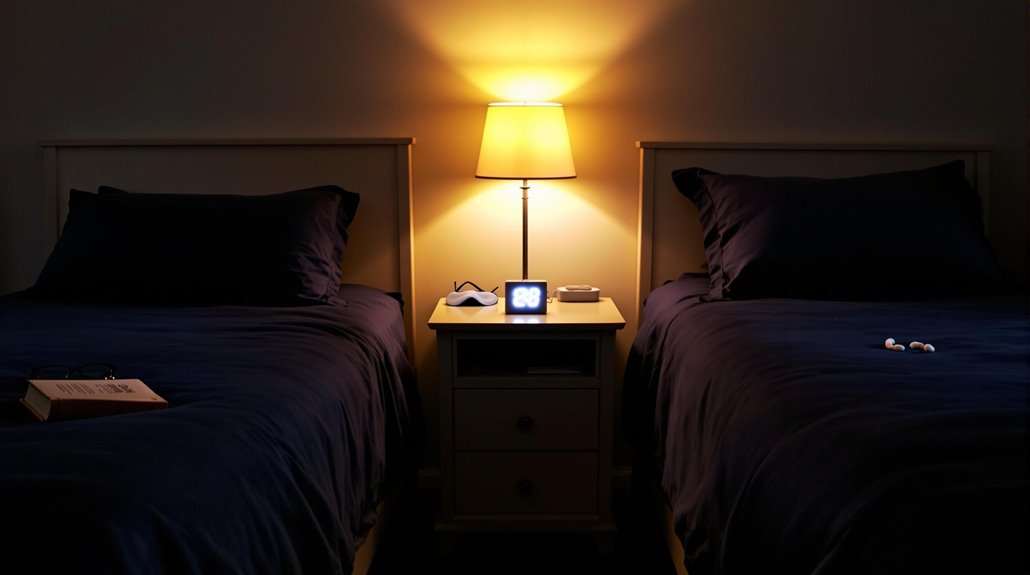
Successful separate sleeping arrangements require thoughtful planning and consistent effort from both partners. When you're considering sleeping apart, start by having an open discussion about your reasons and establish clear guidelines that work best for both of you. Confirm you're both comfortable with this choice made and understand it's not a reflection of your commitment to the relationship.
Set up your separate bedrooms to accommodate individual sleep/wake schedules and temperature preferences while maintaining connection. You can create routines that preserve intimacy, like spending time together before heading to your respective rooms or sharing breakfast in the morning. Implement a schedule for sharing the same bed on specific nights to maintain physical closeness.
In committed relationships, sleeping arrangements should support both your sleep quality and emotional bonds. You'll need to establish new patterns for physical intimacy and guarantee you're maintaining regular affectionate contact throughout the day. Remember that improved sleep can actually strengthen your healthy relationship by ensuring you're both well-rested and emotionally available. Stay flexible and willing to adjust your approach as needed, always prioritizing open communication and mutual understanding.
Sleep Quality Statistics
Recent studies depict a clear image: couples who sleep separately often experience better rest than those who share a bed. The data shows that 60% of people who sleep separately report feeling less stressed, while only 51% of those who sleep with their partner rate their sleep quality as good or magnificent.
When comparing how quickly people fall asleep, the difference is notable:
- 90 respondents who sleep alone drift off in 10 minutes or fewer
- 75 respondents who share a bed take longer to fall asleep
- 60% of those sleeping apart report improved sleep quality versus 51% who sleep with their partner
Generational differences also play a role in how sleeping arrangements affect rest. Baby Boomers and Gen X-ers who sleep separately report better sleep, with roughly 27-28% rating their sleep as splendid. Curiously, Millennials are the exception, reporting better sleep quality when they share a bed with their partner.
If you're concerned about how sleeping in separate beds might affect intimacy, research suggests there's no need to worry. The key to maintaining a healthy sleep and relationship balance lies in open communication about your sleeping arrangements.
Personal Space and Individual Needs
Beyond the numbers and statistics, each person brings unique sleep preferences and habits to the bedroom. When you're sharing a bed with someone who has different needs, like restless leg syndrome or a tendency to toss and turn throughout the night, it can lead to poor sleep for both partners. Recognizing and respecting these individual needs is vital for maintaining a healthy relationship and sleep schedule.
Choosing to sleep in separate beds doesn't mean your relationship is failing - it's often a practical solution that acknowledges your unique requirements for personal space. You might prefer a firmer mattress while your partner needs a soft one, or perhaps you're a light sleeper who wakes at the slightest movement. Sleeping apart can provide the freedom to create your ideal sleep environment without compromise.
When you choose to sleep separately, you're prioritizing quality rest while maintaining intimacy in other ways. Many couples find that having their own space at night actually improves their relationship, as they're both well-rested and better equipped to handle daily challenges together.