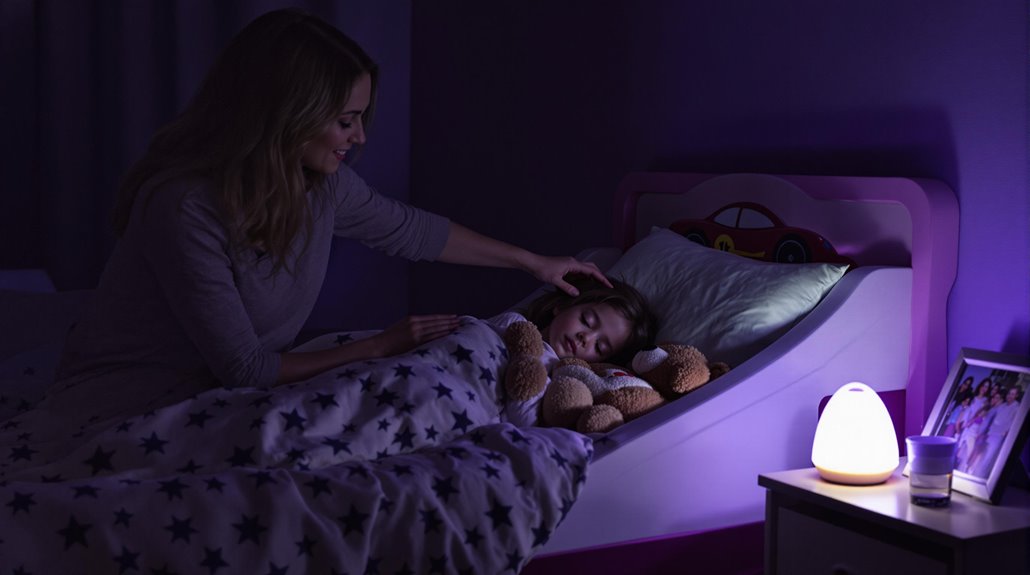
The Physical and Emotional Effects of Co-Sleeping With Children

Co-sleeping with your children creates both positive and negative effects on physical and emotional development. You'll notice enhanced parent-child bonding through synchronized breathing patterns and increased oxytocin release, strengthening emotional connections and trust. However, you might experience disrupted sleep patterns and potential challenges in developing your child's independence. While co-sleeping can provide immediate comfort and security, it's important to ponder safety guidelines and long-term developmental impacts. The practice affects sleep quality, emotional regulation, and attachment patterns differently across cultures and family situations. Understanding these intricate workings will help you make informed decisions for your family's sleeping arrangements.
Benefits of Physical Closeness
The physical closeness between parent and child during co-sleeping creates powerful biological and emotional connections that benefit both parties. When you share your sleep space with your infant, you'll notice your breathing patterns and body temperatures naturally sync, establishing a deeper physiological bond that enhances the quality of rest for both of you.
Your child's emotional security strengthens through this nighttime proximity, as your consistent presence helps develop secure attachment patterns. You'll also find yourself more attuned to your infant's needs, allowing you to respond quickly to night wakings and facilitate easier breastfeeding sessions without fully disrupting either of your sleep cycles.
Research shows that co-sleeping supports your child's health by reducing episodes of infant apnea, a serious concern for many parents. Additionally, the varied sleep patterns that develop during co-sleeping contribute to better self-regulation skills in your child. This means your little one learns to manage their sleep-wake cycles more effectively, leading to improved overall sleep quality. The physical closeness during these shared sleep experiences creates a foundation for healthy emotional development and stronger parent-child bonds.
Sleep Quality and Duration
Despite common beliefs about bonding benefits, co-sleeping often compromises sleep quality for both parents and children. Research consistently shows that sharing a bed leads to disrupted sleep patterns and frequent nighttime awakenings, preventing both parties from achieving the deep, restorative sleep they need.
You'll likely notice that your sleep quality diminishes when co-sleeping, as you're more prone to wake up during your child's movements or sounds. This fragmented sleep can leave you feeling exhausted during the day, affecting your cognitive performance and emotional well-being. Parents who co-sleep often report increased fatigue, difficulty concentrating, and higher stress levels due to poor sleep.
For your child, co-sleeping can interfere with the development of healthy infant sleep habits. They may struggle to learn essential self-soothing skills and become dependent on your presence to fall asleep. This dependency can create long-term sleep challenges that persist well beyond the early years. The disruption in sleep patterns can also impact their daytime behavior, emotional regulation, and overall development. When you consider these effects, it's clear that the sleep quality sacrifices of co-sleeping warrant careful consideration.
Parent-Child Bonding Dynamics

In contrast to sleep disruption concerns, co-sleeping offers significant benefits for parent-child bonding. When you share your sleeping space with your child, you're creating opportunities for deeper emotional connections and stronger attachment. This physical closeness allows you to respond quickly to your child's needs, reinforcing their sense of security and trust in you as a parent.
While sleeping together, your body releases oxytocin, often called the bonding hormone, which strengthens your emotional connection with your child. This natural process doesn't just enhance your relationship; it also contributes to your child's developing self-esteem and social capabilities. You'll notice that your child feels more protected and comfortable, which helps them develop emotional stability and resilience.
When you consistently practice co-sleeping and remain responsive to your child's nighttime needs, you're helping them build pivotal emotional regulation skills. They'll learn to better manage stress and develop a secure attachment style that can benefit their future relationships. The proximity and protection you provide during these shared sleeping experiences create a foundation of trust that extends well beyond bedtime.
Emotional Security Development
Through consistent co-sleeping practices, children develop strong emotional security that serves as a foundation for their mental well-being. When you share your sleeping space with your child, you're creating an environment where they feel safe and protected, cultivating trust that'll benefit their emotional development for years to come.
Your physical presence during sleep helps your child feel secure and understood, as you're readily available to respond to their emotional needs. This immediate responsiveness strengthens their ability to regulate emotions and handle stress effectively. The release of oxytocin during co-sleeping enhances the bond you share with your child, contributing to their growing self-confidence and social capabilities.
When you provide this consistent source of comfort through co-sleeping, you're helping your child build emotional security that extends beyond bedtime. They'll develop resilience and coping skills that serve them well when facing life's challenges. The trust and protection they experience during these shared moments create a lasting impact on their emotional well-being, helping them grow into emotionally stable individuals who can form healthy relationships and maneuver social situations with confidence.
Separation Anxiety Concerns

While co-sleeping promotes emotional security, it can present challenges when addressing separation anxiety in children. Research shows that children who share beds with their parents for extended periods often struggle more with separation anxiety compared to those who sleep independently. You'll notice these children may have difficulty developing pivotal self-soothing skills, which can affect their emotional regulation during times of stress or division.
If you're co-sleeping with your child, you should be aware that shifting to independent sleeping arrangements might become increasingly challenging as time goes on. Child sleep experts emphasize that prolonged bed-sharing can create sleep problems that extend beyond bedtime, affecting your child's ability to handle separations during daylight hours as well. To minimize these concerns, you'll want to establish consistent bedtime routines and gradually introduce independent sleep practices.
You can help your child develop healthy sleep habits by implementing a step-by-step approach to separate sleeping arrangements. This might include starting with short periods of independent sleep and slowly extending the duration. By addressing separation anxiety early and creating a supportive relocation plan, you'll help your child build the confidence needed for successful independent sleeping.
Independence and Personal Growth
As children develop, their need for independence grows alongside their desire for personal space and autonomy. Extended co-sleeping can significantly impact your child's ability to develop crucial self-reliance skills, particularly when it comes to their capacity to sleep independently.
The psychological effects of bed-sharing often extend beyond nighttime routines. Your child may find it challenging to establish personal boundaries and understand the concept of private space when they've grown accustomed to sharing your bed. This can affect their overall sense of independence and personal identity development.
To support your child's growth, you'll need to establish healthy sleep habits that promote both emotional security and autonomy. Consider implementing a gradual transition plan from co-sleeping to independent sleep arrangements. This approach helps your child develop essential self-soothing skills while maintaining their sense of security. By creating a structured sleep environment that encourages self-sufficiency, you're helping your child build confidence in their ability to manage separation and personal space. Remember that the goal is to encourage their growth while maintaining a supportive emotional connection that doesn't compromise their developing autonomy.
Hormonal Effects During Sleep

Co-sleeping triggers several important hormonal changes in both you and your child during sleep. When you share sleeping space with your child, your bodies naturally produce oxytocin, often called the bonding hormone, which strengthens your emotional connection and helps your child feel more secure. This close proximity also synchronizes your sleep-wake patterns, making it easier for both of you to maintain healthy sleep schedules.
The hormonal effects of co-sleeping extend beyond emotional bonding. Your child's body increases its production of melatonin, the sleep-regulating hormone that promotes calmness and helps establish better sleep patterns. During these shared sleep periods, your child's body also releases more growth hormone, which is essential for their physical development and overall health. Additionally, co-sleeping can help regulate your child's cortisol levels, reducing stress and anxiety during nighttime hours.
Understanding these hormonal effects can help you make informed decisions about your sleeping arrangements. While each family's situation is unique, the biological benefits of co-sleeping demonstrate how this practice can positively influence your child's development through natural hormonal responses.
Cultural Perspectives on Co-Sleeping
Beyond the biological aspects of shared sleep, cultural values and beliefs play a powerful role in shaping families' sleeping arrangements worldwide. You'll find that co-sleeping practices vary significantly across different societies, with many non-Western cultures embracing it as an essential aspect of child-rearing. These cultural beliefs often stem from deeply rooted traditions that emphasize family bonding and emotional security.
While Western societies might view co-sleeping with some hesitation, many cultures consider it indispensable for children's development and well-being. You'll uncover that factors like living conditions, economic circumstances, and social norms heavily influence how different communities approach shared sleep arrangements.
- Traditional societies often view co-sleeping as a natural extension of responsive parenting
- Many Asian cultures consider co-sleeping pivotal for developing strong family bonds
- Some communities believe that shared sleep helps children feel more secure and confident
- Non-Western cultures frequently prioritize collective family experiences over individual independence
When you examine co-sleeping through a cultural lens, you'll understand that there's no universal "right way" to arrange family sleep. Instead, these practices reflect deeper cultural values and priorities in child-rearing approaches.
Family Relationship Impact
The bonds formed during nighttime rest shape the foundation of family relationships through co-sleeping practices. When you share your bed with your child, you're creating opportunities for deeper emotional connections that extend far beyond bedtime. The physical closeness triggers the release of oxytocin, strengthening your child's mental health and social development.
Your child's ability to regulate emotions and handle stress improves through consistent co-sleeping arrangements. The practice enables you to respond quickly to nighttime needs, nurturing trust and security that contribute to your child's overall well-being. This immediate responsiveness plays a pivotal role in Developmental and Behavioral growth, as your child learns to form secure attachments.
However, you'll need to balance these benefits against potential challenges. While co-sleeping can enhance family bonds, it might affect your child's development of independence. As your child grows, they'll need to develop their sense of autonomy and personal boundaries. Consider gradually shifting to independent sleeping arrangements when you notice your child showing signs of needing more personal space, ensuring a healthy balance between attachment and independence.
Sleep Pattern Transitions
Moving from shared sleeping to independent bedtime arrangements marks a significant milestone in your child's development. When you're ready to make this shift, typically around age 2, you'll need to establish a consistent bedtime routine that promotes quality hours of sleep. While some parents worry about nighttime awakenings during this change, children who've co-slept consistently often adapt well to their own beds when the shift is handled properly.
You'll find more success by implementing gradual changes rather than making sudden adjustments to your child's sleep environment. Remember that your approach to co-sleeping—whether it was a conscious choice or a reactive solution—can influence how smoothly this shift goes.
- Create a predictable bedtime routine with activities like reading, soft music, or gentle massage
- Set up your child's room to be comfortable and secure, addressing any safety concerns
- Start with naps in the new sleep space before transitioning nighttime sleep
- Stay consistent with your chosen approach, even if you encounter initial resistance
This shift period requires patience, but with proper support and consistency, your child can develop healthy independent sleep patterns while maintaining strong family bonds.
Mental Health Considerations

Mental health implications of co-sleeping stretch far beyond simple sleep arrangements, affecting both parents and children in significant ways. If you're co-sleeping with your child, you'll need to ponder how this practice impacts your own psychological well-being, as research shows increased levels of depression and anxiety among co-sleeping mothers. Poor maternal sleep quality often compounds these mental health challenges, creating a cycle that's difficult to break.
Your child's emotional development is equally at stake. While co-sleeping might feel nurturing, it can encourage child dependency and complicate their pathway toward independence. You may notice your child developing separation anxiety when attempts are made to transition them to their own sleeping space. This anxiety can manifest in various ways, affecting their daytime behavior and social interactions.
Your family's socioeconomic status, education level, and cultural background will influence how co-sleeping affects your mental health. If you're experiencing emotional strain from co-sleeping, ponder how these factors interact with your family's specific situation. Understanding these connections can help you make informed decisions about your sleeping arrangements while prioritizing everyone's mental well-being.
Setting Healthy Boundaries
Maneuvering healthy boundaries within a co-sleeping arrangement requires careful consideration of both your child's developmental needs and your family's personal space requirements. When you establish clear sleeping arrangements, you'll help your child develop independence while maintaining emotional security. While co-sleeping can reduce anxiety about sudden infant death syndrome, it's crucial to create defined spaces within your shared bed.
You'll need to adapt your boundaries as your child grows, working with health care providers to guarantee you're supporting age-appropriate development. Getting your child to sleep independently starts with consistent rules and gentle transitions. Here are key strategies for setting effective boundaries:
- Create designated sleep zones using pillows or small barriers to define personal space
- Set consistent bedtime routines that include independent activities for your child
- Establish clear expectations about when and how physical contact is appropriate
- Implement gradual transition periods where your child practices sleeping alone for short intervals
Remember that maintaining healthy boundaries isn't just about physical space—it's about cultivating your child's autonomy while preserving intimate time with your partner through thoughtful planning and communication.
Safety Guidelines
For the safety of your infant, following strict guidelines when co-sleeping is absolutely critical. The American Academy of Pediatrics strongly advises against bed-sharing with infants under one year old due to the increased risk of Sudden Unexpected Infant Death Syndrome and other hazardous situations. Instead, they recommend having your baby sleep alone in their own crib or bassinet while sleeping in close proximity to you in the same room.
If you're considering co-sleeping arrangements, you'll need to guarantee your infant's safety by removing all potential dangers. This means keeping soft bedding, loose blankets, and pillows away from your baby's sleep area to prevent accidental suffocation. You shouldn't share a bed with your infant if you've consumed alcohol, drugs, or medications that might affect your alertness and response time.
For premature babies, it's particularly important to follow these safety measures strictly. The safest approach is room-sharing, which allows you to respond quickly to your baby's needs while maintaining a separate sleep surface. This arrangement supports both breastfeeding success and infant safety without compromising either.
Long-Term Developmental Effects
While safety measures form the foundation of co-sleeping decisions, parents should also consider how this sleeping arrangement affects their child's development over time. Recent studies in Human Development suggest that extended co-sleeping can impact your child's ability to develop essential self-regulation skills. When you allow your child to stay in your bed beyond the recommended sleep guidelines, they might struggle to establish independent sleeping patterns and self-soothing abilities.
Research has identified several long-term developmental considerations that you'll want to evaluate:
- Increased risk of separation anxiety when moving to solo sleeping
- Potential delays in developing personal boundaries and privacy awareness
- Challenges in building age-appropriate autonomy and independence
- Possible difficulties in emotional self-regulation and relationship building
While co-sleeping can provide emotional security during infancy and help reduce anxiety about infant death syndrome, you'll need to balance these benefits against potential developmental impacts. The effects on your child's social and emotional growth aren't fully understood, but evidence suggests that prolonged co-sleeping might interfere with their development of independent skills and personal space awareness. Consider gradually shifting your child to independent sleeping arrangements as they grow older.
Research-Based Sleep Solutions
Research-driven approaches to shifting from co-sleeping offer practical solutions that balance your child's emotional needs with developmental milestones. While studies acknowledge the benefits of co-sleeping in reducing infant death syndrome (SIDS) risks and promoting parent-child bonding, the transition to independent sleep becomes crucial for long-term development.
You'll want to establish a consistent bedtime routine that gradually helps your baby to sleep independently. Start by personalizing their sleep space with familiar comfort items and involving them in room decoration choices. The Children's Hospital recommends using positive reinforcement systems, but avoid food-based rewards. Instead, focus on celebrating small victories in their voyage toward independent sleep.
When transitioning from co-sleeping, you'll need to address your child's attachment needs while encouraging autonomy. Consider implementing a gradual approach that matches your child's developmental stage. This might include starting with nap times before moving to full nights, or using a nearby mattress before relocating to their own room. Remember to maintain regular communication with your pediatrician, who can provide guidance customized to your child's specific needs and circumstances.