The Effects of Poor Sleep on Children’s Health and Behavior

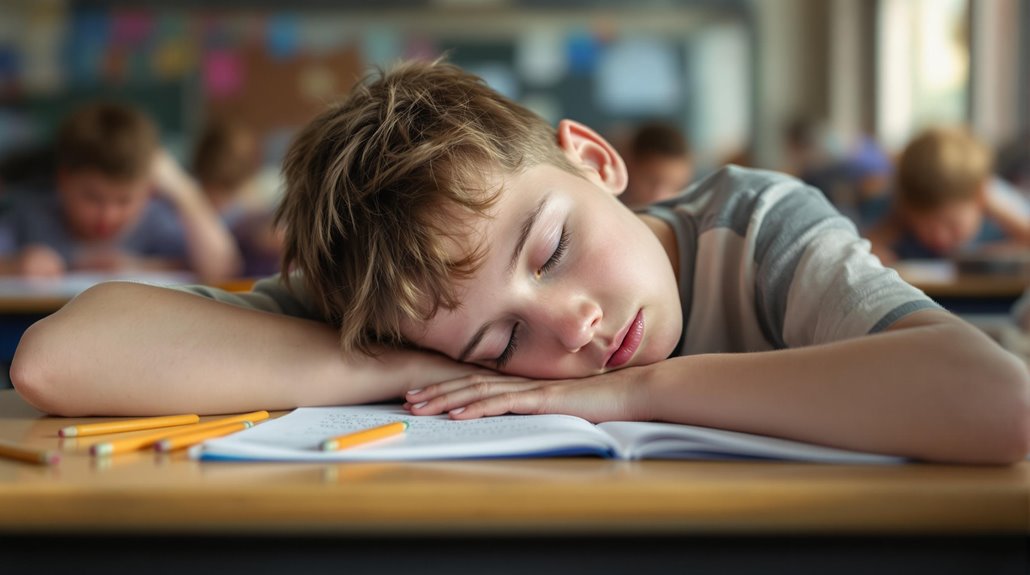
Poor sleep can severely impact your child's physical and mental health, leading to a 60% higher risk of obesity and significant behavioral changes. You'll notice increased tantrums, mood swings, and difficulty managing emotions when your child isn't getting enough rest. Their academic performance can drop by up to 14% for each hour of lost sleep, and they're more likely to develop anxiety or depression. Look out for warning signs like excessive crying, unpredictable behavior, or frequent illnesses. Understanding proper sleep duration guidelines and implementing healthy sleep habits can alter your child's well-being in considerable ways.
Understanding Sleep Deprivation in Children
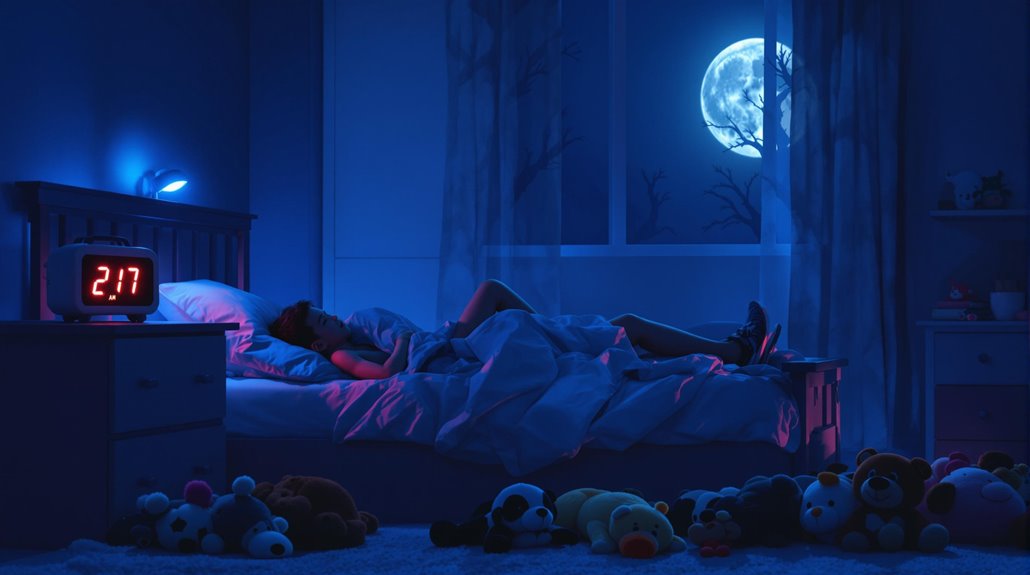
Consistently getting enough sleep is pivotal for a child's development, yet many children today struggle with sleep deprivation. When your child isn't getting the recommended 10-13 hours of sleep each night, they're at risk for serious health complications that can affect both their physical and mental well-being.
Sleep problems in children often manifest through various behavioral changes and health issues. You'll notice that sleep-deprived children are more likely to exhibit aggressive behavior, struggle with emotional regulation, and have difficulty concentrating. What's particularly concerning is that these sleep issues can trigger or worsen existing mental health conditions, including depression and ADHD.
The impact of sleep deprivation extends beyond behavioral challenges. Your child's physical health is also at stake, with increased risks of obesity, heart disease, and diabetes. It's imperative to recognize that children's sleep needs differ from adults, and they require significantly more rest to support their rapid growth and development. When your child consistently misses their recommended sleep hours, they're not just tired – they're compromising their body's ability to develop properly and maintain ideal health.
Physical Health Impacts
When children don't get adequate sleep, their bodies face serious physical health consequences that can persist well into adulthood. Your child's risk of obesity increases markedly, with research showing that children who sleep less are 60% more likely to become overweight compared to their well-rested peers.
The impact of sleep disorders extends far beyond weight concerns. Your child's cardiovascular system can be severely affected, leading to dangerous health problems like high blood pressure and heightened cholesterol levels. Additionally, insufficient sleep disrupts your child's blood sugar regulation, potentially increasing their risk of developing type 2 diabetes.
You'll want to pay attention to your child's immune function as well, as poor sleep quality weakens their body's natural defenses against illnesses and infections. Perhaps most concerning is the effect on your child's growth and development. When children don't get enough sleep, their bodies can't properly release essential growth hormones, potentially leading to delayed physical development. Understanding these risks highlights why maintaining proper sleep habits is imperative for protecting your child's long-term health and preventing serious medical conditions from developing.
Behavioral Warning Signs
Several behavioral red flags can alert you to your child's sleep deprivation issues. When your child can't fall asleep properly or isn't getting enough rest, you'll notice significant changes in their behavior and emotional state. From toddlers to teenagers, sleep problems manifest differently across age groups, but they all point to the same underlying issue.
- Toddlers who experience frequent meltdowns, excessive crying, or regular tantrums may be struggling with insufficient sleep
- Teenagers showing increased irritability, unpredictable mood swings, or difficulty managing emotions could be sleep-deprived
- Children who already face mental health challenges may find their symptoms intensifying due to poor sleep habits
What's particularly important is that these behavioral changes aren't rare occurrences. With nearly 30% of children and a staggering 75% of teenagers not meeting recommended sleep requirements, it's essential to recognize these warning signs early. Your child's irritable behavior might not just be a phase - it could indicate serious sleep deprivation. This is especially important because chronic lack of sleep increases their risk of developing anxiety and depression, creating a troubling cycle of mental health and sleep problems.
Mental Health Connections
Research repeatedly shows the deep connection between children's sleep patterns and their mental health outcomes. When your child can't fall asleep independently or experiences ongoing sleep problems in children, it's vital to recognize these issues might signal or worsen underlying mental health concerns.
The relationship between poor sleep habits and mental health challenges is particularly striking in children with anxiety disorders, who often struggle with racing thoughts at bedtime. If your child has depression, you'll want to pay special attention to their sleep patterns, as nearly three-quarters of depressed children report sleep disturbances, ranging from difficulty sleeping to sleeping too much.
Children with ADHD face unique sleep-related challenges that can intensify their behavioral symptoms, including increased aggression and difficulty controlling emotions. You'll notice that when your child isn't sleeping well, their mental health symptoms typically become more pronounced. That's why addressing sleep problems should be a key component of any mental health treatment plan. By helping your child develop healthy sleep habits, you're not just improving their rest – you're supporting their overall mental well-being and emotional regulation.
Academic Performance Effects

Poor sleep reaches far into your child's academic life, affecting everything from test scores to daily classroom engagement. When your kids don't get enough sleep, they'll struggle to maintain focus, solve problems, and remember important information. Research shows that for each hour of lost sleep, academic performance can drop by up to 14% - a significant impact that you'll notice in their grades and test scores.
The relationship between hours of sleep and academic success is clear: well-rested children perform better across all areas of learning. In fact, just one extra hour of sleep can increase standardized test scores by 2%. When your child gets proper rest, they're more likely to:
- Stay alert and engaged during lessons, absorbing more information
- Maintain better memory function and problem-solving abilities
- Avoid behavioral issues that can interfere with learning
Without adequate sleep, your child faces an uphill battle in school. They're more likely to receive lower grades and might even face grade retention. To support your child's academic performance, prioritizing their sleep schedule isn't just helpful - it's essential for their educational success.
Sleep Duration Guidelines
Now that you understand how sleep affects academic success, knowing the right amount of sleep for your child's age is the next step. The significance of sleep can't be overstated, as it directly impacts your child's growth, mental functioning, and overall health. You'll need to adjust your child's sleep schedule based on their age: newborns require 14-15 hours, toddlers need 12-14 hours, and preschoolers should get 11-13 hours of sleep daily.
When helping kids fall asleep, maintaining a consistent bedtime is essential, even on weekends. The amount of time your child gets should align with expert recommendations: school-age children need 10-11 hours, while teenagers require 8.5-9.5 hours nightly. The American Academy of Sleep Medicine emphasizes these guidelines because insufficient sleep can lead to serious health issues, including obesity, diabetes, and heart disease. It can also trigger anxiety, depression, and behavioral problems in children. By following these age-appropriate sleep guidelines and establishing regular sleep patterns, you're not just ensuring your child gets enough rest - you're protecting their physical and mental well-being for years to come.
Common Sleep Disorders

Sleep disorders can substantially impact your child's well-being, often going unnoticed or misdiagnosed as behavioral problems. When your child experiences poor sleep due to conditions like sleep apnea poses danger through repeated airway obstruction, leading to fragmented sleep patterns and daytime exhaustion. Similarly, restless leg syndrome can make it challenging for your child to fall asleep, while delayed sleep phase syndrome disrupts their natural sleep-wake rhythm.
- Inadequate sleep from narcolepsy can cause excessive daytime sleepiness, affecting your child's academic performance and social interactions
- Severe sleep disruptions from parasomnias like sleepwalking and night terrors can leave your child feeling exhausted and unfocused during the day
- Obstructive sleep apnea's breathing interruptions can lead to serious health concerns and behavioral issues if left untreated
It's of utmost importance to recognize these sleep disorders early, as they can profoundly impact your child's development and daily functioning. If you notice persistent sleep problems, unusual sleep behaviors, or excessive daytime fatigue in your child, consult a healthcare provider for proper evaluation and treatment. Early intervention can prevent long-term consequences and improve your child's quality of life.
Building Healthy Sleep Habits
Establishing healthy sleep habits can alter your child's rest quality and overall well-being. To promote good sleep, you'll need to create a consistent schedule that includes the same bedtime and wake-up time every day, even during weekends. This consistency helps regulate your child's internal body clock and makes it easier for them to fall asleep naturally.
Create a calming bedtime routine that signals it's time to wind down. You might include activities like a warm bath, reading stories, or listening to soft music. Make sure your child's bedroom environment supports healthy sleep by keeping it dark, quiet, and cool. If you're unsure about the ideal sleep environment, consult your child's doctor for personalized recommendations.
Limit your child's exposure to screens before bedtime, as the blue light can interfere with their natural sleep patterns. Instead, encourage physical activity during the day, but schedule it well before bedtime to avoid overstimulation. Regular exercise helps promote better sleep quality, but timing is pivotal. By following these guidelines consistently, you'll help your child develop sleep habits that support their health and development.
Environmental Sleep Factors
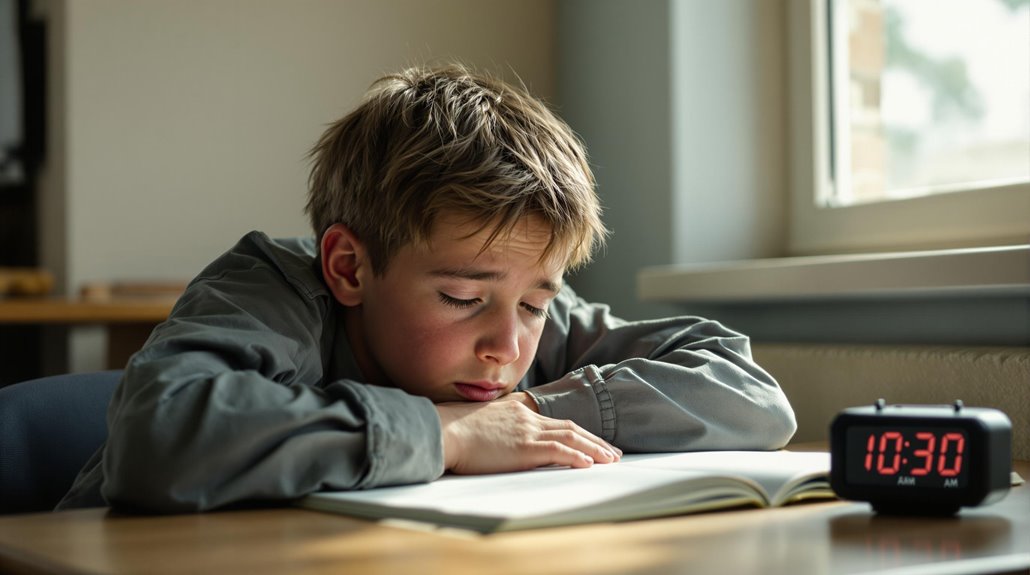
Beyond establishing routines, your child's physical sleep environment plays a powerful role in determining rest quality. According to the National Sleep Foundation, even minor environmental disruptions can profoundly impact your child's sleep patterns. Dr. Sarah Chen, creator of Cozy Critters and sleep specialist, emphasizes that managing electronic devices is essential, as blue light exposure can suppress melatonin production and make it harder for your child to fall asleep.
The Academy of Sleep Medicine recommends creating an ideal sleep environment by addressing these key factors:
- Temperature control: Maintain a cool, comfortable room temperature between 68-72°F (20-22°C)
- Sound management: Minimize household noise and consider using white noise machines to mask disruptive sounds
- Light reduction: Install blackout curtains and remove electronic devices that emit blue light
You'll want to declutter your child's bedroom and remove stimulating items that could prevent relaxation. Creating a consistent sleep schedule helps regulate your child's internal clock, while maintaining an organized, calm environment supports quality rest. When you address these environmental factors, you're helping your child achieve the recommended 9-12 hours of restorative sleep they need each night.
Sleep and Brain Development
During a child's critical developmental years, their brain undergoes extraordinary changes that depend heavily on quality sleep. Research shows that children and adolescents who aren't getting enough sleep face significant challenges in their cognitive development, including difficulties with memory retention, attention span, and decision-making abilities.
You'll notice that when your child doesn't sleep at night properly, they're more likely to exhibit behavioral issues like hyperactivity and emotional instability. To improve your child's sleep habits, it is crucial to understand that preschoolers need 11-13 hours of sleep, while school-aged children require 10-11 hours each night. Meeting these sleep requirements isn't just about preventing short-term problems; it's about safeguarding your child's long-term mental health.
Studies have revealed a concerning link between chronic sleep deprivation in childhood and an increased risk of developing anxiety and depression later in life. When you prioritize healthy sleep patterns, you're not just helping your child function better today - you're investing in their future mental well-being. The brain's developmental processes rely heavily on adequate sleep to form proper neural connections and establish healthy cognitive patterns.
Medical Conditions Affecting Sleep
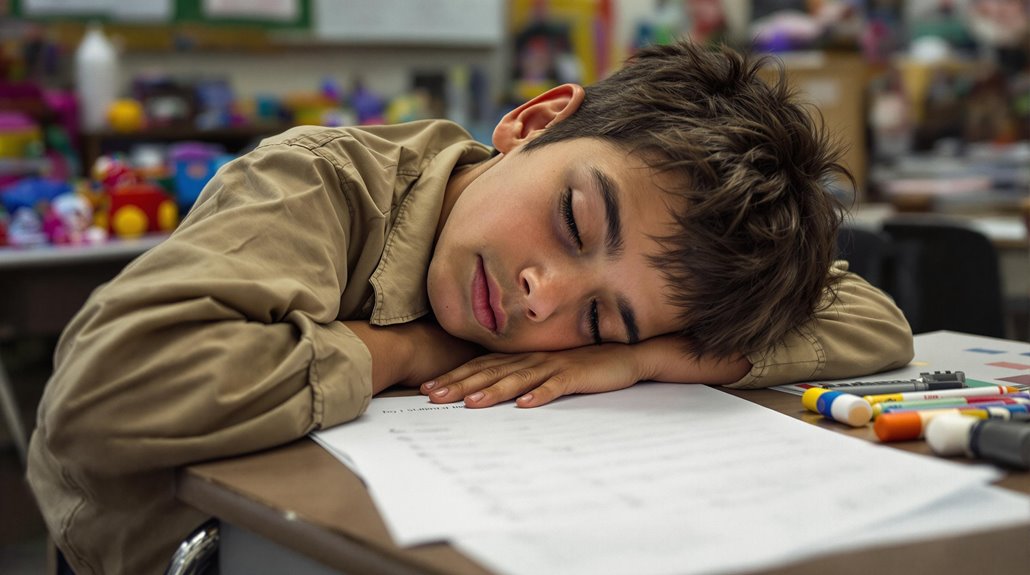
While healthy sleep patterns support brain development, various medical conditions can greatly disrupt a child's sleep quality. You'll find that conditions like obstructive sleep apnea can cause your child to experience repeated breathing pauses during sleep, leading to daytime fatigue and behavioral challenges. Similarly, periodic limb movements disorder disrupts sleep through repetitive limb movements, often resulting in fragmented sleep patterns and insomnia.
Gastroesophageal reflux disease (GERD) and restless leg syndrome can profoundly impact your child's ability to fall and stay asleep. When your child has GERD, the discomfort from acid reflux causes frequent nighttime awakenings. Meanwhile, restless leg syndrome creates an uncomfortable urge to move the legs, making it difficult to settle down for sleep.
- Physical conditions like hypothyroidism can cause excessive daytime sleepiness and poor sleep quality
- Sleep disorders such as obstructive sleep apnea may require medical intervention to prevent long-term health effects
- Movement-related conditions like periodic limb movements disorder and restless leg syndrome can be managed with proper medical guidance
Understanding these medical conditions is essential, as early identification and treatment can help restore healthy sleep patterns in your child.
Self-Soothing and Sleep Training
Teaching your child to self-soothe is a crucial milestone in their sleep development. When your child learns to fall asleep independently, they'll develop better sleep patterns that can benefit them throughout their lives. You'll notice that children who command self-soothing techniques, like using a pacifier or holding a comfort object, often spring back to sleep more easily when they wake during the night.
To help your child develop these important skills, you'll want to implement consistent sleep training methods. Graduated extinction and bedtime fading are proven approaches that can help your little one go to bed with less resistance. Creating a calm sleep environment and maintaining a regular bedtime routine will reinforce these self-soothing behaviors.
As your child grows, you'll need to gradually reduce your involvement in their bedtime routine. This strategic stepping back allows them to build confidence in their ability to fall asleep on their own. Remember that children who learn effective self-soothing skills typically experience fewer sleep disturbances and enjoy better sleep quality, setting them up for healthier sleep habits in the future.
Technology's Role in Sleep
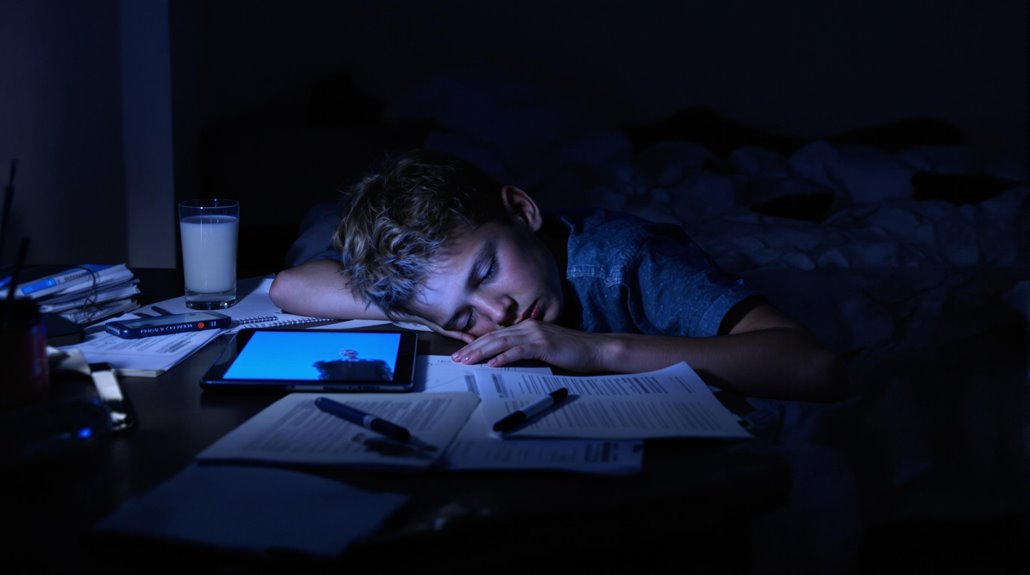
Modern technology has emerged as a significant disruptor of children's sleep patterns, with screens and devices playing an increasingly problematic role in bedtime routines. When your child engages in electronic device use before bed, they're exposing themselves to blue light that directly interferes with their natural melatonin production. This disruption makes it harder for them to fall asleep and maintain quality rest throughout the night.
You'll notice that children with unrestricted access to devices in their bedrooms often struggle with bedtime procrastination, pushing their sleep schedule later into the night. This behavior creates a cycle of insufficient rest that can affect their daily performance and overall well-being.
To protect your child's sleep health, consider implementing these evidence-based strategies:
- Establish technology-free periods at least one hour before bedtime
- Create device-free zones in bedrooms by removing tablets, phones, and computers
- Set up parental controls to automatically disable devices at specific times
Treatment Options and Support
Once you've identified sleep issues related to technology and other factors, several effective treatment approaches can help your child get back on track. Cognitive behavioral therapy (CBT) stands out as a proven method for treating childhood insomnia, helping your child develop healthier sleep patterns through structured interventions and routine adjustments.
If you're considering medical support, melatonin supplements might be an option, but you'll need to consult your healthcare provider first. They'll determine if it's appropriate and monitor your child's response to ensure safety and effectiveness. For children with underlying conditions like sleep apnea or reflux, treating these issues first can dramatically improve sleep quality.
Behavioral interventions work particularly well for infants and young children. You can implement techniques like graduated extinction and positive reinforcement to help your child learn self-soothing skills. Additionally, maintaining good sleep hygiene is critical. Create a consistent bedtime routine, limit screen exposure before bed, and make your child's bedroom environment conducive to sleep. These simple yet effective changes can make a significant difference in your child's sleep quality and overall well-being.