The Day the Music Died: Remembering a Tragic Day in Music History
February 3, 1959, known as "The Day the Music Died," changed rock and roll forever when rising stars Buddy Holly, Ritchie Valens, and The Big Bopper perished in a plane crash near Clear Lake, Iowa. You'll recognize their lasting impact through hits like Holly's "That'll Be the Day," Valens' "La Bamba," and The Big Bopper's magnetic performances. The tragedy occurred after their Winter Dance Party Tour performance at the Surf Ballroom, when severe weather brought down their chartered plane. Don McLean later immortalized this critical moment in his legendary song "American Pie." The story behind this fateful night reveals how three young talents shaped music's future.
The Rise of Three Icons
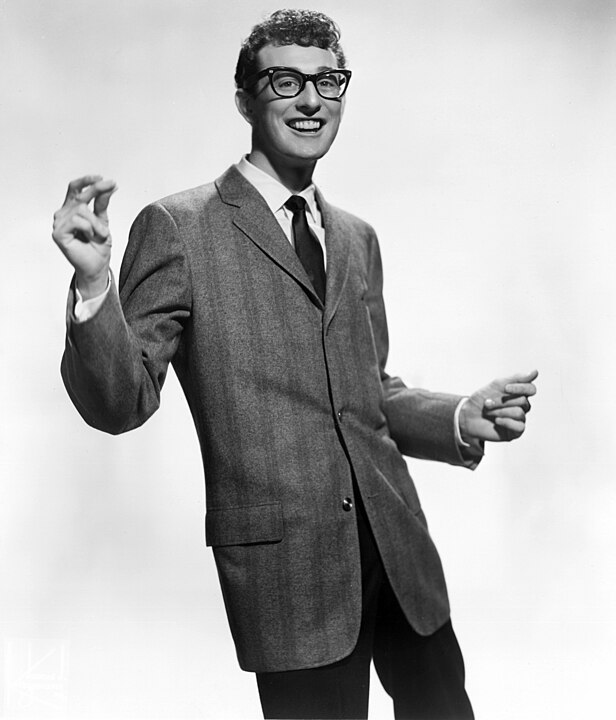
During the late 1950s, three distinctive artists blazed their way into America's musical consciousness. You'd find Buddy Holly, a young Texan with thick-rimmed glasses, revolutionizing rock and roll through his infectious hits "That'll Be the Day" and "Peggy Sue." At just 22 years old, he'd already established himself as one of music's most innovative voices.
Alongside Holly, you'd uncover 17-year-old Ritchie Valens, who brought his Mexican-American heritage to the forefront of rock and roll. After leaving high school to pursue his passion, Valens created the pioneering hit "La Bamba," bridging cultural gaps through music in ways few had attempted before.
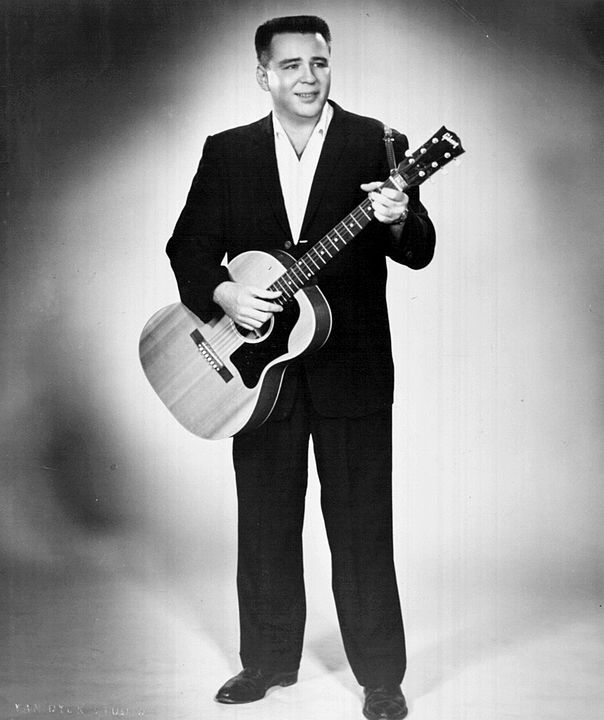
Completing this exceptional trio was J.P. "The Big Bopper" Richardson, whose larger-than-life personality shone through in hits like "Chantilly Lace." At 28, he wasn't just a performer - you'd hear his voice on the radio as a DJ, and he'd built a respected career in the industry. As a father and veteran musician, Richardson brought a mature viewpoint to the emerging rock and roll scene. Little did anyone know that these three rising stars would soon be linked by a tragic event that would forever change music history.
Winter Dance Party Tour
The paths of these three exceptional artists intersected in January 1959 when they joined forces for the Winter Dance Party Tour. The ambitious 24-day tour would take them through the Midwest's unyielding winter terrain, with performances scheduled in 24 different cities without a single day off.
You'd be hard-pressed to find a more demanding tour schedule. The musicians faced grueling conditions as they crisscrossed the region, spending countless hours on a poorly maintained tour bus. The relentless tempo and harsh winter conditions began taking their toll, with several performers falling ill as they struggled to meet their commitments.
It was these challenging circumstances that led Buddy Holly to make a fateful decision. Frustrated with the unreliable tour bus and exhausting travel conditions, he chartered a small plane to fly to the next stop in Moorhead, Minnesota. Originally, Holly's bandmate Waylon Jennings was supposed to be on that flight, but he gave up his seat to The Big Bopper, who had been battling the flu. This simple seat swap would become a pivotal juncture in music history.
A Fateful February Night

Late into the evening of February 2, 1959, fans poured out of Clear Lake's Surf Ballroom after watching what would become the final performances of three rock 'n' roll pioneers. You could've felt the electricity in the air as Buddy Holly, Ritchie Valens, and The Big Bopper had just finished another successful show on their Winter Dance Party tour.
What you wouldn't have known was that Holly had grown weary of the tour's grueling bus rides and decided to charter a plane for himself and his band to reach their next stop in Moorhead, Minnesota. In a twist of fate, Waylon Jennings gave up his seat to The Big Bopper, who'd been fighting illness during the tour. These simple decisions would change music history forever.
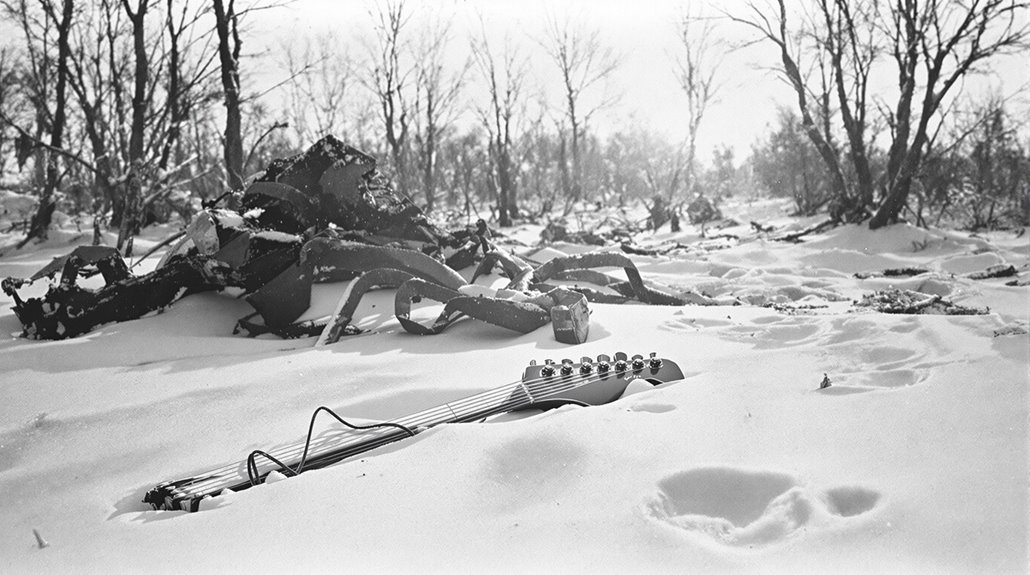
In the early hours of February 3, their small plane took off from Clear Lake into the winter darkness. Minutes later, the aircraft crashed, claiming the lives of all four souls aboard - Holly, Valens, The Big Bopper, and the pilot. The crash site, just miles from the Surf Ballroom where they'd last performed, would become hallowed ground in rock 'n' roll history.
Legacy of Lost Talents
Music history changed forever that February morning, leaving fans and fellow musicians to grapple with an immense void in rock and roll's terrain. The crash near Clear Lake didn't just claim three lives; it robbed the world of extraordinary musical pioneers who were reshaping the makeup of popular music.
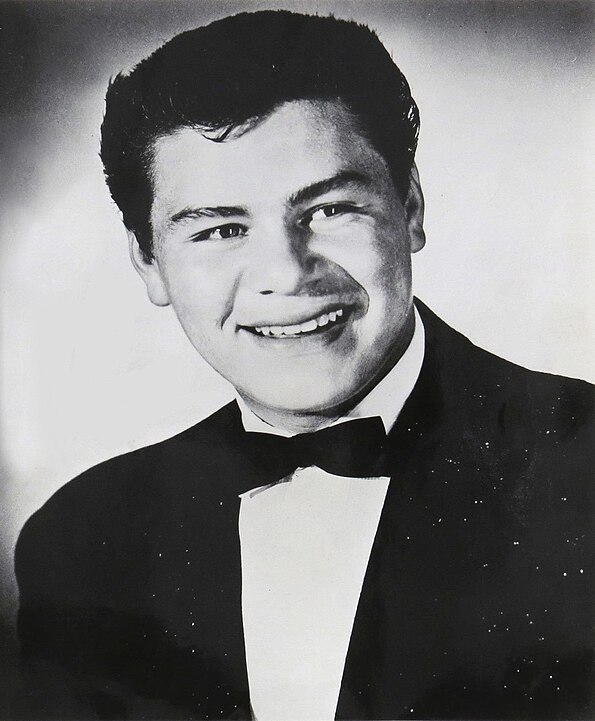
You'll find the legacy of lost talents reverberating through the decades since that day. Ritchie Valens had already broken ground at just 17, transforming "La Bamba" into a cross-cultural phenomenon that proved rock and roll could transcend racial and linguistic barriers. The Big Bopper's innovative approach to rockabilly and his magnetic personality as both a DJ and performer had set new standards for entertainment. Their contributions, though brief, helped lay the foundation for rock and roll's evolution.
Today, you can witness their enduring influence through countless tribute concerts, cover bands, and cultural references. These young artists' creative spirits continue to inspire new generations of musicians. While we'll never know what additional innovations they might have brought to music, their existing work remains a record of their pioneering artistry and undeniable impact on popular culture.
American Pie's Cultural Impact
While many songs have chronicled tragic moments in music history, Don McLean's "American Pie" stands alone in its deep cultural resonance. You'll find its impact woven into the fabric of American popular culture, where it's become more than just a tribute to fallen musicians—it's a mirror reflecting an entire era's hopes, dreams, and disappointments.
The song's cultural impact continues to ripple through generations for three key reasons:
- Its skilled blend of historical references, from Bob Dylan to the Cold War, created an "urtext of popular culture" that captures America's transformation
- The powerful nostalgia it evokes helps bridge generational gaps, allowing younger listeners to connect with a pivotal moment in music history
- Its exploration of lost innocence resonates universally, making it relevant decades after its release
When you hear "American Pie" today, you're experiencing more than just a memorial to "the day the music died." You're connecting with a cultural cornerstone that's influenced countless works across multiple art forms, from literature to film, cementing its place as an enduring piece of American storytelling.
Memorials and Annual Tributes
Pilgrims flock to Clear Lake, Iowa each year, drawn to the historic Surf Ballroom where Buddy Holly, Ritchie Valens, and The Big Bopper performed their final show. At this cherished venue, an annual memorial concert brings together fans who continue to celebrate the legacies of these pioneering rock and roll artists. You'll find yourself immersed in the music and memories as performers pay tribute to the legendary musicians who left an unforgettable mark on popular culture.
The commemoration extends beyond the Surf Ballroom's walls. You can visit the crash site where the tragedy occurred, exploring memorials that house precious artifacts and memorabilia from Buddy Holly, Ritchie Valens, and The Big Bopper. These exhibits offer a touching glimpse into their lives and careers, preserving their stories for future generations. Music enthusiasts from around the world gather to share personal connections to the artists and their music, creating a community united by their appreciation for these rock and roll pioneers. The annual pilgrimage serves as a powerful reminder of how these artists' influence continues to echo through the decades, touching new generations of music lovers.
Musical Influence Through Generations

Beyond the annual tributes and physical memorials, the artistic fingerprints of Buddy Holly, Ritchie Valens, and The Big Bopper continue to shape popular music's evolution. You'll find their influence woven throughout decades of rock and roll, with each artist contributing uniquely to the genre's development.
When you examine their lasting impact on modern music, you'll uncover three distinct revolutionary contributions:
- Buddy Holly's innovative production techniques and songwriting prowess inspired legendary acts like The Beatles and Bob Dylan, establishing a blueprint for rock music that artists still follow today.
- Ritchie Valens broke cultural barriers by introducing Latin rhythms to mainstream rock, creating a fusion that you'll hear echoing through decades of American popular music, particularly in his trailblazing hit "La Bamba."
- The Big Bopper's rockabilly style and distinctive vocals in songs like "Chantilly Lace" laid the foundation for future generations of performers, with his work being frequently covered and sampled.
Even though their lives were cut tragically short, you'll hear these pioneers' influence in countless contemporary recordings, proving that their musical legacy hasn't just survived—it's thrived and evolved across generations.
Eyewitness Accounts and Testimonies
Through firsthand accounts of that fateful February morning, you'll uncover the haunting details of music's darkest day from those who witnessed it unfold. Local resident Norma Petersen's eyewitness testimony paints a vivid representation of the tragic moment when she watched the plane take off before it suddenly crashed in flames.
You'll find the near-miss stories equally chilling. Waylon Jennings and Tommy Allsup both escaped death by chance - Jennings gave up his seat to The Big Bopper, while Allsup lost a coin toss to Ritchie Valens. These split-second decisions would forever change their lives.
The investigation revealed that despite pilot Roger Peterson's experience, severe weather conditions likely played an essential role in the crash. When first responders arrived at the crash site, they encountered a devastating scene that would stay with them forever. Local farmers who rushed to help were met with the grim reality of four lives lost among the scattered wreckage.
These firsthand accounts serve as powerful signals of how quickly tragedy can strike, preserving the memory of that devastating morning when music lost three of its brightest stars.
Transforming Rock and Roll

While their lives were tragically cut short, the musical legacy of Buddy Holly, Ritchie Valens, and The Big Bopper echoes through rock and roll history. Their innovative styles and cultural contributions were altering rock and roll when the infamous "day the music died" abruptly halted their ascending careers.
You'll find their lasting impact reflected in three distinctive ways:
- Ritchie Valens broke cultural barriers by introducing Latin rhythms to mainstream rock, with "La Bamba" becoming the first Spanish-language rock hit to cross over to American audiences.
- The Big Bopper, leveraging his radio experience, brought a unique personality-driven performance style that would influence future rock entertainers.
- Buddy Holly's pioneering techniques in songwriting and recording set new standards for rock musicians who followed.
Even as high school dropout Valens was just beginning to find his voice and veteran DJ Richardson was hitting his stride, they were already reshaping the genre's future. Their collective influence lives on through Don McLean's "American Pie," which immortalized their contributions and maintained their place in rock and roll's pantheon of legendary artists.
Preserving Their Musical Heritage
Today's fans of these legendary artists can experience their musical heritage through various memorials and tributes across America. You'll find the heart of their legacy at the Surf Ballroom in Clear Lake, Iowa, where annual memorial concerts bring their music back to life. The venue serves as a poignant reminder of their final performances and continues to draw music enthusiasts from around the world.
When you visit the crash site and other memorial locations, you'll uncover monuments that honor these pioneering rock and roll artists. Local museums showcase precious artifacts and memorabilia, allowing you to connect with their artistic odyssey and cultural impact. Films like "The Buddy Holly Story" and "La Bamba" help preserve their stories for future generations, depicting the events that led to that fateful February morning.
The music lives on through dedicated tribute bands that tour extensively, performing the hits that made these artists renowned. Whether you're encountering their songs for the first time or reliving cherished memories, these performances guarantee that the legacy of Buddy Holly, Ritchie Valens, and The Big Bopper continues to inspire new generations of music lovers.