
The Causes, Symptoms, and Treatments of Insomnia for Restless Nights
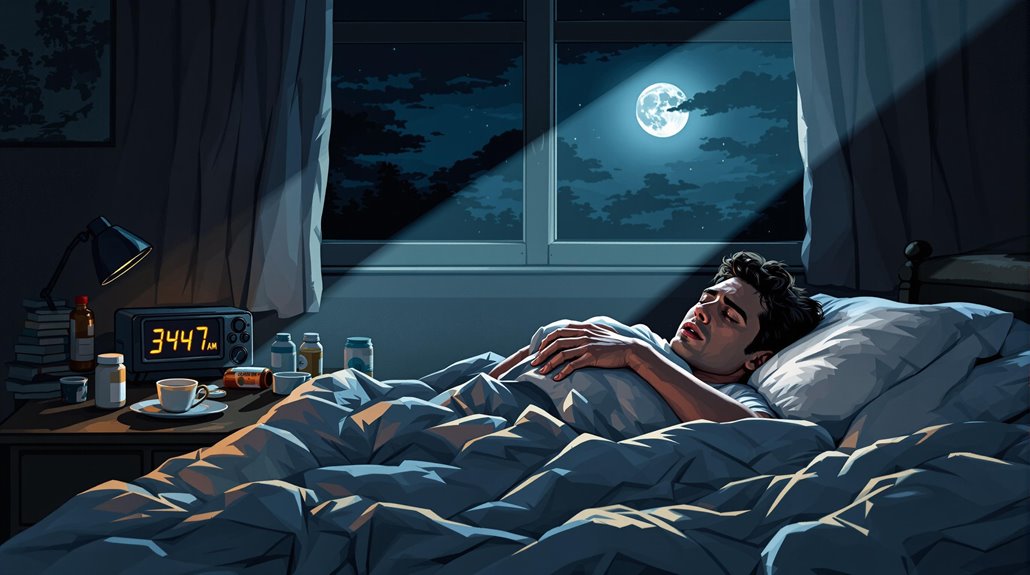
Insomnia can strike due to stress, medical conditions, or poor sleep habits, leaving you tossing and turning night after night. You'll notice symptoms like persistent fatigue, difficulty concentrating, and frequent nighttime wakings that impact your daily life. If you're experiencing these issues for three or more nights weekly over three months, you may have chronic insomnia. Treatment options include cognitive-behavioral therapy (CBT-I), relaxation techniques, and maintaining consistent sleep schedules. You can also make lifestyle changes like creating a calming bedtime routine and optimizing your sleep environment. Understanding the full scope of insomnia will help you reclaim your restful nights.
Understanding Insomnia
Sleep deprivation can wreak havoc on your daily life, and insomnia stands as one of the most common sleep disorders affecting millions worldwide. When you're struggling with insomnia, you'll find yourself unable to fall asleep, stay asleep, or get enough quality rest time, leading to significant health impacts on your daily functioning.
Understanding the two main types of insomnia can help you better address your sleeping troubles. Acute insomnia typically lasts for a short time and often occurs due to temporary life events, while chronic insomnia persists for three months or longer. Your risk of developing this condition increases with age, and women are more likely to experience it than men.
Multiple factors can trigger your sleeping difficulties, from medical conditions and medications to stress and poor sleep habits. If you're experiencing symptoms like persistent daytime fatigue, difficulty concentrating, or mood changes, it's time to take action. While occasional sleep troubles are common, chronic insomnia requires proper medical attention. Understanding these basics about insomnia can help you recognize when it's time to seek professional help and take steps toward better sleep health.
Common Triggers and Risk Factors
A complex web of factors can trigger insomnia, affecting both your mind and body. Understanding the common causes of insomnia and risk factors can help you identify why you're having trouble sleeping. Mental health issues like stress, anxiety, and depression commonly contribute to insomnia symptoms, making it difficult to fall or stay asleep.
Your physical health and lifestyle choices play pivotal roles in an insomnia diagnosis. Poor sleep habits and irregular schedules can substantially increase your risk of developing sleep problems. Here are the main categories of factors that contribute to insomnia:
- Psychological factors - Stress, anxiety, and depression are leading causes that can keep your mind racing at night
- Medical conditions - Chronic pain, respiratory issues, and thyroid problems can make it harder to maintain healthy sleep
- Medications - Certain prescriptions, especially stimulants and corticosteroids, can disrupt your natural sleep patterns
- Environmental and lifestyle factors - Irregular work schedules, jet lag, and poor sleep hygiene (like using electronic devices before bed) can throw off your body's natural rhythm
Understanding these triggers helps you identify and address the root causes of your sleep troubles.
Recognizing Warning Signs

Several key warning signs can alert you to developing insomnia before it becomes a chronic condition. If you're experiencing persistent difficulty falling asleep or can't fall asleep for extended periods, these may be early indicators of sleep problems. Pay attention if you're frequently waking during the night or finding yourself unable to return to sleep after early morning awakening.
Symptoms of insomnia often extend beyond nighttime struggles. You'll notice daytime consequences of insomnia, such as persistent fatigue, irritability, and difficulty concentrating on tasks. These issues can profoundly impact your daily performance and overall wellbeing. While occasional trouble falling or staying asleep is common, an insomnia diagnosis requires consistent sleep disruption for at least three nights weekly over three months.
If you're experiencing these warning signs, particularly when they persist and affect your daily functioning, it's essential to seek medical evaluation. Chronic insomnia can lead to various health conditions and complications if left untreated. Remember that early recognition and intervention are fundamental for preventing your sleep problems from developing into a long-term condition that's harder to treat.
Treatment Options That Work
Effective treatment for insomnia typically involves a multi-faceted approach customized to your specific needs and symptoms. Your healthcare provider will work with you to identify the root causes of your sleep difficulties and develop an extensive treatment plan based on your diagnosis.
- Cognitive-behavioral therapy (CBT-I) addresses the thoughts and behaviors affecting your sleep patterns, helping you develop healthier sleep habits through structured sessions.
- Relaxation techniques, including meditation and deep breathing exercises, can greatly reduce anxiety and stress that may be contributing to your sleep difficulties.
- Proper sleep hygiene practices, such as maintaining consistent bedtimes and creating a comfortable sleep environment, are essential for long-term improvement.
- Medical intervention, when necessary, may include short-term sleep medications or treatment of underlying conditions affecting your sleep.
If you're experiencing persistent insomnia, you'll want to start with CBT-I as your first-line treatment. While medications can provide temporary relief, they're typically recommended only for short-term use under medical supervision. Remember that successful treatment often requires patience and consistency as you work to establish healthy sleep patterns.
Developing Healthy Sleep Habits

Good sleep habits form the foundation of long-lasting insomnia relief. By making consistent lifestyle changes, you'll help regulate your circadian rhythm and improve your chances of getting quality rest. Start by establishing a fixed sleep schedule - go to bed and wake up at the same times every day, including weekends. This consistency helps your body recognize when it's time to sleep and wake up naturally.
Create a calming bedtime routine that signals to your body it's time to wind down. Consider activities like reading, gentle stretching, or taking a warm bath. It's essential to avoid blue light from electronic devices at least one to two hours before bed, as this can disrupt your natural sleep patterns. Additionally, watch your consumption of stimulants and depressants - caffeine, nicotine, and alcohol can all interfere with your sleep quality, especially when consumed later in the day.
Your sleeping environment plays a pivotal role in healthy sleep habits. Keep your bedroom cool, dark, and quiet. You might want to invest in blackout curtains, earplugs, or a white noise machine to create ideal sleeping conditions and minimize disturbances throughout the night.