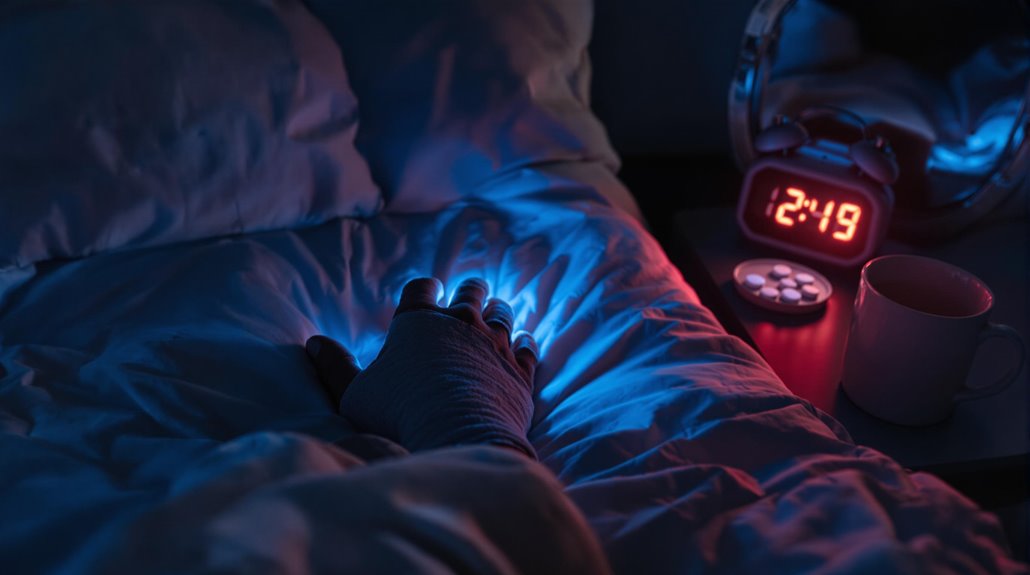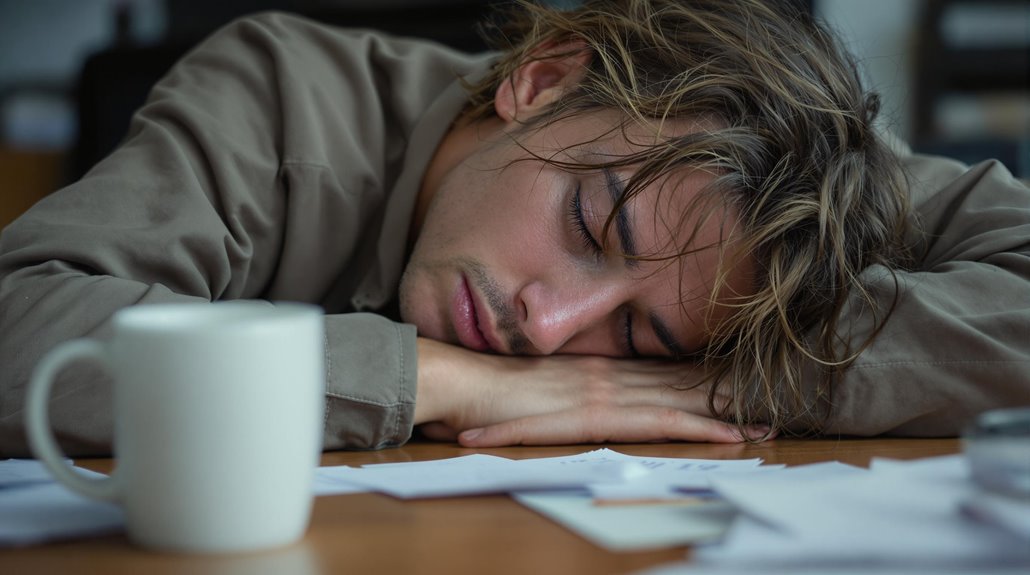
Symptoms and Effects of Sleep Deprivation You Should Know

When you don't get enough sleep, your body and mind suffer immensely. You'll likely experience persistent daytime drowsiness, difficulty concentrating, and memory problems. Your physical health takes a hit too - with weakened immunity, increased risk of heart disease, and unexpected weight gain. Sleep deprivation can seriously affect your emotional well-being, leading to anxiety, depression, and strained relationships. You might notice slower reaction times, poor decision-making, and intense food cravings. While these effects can be alarming, understanding the full impact of sleep loss is your first step toward taking control of your rest and recovery.
Understanding Sleep Deprivation
Life's daily demands can wreak havoc on your sleep schedule, leading to a dangerous cycle of sleep deprivation. When you consistently get less than the recommended 7-9 hours of sleep each night, you're putting yourself at risk for various physical and mental health issues that can dramatically impact your daily life.
Sleep deprivation affects up to one-third of the population, and its causes are diverse. Your circadian rhythm might be disrupted by irregular work schedules, or you could be dealing with underlying sleep disorders like sleep apnea. Stress, family obligations, and poor sleep habits also play pivotal roles in preventing sufficient sleep.
You'll notice several warning signs when you're not getting enough rest. Common symptoms include frequent yawning, difficulty maintaining focus, and an increased need for daytime naps. Your sleep quality directly affects your brain function, immune system, and cardiovascular health. Without proper rest, you'll likely experience decreased sex drive and impaired cognitive performance. Understanding these effects is indispensable because they can compound over time, making it essential to identify and address the root causes of your sleep deprivation before they lead to more serious health complications.
Common Signs and Symptoms
Several telltale signs can alert you to sleep deprivation, ranging from subtle changes in your daily performance to considerable shifts in your mental state. You might notice you're feeling tired and drowsy during the day, especially during meetings, lectures, or after meals. If you're constantly yawning or having trouble focusing on tasks, these are clear symptoms of sleep deprivation.
Your brain activity can markedly decline when you lack sleep, affecting your memory and concentration. You may struggle to learn new information, solve problems, or tap into your creativity. Watch for changes in your daily behavior, such as decreased interest in sex or difficulty remembering routine tasks.
More serious indicators of sleep deprivation include noticeable mood changes. You might experience increased anxiety, stress, or depression. Some people even develop paranoid thoughts or suicidal tendencies due to prolonged lack of sleep. If you're feeling unusually lethargic, unmotivated, or emotionally unstable, these could be warning signs that you're not getting enough rest. Being tired during the day consistently, especially while driving, should prompt immediate attention to your sleep habits.
Physical Health Impacts

The physical toll of sleep deprivation extends far beyond feeling tired, affecting nearly every system in your body. When you don't sleep enough, your immune system weakens considerably, making you more vulnerable to common illnesses like colds and flu. This compromised immunity can leave you battling frequent infections and taking longer to recover from illness.
The long-term consequences of insufficient sleep are even more concerning. You'll face an increased risk of developing serious health conditions, including type 2 diabetes, high blood pressure, and heart disease. Your body's natural circadian rhythms become disrupted, triggering hormonal imbalances that can wreak havoc on your metabolism. You might notice unexpected weight gain, as sleep deprivation interferes with your hunger hormones, leading to increased appetite and unhealthy food cravings.
Perhaps most alarming is how lack of sleep affects your physical safety. When you're sleep-deprived, your coordination suffers, your reaction times slow, and your decision-making abilities become impaired. This dangerous combination greatly increases your risk of accidents and injuries, whether at work, home, or behind the wheel.
Mental and Emotional Changes
While physical effects of sleep deprivation can be readily observed, your mental and emotional well-being takes an equally significant hit. When you're not getting enough sleep, you'll likely experience increased anxiety, depression, and irritability, making it harder to maintain emotional stability throughout the day. Your cognitive abilities suffer too, as sleep deprivation impairs your concentration, problem-solving skills, and ability to learn new information.
You'll notice heightened emotional reactivity when you're sleep-deprived, meaning you might overreact to situations that wouldn't normally upset you. Your impulse control weakens, and you'll find it more challenging to regulate your emotions effectively. These changes can strain your relationships and reduce your productivity at work or school.
What's particularly concerning is that chronic sleep deprivation can lead to long-term mental health issues. If you consistently don't get enough sleep, you're at a higher risk of developing serious mood disorders. Your emotional stability deteriorates over time, creating a cycle where lack of sleep and mood swings feed into each other, potentially affecting every aspect of your daily life.
Treatment and Recovery Options
Recovering from sleep deprivation requires a thorough approach that combines professional guidance with lifestyle changes. If you're experiencing severe symptoms and effects of sleep deprivation, consulting healthcare providers or a sleep specialist can help you develop a personalized treatment plan. They might recommend CBT-I, which addresses the underlying causes of your sleep problems and helps you establish healthier sleep habits.
For more severe cases, your doctor may prescribe medications to temporarily improve your sleep quality while working on long-term solutions. It's essential to identify and treat any underlying sleep disorders, chronic pain, or mental health issues that might be contributing to your sleep deprivation. You'll need to commit to maintaining a consistent sleep schedule and creating a relaxing bedtime routine that promotes better rest.
Recovery often involves limiting screen time before bed and implementing lifestyle changes that support healthy sleep patterns. While prescription medications can provide short-term relief, the most effective long-term solution typically combines professional treatment with sustainable behavioral changes. Working with a sleep specialist can help you take the right steps to overcome sleep deprivation and prevent its recurrence.
Related posts