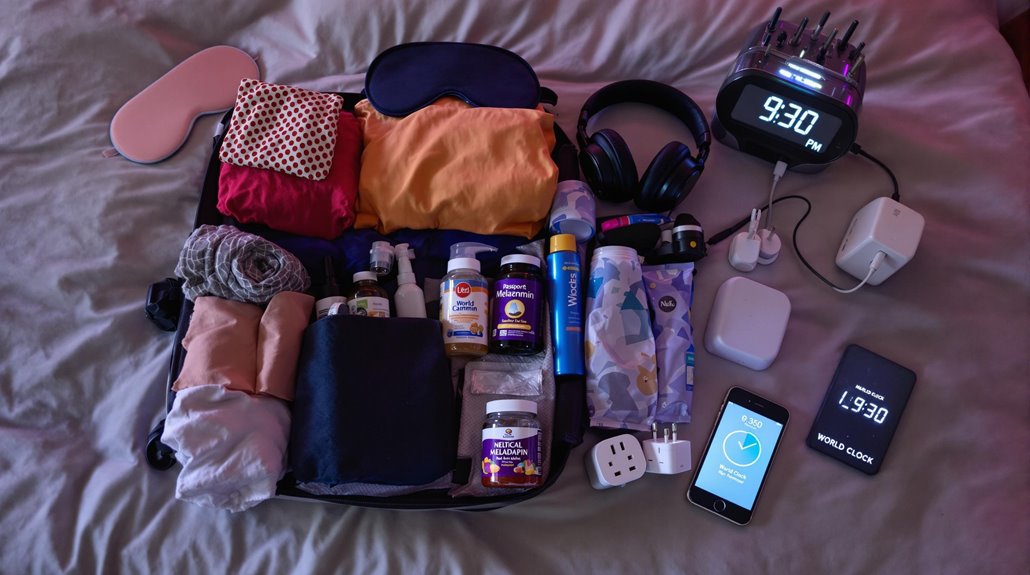
Sleeping It Off: My Battle With Migraines and Recovery Tips

Managing migraines requires a strategic approach to sleep and recovery. You'll need to create an ideal sleep environment by eliminating blue light, using blackout curtains, and investing in supportive bedding. Your sleep position matters too - aim to sleep on your back with proper neck support or try side sleeping with aligned posture. During the postdrome phase, prioritize rest in a calm, sensory-friendly space while staying hydrated and gradually resuming activities. Building a consistent recovery routine with regular sleep schedules, relaxation techniques, and trigger awareness can reshape your migraine management expedition. The path to improved migraine control starts with understanding your unique patterns.
Understanding My Migraine Journey
The first piercing headache struck me during my final year of college, like a bolt of lightning that refused to fade. Like many people with migraine, I found that this wasn't just an ordinary headache - it was a neurological storm that would reshape my entire life. The pain would last for hours, accompanied by an unbearable sensitivity to light and sound that forced me to retreat into darkness.
Through years of trial and error, I've learned that understanding your migraine patterns is essential for managing them effectively. You'll notice that certain triggers, whether they're stress, specific foods, or changes in sleep patterns, can spark an episode. What's particularly challenging is that migraines don't just affect your head - they impact your entire body and daily routine. To prevent a migraine hangover, you'll need to develop an all-encompassing strategy that includes proper sleep hygiene and stress management.
When you're trying to relieve migraine pain, remember that everyone's experience is different. What works for some people might not work for you. The key is documenting your symptoms, triggers, and relief methods to create a personalized management plan.
Creating The Perfect Sleep Environment
Like a sanctuary designed for healing, your bedroom environment plays a crucial role in managing migraines and promoting restorative sleep. When you're battling poor sleep during a migraine attack, transforming your space into a quiet room can make a significant difference in getting to sleep and staying asleep.
Start by eliminating sources keeping you awake, such as electronic devices that emit sleep-disrupting blue light. Install blackout curtains to create total darkness, and consider using a white noise machine to mask disruptive sounds. You'll find that these small changes contribute to better sleep quality during migraine episodes.
Your bed itself deserves attention - invest in a supportive mattress and comfortable bedding to prevent neck and shoulder tension. Keep ice packs and heating pads within easy reach for quick pain relief. Consider incorporating relaxation training techniques into your bedtime routine, such as gentle stretching or meditation, to help you wind down naturally.
Sleep Position Makes A Difference

Finding your ideal sleep position can dramatically impact the frequency and intensity of your migraines. When you're dealing with head pain, the way you position your neck or shoulder during sleep can either provide relief or make symptoms worse. Your pillow choice plays a vital role too - one that's too firm or high can increase neck tension and contribute to sleep-related issues.
If you're experiencing morning migraines, consider these essential adjustments:
- Align your spine by sleeping on your back with a supportive pillow that keeps your head level with your shoulders
- Avoid stomach sleeping, which twists your neck and can trigger migraine episodes
- If you're a side sleeper, use a pillow that fills the gap between your head and shoulder to maintain proper alignment
- Consider using a small neck roll or cervical pillow for additional support
Don't overlook the possibility of bruxism - teeth grinding during sleep can be a significant migraine trigger. If you suspect this might be contributing to your symptoms, don't hesitate to consult a dentist or physiotherapist. These professionals can provide targeted solutions for sleep-related issues that may be triggering your migraines.
Managing Postdrome Through Rest
Bouncing back from a migraine attack requires careful attention to the postdrome phase, often called the "migraine hangover." During this recovery period, your body needs deliberate rest and gentle care to heal from the intense neurological event.
Sleep helps restore your body's natural balance, so don't rush back to your regular activities. Instead, create a calm environment by minimizing bright lights and loud sounds. Sleep deprivation can worsen postdrome symptoms, making your recovery more challenging. Focus on rest and allow yourself time to recuperate properly.
Maintaining proper hydration and consuming nutrient-rich foods will support your body's healing process. You'll find that staying well-nourished can extensively reduce the duration of your postdrome symptoms. When you're ready to resume activities, do so gradually to prevent overwhelming your system.
Don't hesitate to lean on loved ones during this time. Their support can make migraine management more manageable, especially when you're dealing with brain fog and physical discomfort. Remember that taking time to properly recover isn't a luxury—it's an indispensable part of your migraine care routine that will help prevent future episodes and promote overall well-being.
Building A Recovery Routine

Developing a consistent recovery regimen is essential for managing migraine episodes effectively. By maintaining regular sleep patterns and implementing behavioral sleep strategies, you'll help reduce both the frequency and intensity of migraine symptoms. A migraine diary can help you determine your specific headache triggers, making it easier to prevent future episodes and manage anxiety and depression that often accompany migraines.
Whether you're recovering alone or with support from a family member, following these key steps can establish a healing routine:
- Set a consistent bedtime and wake-up schedule, aiming for 8 hours of sleep, even on weekends
- Practice Deep breathing exercises or meditation for 10-15 minutes before bed to calm your nervous system
- Create a sleep sanctuary by dimming lights, silencing notifications, and keeping your bedroom cool and dark
- Gradually ease back into daily activities, starting with gentle movements and light meals
Remember to adjust your recovery routine based on your personal triggers and responses. Your body needs time to reset, and rushing the process can lead to setback. Listen to your body's signals and adjust your routine accordingly.